Which Bird is Regarded as the Doctor of the Forest
Have you ever wondered if there’s a bird in the forest that acts like a doctor? A creature that helps heal and protect other animals?
You might be surprised to learn that such a bird exists, playing a unique role in nature’s health system. Understanding which bird is regarded as the doctor of the forest will change the way you see wildlife and the natural world around you.
Keep reading, and you’ll discover fascinating secrets about this amazing bird—and why it matters to your environment more than you think.

Credit: www.dreamstime.com
The Forest’s Medicinal Bird
Forests are full of life and mystery. Among many creatures, one bird stands out for its healing role. It is often called the doctor of the forest.
This bird helps keep the forest healthy in ways we do not always see. Let’s learn about this special bird and why it is so important.
Which Bird Is Known As The Doctor?
The bird known as the doctor of the forest is the Green Woodpecker. It plays a key role in the forest’s health and balance.
How The Green Woodpecker Heals The Forest
This bird eats many insects that harm trees. By controlling these pests, the woodpecker protects the forest’s plants.
- Feeds on harmful insects like ants and beetles
- Drills holes to find food, helping trees breathe
- Removes dead wood by pecking, preventing disease
- Spreads seeds through its droppings, growing new plants
The Green Woodpecker’s Role In Medicinal Plants
The bird also helps spread seeds of plants used for medicine. Its movements help new medicinal plants grow in the forest.
| Medicinal Plant | Use |
| Willow Bark | Relieves pain and reduces fever |
| Chamomile | Calms nerves and aids sleep |
| Echinacea | Boosts the immune system |
Why We Should Protect This Bird
Without the Green Woodpecker, many forest trees and plants would suffer. The balance of the forest would break down.
Protecting the bird means:
- Keeping forests healthy
- Preserving natural medicines
- Supporting wildlife diversity
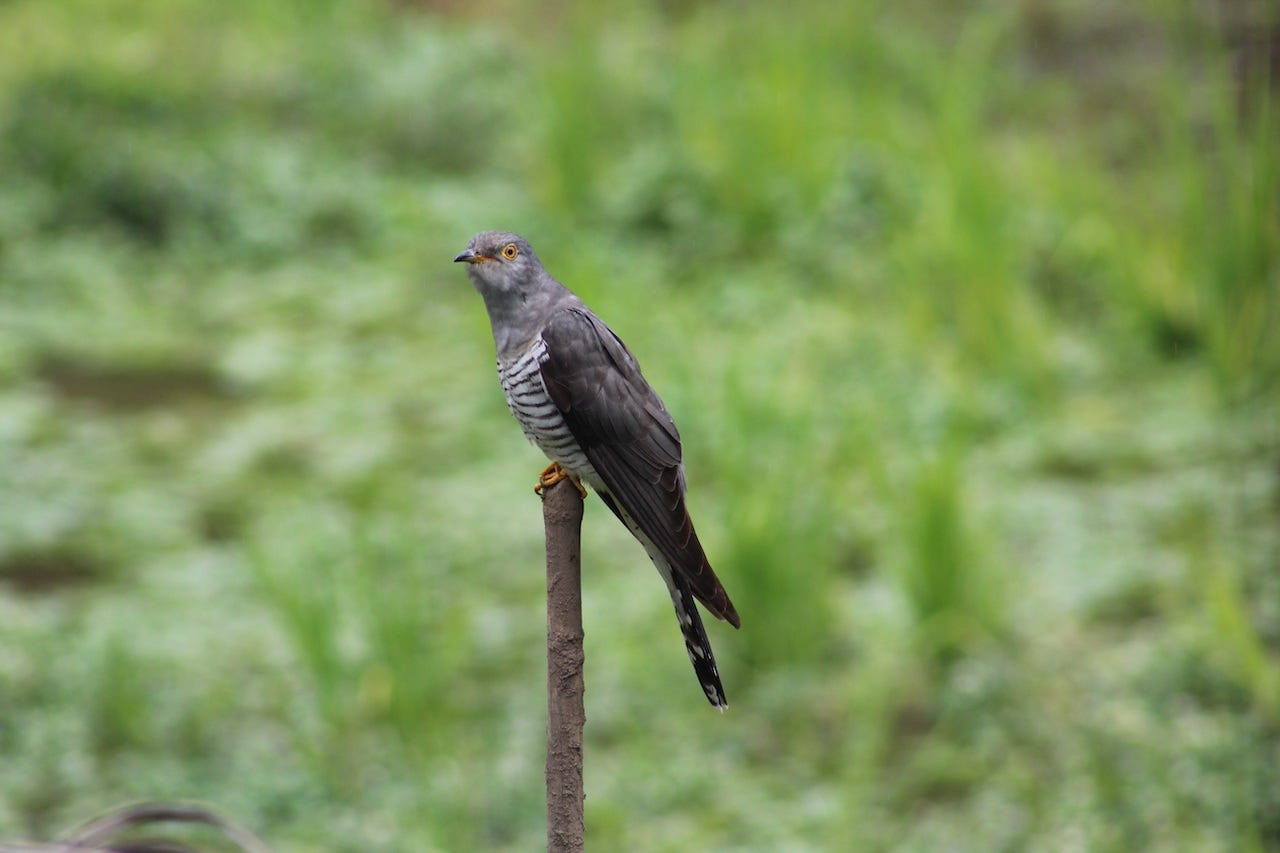
Credit: richardvillar.medium.com
Traits That Earn The Title
The bird known as the “Doctor of the Forest” has unique behaviors. These traits help it care for other animals and plants.
This bird uses natural tools and actions to heal or protect its environment. Its skills make it special in the wild.
Healing Behaviors
This bird collects medicinal plants and applies them to wounds. It also cleans cuts to stop infections.
Sometimes, it uses mud or resin to cover injuries. These substances help heal and keep bugs away.
- Gathers healing plants from the forest
- Applies natural ointments to injuries
- Uses mud or resin as protective coverings
Interaction With Other Species
The bird helps other animals by removing parasites from their bodies. It acts like a cleaner in the forest.
It also warns nearby creatures about danger. This caring behavior helps keep the forest community safe.
- Removes ticks and parasites from mammals and birds
- Signals warnings to other animals
- Supports forest health by protecting many species
Common Candidates For Forest Doctor
Some birds are known as the doctors of the forest. They help keep the forest clean and healthy. Many people wonder which bird holds this special title.
Here are some common candidates often called the forest doctor. Each bird has unique traits that help protect the forest ecosystem.
The Hooded Vulture
The Hooded Vulture cleans the forest by eating dead animals. This stops diseases from spreading. It has a strong beak to tear tough skin and meat.
- Found mostly in Africa
- Feeds on carrion and waste
- Helps control infections by removing dead animals
The Egyptian Vulture
The Egyptian Vulture is smart and uses tools. It breaks eggs by throwing stones. This bird also cleans up dead matter in the forest.
| Feature | Description |
| Location | Africa, Europe, and Asia |
| Diet | Dead animals, eggs, and waste |
| Role | Forest cleaner and egg breaker |
The Honeyguide Bird
The Honeyguide Bird leads people and animals to beehives. After they take honey, the bird eats leftover beeswax. This bird helps in finding food and cleaning.
Interesting Facts About the Honeyguide Bird:
- Famous for guiding humans to honey
- Eats beeswax, which few birds can digest
- Helps keep beehives healthy by clearing wax
Birds And Natural Remedies
Some birds are known as helpers in the forest. They use natural things around them to heal and protect. One bird is called the doctor of the forest for its healing skills.
This bird often uses plants and natural remedies to care for itself and others. Its actions show us how nature can help in healing wounds and sickness.
Use Of Medicinal Plants
The doctor of the forest bird collects special plants to treat health problems. These plants have natural chemicals that fight infections and reduce pain.
Birds pick leaves, bark, or flowers and bring them to their nests. The plants keep the nest clean and protect young birds from germs.
- Some plants kill germs and bacteria
- Others help stop swelling or pain
- Strong-smelling plants keep bugs away
Wound Care Techniques
The doctor bird knows how to care for wounds in the forest. It uses leaves and mud to cover cuts and scratches.
Covering wounds helps stop dirt and germs from entering. The bird’s careful care helps the injury heal faster and keeps it safe.
- The bird cleans the wound with fresh water or saliva
- It applies soft plant material to protect the skin
- It keeps the injured part still to help healing
Ecological Importance Of Healing Birds
Birds known as the doctors of the forest help keep nature healthy. They play a big role in the balance of forest life.
These healing birds protect plants and animals. They help forests grow strong and safe.
Maintaining Forest Health
Healing birds eat harmful insects and pests. This stops plants from getting sick or damaged.
They also clean wounds on trees by removing fungi and insects. This helps trees live longer and stay healthy.
- Eat insects that harm trees
- Remove fungi and parasites
- Keep plants strong and growing
Supporting Biodiversity
Healing birds help many animals by keeping the forest safe from disease. This supports many species living together.
They also spread seeds from healthy plants. This helps new plants grow and adds variety to the forest.
- Protect animals from disease
- Spread seeds for new plants
- Help many species survive

Credit: abcbirds.org
Cultural Significance and Folklore
The bird known as the “Doctor of the Forest” holds a special place in many cultures. People often link this bird to healing and wisdom. Its role goes beyond nature and enters the world of stories and beliefs.
This article explores the bird’s role in traditional medicine and its symbolism across different cultures. It shows how people respect and honor this creature through time.
Birds In Traditional Medicine
Many tribes and communities use parts of this bird for healing. They believe it carries natural powers to cure illnesses. Its feathers, bones, and even songs are part of healing rituals.
- Feathers are used to make healing charms.
- Bones are ground into powders for medicine.
- Sounds are believed to drive away bad spirits.
- Its presence in the forest signals health and safety.
Symbolism In Different Cultures
The bird symbolizes different ideas in various cultures. Some see it as a guide to the spirit world. Others think it represents protection or good health. Its image appears in art, stories, and ceremonies.
| Culture | Symbol | Meaning |
| Native American | Feather | Healing and spiritual power |
| African Tribes | Bird Song | Protection against evil |
| Asian Folklore | Bird Image | Wisdom and guidance |
| European Legends | Forest Doctor | Health and renewal |
Conservation Efforts For Nature’s Healers
The bird often called the doctor of the forest is the hornbill. This bird helps keep forests healthy. It spreads seeds and controls insects.
Protecting these birds is very important. Conservation efforts help keep forests and wildlife safe.
Threats To Healing Birds
Many hornbills face danger from habitat loss. Cutting down trees removes their homes. Hunting is another big threat to these birds.
Pollution and climate change also harm hornbills. These factors make it hard for them to find food and shelter.
- Deforestation reduces nesting sites
- Hunting for meat and feathers
- Pollution affects food sources
- Climate change alters forest habitats
Protective Measures And Initiatives
Many groups work to protect hornbills. They create safe areas called reserves. These places protect forests and birds from harm.
People also use education programs. These teach communities about the value of hornbills and forests. Laws help stop hunting and cutting trees.
- Establishing forest reserves
- Running community education programs
- Enforcing wildlife protection laws
- Restoring damaged forest areas
Frequently Asked Questions
Which Bird Is Called the Doctor of the Forest?
The Indian Grey Hornbill is known as the doctor of the forest. It helps heal trees by feeding on infected fruits and spreading seeds.
Why Is the Hornbill Called a Forest Doctor?
Hornbills remove unhealthy fruits and pests from trees. This cleaning helps maintain forest health and promotes tree growth.
How Do Hornbills Benefit Forest Ecosystems?
Hornbills disperse seeds across large areas. This aids forest regeneration and maintains biodiversity, making them vital to forest health.
What Unique Role Does The Forest Doctor Bird Play?
The forest doctor bird controls pests naturally. Its feeding habits reduce harmful insects and help protect plant life.
Conclusion
The woodpecker stands out as the forest’s true doctor. It plays a key role in maintaining tree health. By feasting on harmful insects, it helps trees thrive. Woodpeckers also create nesting sites for other animals. Their efforts support the forest’s ecosystem balance.
Without them, tree diseases might spread more easily. Next time you hear a woodpecker’s tap, remember its important work. Nature’s silent guardian, keeping forests healthy. Their presence ensures a thriving, balanced environment. Observing their work highlights nature’s amazing interconnectedness. Truly, the woodpecker earns its title as the forest’s doctor.
A vital role for a healthier planet.