Choosing the right bird seed can make all the difference in attracting beautiful birds to your yard. But with so many options out there, how do you know which one is best for your feathered visitors?
You want to feed birds that are healthy and happy, without wasting money on seeds they won’t eat. You’ll discover simple tips to pick the perfect bird seed that matches your goals. Keep reading, and soon you’ll enjoy more colorful birds visiting your garden every day.
Credit: www.homehardware.ca
Types Of Bird Seeds
Choosing the right bird seed helps attract the birds you want. Different seeds suit different bird species.
Knowing the types of bird seeds lets you pick the best food for wild birds in your yard.
Sunflower Seeds
Sunflower seeds are popular with many bird species. They have a high oil content and lots of energy.
Black oil sunflower seeds are softer and easier for small birds to crack open. They attract cardinals, chickadees, and finches.
Millet
Millet is a small, round seed that many ground-feeding birds enjoy. It is often white or red.
Birds like sparrows, doves, and juncos eat millet. It is easy for small birds to eat.
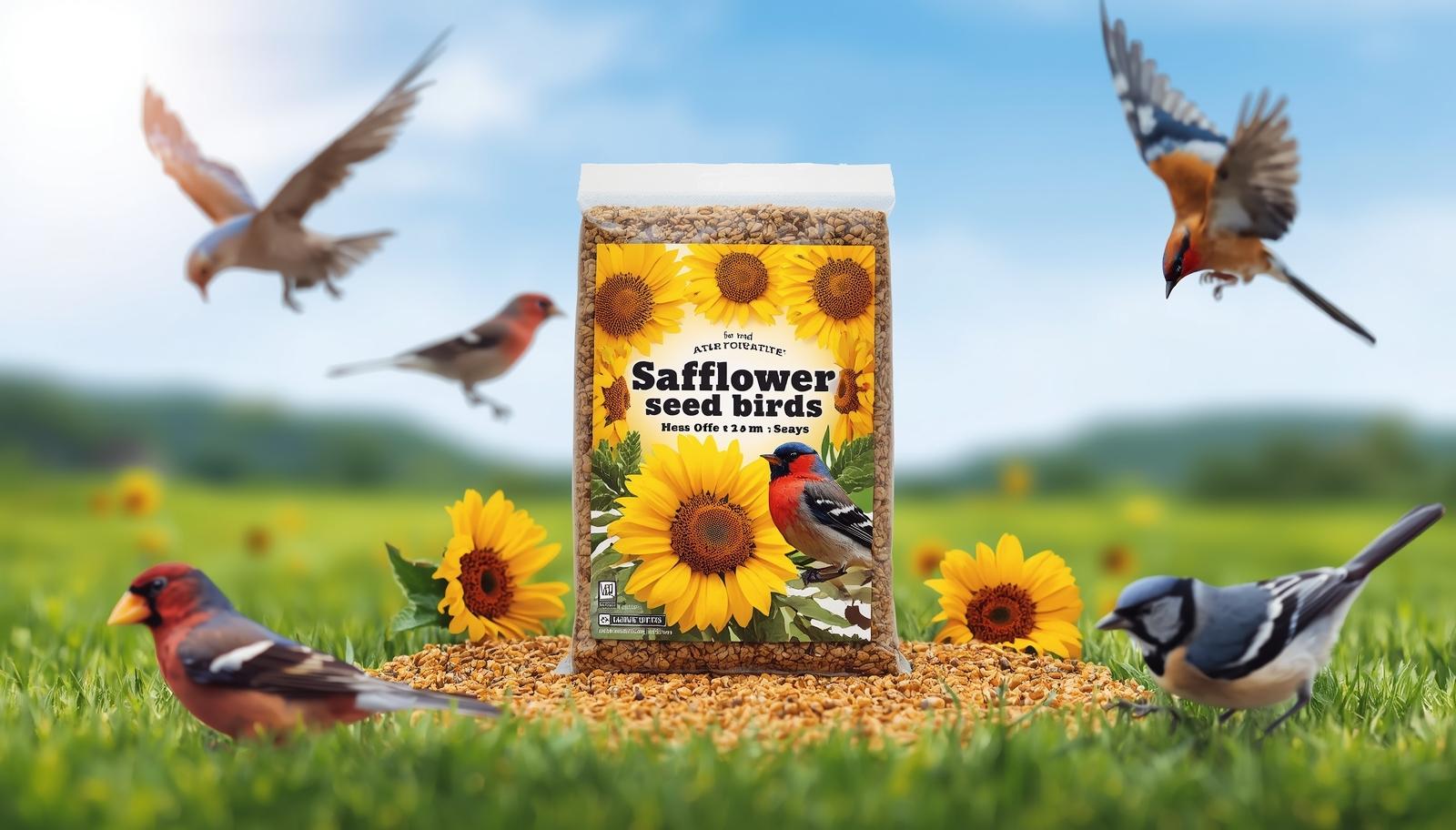
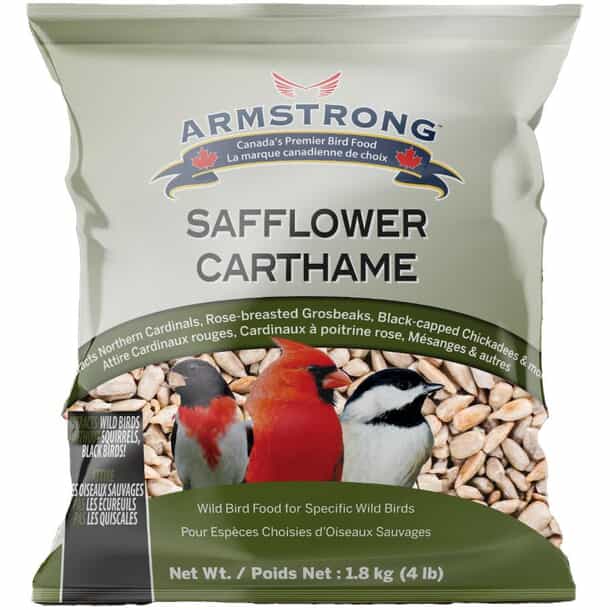
Safflower Seeds
Safflower seeds have a bitter taste that some birds dislike. This helps keep away squirrels and larger birds.
Cardinals, grosbeaks, and chickadees like safflower seeds. These seeds are hard and high in protein.
Nyjer Seeds
Nyjer seeds are tiny and thin. They are rich in oil and loved by finches and siskins.
These seeds need special feeders with small holes to prevent spilling. Nyjer attracts small songbirds.
Mixed Seed Blends
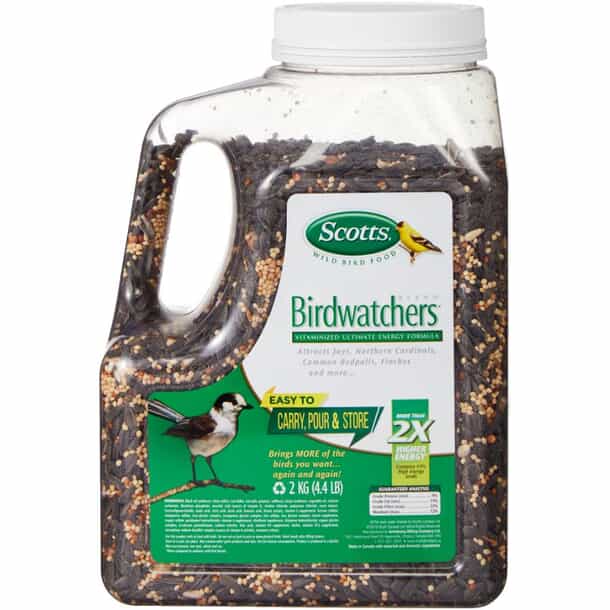
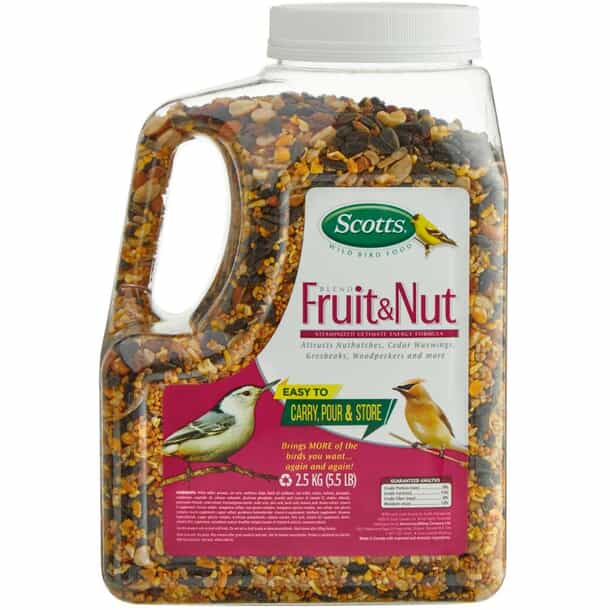
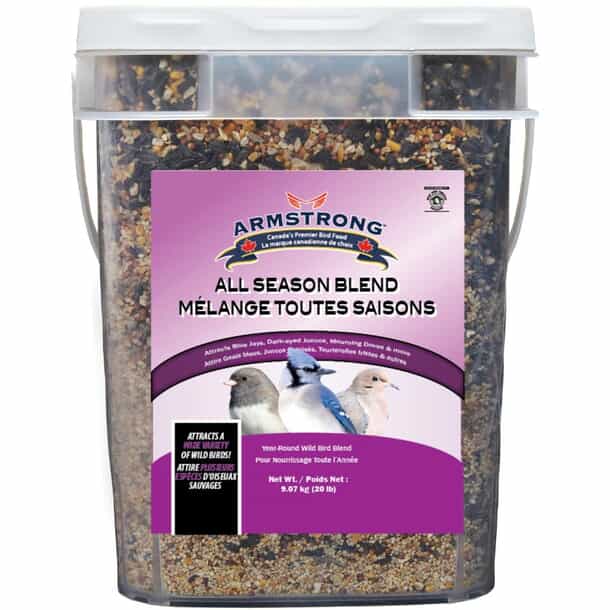
Mixed seed blends combine several types of seeds. They attract many different bird species.
Blends usually contain sunflower, millet, cracked corn, and sometimes safflower. They offer variety for birds.
Seeds For Different Bird Species
Choosing the right seed helps keep birds healthy and happy. Different birds like different types of seeds.
This guide shows the best seeds for finches, parrots, canaries, and wild birds.
Seeds For Finches
Finches enjoy small, light seeds. They eat seeds easily with their small beaks.
Common seeds for finches include millet and nyjer. These seeds offer good nutrition.
- Millet: Small, round, and easy to eat
- Nyjer (thistle seed): High in oil and energy
- Canary seed: Soft and easy to digest
Seeds For Parrots
Parrots need larger and more varied seeds. They like seeds with shells to crack open.
Sunflower seeds and safflower seeds are good choices. These seeds help keep their beaks strong.
- Sunflower seeds: High in fat and protein
- Safflower seeds: Less oily and safe for parrots
- Pine nuts: Rich in nutrients and tasty
Seeds For Canaries
Canaries prefer small, soft seeds. They eat seeds that are easy to crack open.
Canary seed mix often contains rapeseed, millet, and flaxseed. These seeds provide good energy.
- Rapeseed: Soft and oily
- Millet: Light and small
- Flaxseed: Contains healthy fats
Seeds For Wild Birds
Wild birds eat a wide variety of seeds. Different species prefer different seeds in nature.
Black oil sunflower and cracked corn attract many wild birds. These seeds offer good nutrition.
- Black oil sunflower: High energy and easy to crack
- Cracked corn: Good for larger birds
- White proso millet: Preferred by small ground feeders
Nutritional Benefits
Choosing the right bird seed is important for bird health. Good seeds provide essential nutrients.
Birds need a balanced diet to stay active and strong. Seeds offer many nutrients birds need.
Proteins And Fats
Proteins help birds build muscles and repair tissues. Fats give birds energy and keep them warm.
Seeds like sunflower and safflower are rich in protein and fats. These seeds help birds stay healthy.
- Sunflower seeds: High in protein and healthy fats
- Safflower seeds: Good source of fats and protein
- Nyjer seeds: Rich in fats and proteins for small birds
Vitamins And Minerals
Birds need vitamins and minerals to support their immune system. These nutrients help birds grow and stay active.
Many seeds contain vitamins like A, D, and E. Minerals such as calcium and magnesium are also found in seeds.
- Millet: Contains vitamin B and minerals
- Cracked corn: Source of vitamin A and minerals
- Hulled oats: Provides vitamins and minerals
Fiber Content
Fiber helps birds digest their food well. It keeps their digestive system working smoothly.
Seeds with good fiber content support bird health. They help birds absorb nutrients better.
- Millet: High fiber seed that aids digestion
- Cracked corn: Contains fiber for gut health
- Sunflower seeds: Moderate fiber content
Choosing Quality Seeds
Choosing the right bird seed is important for healthy birds. Quality seeds provide good nutrition and attract more birds to your feeder.
Look closely at the seeds before buying. Good seeds should be fresh, clean, and well packed.
Freshness Indicators
Fresh seeds have a bright color and a firm feel. Old seeds may look dull and feel soft or brittle. Check the seed bag for a packing or expiration date. Avoid seeds stored for a long time.
- Bright, natural color
- No strange smell
- Firm texture, not soft or crumbly
- Clear packing or expiration date
- Free of dust or powder
Avoiding Contaminants
Seeds can get mixed with dirt, mold, or broken shells. These can harm birds or make the seeds less healthy. Look for clean seeds without dust or debris. Avoid bags with holes or tears that let bugs in.
| Contaminant | Effect on Birds | How to Spot |
| Dirt | Can cause illness | Visible dark spots or dust |
| Mold | May cause respiratory problems | Musty smell, white or green spots |
| Broken shells | Hard to digest | Small seed fragments |
Packaging Tips
Good packaging keeps seeds fresh and safe. Look for sealed bags that protect against moisture and air. Smaller bags are better if you feed birds occasionally. Store seeds in a cool, dry place at home.
Here are some packaging tips to remember:
- Check that the bag is tightly sealed
- Avoid bags with holes or tears
- Choose resealable bags if possible
- Smaller bags reduce waste
- Store seeds away from sunlight
Special Dietary Needs
Birds can have special dietary needs that affect their health. Choosing the right seed mix helps keep them strong.
Different birds need seeds that match their allergies, weight goals, or breeding cycles. Learn what seeds suit each need.
Seeds For Allergic Birds
Some birds are allergic to common seeds like millet or sunflower. These allergies can cause itching or digestive problems.
- Choose hypoallergenic seeds like safflower or hemp
- Avoid seeds with high dust content to reduce irritation
- Look for seed blends labeled for sensitive birds
- Introduce new seeds slowly to monitor reactions
Seeds For Weight Management
Birds that gain weight easily need low-fat seed options. Overweight birds can face health problems.
| Seed Type | Fat Content | Benefit |
| Millet | Low | Good for weight control |
| Safflower | Medium | Moderate energy source |
| Sunflower | High | Best for active birds only |
| Hemp | Low | Rich in nutrients, low fat |
Seeds For Breeding Birds
Breeding birds need seeds rich in protein and fat. This supports egg production and chick growth.
- Include seeds like hemp and sunflower for energy
- Add fortified seed mixes with vitamins and minerals
- Offer fresh greens alongside seeds for balance
- Feed small amounts frequently during breeding season
Where To Buy Bird Seeds
Choosing the right place to buy bird seeds helps you get fresh and quality products. You want seeds that attract birds and last long.
Many options exist for buying bird seeds. You can shop locally or online. Some sellers offer bulk buying for better prices.
Local Pet Stores
Local pet stores often carry a variety of bird seeds. You can see and feel the product before buying. Staff can answer your questions about seed types.
Visiting a local store supports your community. You can get seeds quickly without waiting for shipping. Some stores offer advice on feeding wild birds.
Online Retailers
Online retailers provide a wide range of bird seeds. You can compare prices and read reviews easily. This helps you choose the best option for your needs.
Many online stores deliver seeds to your door. This saves time and effort. Some websites offer detailed information about seed mixes and bird preferences.
Bulk Buying Options
Buying bird seeds in bulk can save money. This is a good choice if you feed many birds or want to stock up. Bulk seeds often come in larger bags or containers.
Look for bulk options at farm supply stores or online wholesalers. Check storage advice to keep seeds fresh. Bulk buying reduces trips to the store.
Storing Bird Seeds
Proper storage of bird seeds keeps them fresh and safe for birds. It helps keep seeds dry and free from pests.
Storing seeds right also stops mold and extends their use. This guide covers how to store bird seeds well.
Ideal Storage Conditions
Keep bird seeds in a cool, dry place away from sunlight. A sealed container stops moisture and air from spoiling the seeds.
- Use airtight containers made of plastic or metal
- Store seeds in a dark area like a cupboard
- Keep the storage area temperature below 70°F (21°C)
- Avoid damp or humid locations such as basements
Shelf Life Tips
| Seed Type | Typical Shelf Life | Storage Advice |
| Sunflower Seeds | 6-12 months | Keep sealed, cool, and dry |
| Millet | 4-6 months | Use airtight containers, avoid heat |
| Nyjer Seeds | 6-9 months | Store away from light and moisture |
| Safflower | 6-12 months | Check regularly for freshness |
Use seeds within their shelf life. Old seeds lose nutrition and may not attract birds.
Preventing Mold And Pests
Mold and pests ruin bird seeds quickly. Keep seeds dry and sealed to avoid these problems.
- Check seeds often for signs of mold or bugs
- Clean storage containers before refilling
- Use bay leaves or cloves as natural pest repellents inside storage
- Do not store seeds near pet food or bird droppings
Credit: www.homehardware.ca
Credit: www.homehardware.ca
Frequently Asked Questions
What Types Of Bird Seed Attract The Most Birds?
Black oil sunflower seeds attract many bird species due to their high oil content. Millet and nyjer seeds are favorites for smaller birds like finches and sparrows.
How To Choose Bird Seed For Local Bird Species?
Research local bird species and their preferred seeds. Use seed mixes tailored to your region to attract native birds effectively.
Are Mixed Bird Seeds Better Than Single-type Seeds?
Mixed seeds offer variety, attracting diverse bird species. However, some birds prefer specific seeds, so choose based on your target birds.
Which Bird Seed Is Best For Feeding Finches?
Nyjer seed is best for finches. It’s small, high in oil, and preferred by finches over larger seeds.
Conclusion
Selecting the right bird seed enhances your backyard birdwatching experience. Consider the types of birds you want to attract. Different seeds appeal to different species. Sunflower seeds are favorites for many birds. Millet works well for sparrows and doves. Quality matters.
Fresh, clean seeds attract more birds. Avoid mixed seeds with fillers. They often go uneaten. Experiment with small amounts first. See what works best in your area. Watching birds enjoy your chosen seeds brings joy and excitement. Happy birdwatching!