Have you ever wondered which bird holds the title of the largest perching bird? You might be surprised by how big and impressive these creatures can get.
Whether you’re a bird lover or just curious, discovering the biggest perching bird will change how you see the world around you. Keep reading, and you’ll learn fascinating facts that will amaze you and make your next birdwatching trip even more exciting.
Largest Perching Birds Worldwide
Perching birds are a large group that includes many species worldwide. Some of these birds grow to impressive sizes.
This article looks at the largest perching birds by different size measures. It helps to understand what makes a bird the largest.
Criteria For Size Comparison
Bird size can be measured in different ways. Weight, wingspan, and body length are common criteria.
- Weight:Heavier birds are generally larger in mass.
- Wingspan:The distance from one wingtip to the other.
- Body length:The measurement from the beak to the tail.
Each measurement shows a different aspect of size. Some birds have large wingspans but weigh less.
Common Large Perching Birds
| Bird Species | Weight (kg) | Wingspan (cm) | Body Length (cm) |
| Great Hornbill | 3.0 | 152 | 120 |
| Wreathed Hornbill | 2.5 | 150 | 110 |
| Trumpeter Hornbill | 1.5 | 90 | 70 |
| Palawan Hornbill | 2.7 | 140 | 110 |
The Great Hornbill is often considered the largest perching bird by weight and length. It has a strong, curved bill and bright colors.
Other large hornbills also rank high in size. They live mostly in Asia and Africa.
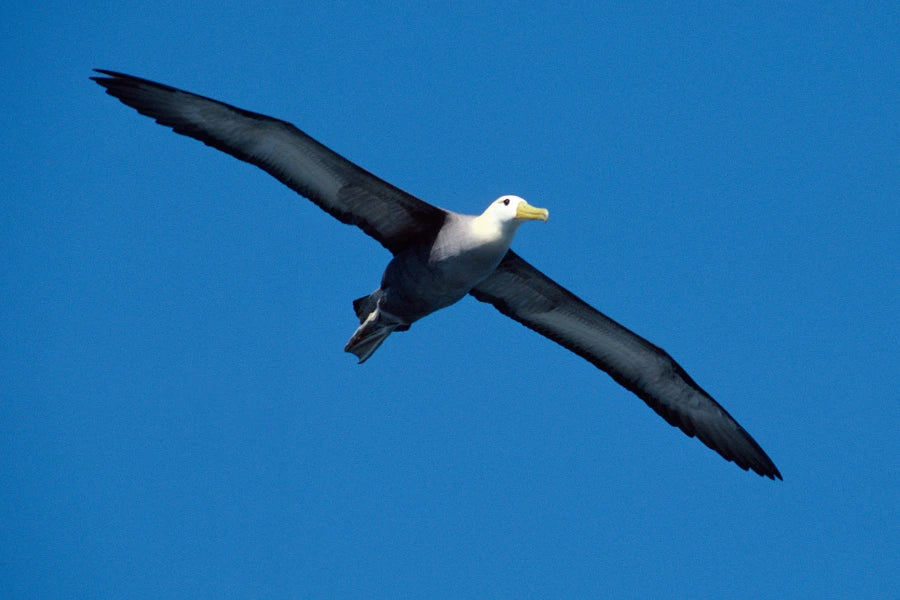
Credit: www.birdfy.com
The Majestic Giant Bird
The largest perching bird is a true giant in the bird world. It is known for its impressive size and striking appearance. This bird stands out in many habitats due to its sheer height and wingspan.
Let’s explore this majestic bird’s physical traits, where it lives, and how it behaves in the wild.
Physical Characteristics
This giant perching bird has long legs and a strong body. Its wingspan can reach up to 2.7 meters. The bird’s feathers are mainly dark, with some white or gray patches.
- Height: Up to 1.5 meters tall
- Weight: Around 15 kilograms
- Wingspan: Up to 2.7 meters wide
- Beak: Large and curved for catching prey
- Feet: Strong with sharp talons for perching
Habitat And Distribution
This bird lives mostly in wetlands, forests, and savannas. It prefers areas with tall trees for perching and nesting. You can find it in parts of Africa, Asia, and Australia.
| Region | Habitat Type | Common Countries |
| Africa | Wetlands and savannas | Kenya, South Africa |
| Asia | Forests and riverbanks | India, Thailand |
| Australia | Woodlands and grasslands | Queensland, New South Wales |
Behavior And Diet
This bird is mostly active during the day. It perches silently and watches for prey. It feeds on fish, small mammals, and insects. The bird uses its sharp beak to catch food.
Key behaviors:
- Perching high on trees or poles
- Soaring with wide wings for long distances
- Hunting by sight near water
- Building large nests from sticks
Adaptations For Perching
The largest perching birds have special features to help them stay balanced on branches. Their bodies and feet work together for a strong hold.
These birds also use smart flight and landing skills to reach and leave perches safely. Their adaptations make perching easier and safer.
Foot Structure And Grip
Large perching birds have strong feet with curved claws. These claws wrap around branches tightly to stop slipping.
They use a special tendon in their legs that tightens when they bend their toes. This helps them hold on without using much energy.
- Strong, curved claws grip branches firmly
- Tendons lock toes in place automatically
- Feet size matches branch thickness for balance
- Rough skin on toes improves grip
Flight And Landing Techniques
These birds slow down before landing to avoid falling. They spread their wings wide to control speed and direction.
They use their feet to grab the branch first, then fold their wings. This helps them stay stable right away.
- Slow wing beats to reduce speed
- Wide wing spread for balance and control
- Feet reach out before landing
- Quick grip to secure perch immediately
Ecological Role And Importance
The largest perching bird plays a key role in nature. It helps keep the environment balanced.
These birds control prey populations and spread seeds. They support many other plants and animals.
Impact On Ecosystems
Large perching birds often act as top predators. They control small animal numbers, like rodents and insects.
They also help plants grow by spreading seeds. Their droppings carry seeds to new places.
- Control pest populations
- Spread seeds for new plants
- Help maintain healthy forests
- Provide food for scavengers when they die
Conservation Status
The largest perching birds face many threats. Habitat loss and hunting reduce their numbers.
Many species are protected by laws. Conservation efforts aim to keep their populations healthy.
- Habitat destruction is a main threat
- Legal protection helps some species
- Public awareness supports conservation
- Research guides protection plans
Comparing Giants Across Continents
Perching birds come in many sizes across the world. Some are small and light, while others are very large. This article looks at the biggest perching birds found on different continents.
We will explore the largest species in Asia, Africa, and the Americas. Each continent has unique giants that stand out in size and strength.
Largest Perching Birds In Asia
Asia is home to some huge perching birds. The Great Hornbill is one of the largest. It can grow up to 5 feet long, including its long bill. Another large bird is the Blyth’s Hornbill, which is also quite big but smaller than the Great Hornbill.
These birds live mainly in dense forests. They have strong feet to grip large branches and big wings to glide between trees.
Largest Perching Birds In Africa
Africa has some of the largest perching birds in the world. The Abyssinian Ground Hornbill is a giant among them. It can weigh up to 8 kilograms. Another large bird is the Trumpeter Hornbill.
- Abyssinian Ground Hornbill:weighs up to 8 kg, length about 90 cm.
- Trumpeter Hornbill:known for loud calls and large size.
- Southern Ground Hornbill:largest hornbill by weight in Africa.
Largest Perching Birds In The Americas
In the Americas, the Harpy Eagle is the largest perching bird. It can weigh up to 9 kilograms and has a wingspan of about 2 meters. It lives in tropical forests and is a powerful hunter.
| Bird | Weight (kg) | Wingspan (meters) | Region |
|---|---|---|---|
| Harpy Eagle | 9 | 2 | Central and South America |
| Great Hornbill | 3.5 | 1.8 | Asia |
| Abyssinian Ground Hornbill | 8 | 1.2 | Africa |
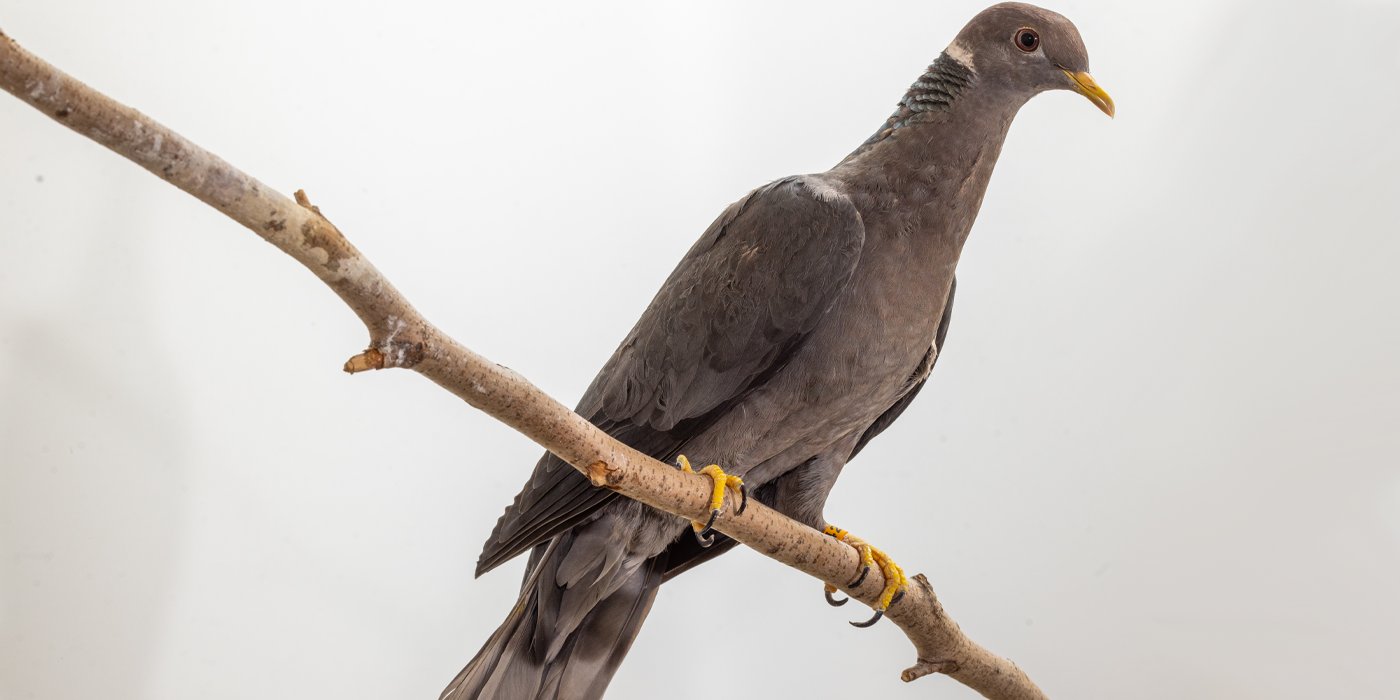
Credit: nationalzoo.si.edu
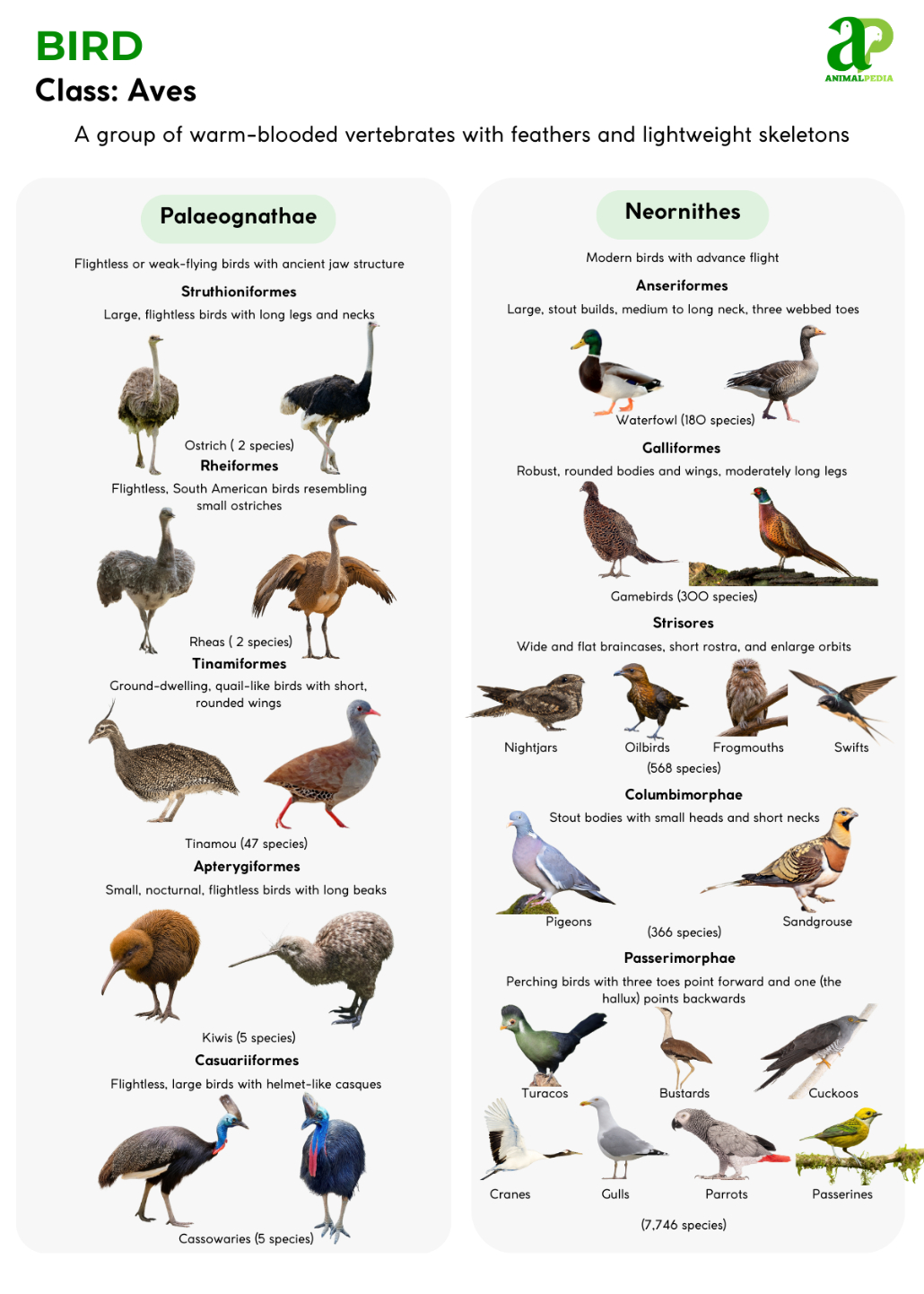
Credit: animal-pedia.org
Frequently Asked Questions
What Is The Largest Perching Bird In The World?
The largest perching bird is the Andean condor. It has a wingspan up to 10 feet and weighs around 33 pounds. This bird is famous for soaring over South American mountains with ease.
How Big Can The Largest Perching Bird Grow?
The Andean condor can reach up to 4. 3 feet in length. Its wingspan can stretch up to 10 feet wide. This size helps it glide long distances while searching for food.
Where Can The Largest Perching Bird Be Found?
The largest perching bird, Andean condor, lives mainly in South America’s Andes mountains. It thrives in high-altitude environments and open grasslands.
What Makes The Largest Perching Bird Unique?
The Andean condor is unique due to its massive wingspan and soaring ability. It can glide for hours without flapping its wings, saving energy.
Conclusion
Understanding the largest perching bird is fascinating. The common raven holds this title. These birds are known for their intelligence. They adapt well to different environments. Ravens have glossy black feathers. Their wingspan is impressive. It can reach up to four feet.
Observing them is a treat. They display clever behavior. So, next time you see one, take a moment. Appreciate their grandeur and wit. Nature’s marvels truly amaze us. Learning about them enriches our knowledge. Always stay curious about the world around you.