

Have you ever been outside at dusk and heard a mysterious, rhythmic call that seems to echo through the trees? That haunting sound might just be the whip-poor-will bird.
If you’ve ever wondered what makes this bird’s call so unique and why it captures the attention of so many nature lovers, you’re in the right place. By understanding the whip-poor-will bird sound, you’ll not only sharpen your listening skills but also deepen your connection with the natural world around you.
Keep reading, and soon you’ll recognize this special call wherever you go.
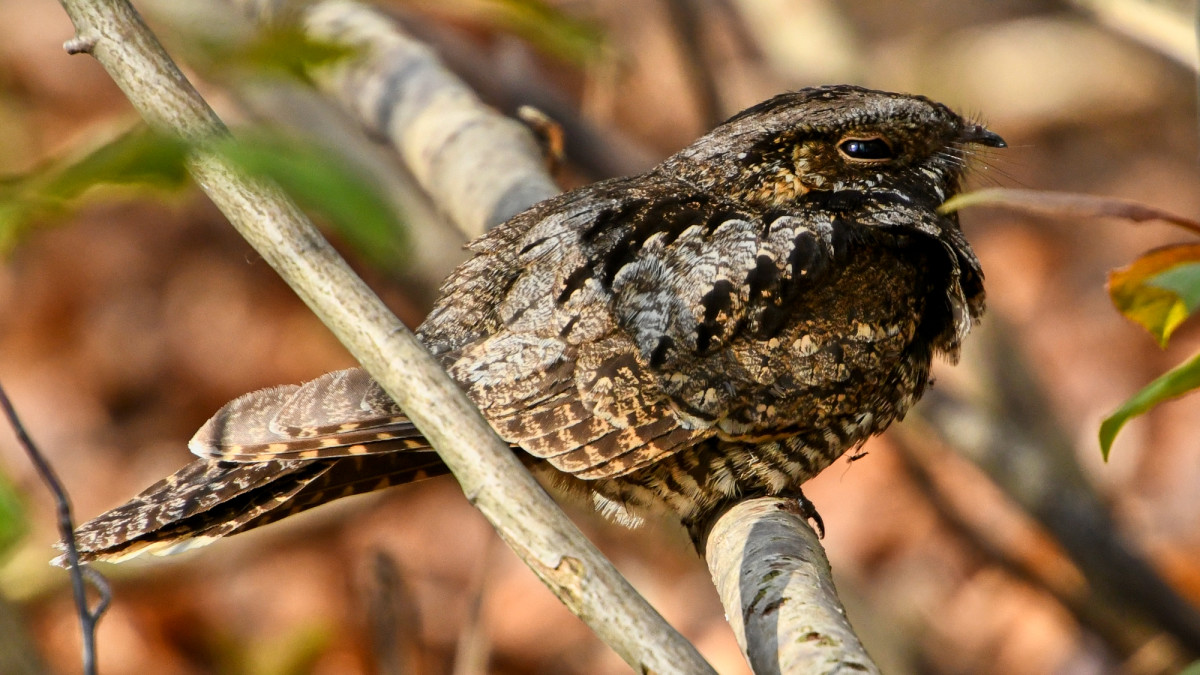
Credit: pethelpful.com
Whip-or-will Habitat
The Whip-Or-Will is a nocturnal bird known for its distinctive call. It lives in specific habitats that suit its lifestyle and needs.
Understanding the habitat helps protect this bird and supports its survival in the wild.
Preferred Environments
Whip-Or-Wills prefer open woodlands with lots of leaf litter on the ground. They need areas where they can hide and hunt at night.
They often choose places with mixed forests and clearings. These spots have enough insects for food and safe places to rest.
- Open woodlands with sparse underbrush
- Mixed deciduous and conifer forests
- Areas with thick leaf litter on the forest floor
- Clearings and edges of forests
Geographic Range
The Whip-Or-Will lives mainly in North America. It breeds in the eastern and central parts of the United States and Canada.
During winter, it migrates to the southern United States, Mexico, and Central America to find warmer climates.
- Breeding range: Eastern and Central USA, Southern Canada
- Winter range: Southern USA, Mexico, Central America
Distinctive Calls
The Whip-Or-Will bird is known for its unique and haunting calls. These sounds are easy to recognize in the quiet evening or night.
Bird watchers often listen for the Whip-Or-Will’s calls to spot it in dense forests. The calls help the bird communicate with others nearby.
Whip-or-will Song Characteristics
The Whip-Or-Will’s song is a series of clear, sharp notes. It starts with a quick "whip" sound, followed by a soft, rolling "or-will".
The song repeats several times in a row. It sounds like “whip, whip, whip-or-will.” This pattern helps birds find each other at night.
- Starts with a sharp “whip” sound
- Follows with a smooth “or-will” phrase
- Repeats the call several times
- Often heard during dusk and nighttime
Comparison With Similar Birds
Some birds have calls that sound like the Whip-Or-Will. The Common Nighthawk and Chuck-will’s-widow are two examples.
The Common Nighthawk makes a nasal, sharp call. The Chuck-will’s-widow’s call is slower and less sharp than the Whip-Or-Will’s.
- Whip-Or-Will:sharp “whip” followed by “or-will”
- Common Nighthawk:nasal, “peent” call
- Chuck-will’s-widow:slower, rolling call
Behavior At Night
The Whip-Or-Will bird is mostly active during the night. It uses the dark to search for food and communicate.
This bird blends into its environment well at night. Its behavior helps it avoid predators and find mates.
Nocturnal Activity Patterns
The Whip-Or-Will hunts mainly after sunset and before sunrise. It flies low to catch moths and insects.
During the night, it rests quietly in trees or on the ground. It moves slowly to stay hidden from danger.
- Active mostly from dusk to dawn
- Hunts flying insects at night
- Rests in camouflaged spots during the day
- Flies low and silently to catch prey
Communication Through Calls
The Whip-Or-Will uses its unique call to talk at night. Its sound helps find other birds and mark territory.
The call is a sharp "whip" followed by a soft "will". This pattern repeats and can be heard for long distances.
- Calls mostly during dark hours
- Used to attract mates and warn rivals
- Sound travels well in quiet night air
- Call pattern: sharp "whip" then soft "will"

Credit: medium.com
Cultural Significance
The Whip-Or-Will bird is known for its unique call that echoes in the night. Its sound has inspired many stories and traditions in different cultures.
People often hear the Whip-Or-Will’s call and feel connected to nature. This bird's sound holds a special place in cultural history.
Folklore And Myths
Many folk tales say the Whip-Or-Will is a messenger between worlds. Its call is sometimes seen as a sign from spirits or ancestors.
Some Native American tribes believed the bird’s call warned of change or danger. Others thought it brought good luck or guided lost travelers.
- Whip-Or-Will’s call signals important events
- Seen as a bridge between life and spirit worlds
- Thought to protect or warn people in stories
Role In Literature And Music
Writers often use the Whip-Or-Will’s sound to set a mood. It appears in poems and stories to create mystery or calm.
Musicians include the bird’s call in songs to add a natural, peaceful feel. Its sound inspires many artists in different ways.
- Symbol of night and quiet in poetry
- Used in songs for natural and soft sounds
- Inspires artists to connect with nature
Tips For Listening
The Whip-Or-Will bird has a unique and soft call. Listening closely helps you enjoy its sound fully.
Use quiet places and focus your hearing to catch the bird’s calls clearly.
Best Times To Hear Calls
Whip-Or-Will birds call mostly at dawn and dusk. These are the best times to listen.
They are more active on warm, calm evenings without strong wind or rain.
- Early morning, just before sunrise
- Evening, just after sunset
- Warm and still nights in spring and summer
Ideal Locations For Birdwatching
Whip-Or-Will birds live in open woodlands and forest edges. These areas are good for listening.
Look for places with low underbrush and patches of clear ground where they like to rest.
- Mixed forests with open spaces
- Clearings near dense woods
- Roadsides or trails in forested areas

Credit: www.youtube.com
Conservation Efforts
The Whip-Or-Will bird has a unique call heard during warm nights. It lives in forests and open woodlands. Protecting this bird is important to keep nature balanced.
Conservation helps keep their homes safe. It also helps their numbers grow. Many groups work to save the Whip-Or-Will and its habitat.
Threats To Whip-or-will
Whip-Or-Wills face many dangers. Their homes are lost when forests are cut down. This reduces places where they can nest and find food.
Light pollution from cities confuses these birds. It can change their hunting habits at night. Predators and human activities also harm their survival.
- Loss of forest habitat
- Light pollution affecting night behavior
- Increased predators like cats and raccoons
- Human disturbance during nesting
Protective Measures
Protecting forests helps keep Whip-Or-Will homes safe. Limiting night lights near their habitats reduces confusion. This lets them hunt and call freely.
People can help by keeping cats indoors. Avoiding loud noises near nesting areas also protects the birds. Groups plant trees and monitor bird populations.
- Preserve and restore forest areas
- Reduce artificial lighting at night
- Keep pets indoors to lower predator risks
- Limit noise and human activity near nests
- Support tree planting and habitat programs
Frequently Asked Questions
What Does The Whip-or-will Bird Sound Like?
The Whip-Or-Will bird has a distinctive call. It sounds like a soft, rhythmic “whip” followed by a “will” tone. This unique sound helps identify the bird at night in wooded areas.
When Is The Whip-or-will Bird Most Vocal?
Whip-Or-Will birds are most vocal during dusk and dawn. They use their calls to communicate and attract mates in low light conditions. Their sounds are often heard in spring and early summer.
Where Can I Hear The Whip-or-will Bird Call?
You can hear Whip-Or-Will calls in forests, woodlands, and rural areas. They prefer habitats with dense cover and open ground. Listening during twilight increases the chances of hearing their unique song.
Why Is The Whip-or-will Bird Sound Important?
The Whip-Or-Will sound is crucial for mating and territory defense. It helps the bird communicate with others of its kind. Birdwatchers use the call to locate these elusive, nocturnal birds.
Conclusion
The whip-poor-will’s call is unique and easy to recognize. Its sound fills quiet forests at dusk and dawn. Many people enjoy hearing this bird’s song in nature. Listening closely helps you connect with the outdoors. Try to spot the bird while hearing its call.
The whip-poor-will reminds us of peaceful, natural moments. Keep your ears open on warm spring nights. Nature’s sounds bring calm and wonder to our lives.


