If you have a White Bird of Paradise plant, you know how stunning it looks with its bright, exotic flowers and bold leaves. But keeping it healthy and vibrant can feel tricky if you don’t know the right care tips.
What if you could easily grow this tropical beauty in your home or garden, watching it thrive and bloom year after year? You’ll discover simple steps to make your White Bird of Paradise flourish. By the end, you’ll have the confidence and know-how to bring out the best in your plant—and enjoy its breathtaking charm every day.
Keep reading to unlock the secrets of White Bird of Paradise care!
Plant Description
The White Bird of Paradise is a striking tropical plant. It adds beauty with its unique flowers and lush leaves.
People grow it indoors and outdoors. It needs care to stay healthy and bloom well.
Appearance And Features
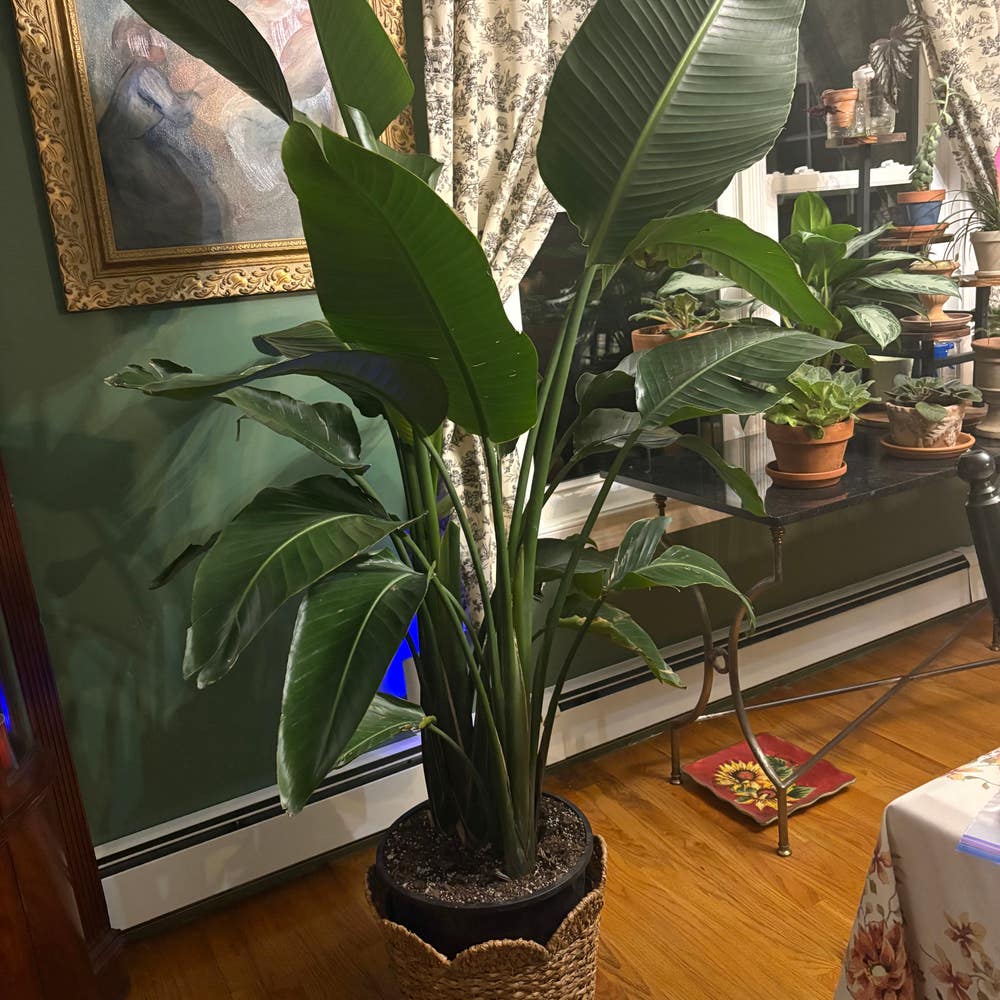
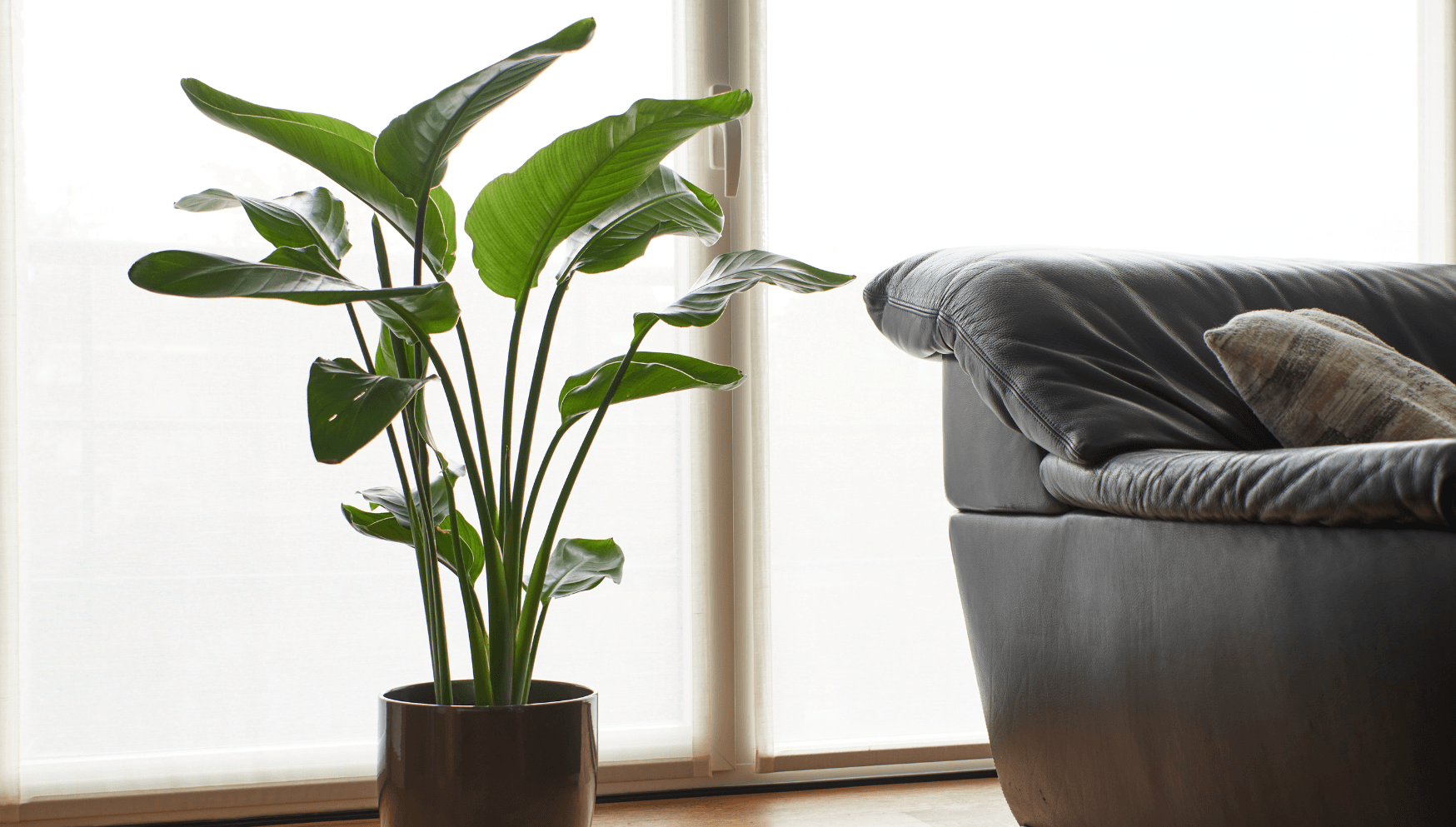
This plant has large, paddle-shaped leaves that are deep green. Its flowers look like white birds in flight.
The flowers have long white petals and bright orange stamens. They can grow up to 6 inches long.
- Leaves can grow up to 3 feet long
- Flowers bloom mostly in spring and summer
- Stems are thick and sturdy
- Plant can reach up to 6 feet tall
Native Habitat
The White Bird of Paradise comes from South Africa. It grows well in warm, tropical climates.
It prefers well-drained soil and plenty of sunlight. The plant thrives in areas with mild winters.
- Found in coastal regions of South Africa
- Grows in sandy, fertile soil
- Needs full to partial sunlight
- Does not tolerate frost well
Credit: plnts.com
Light Requirements
The White Bird of Paradise plant needs the right light to grow well. Light affects its leaves and flowers.
Giving this plant the correct light helps it stay healthy and bloom beautifully.
Ideal Light Conditions
The White Bird of Paradise thrives in bright, indirect light. It can handle some direct sun but not all day.
Morning sun or filtered light is best. Avoid harsh afternoon sun that can burn the leaves.
- Bright indirect light is ideal
- Morning sun is gentle and helpful
- Use a sheer curtain to filter strong light
- Avoid long periods of direct afternoon sun
Effects Of Too Much Or Too Little Light
Too much light can burn the leaves and cause brown spots. The plant may dry out faster.
Too little light makes the plant grow slowly. Leaves may turn yellow and flowers might not open.
- Too much light causes leaf burns and brown edges
- Leaves may curl or dry out with excess sun
- Too little light slows growth and causes yellow leaves
- Flowering decreases without enough light
Watering Needs
The White Bird of Paradise is a tropical plant that needs regular watering. It likes moist soil but not soggy.
Proper watering helps the plant grow strong and stay healthy.
Watering Frequency
Water the plant deeply once a week during warm months. Reduce watering in winter when growth slows down.
Check the top inch of soil before watering. If it feels dry, it is time to water again.
Signs Of Overwatering And Underwatering
Overwatering causes yellow leaves and root rot. The soil stays wet for too long, harming the plant.
Underwatering leads to dry, brown leaf edges and wilting. The plant looks tired and weak.
- Overwatering signs:Yellow leaves, soft stems, moldy soil
- Underwatering signs:Brown leaf tips, dry soil, drooping leaves

Credit: www.reddit.com
Soil And Potting
The White Bird of Paradise plant needs the right soil and pot to grow well. Good soil helps the roots get air and water. The pot should have holes for drainage.
Choosing the right soil and repotting the plant at the right time keeps it healthy and strong.
Best Soil Types
This plant likes soil that drains well but still holds moisture. A mix that is light and airy works best.
Use soil that has good nutrients and lets water flow through easily. Avoid heavy clay soils.
- Use potting mix with peat moss or coco coir for moisture retention
- Add perlite or sand to improve drainage
- Mix in some compost for nutrients
- Make sure soil is loose and not compacted
Repotting Tips
Repot the plant every 2 to 3 years or when roots grow out of the pot. Choose a pot 2 inches bigger in diameter than the current one.
Use fresh soil when repotting. Gently loosen the roots and place the plant in the new pot. Water after repotting to help the plant settle.
- Pick a pot with drainage holes
- Remove old soil from roots carefully
- Fill the new pot with fresh soil mix
- Place the plant in the center and fill around roots
- Water the plant well after repotting
Temperature And Humidity
The White Bird of Paradise plant needs the right temperature and humidity to grow well. These factors affect its leaves and flowers.
Keeping the environment stable helps the plant stay healthy and strong.
Optimal Temperature Range
The ideal temperature for White Bird of Paradise is warm but not hot. It grows best in mild conditions.
Temperatures that are too low or too high can harm the plant’s leaves and slow growth.
- Daytime: 65°F to 75°F (18°C to 24°C)
- Nighttime: 50°F to 60°F (10°C to 16°C)
- Avoid temperatures below 45°F (7°C)
- Protect from cold drafts and sudden drops
Humidity Preferences
White Bird of Paradise likes moderate to high humidity. Dry air can cause leaf edges to brown.
Increasing humidity helps the plant stay healthy and keeps leaves shiny.
- Ideal humidity: 60% to 80%
- Use a humidifier if air is very dry
- Group plants together to raise humidity
- Mist leaves regularly but avoid water sitting on leaves
Fertilizing Schedule
White Bird of Paradise plants need regular feeding to grow well. Proper fertilizing helps keep leaves green and flowers bright.
It is important to use the right fertilizer and feed the plant at the right times. This keeps the plant healthy all year.
Recommended Fertilizers
Use a balanced fertilizer with equal parts nitrogen, phosphorus, and potassium. A common ratio is 10-10-10 or 20-20-20.
Slow-release fertilizers work well for White Bird of Paradise. You can also use liquid fertilizers diluted in water.
- Balanced NPK fertilizer (10-10-10 or 20-20-20)
- Slow-release granular fertilizer
- Water-soluble liquid fertilizer for quick feeding
Feeding Frequency
Feed your White Bird of Paradise every 4 to 6 weeks during the growing season. This is usually spring through summer.
In fall and winter, reduce feeding to once every 2 to 3 months. The plant grows slower in cooler months.
- Spring and summer: every 4 to 6 weeks
- Fall and winter: every 2 to 3 months
- Always follow fertilizer package instructions
Pruning And Maintenance
The White Bird of Paradise is a beautiful plant that needs regular care. Pruning helps keep it healthy and looking good.
Proper maintenance includes removing old leaves and trimming the plant at the right time. This supports new growth.
When To Prune
Prune your White Bird of Paradise in late winter or early spring. This is before new growth starts.
Cutting at this time helps the plant stay strong and grow fresh leaves and flowers.
- Choose a dry day for pruning
- Use clean, sharp tools
- Remove only old or damaged stems
Removing Dead Leaves
Check the plant often for dead or yellow leaves. These can be removed any time of year.
Removing dead leaves keeps the plant healthy and reduces pests and diseases.
- Pull leaves gently from the base
- Cut leaves if they do not come off easily
- Dispose of dead leaves away from the plant

Credit: www.reddit.com
Common Problems
The White Bird of Paradise is a beautiful plant that needs care. It can face some problems that affect its health.
Knowing these issues helps you keep your plant strong and growing well.
Pests To Watch For
This plant can attract pests that harm its leaves and stems. Watch your plant closely to spot bugs early.
Common pests include spider mites, aphids, and scale insects. These bugs suck sap and can cause yellow spots.
- Spider mites create tiny webs and cause leaf damage
- Aphids gather on new growth and leave sticky residue
- Scale insects look like small bumps on stems and leaves
Disease Prevention
Diseases can harm the White Bird of Paradise if you do not take care. Most problems come from too much water or poor air flow.
To keep diseases away, water the plant only when the top soil is dry. Avoid wetting the leaves to stop fungus growth.
- Use well-draining soil to prevent root rot
- Place the plant in a spot with good air circulation
- Remove dead or yellow leaves quickly
- Clean your tools before cutting or pruning
Propagation Methods
White Bird of Paradise plants grow well with proper care. Propagation helps you create new plants from the original one. There are two main ways to propagate this plant.
Each method has its own steps and care needs. Understanding these will help you grow healthy new plants.
Division Technique
Division is a common way to propagate White Bird of Paradise. It involves separating a mature plant into smaller sections. Each section should have roots and leaves.
Do this in spring or early summer for best results. Use a sharp knife or garden spade to divide the plant carefully. Plant the divisions in fresh soil and water well.
- Remove the plant from its pot or ground
- Gently shake off excess soil
- Cut the root ball into sections
- Ensure each section has roots and shoots
- Plant each division in new pots or soil
- Water the new plants thoroughly
Growing From Seeds
Growing White Bird of Paradise from seeds takes more time. Seeds need warm and moist conditions to sprout. Soak seeds in water for 24 hours before planting.
Plant seeds in well-draining soil. Keep the soil moist but not soggy. Place the seed pots in a warm spot with indirect sunlight. Germination can take several weeks.
- Soak seeds in warm water for 24 hours
- Use a seed tray with light, well-draining soil
- Plant seeds about 1 inch deep
- Keep soil moist but not waterlogged
- Place in a warm area with indirect light
- Be patient; seeds may take 3 to 8 weeks to sprout
Seasonal Care Tips
The White Bird of Paradise is a tropical plant that needs special care during different seasons.
Adjusting your care routine helps the plant stay healthy and grow well all year long.
Winter Care
In winter, the White Bird of Paradise grows slowly and needs less water.
Keep it in a warm place away from cold drafts and frost.
- Water only when the top inch of soil feels dry
- Keep temperature above 50°F (10°C)
- Reduce feeding to once every 6 weeks
- Place near a window for light but avoid direct cold air
Summer Adjustments
During summer, the plant grows quickly and needs more water and sunlight.
Make sure to protect it from very strong afternoon sun to avoid leaf burn.
- Water regularly to keep soil moist but not soggy
- Feed every 2 weeks with a balanced fertilizer
- Move to a spot with bright, indirect sunlight
- Increase humidity by misting or using a humidifier
Frequently Asked Questions
How Often Should I Water White Bird Of Paradise?
Water your White Bird of Paradise once a week during growing season. Keep soil moist but not soggy. Reduce watering in winter to prevent root rot.
What Light Conditions Does White Bird Of Paradise Need?
White Bird of Paradise thrives in bright, indirect light. It tolerates some direct sunlight but avoid harsh afternoon sun to prevent leaf burn.
How Do I Fertilize White Bird Of Paradise?
Feed your plant every 2-4 weeks during spring and summer. Use a balanced, water-soluble fertilizer diluted to half strength for best results.
What Temperature Is Ideal For White Bird Of Paradise?
Maintain indoor temperatures between 65°F to 70°F (18°C to 21°C). Avoid cold drafts and temperatures below 50°F (10°C) to keep the plant healthy.
Conclusion
Caring for the White Bird of Paradise is rewarding and simple. Provide ample light, and watch it thrive. Water regularly, but avoid soggy soil. Fertilize during growing seasons for lush leaves. Keep an eye on pests, and address them promptly.
Clean leaves gently to maintain their shine. Remember, patience is key for growth. With the right care, your plant will flourish beautifully. Enjoy the vibrant presence it brings to your home. Happy gardening!