

Have you ever wondered why flowers that attract birds usually have long, tube-shaped petals? It’s not just a random design—there’s a fascinating reason behind it that connects the flower’s shape to the bird’s role in pollination.
Understanding this connection can change the way you see nature’s clever partnerships. If you’re curious about how flowers and birds work together so perfectly, keep reading. You’ll discover how this unique shape benefits both the flower and the bird, and why it’s an essential part of their survival.
Role Of Flower Shape In Pollination
Flower shape helps guide pollinators to the nectar and pollen. Different shapes suit different pollinators.
Long tube flowers often attract birds. These shapes match the bird’s beak and feeding style.
Adaptations For Bird Pollinators
Bird pollinated flowers have long tubes to fit bird beaks. Birds reach nectar deep inside the flower.
These flowers usually have bright colors and strong scents. Birds can see red and orange well.
- Long tube shape fits bird’s long beak
- Bright colors attract birds
- Strong nectar rewards encourage visits
- Sturdy petals support bird landings
Comparison With Insect-pollinated Flowers
Insect-pollinated flowers are often small and open. They fit the size and shape of insects.
These flowers use scents and patterns to guide insects. Their tubes are shorter than bird flowers.
- Short tubes for insect tongues
- Different colors like blue and yellow
- Sweet scents to attract insects
- Landing platforms for insects
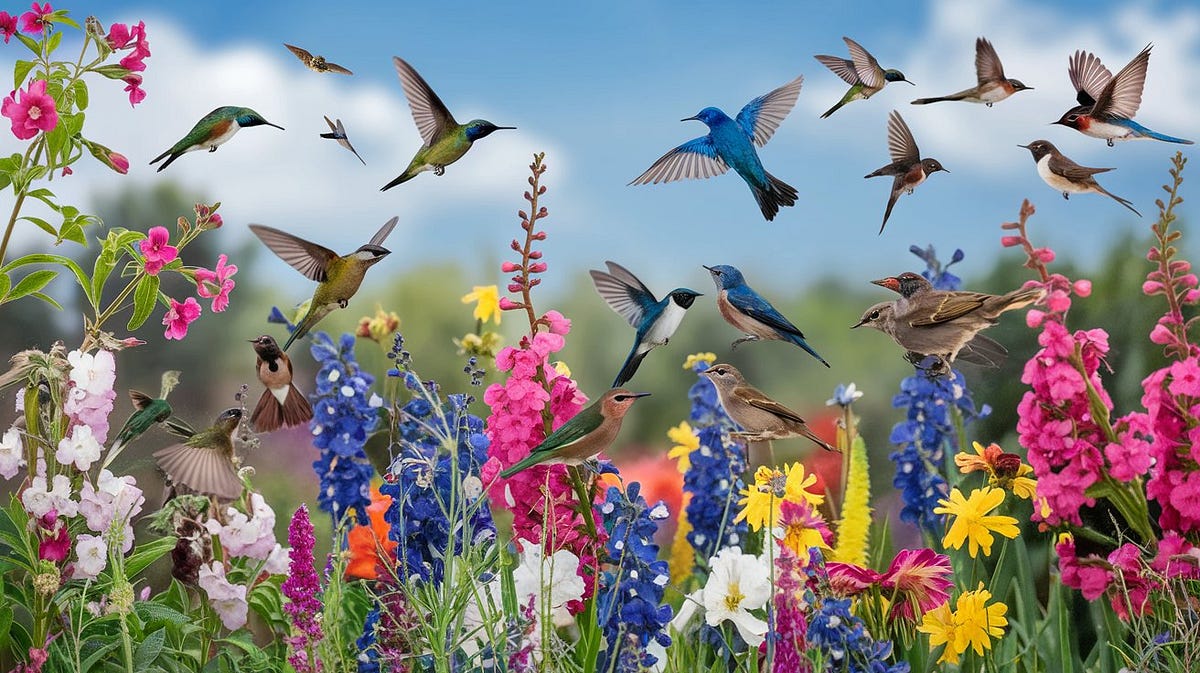
Credit: medium.com
Bird Anatomy And Flower Interaction
Bird-pollinated flowers often have long tubes. This shape fits well with the birds’ bodies. The flowers and birds work together for pollination.
Birds use their beaks to reach nectar deep inside flowers. The flower shape matches the bird’s feeding style and beak form.
Beak Shape And Length
Birds have different beak shapes and sizes. Long, slender beaks can reach nectar inside long flower tubes. Short or thick beaks cannot reach deep nectar.
- Hummingbirds have long, thin beaks perfect for tubular flowers.
- Sunbirds also have curved, narrow beaks suited for deep flowers.
- Honeycreepers use long beaks to reach nectar in long tubes.
- Birds with short beaks prefer open or shallow flowers.
Feeding Behavior Of Birds
Birds feed by inserting their beaks into flowers to sip nectar. This action helps pollen stick to their heads or beaks. The pollen moves to the next flower they visit.
| Bird Type | Feeding Style | Flower Preference |
| Hummingbird | Hover and probe deeply | Long tubular flowers |
| Sunbird | Perch and reach inside | Curved tubular flowers |
| Honeycreeper | Probe while perched | Deep narrow flowers |
| Short-beaked birds | Peck or sip shallowly | Open or shallow flowers |
Benefits Of Long Tubular Flowers
Bird-pollinated flowers often have long tubes. These shapes help birds reach nectar easily. The tube shape also guides birds to touch the flower’s pollen.
This design supports both the bird and the flower in their pollination process. It makes sure the bird gets food and the flower spreads pollen well.
Efficient Nectar Access
Long tubular flowers store nectar deep inside. Birds with long beaks can reach the nectar without much effort. This shape keeps nectar safe from insects that cannot reach inside.
- Protects nectar from small insects
- Encourages visits from specific birds
- Reduces nectar waste
- Supports birds with long beaks
Pollination Accuracy
The long tube helps place pollen on a bird’s body in the right spot. This increases chances pollen will reach another flower. It avoids pollen being wasted on the wrong parts of the bird.
| Flower Feature | Pollination Benefit |
| Long tubular shape | Targets bird’s beak and head |
| Narrow opening | Limits access to certain birds |
| Deep nectar | Ensures bird reaches inside fully |
| Sticky pollen | Attaches well to bird feathers |

Credit: ag.purdue.edu
Evolutionary Advantages
Bird pollinated flowers often have long tubes. This shape helps both the flower and the bird. The flower can protect its nectar and pollen. The bird can reach food that other animals cannot.
These long tubes are not random. They formed over time through evolution. The shapes fit the needs of the birds that visit them. This helps plants spread their pollen better.
Selective Pressure From Birds
Birds prefer flowers that match their beak size and shape. Flowers with long tubes favor birds with long beaks. This creates a pressure on flowers to evolve longer tubes. Flowers that do not fit bird preferences get fewer visits.
- Long tubes protect nectar from insects.
- Birds with long beaks can reach nectar easily.
- Flowers attract specific bird species.
- Less nectar theft by non-pollinators.
Co-evolution Of Birds And Flowers
Birds and flowers change together over time. Birds evolve longer beaks to reach nectar. Flowers evolve longer tubes to match bird beaks. This helps both to survive and reproduce well.
| Feature | Bird Adaptation | Flower Adaptation |
| Beak/Tube Length | Longer beaks | Longer tubes |
| Nectar Access | Better nectar reach | Nectar deep inside tube |
| Pollination | Efficient pollen transfer | More targeted pollination |
| Species Fit | Specialized feeding | Attract specific birds |
Examples Of Bird-pollinated Flowers
Bird-pollinated flowers often have long tubes. These tubes hold nectar deep inside. Birds use their long beaks to reach the nectar.
The shape helps birds and flowers work well together. Only certain birds can reach the nectar. This makes pollination more effective.
Hummingbird-pollinated Species
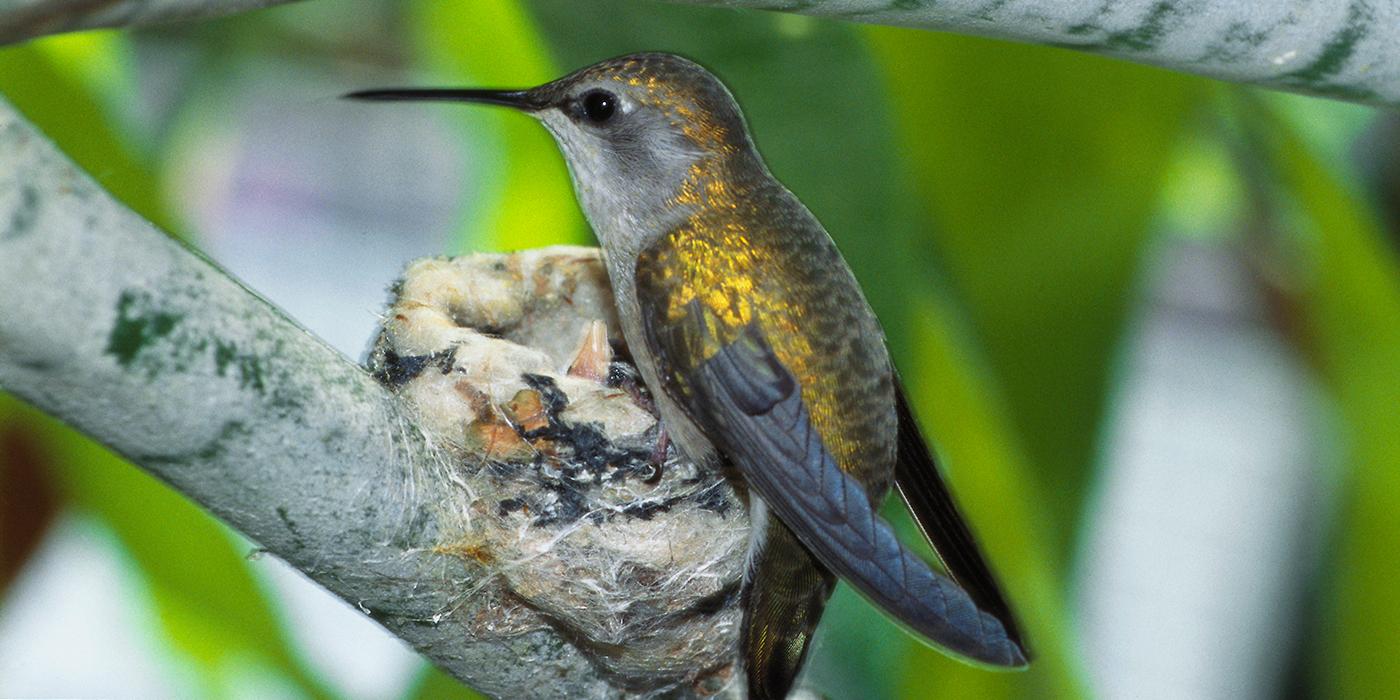
Hummingbirds have long, thin beaks. Flowers that hummingbirds visit usually have long tubular shapes. These tubes fit the bird’s beak perfectly.
These flowers are often bright red or orange. They produce a lot of nectar to attract hummingbirds.
- Trumpet Creeper (Campsis radicans)
- Cardinal Flower (Lobelia cardinalis)
- Hummingbird Mint (Agastache spp.)
- Fuchsia (Fuchsia spp.)
- Salvia (Salvia spp.)
Sunbird And Honeyeater Flowers
Sunbirds and honeyeaters also have long beaks for deep flowers. Their flowers often have curved or straight long tubes. This shape helps birds reach the nectar inside.
These flowers usually have bright colors like red, yellow, or pink. They offer lots of nectar to attract these birds.
- Banksia species (Australia)
- Protea species (South Africa)
- Erythrina species (Coral Trees)
- Heliconia species (Tropical Americas)
- Grevillea species (Australia)
Credit: nationalzoo.si.edu
Environmental Factors Influencing Flower Shape
Bird-pollinated flowers often have long tubes. This shape helps birds reach nectar deep inside. The environment plays a big role in shaping these flowers.
Two main factors affect flower shape: habitat and climate, and the availability of pollinators. These factors guide how flowers evolve their long tubes.
Habitat And Climate Impact
Flowers in hot and dry places tend to have long tubes. These tubes protect nectar from drying out too fast. In moist environments, flower shapes may differ.
| Habitat Type | Climate Traits | Flower Shape Influence |
| Desert | Hot, dry | Long tubes to keep nectar safe |
| Rainforest | Humid, wet | Shorter tubes, open flowers |
| Mountain | Cool, windy | Long tubes to protect nectar from wind |
Availability Of Pollinators
Birds like hummingbirds have long beaks. Flowers with long tubes match these beaks. This match helps flowers get pollinated well.
- Birds prefer flowers with deep nectar
- Long tubes fit bird beaks better
- Tube length limits access to certain pollinators
- Flower shapes evolve to attract specific birds
Frequently Asked Questions
Why Do Bird-pollinated Flowers Have Long Tubes?
Bird-pollinated flowers have long tubes to accommodate birds’ beaks. This shape helps birds reach nectar deep inside. It also ensures pollen sticks to the bird, aiding effective pollination.
How Does Flower Tube Length Benefit Bird Pollination?
Long tubes guide birds to nectar, encouraging direct contact with reproductive parts. This increases pollen transfer efficiency and promotes cross-pollination between flowers.
What Types Of Birds Pollinate Long-tubed Flowers?
Hummingbirds, sunbirds, and honeyeaters commonly pollinate long-tubed flowers. These birds have long, slender beaks adapted to access nectar in deep floral tubes.
Do Long Flower Tubes Affect Other Pollinators?
Yes, long tubes often exclude short-tongued insects. This specialization benefits birds by reducing competition and improving pollination accuracy.
Conclusion
Bird pollinated flowers have unique long tubes. Why? This shape fits bird beaks perfectly. Birds reach nectar easily. This design helps flowers get pollinated. Long tubes protect nectar from other animals. This ensures birds visit often. Birds and flowers benefit each other.
Nature’s clever design is evident. Understanding this helps us appreciate nature’s wonders. It’s a fascinating world of mutual benefits. Observing these relationships deepens our connection to nature. Next time you see a bird with a flower, remember their special bond.
It’s nature’s way of ensuring beauty and life continue. A perfect partnership in the wild.



