Have you ever wondered why so many bird-pollinated flowers are bright red? It’s not just a random choice by nature.
These flowers use their vibrant color to catch the eyes of birds, helping them stand out in a sea of green leaves and other blooms. If you’re curious about how this clever color strategy works and why it matters to both birds and flowers, keep reading.
Understanding this can change the way you see the natural world around you—and maybe even inspire you to look closer at the flowers in your own garden.
Bird Attraction To Red Flowers
Birds are important pollinators for many flowers. These flowers often have bright red colors. The color helps birds find the flowers easily.
Red flowers stand out in nature. Birds use their sight to spot these flowers from far away. This helps flowers get pollinated well.
Bird Vision And Color Perception
Birds see colors differently than humans. They can see more colors, including ultraviolet light. This makes their color vision very sharp.
Red colors are easy for birds to see. Many birds have special cells in their eyes that detect red well. This helps them find food and flowers.
Red Flowers As Visual Signals
Red flowers send clear signals to birds. The bright red color tells birds that nectar is inside. This attracts birds to visit and pollinate the flower.
Red flowers often have shapes and patterns that guide birds. These signals help birds find nectar fast. The flowers and birds work together for pollination.
Credit: medium.com
Nectar Rewards And Pollination
Bird-pollinated flowers often show bright red colors. This attracts birds, which help spread pollen. Flowers offer nectar as a reward to birds.
Nectar is a sweet liquid that provides energy to birds. The flower’s color and shape help guide birds to the nectar. This makes pollination more effective.
High Energy Nectar For Birds
Birds need a lot of energy to fly and feed. Red flowers produce nectar with high sugar content. This gives birds the fuel they need quickly.
- Nectar contains simple sugars like sucrose, glucose, and fructose.
- High sugar levels help birds stay active and healthy.
- Birds visit flowers more often if nectar is rich in energy.
- Flowers that offer more nectar get better pollination results.
Flower Shapes Suited For Bird Pollinators
Bird-pollinated flowers have shapes that fit bird beaks. Tubular and trumpet shapes are common. These shapes hold nectar deep inside.
| Flower Shape | Bird Adaptation | Pollination Benefit |
|---|---|---|
| Tubular | Long, thin beaks reach nectar | Bird brushes pollen on head and beak |
| Trumpet | Wide opening for bigger birds | Easy access to nectar increases visits |
| Bell-shaped | Curved beaks fit shape | Pollen sticks to bird feathers |
Evolutionary Advantages Of Red Flowers
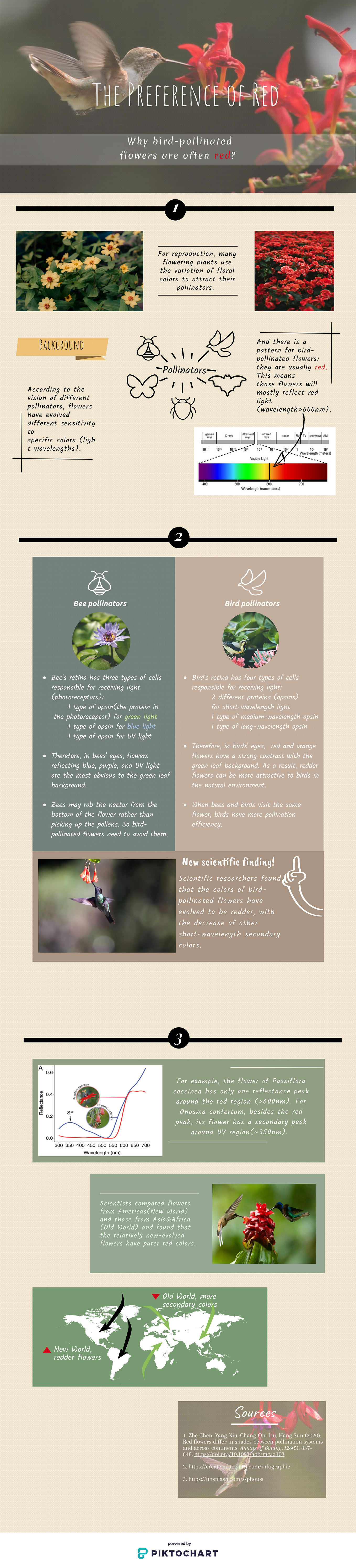
Bird-pollinated flowers often show bright red colors. This color helps plants get the right pollinators. Red flowers stand out to birds but are less visible to many insects.
Choosing red color gives flowers a better chance to spread their pollen. This choice helps plants survive and grow in nature.
Avoiding Insect Pollinators
Many insects cannot see red well. Red flowers avoid attracting insects like bees. This stops insects from taking nectar without helping pollination.
By avoiding insects, red flowers save nectar for birds. Birds are better pollinators for these plants. This helps flowers reproduce more effectively.
Selective Pollination Efficiency
Red flowers attract specific bird species. These birds visit many flowers of the same kind. This makes pollination more precise and efficient.
Selective pollination reduces pollen waste. Birds carry pollen directly between flowers. This increases the chance of plant reproduction success.
Credit: medium.com
Examples Of Red Bird-pollinated Flowers
Bird-pollinated flowers often have bright red colors. This color helps attract birds because many birds see red well. These flowers also produce nectar to feed the birds.
Red flowers stand out in nature and signal a good food source for birds. Many types of birds visit these flowers to drink nectar and spread pollen.
Hummingbird-pollinated Flowers
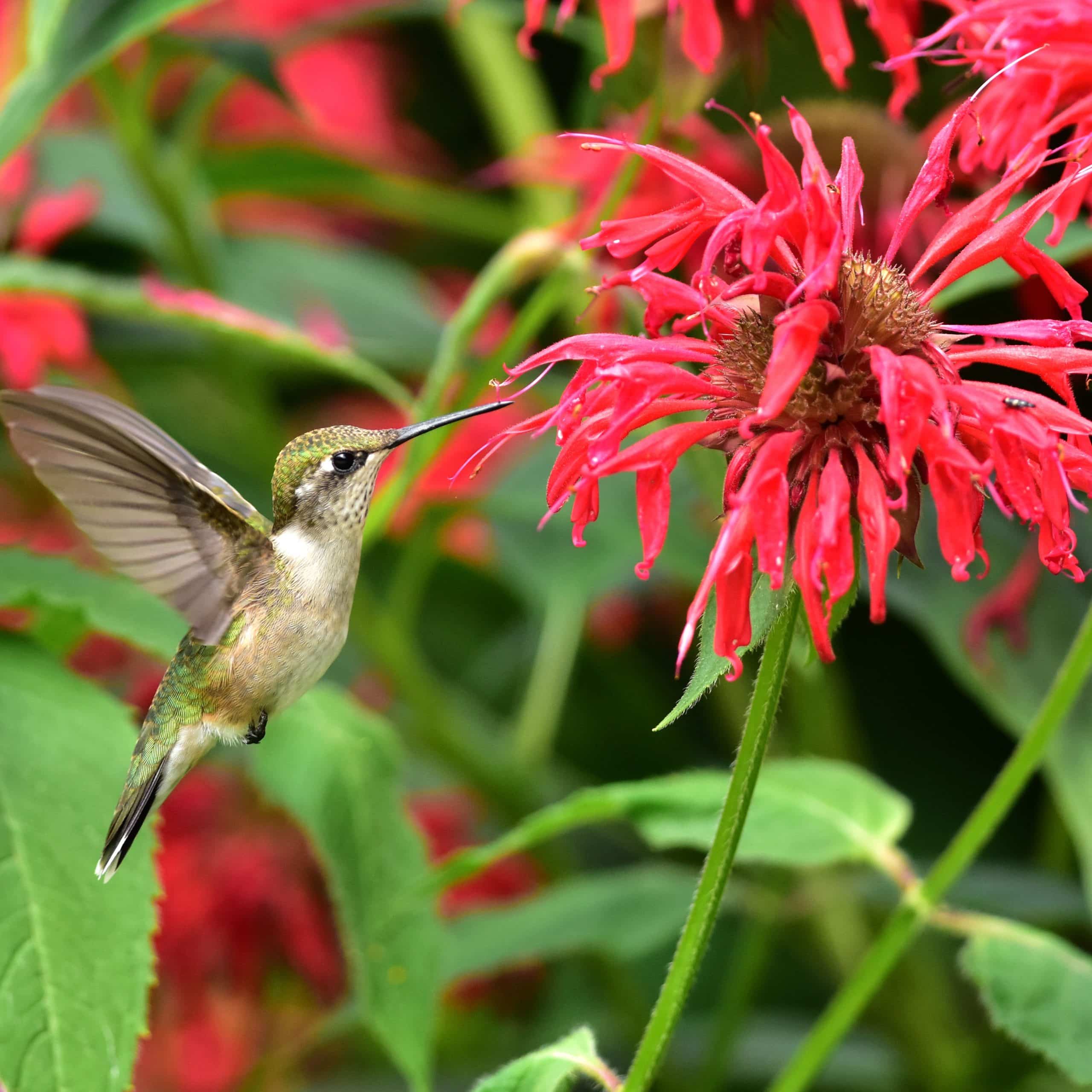
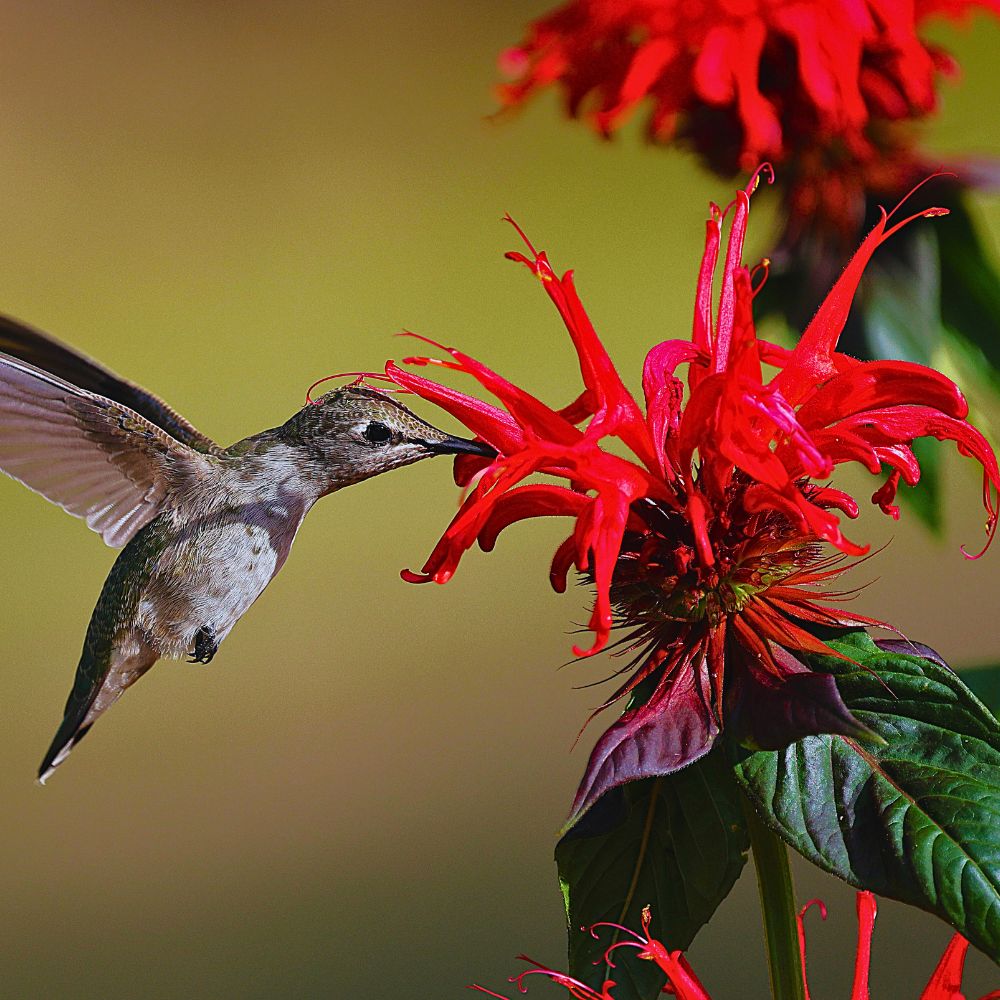
Hummingbirds love red flowers because they see red very clearly. The flowers usually have long shapes that fit the hummingbird’s beak. These flowers make lots of nectar for energy.
- Trumpet Vine (Campsis radicans)
- Cardinal Flower (Lobelia cardinalis)
- Hummingbird Mint (Agastache species)
- Red Salvia (Salvia splendens)
- Bee Balm (Monarda didyma)
These flowers are often tubular and bright red to attract hummingbirds. Their shape helps hummingbirds reach nectar deep inside the flower.
Other Bird Species And Their Favorite Flowers
Not only hummingbirds like red flowers. Other birds also visit red blooms for nectar and pollen. Some of these birds include sunbirds and honeycreepers.
- Sunbirds prefer flowers like Bottlebrush (Callistemon)
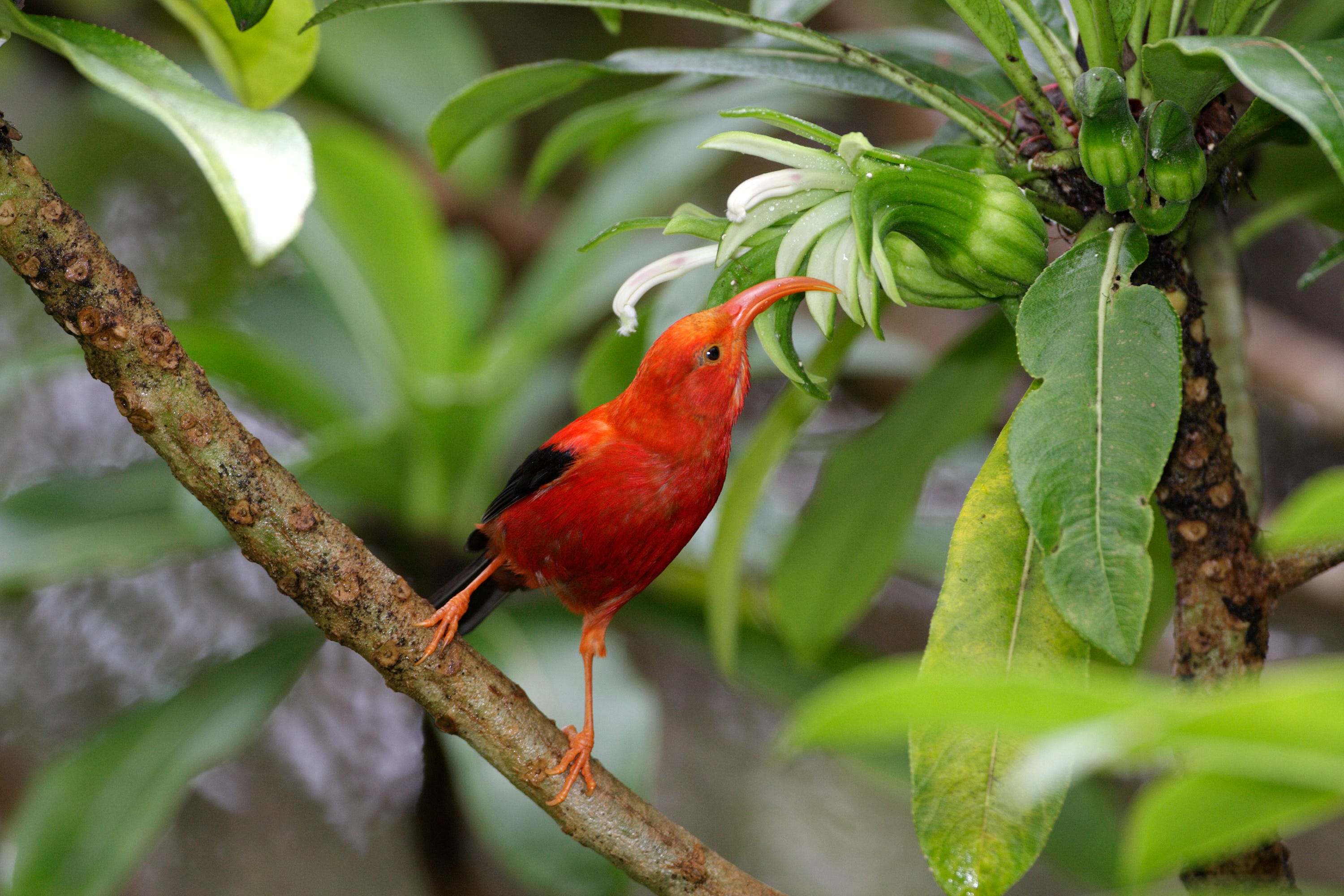
- Honeycreepers visit flowers like Hawaiian Ohia (Metrosideros polymorpha)
- Some tropical birds like the Scarlet Ibis pollinate red Heliconia flowers
- Orioles are attracted to red Trumpet Creepers
These birds help spread pollen while feeding. Red flowers are a strong signal to many bird species that nectar is available.
Ecological Impact Of Bird Pollination
Bird pollination helps many plants grow and spread. Birds carry pollen from one flower to another while feeding.
This process supports the health of ecosystems. It keeps plants alive and animals fed.
Plant Reproduction And Diversity
Birds help plants reproduce by moving pollen. This leads to new seeds and new plants.
Pollination by birds increases plant variety. Different plants create diverse habitats for animals.
- Birds carry pollen over long distances
- This spreads plant genes widely
- More genetic diversity means stronger plants
- Diverse plants support many wildlife species
Birds’ Role In Ecosystems
Birds are key players in nature. They pollinate flowers and help plants grow fruits and seeds.
Many animals depend on the plants that birds help pollinate. This creates a balanced ecosystem.
- Birds provide food for other animals
- They help keep plants healthy
- Bird pollination supports food chains
- Birds encourage plant growth in many areas
Credit: thursd.com
Frequently Asked Questions
Why Are Bird Pollinated Flowers Mostly Red?
Bird pollinated flowers are red because birds see red clearly. This color attracts birds more than other colors. Red flowers also signal high nectar rewards, encouraging birds to visit and pollinate them effectively.
How Does Red Color Help Bird Pollination?
Red flowers stand out to birds, which have good red color vision. This visibility helps birds locate flowers easily. Birds prefer red over other colors, making pollination more efficient for red flowers.
Do All Bird Pollinated Flowers Have Red Petals?
Not all bird pollinated flowers are red, but many are. Red is common because it attracts birds well. Some bird pollinated flowers may have orange or pink shades, but red remains dominant.
Why Don’t Bees Pollinate Red Flowers Often?
Bees can’t see red well, so they avoid red flowers. Bird pollinated flowers evolved red petals to attract birds, not bees. This helps reduce competition between birds and bees for nectar.
Conclusion
Red flowers attract birds with their vibrant color. Birds see red more clearly. Their vision is different from insects. Insects prefer blue or yellow. This color distinction helps flowers target specific pollinators. Red flowers often have no scent. Birds rely on sight more than smell.
This unique adaptation benefits both. Flowers get pollinated. Birds get nectar. It’s a perfect partnership in nature. Understanding this helps us appreciate biodiversity. Red flowers and birds share a special bond. Nature’s design is truly fascinating. It encourages us to protect these beautiful relationships.