Have you ever opened your bird seed only to find tiny worms crawling inside? It can be frustrating and a little gross, especially when you want to feed the birds in your yard.
You might wonder why are there worms in my bird seed and what it means for your feathered friends. Understanding why worms appear in your bird seed can help you keep it fresh and safe for the birds you love to watch. Keep reading, and you’ll discover simple reasons behind this problem and easy ways to stop it from happening again.
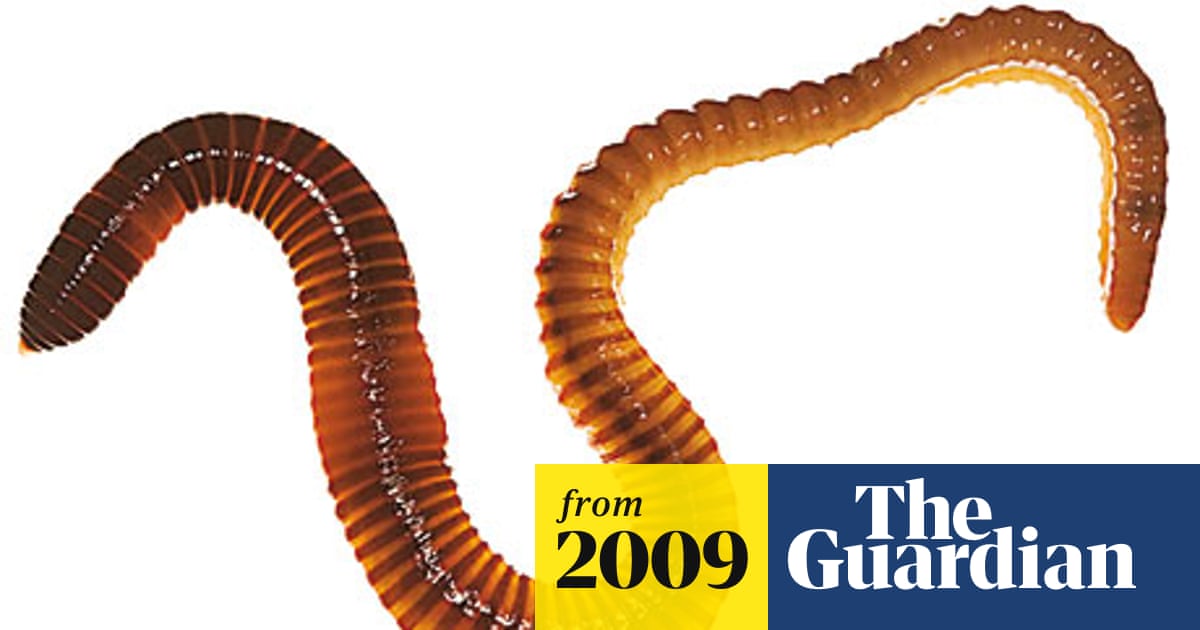
Credit: www.theguardian.com
Common Worm Types In Bird Seed
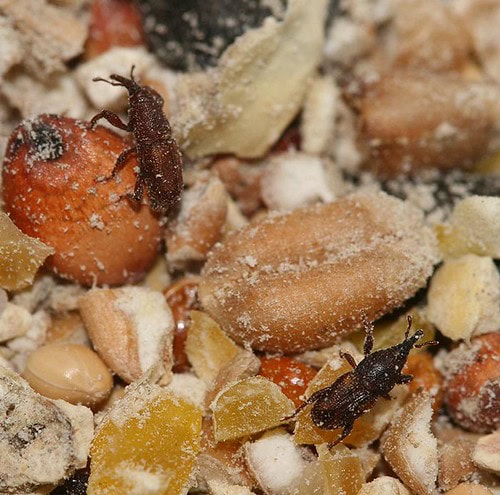
Finding worms in bird seed is a common problem for many bird lovers. These worms come from different insects that lay eggs in the seed. Once hatched, the larvae feed on the seeds and can cause damage.
Knowing which worms are present helps in managing and preventing infestations. Let’s explore the common types of worms found in bird seed.
Mealworms And Their Habits
Mealworms are the larvae of darkling beetles. They are long, thin, and light brown. These worms often grow in stored grains and bird seed.
Mealworms eat dry seeds and grains. They prefer warm and dark places to grow. They can multiply fast if seed bags are not sealed properly.
Grain Moths And Their Larvae
Grain moths lay eggs on bird seed bags. The eggs hatch into tiny white larvae. These larvae spin silk threads as they eat the seed.
Larvae can cause seed clumping because of their silk. They thrive in warm, moist conditions. Grain moths are a sign of poor seed storage.
Other Insect Larvae Found
Other insect larvae in bird seed include weevil and beetle larvae. These worms are usually small and white or cream-colored. They feed on the seed from the inside.
Weevils are common pests that bore into grains. Beetle larvae grow inside the seed and can damage large amounts quickly. Good seed storage helps avoid these pests.

Credit: drkilligans.com
Reasons Worms Appear In Bird Seed
Finding worms in your bird seed can be upsetting. These pests can harm the seeds and make them unsafe for birds.
Worms usually appear due to certain conditions related to moisture, storage, or seed quality. Understanding these reasons helps keep seed fresh and clean.
Moisture And Humidity Factors
Bird seed needs to stay dry. Moisture and high humidity create a perfect home for worms and other pests.
When seeds absorb water, they can start to mold and attract worms that feed on damp grains.
- Wet seed encourages worm growth
- High humidity causes condensation inside containers
- Seeds stored outside are more prone to moisture
Seed Storage Issues
Improper storage can let worms get into bird seed. Open bags or containers without tight lids allow pests to enter easily.
Storing seed for too long also increases the chance of worms developing inside the seed mix.
- Use airtight containers to keep pests out
- Store seed in a cool, dry place
- Check seed regularly and use it quickly
Contaminated Seed Sources
Worms can come from the seed itself. Some seed batches may already have insect eggs or larvae when you buy them.
Buying seed from unreliable sources can increase the risk of contamination and pests.
- Purchase seed from trusted sellers
- Look for clean, sealed packaging
- Inspect seed before storing or using it
Effects Of Worms In Bird Seed
Finding worms in your bird seed can be frustrating. These tiny pests can cause several problems for birds and the seed itself.
It is important to understand how worms affect bird health, seed quality, and other pests in your storage area.
Impact On Bird Health
Worms in bird seed can carry bacteria and parasites. Birds that eat infected seed may get sick.
Sick birds may lose weight, have weaker feathers, or stop eating. This harms their overall health and survival.
Seed Quality And Waste
Worms damage the bird seed by eating it and leaving waste behind. This lowers the seed’s quality and nutrition.
Seed with worms may clump together and grow mold. This makes it unsafe for birds and causes you to waste money.
- Worms eat seeds, reducing the amount available.
- Seed can become moldy from worm damage.
- Birds may reject worm-infested seed.
Attracting Other Pests
Worms in bird seed attract other pests like beetles, ants, and rodents. These pests also harm the seed supply.
Once pests find the seed, they can spread to other food areas and cause bigger problems in your home or garden.
- Beetles feed on worm-damaged seed.
- Ants are drawn to seed and worm waste.
- Rodents come for easy food sources.
Preventing Worm Infestation
Worms in bird seed can spoil the food and harm your birds. They grow quickly in warm, moist conditions. Preventing worm infestation keeps seed fresh and safe.
Good habits in storing seed, picking the right seed, and cleaning feeders stop worms from growing. These steps help keep your bird feeders clean and inviting.
Proper Seed Storage Tips
Store bird seed in cool, dry places. Moisture causes worms to hatch and multiply fast. Use airtight containers to keep pests out and keep seed fresh longer.
- Use sealed plastic or metal containers
- Keep seed off the ground and away from water
- Store in a shaded area to avoid heat
- Buy seed in small amounts to use quickly
Choosing Quality Bird Seed
High-quality seed has fewer husks and debris. Clean seed attracts fewer pests and worms. Check seed for signs of damage or mold before buying.
| Seed Type | Worm Risk | Tip |
| Sunflower Seeds | Low | Choose fresh, whole kernels |
| Millet | Medium | Buy in small amounts |
| Safflower | Low | Store in sealed containers |
| Mixed Seed | High | Check for mold and debris |
Regular Cleaning Of Feeders
Clean feeders often to stop worm eggs and larvae. Remove old seed and wash feeders with soap and water. Dry feeders fully before refilling.
- Empty feeders weekly
- Scrub with warm soapy water
- Rinse well to remove soap
- Air dry completely before adding seed
Easy Fixes For Worms In Seed
Finding worms in your bird seed can be frustrating. These pests often come from stored seeds that attract insects.
There are simple ways to get rid of worms and keep your bird seed fresh and safe for birds.
Freezing And Heating Methods
Freezing or heating bird seed can kill worms and their eggs. These methods stop pests without using chemicals.
To freeze, place the seed in a sealed bag and keep it in the freezer for a few days. For heating, spread the seed on a baking sheet and warm it in the oven at a low temperature for 30 minutes.
- Freeze seed for 3 to 4 days at 0°F (-18°C)
- Heat seed in oven at 120°F (49°C) for 30 minutes
- Make sure seed cools before feeding birds
Using Natural Deterrents
Natural deterrents help keep worms away from bird seed. These options are safe for birds and the environment.
You can add dried bay leaves or cinnamon sticks near the seed storage. These smells repel insects and stop them from laying eggs.
- Place dried bay leaves in seed containers
- Add cinnamon sticks around storage areas
- Keep storage dry and clean to prevent pests
Replacing Infested Seed
If your bird seed has many worms, it is best to replace it. Infested seed can harm birds and attract more pests.
Throw away old seed in sealed bags to stop worms from spreading. Buy fresh seed and store it in airtight containers to avoid new infestations.
- Dispose of infested seed in sealed bags
- Clean storage containers before refilling
- Use airtight containers to keep seed fresh
Maintaining A Worm-free Feeding Area
Worms in bird seed can make feeding time unpleasant. They grow in moist and old seeds. Keeping the feeding area clean stops worms from appearing.
Simple habits help keep birds safe and healthy. You can reduce worms by managing where and how you feed birds.
Feeder Placement Strategies
Place feeders in dry, sunny spots. Sunlight helps keep seeds dry and less likely to grow worms. Avoid shady or damp areas.
Keep feeders away from places where water collects. Wet seeds attract worms and other pests.
- Choose high, open areas with good air flow
- Use covered feeders to protect seeds from rain
- Move feeders if you see dampness or mold
Routine Inspection And Maintenance
Check feeders at least once a week. Look for wet or clumped seeds. Remove old or moldy seed right away.
Clean feeders with warm soapy water. Dry them fully before refilling. This stops worms from developing inside.
- Empty feeders before cleaning
- Scrub all parts including seed trays and perches
- Let feeders dry in the sun
- Refill only with fresh, dry seed
Seasonal Adjustments
Change your feeding habits with the seasons. Warm and wet seasons need more care to avoid worms.
During rainy months, check feeders more often. Use feeders with covers to keep seeds dry. In dry seasons, less cleaning may be needed.
- Spring and summer: clean feeders twice a week
- Fall and winter: clean feeders weekly
- Store extra seed in cool, dry places

Credit: www.reddit.com
Frequently Asked Questions
Why Do Worms Appear In My Bird Seed?
Worms appear in bird seed due to moisture and warmth. These conditions encourage insect eggs to hatch. Proper storage in dry, airtight containers can prevent infestation and keep seeds fresh for birds.
Are Worms Harmful To Birds Eating Infested Seed?
Generally, worms in bird seed are not harmful to birds. Birds often eat these larvae without issues. However, heavily infested seed may lose nutritional value and should be discarded to avoid health risks.
How Can I Prevent Worms In Bird Seed?
To prevent worms, store bird seed in cool, dry places. Use airtight containers to block moisture and pests. Regularly check and clean feeders to avoid attracting insects and larvae.
Can Old Bird Seed Cause Worm Infestation?
Yes, old bird seed is more likely to attract worms. Over time, moisture and warmth promote egg hatching. Using fresh seed and proper storage reduces the risk of infestation.
Conclusion
Worms in bird seed can be a common issue. They often come from infested storage. Keeping seed in cool, dry places helps prevent this. Always check packaging for holes or damage. Store bird seed in airtight containers. This keeps moisture and pests out.
Regular cleaning of feeders is crucial. It stops worm development in seed residue. Consider buying smaller seed quantities. This ensures freshness and reduces infestation chances. Happy bird watching with fresh, worm-free seed!