Have you ever wondered why some male birds shine brighter than others, especially in families plagued by more parasites? It might seem strange, but the answer reveals a surprising strategy hidden in nature.
When parasites threaten their health, these birds don’t just fight back—they glow with color. Understanding why brighter males appear in bird families with more parasites can change the way you see survival, attraction, and strength in the wild. Keep reading, and you’ll discover the fascinating link between parasites and dazzling feathers that scientists are eager to explain.
Your curiosity is about to take flight.
Bright Colors In Male Birds
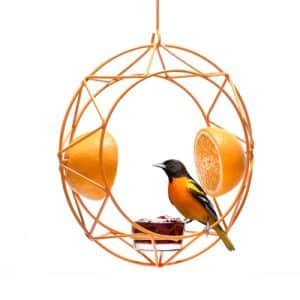
Male birds often have bright colors to attract mates. These colors can show their health and strength.
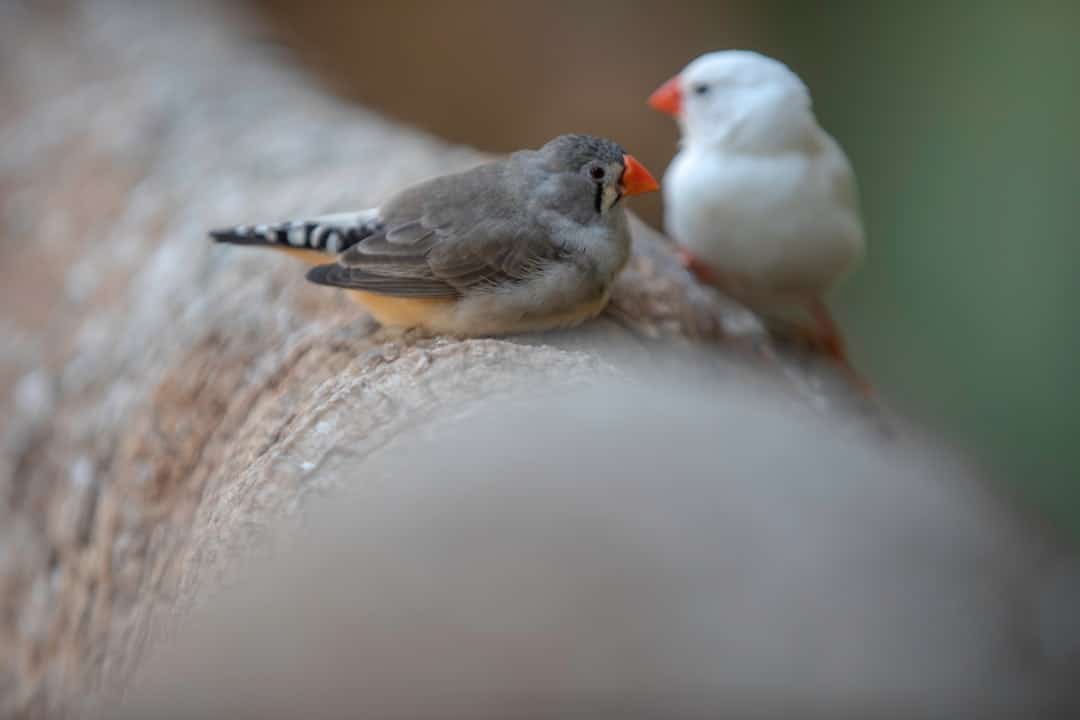
Bird families with more parasites tend to have males with brighter colors. This helps females pick strong partners.
Role Of Plumage In Mating
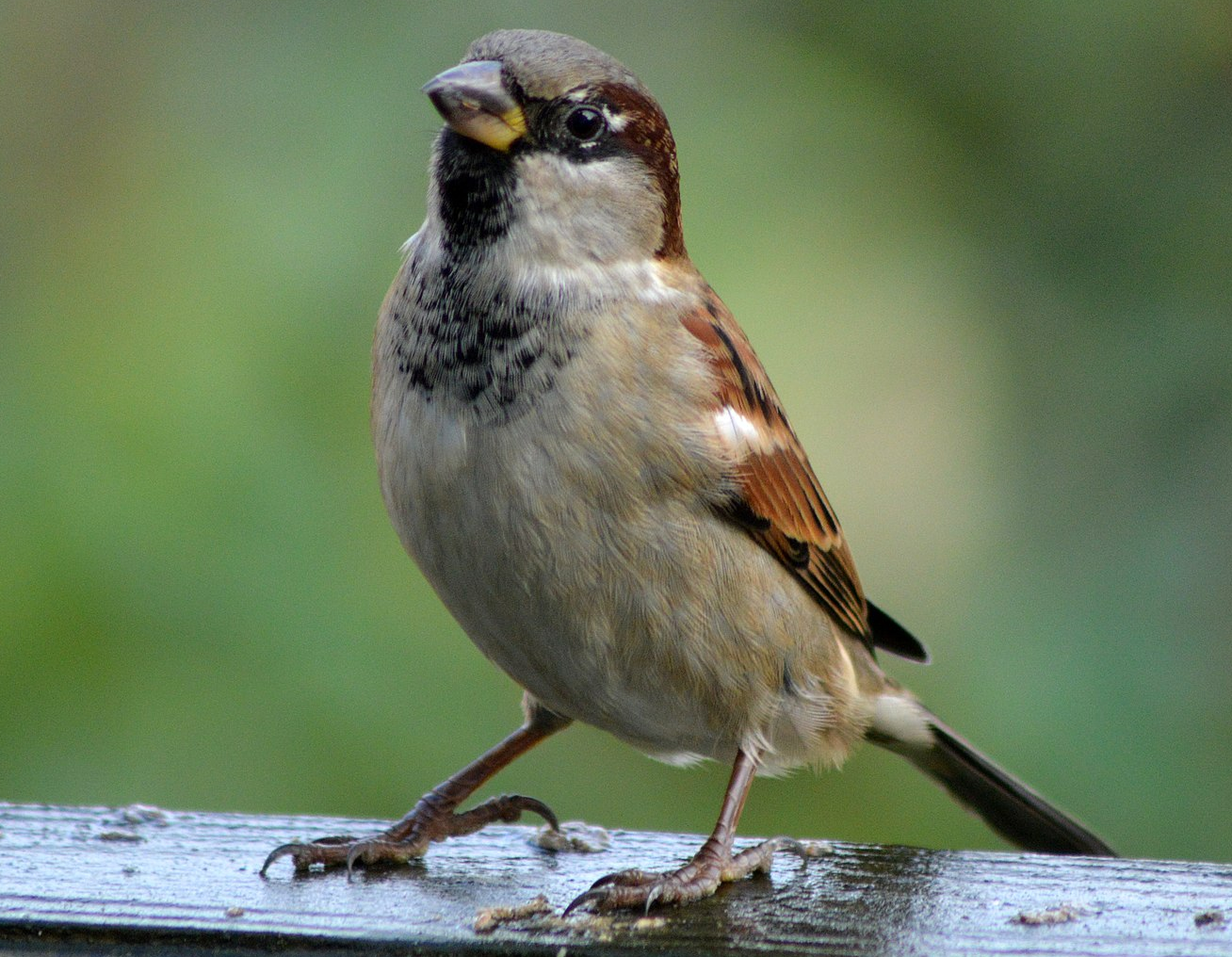
Bright plumage helps male birds stand out to females. It signals that the male is healthy and can fight off parasites.
Females choose mates with the brightest feathers. This choice increases the chance of healthy offspring.
Color Intensity And Genetic Fitness
Bright colors show strong genes and good health. Males with intense colors often have fewer parasites inside their bodies.
Strong genes help birds survive and pass on good traits to their chicks. Bright colors act as a natural signal of this fitness.
- Bright colors indicate good immune systems
- Healthy males can invest more energy in colors
- Females prefer males with vivid plumage
- Parasite pressure may increase color brightness
Credit: birdfriender.net
Parasite Load And Its Impact
Bird families with more parasites often have males that look brighter. Scientists study how parasites affect birds’ health and colors. Parasites can make birds sick but also change how they appear to others.
Brighter males may signal their ability to survive despite parasites. This can help them attract mates and show strong genes. Parasite load plays a key role in bird behavior and appearance.
Types Of Parasites Affecting Birds
Birds can carry many types of parasites. These include small animals and tiny organisms that live on or inside birds. Parasites take food and harm their hosts in many ways.
- External parasites like lice and mites live on bird feathers and skin.
- Internal parasites such as worms live inside the bird’s body.
- Blood parasites like Plasmodium infect bird blood cells.
- Fungal parasites can cause infections on the skin or feathers.
Health Consequences For Bird Families
Parasites can weaken birds and make them sick. They can cause weight loss, poor feather condition, and lower energy. This affects the whole bird family’s survival chances.
Birds with many parasites may have weaker immune systems. This makes it harder to fight off other diseases. Bright colors in males may show they handle parasites well.
- Reduced growth and development in young birds
- Lower chances of finding food and avoiding predators
- Decreased ability to reproduce and raise chicks
- Increased risk of death from infections and stress
Link Between Parasites And Brightness
Bird families with more parasites often have males with brighter colors. This brightness is not random. It shows a connection between health and appearance.
Parasites can harm birds and make them weak. Bright colors in males may signal their ability to handle these parasites well. This helps them attract mates.
Evolutionary Theories Explaining The Link
Some theories explain why brighter males appear in bird families with many parasites. One idea is that bright colors evolved to show good health. Only strong males can stay bright despite parasites.
Another theory says that brightness helps females choose the best mates. Bright colors may mean the male has good genes to fight parasites. This helps keep the species healthy.
- Bright colors show resistance to parasites
- Females prefer bright males for strong genes
- Parasite pressure pushes evolution of brightness
Parasite Resistance And Signal Honesty
Bright colors act as honest signals of parasite resistance. If a male is bright, it means he fights off parasites well. Dull colors may mean the male is weak or infected.
Parasites take resources from birds. Only healthy males can afford to use energy on bright colors. This honesty helps females pick mates that will pass on strong genes.
- Parasites reduce energy for bright colors
- Bright color means good health and strength
- Signal honesty helps females choose healthy mates

Credit: en.wikipedia.org
Mating Strategies And Sexual Selection
Birds use colors and brightness to attract mates. Male birds with brighter feathers often get more attention from females. This brightness can signal health and strength.
Parasites affect bird families differently. Surprisingly, families with more parasites sometimes have males that look brighter. This link shows complex mating strategies and sexual selection.
Female Choice Influenced By Brightness
Female birds often choose mates based on how bright the males look. Bright colors can mean the male is strong and healthy. Females use this as a way to pick good partners for their offspring.
- Bright colors show good genes
- Males with vivid feathers may fight off parasites better
- Females prefer males that stand out
- Color signals help females avoid sick mates
Trade-offs Between Immunity And Ornamentation
Males spend energy on bright feathers and on fighting parasites. This creates a trade-off. If they use too much energy on color, their immune system may weaken.
| Trait | Benefit | Cost |
| Bright feathers | Attract females | Uses energy, may attract predators |
| Strong immunity | Fight parasites | Less energy for feathers |
| Parasite load | Can reduce health | May lower feather brightness |
Case Studies In Bird Species
Bird families with many parasites often have males with bright colors. Scientists study this to learn why bright colors help birds survive. This topic shows how animals adapt to challenges like parasites.
Parasites can make birds sick and weak. Bright colors might signal good health and strong genes. This idea comes from many studies on different bird types in various places.
Examples From Tropical Birds
Tropical birds live where parasites are common. Male birds like the painted bunting show bright feathers. These colors tell females that the male fights parasites well.
Studies on tropical hummingbirds found that brighter males had fewer parasites. Bright colors may help males attract mates and survive despite parasite risks.
- Painted buntings have bright blue and green feathers.
- Bright males often have fewer blood parasites.
- Females choose bright males for strong offspring.
Findings From Temperate Bird Populations
Temperate birds also show links between parasites and bright males. For example, the house finch has red-colored males. Studies show red males often have fewer parasites.
Research on great tits reveals that brighter males survive better. Bright colors can mean good health and resistance to parasites in colder climates.
- House finch males with red feathers have fewer parasites.
- Great tit males with bright yellow patches live longer.
- Bright colors help females pick healthier mates.

Credit: www.sciencedirect.com
Implications For Evolutionary Biology
Bird families with more parasites often show males with brighter colors. This link offers clues about how evolution works. Studying this helps us understand how animals and parasites change together.
The bright colors of males may signal health and strength. Parasites can affect survival and reproduction. This topic reveals how traits evolve under pressure from parasites and mates.
Insights Into Host-parasite Coevolution
Host and parasite species evolve together over time. Bright colors in males may show resistance to parasites. Parasites push hosts to develop new defenses. Hosts with better defenses can pass strong genes to offspring.
- Parasites influence host immune system development.
- Hosts evolve signals like bright colors to show health.
- Parasites adapt to overcome host defenses.
- This cycle drives continuous change in both species.
Broader Impact On Sexual Selection Theories
Sexual selection explains why some traits appear in animals. Bright males may attract females by showing parasite resistance. This supports theories about honest signals in mating.
| Trait | Role in Sexual Selection | Relation to Parasites |
| Bright Colors | Attract mates | Signal good health |
| Vigorous Song | Show fitness | Indicate strong immune system |
| Large Size | Dominate rivals | Resist parasite effects |
Frequently Asked Questions
Why Do More Parasites Lead To Brighter Male Birds?
Birds with more parasites often develop brighter colors as a health signal. Brightness shows their strong immune system fighting infections. This helps attract mates by indicating genetic fitness and parasite resistance.
How Do Parasites Influence Bird Coloration Evolution?
Parasites create pressure for birds to display vivid colors. Bright colors act as honest signals of health and parasite resistance. Over time, natural selection favors males with brighter plumage in parasite-rich environments.
Do Brighter Males Have Better Parasite Resistance?
Yes, brighter males usually have stronger immune defenses. Their vivid colors indicate ability to withstand parasites. This trait improves survival and mating success in parasite-infested habitats.
What Role Does Sexual Selection Play In Brightness?
Sexual selection favors males that showcase parasite resistance through brightness. Females prefer brighter males as healthy partners. This enhances reproductive success and maintains bright coloration in parasite-heavy areas.
Conclusion
Bright male birds can signal good health despite parasites. Their vivid colors might attract more mates. This helps them pass on strong genes. Parasites pose challenges, but brighter males seem healthier and more resilient. Nature balances attraction and survival. The study of bird colors and parasites reveals fascinating insights.
It shows how beauty and biology connect. Observing these birds helps us understand evolution better. Their brightness is more than just for show. It’s a survival tool. A vivid story of life and adaptation in the wild.