
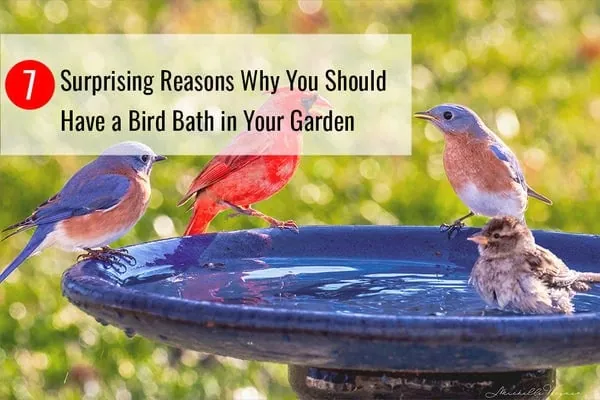
Have you ever noticed how quickly birds flock to a bird bath in your garden? It’s as if the simple addition of a shallow basin filled with water transforms your outdoor space into a lively bird sanctuary.
But why do birds like bird baths so much? This curiosity might have crossed your mind as you watched them splash and play. The answer might surprise you, as it’s not just about quenching their thirst. Understanding the allure of bird baths can enhance your appreciation for these feathered visitors and help you create a more inviting environment for them.
By the end of this article, you’ll not only discover the reasons behind their fondness but also gain insights on how to make your bird bath a favorite spot for avian guests. So, are you ready to dive into the fascinating world of birds and their love for bird baths? Let’s explore together!

Credit: floridamedianow.com
Bird Baths And Bird Behavior
Birds use water in many ways to stay healthy. Bird baths give birds a safe place to drink and clean themselves.
Watching birds at a bird bath shows interesting behaviors. These actions help birds survive and feel comfortable.
How Birds Use Water
Birds visit water to drink and cool down. Water helps them keep their feathers clean and strong.
Drinking water is important for birds to stay hydrated. They dip their beaks and swallow quickly.
- Drink to stay hydrated
- Use water to cool off on hot days
- Clean feathers to remove dirt and parasites
Bathing Rituals Across Species
Different birds have unique ways to bathe. Some splash water on their bodies, while others dunk fully underwater.
Bathing keeps feathers in good condition and helps birds fly well. Some birds preen after bathing to arrange their feathers.
- Songbirds shake and splash water on their feathers
- Ducks and waterfowl swim and dive in water
- Woodpeckers and finches dip just their heads
- Many birds preen after bathing to dry and realign feathers
Physical Benefits Of Bathing
Birds love to take baths in bird baths. Bathing helps keep their bodies healthy. It also supports their daily activities.
Water helps birds clean their feathers and cool down. These physical benefits make bird baths important for birds.
Feather Maintenance
Birds use water to clean their feathers. Bathing removes dirt and dust. Clean feathers help birds fly better.
Bathing also removes parasites. These parasites can harm birds if they stay on feathers. Water helps keep birds healthy.
Temperature Regulation
Birds use baths to cool down on hot days. Water lowers their body heat. This helps birds avoid overheating.
Bathing also helps birds stay comfortable during warm weather. It keeps their bodies balanced and safe.
Health Benefits
Bird baths are more than just pretty garden features. They help birds stay healthy in many ways.
Birds use baths to clean and refresh themselves. This helps them avoid sickness and stay strong.
Parasite Removal
Bird baths help birds remove parasites from their feathers. Parasites can cause itching and illness.
When birds bathe, water loosens dirt and parasites. Birds then preen to remove them completely.
- Water softens parasite shells
- Bathing makes parasites easier to pick off
- Clean feathers help birds fly better
Hydration And Cleanliness
Birds drink from bird baths to stay hydrated. Clean water is important for their health.
Bathing also keeps feathers clean. Clean feathers protect birds from cold and rain.
- Drinking water prevents dehydration
- Clean feathers improve insulation
- Bathing reduces dirt and dust on feathers

Credit: floridamedianow.com
Social And Environmental Impact
Bird baths provide a safe place for birds to drink and bathe. They help birds stay healthy and clean.
These baths support local bird populations and create a space for birds to interact. They also improve the environment by encouraging bird activity.
Attracting Multiple Species
Bird baths attract many types of birds to one area. Different species come to drink, bathe, and cool off.
This variety helps keep a balanced ecosystem. Each species plays a role in nature, such as controlling insects or spreading seeds.
- Hummingbirds enjoy shallow water for quick drinks
- Sparrows and finches like to splash and clean their feathers
- Woodpeckers visit to stay hydrated during hot days
- Doves use bird baths to cool down and preen
Role In Bird Communication
Bird baths are places where birds meet and communicate. Birds use sounds and movements to talk at these spots.
Bathing together helps birds build social bonds. Some birds use bird baths to show strength or attract mates.
- Calls and songs near baths help birds warn of danger
- Bathing together can show trust among birds
- Birds may use water splashes as signals
- Shared baths help young birds learn from adults
Choosing The Right Bird Bath
Bird baths give birds a place to drink and bathe. Picking the right one helps keep birds safe and happy.
There are many types of bird baths. Think about the material, design, and where to place it.
Materials And Design
Bird baths come in different materials like plastic, metal, stone, and ceramic. Each has good and bad points.
Choose a material that is safe, easy to clean, and holds water well. The design should be shallow with a gentle slope.
- Plastic is light and easy to move but may fade in sun.
- Metal is strong but can get hot in summer.
- Stone and ceramic look natural and stay cool but can be heavy.
- Shallow bowls about 1-2 inches deep attract birds best.
- Textured surfaces help birds grip safely.
Placement Tips
Where you put the bird bath affects how often birds will visit. Pick a safe and visible spot.
Place the bath near shrubs or trees. Birds use them to hide if they feel scared.
- Keep the bath away from busy walkways and pets.
- Put it in a sunny spot but with some shade during hot days.
- Place it on a stable base to avoid tipping.
- Keep water clean and fresh to attract more birds.
Maintaining Bird Baths
Bird baths are a great way to help birds stay cool and clean. Keeping them well-maintained is important for the birds’ health.
Clean water and a safe environment attract more birds to your yard. It also prevents diseases from spreading.
Cleaning Frequency
Clean your bird bath at least once a week. In hot weather, clean it more often to stop algae growth.
Remove leaves, dirt, and bird droppings each time you clean. Use a scrub brush and mild soap if needed.
- Empty the water before cleaning
- Scrub all surfaces gently
- Rinse thoroughly to remove soap
- Refill with fresh water
Water Quality Tips
Use clean, fresh water for your bird bath. Change the water often to keep it fresh and safe for birds.
Avoid using chemicals or soaps that can harm birds. Rainwater or tap water left to sit for a day is best.
- Use shallow water no deeper than 2 inches
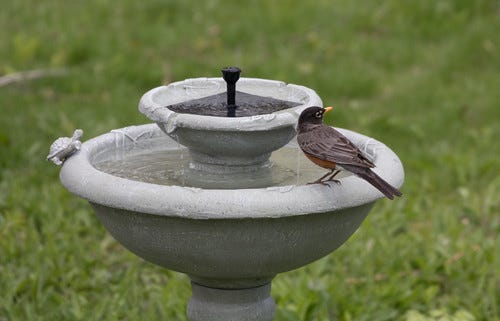
- Keep water moving with a dripper or fountain
- Place bird bath in shade to slow algae growth
- Check water daily in hot weather
Credit: lauraerickson.substack.com
Frequently Asked Questions
Why Do Birds Prefer Bird Baths Over Natural Water Sources?
Birds choose bird baths because they offer clean, safe, and easily accessible water. Natural sources may be dirty or scarce, especially in urban areas. Bird baths also provide a controlled environment, helping birds avoid predators and parasites while drinking or bathing.
How Do Bird Baths Benefit Bird Health And Hygiene?
Bird baths help birds maintain clean feathers, which is essential for insulation and flight. Bathing removes dirt, dust, and parasites, promoting better health. Clean feathers also enhance birds’ ability to regulate body temperature in different weather conditions.
Can Bird Baths Attract More Bird Species To My Garden?
Yes, bird baths attract diverse bird species by providing a reliable water source. Different birds seek water for drinking and bathing, increasing garden biodiversity. A well-maintained bird bath can turn your garden into a lively bird-watching spot.
How Often Should I Clean My Bird Bath?
Clean your bird bath at least once a week to prevent algae and bacteria buildup. Frequent cleaning ensures the water stays fresh and safe for birds. In hot weather, clean more often to avoid mosquito larvae growth.
Conclusion
Birds enjoy bird baths for many simple reasons. They need water to drink and to stay clean. Bathing helps birds remove dirt and parasites. It also cools them down on hot days. Watching birds bathe can bring joy and calm.
Offering a clean bird bath supports local wildlife. It creates a safe spot for birds to refresh. Small actions like this help nature thrive nearby. So, a bird bath is more than just water—it’s a little oasis for birds.



