Why Do Birds Roll In The Dirt?
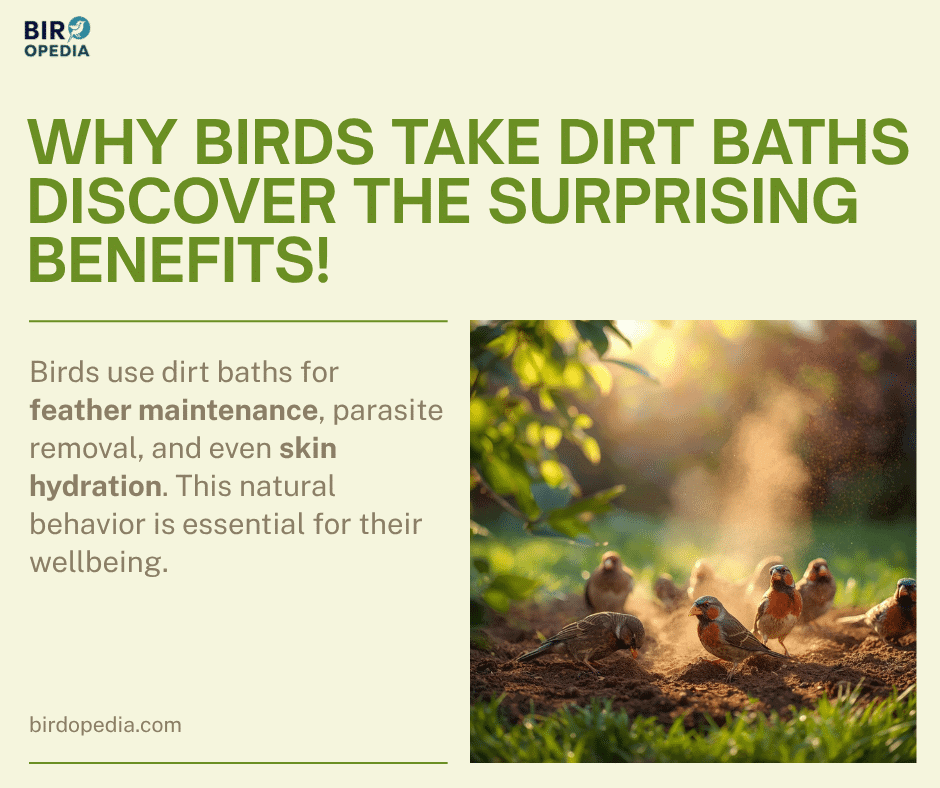
Have you seen birds rolling in the dirt? It might look messy or strange. This behavior has a great reason. You will see birds in a new light. Why Do Birds Take Dirt Baths? The answer is surprising. These dusty dips help birds stay healthy. You will learn a new secret about nature.
Why Birds Need Dirt Baths
Birds take dirt baths to keep clean and healthy. This natural action helps them in many ways. Dirt baths are a simple, effective way for birds to care for their feathers. This behavior shows their clever survival skills.
- The National Audubon Society emphasizes the mechanical function of dust: “Dirt bathing is one of the birds’ key defenses against external parasites like mites and lice. The fine dust coats the bird’s body, physically irritating and suffocating the pests, forcing them to dislodge when the bird shakes itself clean.“
Removing Bugs
Dirt baths help birds get rid of tiny parasites. The dust sticks to these pests. This makes it hard for the bugs to stay attached. When birds shake the dust off, many parasites fall away. This keeps birds free from harmful pests. It stops irritation or disease.
Feather Care
Dirt baths keep feathers in good shape. They remove extra oil and dirt. Clean feathers help birds fly better. They also help birds stay warm. Dirt bathing helps spread natural oils evenly. This oil keeps feathers flexible and water-resistant. This is important for survival.
- The Cornell Lab of Ornithology highlights the necessity of dust bathing for mobility: “Any excessive oil or grime on the plumage disrupts the feather’s precise structure, leading to less efficient flight. Dust bathing maintains the perfect lightweight texture necessary for optimal aerodynamics, which is critical for escaping predators and seeking food.“
Skin Health
The dust can soothe bird skin. It can also prevent infections. Dust acts like a natural powder. It keeps the skin dry and healthy. Dirt baths reduce skin irritation. They clear away dead skin and stop itching. This keeps birds comfortable and active.
How Dirt Baths Work
Birds take dirt baths to keep their feathers clean. The dirt helps remove oil and parasites. They roll and flap in the dirt. Dust settles onto their bodies. This simple act helps their feathers in several ways.
Dust Cleans Oil
Dust particles stick to the oil on feathers. These oils can trap dirt and pests. The dust absorbs extra oil. It loosens trapped dirt. As birds shake the dust off, they remove grime. This keeps feathers light and clean.
- Dust absorbs extra oil on feathers.
- Dirt loosens trapped dirt and pests.
- Shaking removes absorbed oil and dust.
Effects On Feathers
Dirt baths help remove parasites from feathers. Fine dirt particles get into the feathers. They dislodge pests. Bathing also helps fix feather alignment. It removes old or broken feathers. This keeps feathers strong and ready for flying.
- It removes parasites and mites.
- It realigns feathers for better flight.
- It clears out old or damaged feathers.
What Birds Do
Birds often bathe in dry, loose soil. They choose sunny spots to dry quickly. This behavior happens often. It happens after rain or when feathers feel oily. Birds may bathe alone or in groups.
- They prefer dry, loose dirt areas.
- They bathe after wet conditions.
- They may bathe alone or with other birds.
Birds That Bathe In Dirt
Many bird species take dirt baths to stay healthy. Dirt baths remove pests and extra oil. Birds choose sandy spots to roll and shake off dirt. This behavior is common for many birds globally.
Common Species
Some birds are famous for taking dirt baths often. These birds use dust to keep their feathers in top shape.
- House Sparrows
- Robins
- Thrashers
- Quails
- Wrens
These birds shake dust into their feathers. This removes pests like mites and lice. Dust helps absorb oils and moisture.
Where They Live
The bird’s home affects how often they bathe. Birds in dry, dusty areas bathe in dirt more often. Forest birds use dirt less. Their homes are moist and shady. Birds in deserts take more dust baths.
- Desert birds bathe often to cool down.
- Grassland birds use dirt baths to fight parasites.
- City birds find dusty spots near roads.
How Often They Bathe
How often birds bathe changes by species and season. Some birds bathe daily. Others do it rarely. Birds bathe more during hot, dry seasons. This helps them stay cool and clean from sweat.
- Young birds bathe less than adults.
- Birds with more pests bathe more often.
- Weather changes can reduce dirt bathing.

Credit: bluedotliving.com
Environment Facts
Birds take dirt baths for many reasons. The environment around them is one main reason. The soil, weather, and bathing spots matter. These factors affect the bird’s behavior. Each factor plays a role in their comfort and health.
Soil Type
The soil type birds use is important. Soft, dry soil is best for dirt baths. It helps remove parasites from feathers. Soil with the right minerals helps birds stay healthy. Wet or hard soil does not work well.
Dry soil absorbs oils and dirt.
Loose soil is easy for birds to roll in.
Sandy soil helps remove parasites.
Wet soil is not useful for dirt baths.
Avian Field Biologist Dr. Susan K. Fisher notes the material preference: “Birds rarely use compact, hard-packed earth. The best substrate is a fine, powdery mix of sand, silt, and clay—or even decomposed organic matter—that can readily lift into the air and penetrate the densely layered feathers to carry out the necessary dry-cleaning action.”
Weather
Weather affects when birds take dirt baths. Birds usually bathe on dry, sunny days. This helps soil stick to feathers. It also helps them dry quickly. Rainy weather stops birds from using dirt baths. Wet soil does not clean well. It can also make birds cold.
Sunny weather encourages dirt bathing.
Dry soil is easier for dust to stick.
Rain makes soil wet and less useful.
Cold weather may reduce bathing.
Bathing Spots
Birds need places with good soil to bathe. These spots must be clear of plants. Open areas with soft soil are best. If birds cannot find good spots, they may not clean well. This can harm their health and flying ability.
Open, bare patches of soil are best.
Soft, loose dirt attracts more birds.
Too many plants block access to soil.
Human action can reduce available spots.
Other Ways Birds Clean
Birds take dirt baths to keep clean. Not all birds find dry dirt places. They use other ways to stay healthy. These alternatives help keep feathers in good shape. They protect birds from pests. They keep their skin healthy.
Water Bathing
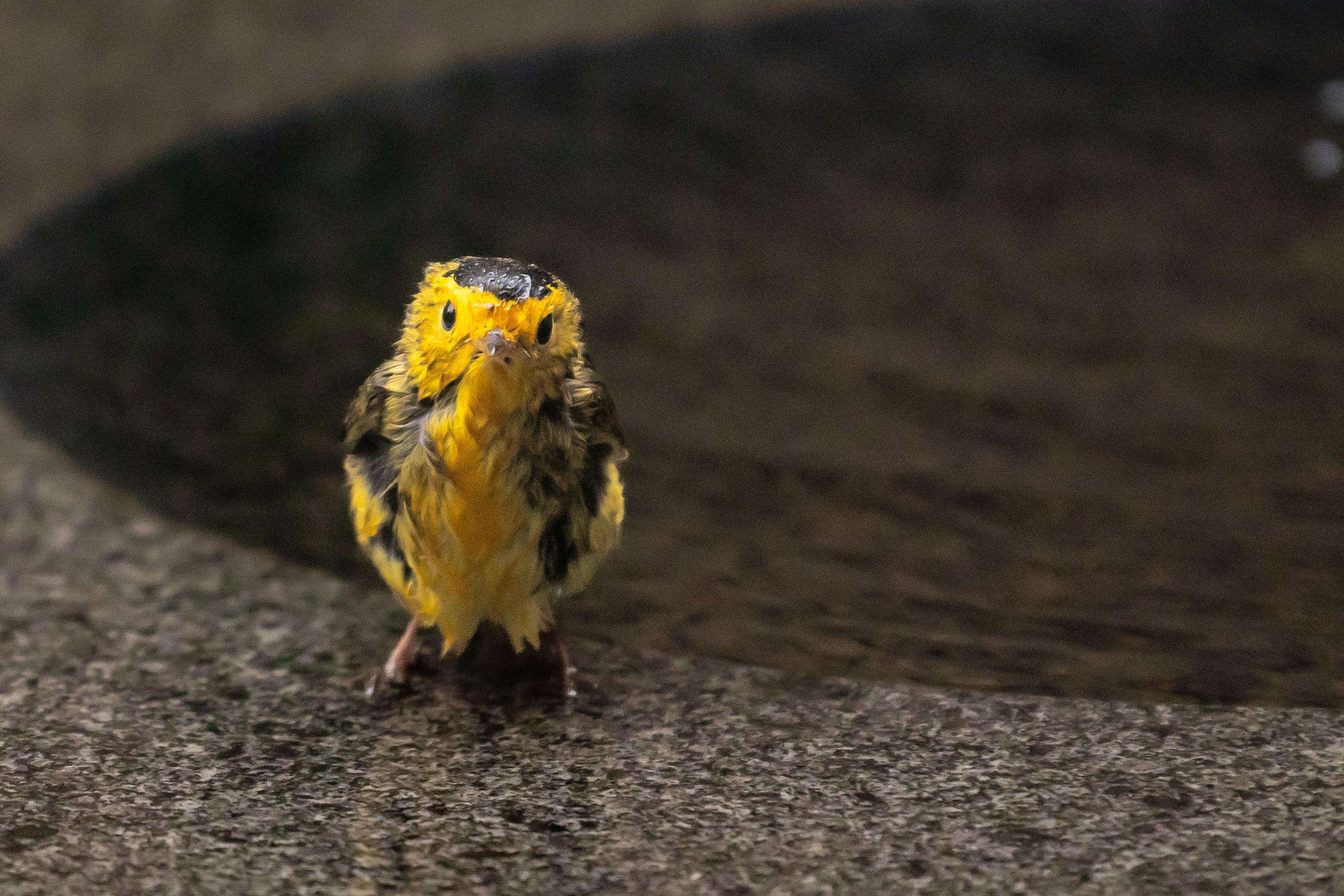
Many birds like to bathe in water. They splash and shake to clean feathers. Water helps remove dirt and dust. Water bathing also cools birds on hot days. They often use birdbaths or puddles.
Sunbathing
Birds sit in the sun to dry their feathers. Sunlight also helps kill germs on their skin. Sunbathing keeps feathers strong and shiny. Birds spread their wings wide to get more sunlight.
Preening
Preening means birds use their beaks to clean feathers. This removes dirt and spreads protective oils. Birds use a special oil gland near their tail. They rub this oil on feathers. This keeps them soft and waterproof.
They remove dust and parasites.
They keep feathers aligned.
They apply protective oils.
Credit: bluedotliving.com
People Affect Bird Habits
Birds take dirt baths to clean feathers. People affect where birds can do this. Our actions change their natural places. Changes in the environment make safe spots harder to find. This can affect their health and behavior.
City Life Effects
Cities reduce open spaces for dirt baths. Roads and buildings replace natural dirt. Birds may struggle to find clean soil. Noise and activity can scare birds away. Some birds adapt. Others lose this key behavior.
Pollution Worries
Pollution changes soil quality. Chemicals can harm birds that use polluted dirt. This risk can cause illness or death. Dirty water near bathing spots also hurts birds. They need clean places to stay healthy.
Chemical runoff from cities is bad.
Oil spills litter natural areas.
Heavy metals hurt soil and water.
Conservation Work
Some groups protect bird homes and bath areas. They create safe zones. They clean natural spaces for birds. People can help. Plant native plants. Avoid chemicals in your garden. Provide clean birdbaths in cities.
Protect natural open spaces.
Reduce pollution near bird areas.
Create safe birdbaths in backyards.
Teach others about bird care.

Credit: bluedotliving.com
Frequently Asked Questions
Why do birds take dirt baths often?
Birds take dirt baths to clean feathers. It removes parasites. The dust absorbs oil and moisture. This keeps feathers healthy. This helps them fly well and stay warm.
How does a dirt bath help feathers?
A dirt bath removes oil, dirt, and parasites. The dust absorbs oils. It dislodges mites or lice. This keeps feathers flexible and clean. It helps them control their body heat.
What birds like dirt baths?
Many birds like dirt baths. Sparrows, robins, and finches are common. Ground-feeding birds use dust baths often. This helps them keep their feathers healthy.
Can dirt baths prevent bird diseases?
Yes. Dirt baths help control outside pests like mites. This lowers the risk of skin infections. Healthy feathers improve a bird’s overall health.
Conclusion
Birds love dirt baths for many reasons. They keep feathers clean and healthy. Dirt removes pests and extra oils. It also cools them on hot days. Birds enjoy the natural cleaning from dust. This action is vital for their survival. Watching birds take dirt baths is fascinating. It shows their unique self-care routine. Next time you see a bird bathing, appreciate its wisdom. Dirt baths are essential for a healthy life. Nature’s simple wonders are right here.