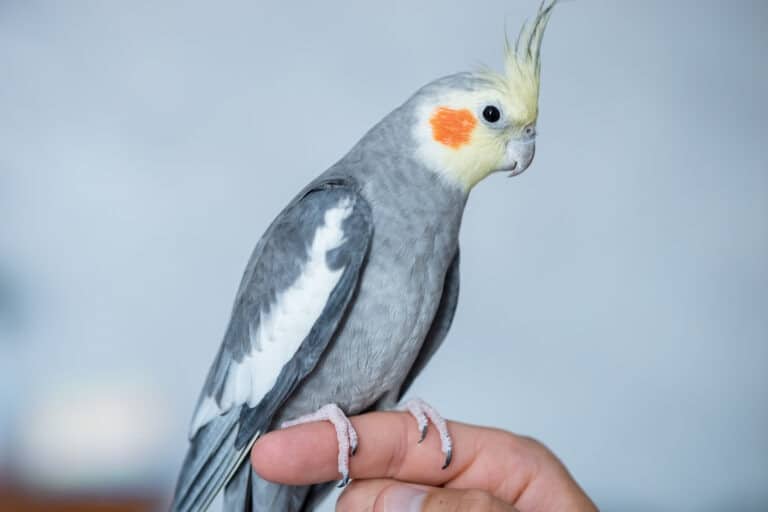
Have you ever wondered, “Why is my bird not making noise?” It can be worrying when your feathered friend suddenly falls silent.
Birds usually chirp, sing, or squawk to communicate, so silence might feel like a red flag. But don’t jump to conclusions just yet. Understanding why your bird is quiet can help you take the right steps to keep it happy and healthy.
Keep reading to discover the common reasons behind your bird’s silence and what you can do to bring back its cheerful sounds.
Common Reasons Birds Stay Quiet
Birds usually make noise to communicate or show emotions. Sometimes, they stay quiet for different reasons. Understanding these reasons helps bird owners care better for their pets.
This article explains common causes why a bird might not make noise. Each reason affects birds differently and needs attention.
Health Issues
Birds that feel sick often stay quiet. Illness or pain can make them lose their voice or energy. Some health problems that cause silence include respiratory infections, injuries, or nutritional deficiencies.
If your bird is quiet and shows other signs like lack of appetite or weakness, you should see a vet.
Stress And Anxiety
Stress can make birds stop singing or talking. Loud noises, new people, or other pets may frighten them. Changes in their routine or environment can also cause anxiety.
- Sudden loud noises
- New animals in the house
- Travel or moving to a new home
- Separation from their owner
Environmental Changes
Birds react to their surroundings. Changes in light, temperature, or cage location can affect their behavior. Some birds stay quiet if they feel unsafe or uncomfortable.
| Environmental Factor | Effect on Bird |
| Low light | Less active, quieter |
| High noise | Stress and silence |
| Cold temperature | Reduced energy and sound |
| New cage location | Fear and quietness |
Age And Species Traits
Some birds are naturally quiet because of their species. Young birds may not have learned to vocalize yet. Older birds might reduce noise as they age.
Examples of quiet species include:
- Finches
- Canaries (some types)
- Lovebirds (some individuals)
Signs Of Illness To Watch For
Birds usually make noise to show they are healthy and happy. If your bird stops making noise, it might be sick. Watching your bird closely can help you find signs of illness early.
Some signs are easy to see, while others are about changes in how your bird acts. Knowing these signs can help you keep your bird safe and healthy.
Physical Symptoms
Physical symptoms show changes in your bird’s body. These signs may mean your bird is sick and needs help. Look for any unusual marks or changes in your bird’s appearance.
Common physical symptoms include:
- Fluffed-up feathers for a long time
- Swelling or lumps on the body
- Discharge from eyes or nose
- Changes in droppings, like color or consistency
- Loss of appetite or difficulty eating
- Weight loss or thin body
- Breathing problems or noisy breathing
Behavioral Changes
Behavioral changes show when your bird acts differently. Birds that are quiet and do not move much may be sick. Watch for changes in your bird’s normal habits.
Signs of behavioral changes include:
- Less activity or sleeping more than usual
- Hiding or staying in one spot
- Not responding to sounds or people
- Loss of interest in toys or social time
- Unusual aggression or fearfulness
- Repeated shaking or head bobbing
How Stress Affects Bird Vocalization
Birds often stop making noise when they feel stressed. Stress can change how birds behave and communicate.
Understanding stress helps bird owners improve their pet’s happiness and sounds.
Causes Of Stress
Many things can cause stress in birds. Loud noises and too much handling can make birds scared.
Changes in their environment or being alone too long can also stress birds.
- Sudden loud sounds
- Frequent moving or changes in cage
- Too much or too little attention
- Other pets nearby
- Illness or pain
Reducing Stress Levels
To help birds feel safe, keep their environment calm and quiet. Consistency is important for birds.
Give birds time to adjust to new places and avoid sudden changes.
- Provide a quiet, stable space
- Keep a regular feeding and play schedule
- Offer gentle handling and time to rest
- Use soft lighting and avoid loud noises
- Watch for signs of illness and get help
Credit: lafeber.com
Impact Of Environment On Bird Sounds
Birds use sounds to communicate with each other and show their mood. The environment affects how much and how often birds make noise. Some birds become quiet if their surroundings are not right.
Understanding the environment helps bird owners create better spaces. This makes birds feel safe and more likely to sing or chirp.
Noise Levels
Birds react to sounds around them. Loud noises can scare birds and cause silence. Quiet places help birds feel calm and sing more often.
- Keep the area free from loud music or TV sounds.
- Avoid noisy appliances near the bird’s cage.
- Talk softly around your bird to encourage sounds.
Cage Placement
Where you place the cage changes how your bird feels. Birds like spots where they can see activity but feel safe. A bad spot can make them nervous and quiet.
| Placement | Effect on Bird |
| Near windows | Sees outside, may be distracted |
| In a busy room | May feel stressed or noisy |
| Quiet corner | Feels safe, more likely to sing |
| High shelf | Feels secure, good for shy birds |
Lighting And Temperature
Birds need natural light and a warm place to feel good. Dim light or cold rooms can make birds stay quiet. Bright light and warmth help birds stay active and vocal.
- Place cages near windows but avoid direct hot sun.
- Keep room temperature between 65°F and 80°F (18°C to 27°C).
- Use soft lighting if natural light is not available.
Age And Breed Influence On Noise
Birds make different sounds depending on their age and breed. Some birds are naturally quiet, while others are noisy. Understanding these factors helps explain why your bird might not be making noise.
Age and breed both shape how much noise a bird makes. Young birds may be quieter as they learn to use their voice. Some breeds are known for being calm and soft-spoken.
Quiet Bird Species
Some bird breeds are quieter than others. These species are often chosen by people who want pets that do not make much noise. Here are common quiet bird species:
- Finches
- Canaries
- Bourke’s Parakeet
- Lovebirds
- Parrotlets
These birds usually make soft sounds or chirps instead of loud squawks. Their calm nature means they rarely cause noise disturbance.
Mature Vs. Young Birds
Young birds often stay quiet as they grow. They are still learning to use their voice and may not feel confident to call out. Older birds tend to be louder and more vocal.
| Age | Noise Level | Reason |
| Young | Low | Still developing vocal skills |
| Mature | High | More confident and social |

Credit: www.reddit.com
Training And Encouraging Your Bird To Speak
Many bird owners want their pets to talk. Some birds are quiet, and that is normal. Training can help your bird start making sounds.
Patience and the right methods can encourage your bird to speak. It takes time and effort to see results.
Positive Reinforcement Techniques
Positive reinforcement means rewarding your bird for good behavior. This helps the bird learn to speak more.
- Use treats your bird likes
- Give praise and gentle petting
- Repeat words clearly and slowly
- Reward your bird immediately after it tries to talk
- Keep training sessions short and fun
Interactive Play
Playing with your bird helps build trust. Talking during playtime encourages your bird to mimic sounds.
Try these interactive play ideas:
| Activity | Purpose |
|---|---|
| Singing simple songs | Encourages repetition and memory |
| Talking during feeding | Associates words with positive moments |
| Using toys that make sounds | Stimulates curiosity and speech |
Consistency And Patience
Birds need regular practice to learn to talk. Be patient and keep training every day.
- Set a daily training time
- Use the same words and phrases
- Keep calm if the bird does not respond
- Celebrate small progress
- Adjust your approach if needed
When To Consult A Veterinarian
Birds may stop making noise for several reasons. Some are normal, but others need a vet’s care. It is important to know when to seek professional help.
This guide explains key signs that need urgent attention and when routine checkups are necessary.
Emergency Signs
If your bird shows sudden silence along with other symptoms, visit a veterinarian immediately. These signs may mean your bird is in danger.
- Difficulty breathing or wheezing sounds
- Swollen or red eyes
- Loss of balance or difficulty walking
- Fluffed up feathers for long periods
- Refusal to eat or drink
- Bleeding or visible wounds
- Sudden weakness or collapse
Routine Checkups
Birds should have regular health checks even if they seem fine. This helps find problems early before they become serious.
| Checkup Frequency | What to Expect |
| Every 6-12 months | General health exam and weight check |
| Annually | Feather, beak, and nail inspection |
| As recommended | Vaccinations and parasite control |

Credit: www.reddit.com
Frequently Asked Questions
Why Is My Bird Suddenly Silent?
Sudden silence can indicate stress, illness, or environmental changes. Monitor your bird’s behavior and consult a vet if silence persists.
Can Diet Affect My Bird’s Noise Level?
Yes, poor nutrition can reduce energy and vocalization. Ensure a balanced diet with fresh fruits, veggies, and proper bird food.
Does My Bird Need Social Interaction To Make Noise?
Birds are social creatures; lack of interaction can cause silence. Spend quality time talking and engaging to encourage vocal sounds.
Could My Bird Be Sick If It’s Quiet?
Yes, silence can signal illness or discomfort. Watch for other symptoms and seek veterinary advice promptly for a healthy bird.
Conclusion
Birds bring joy with their songs and chatter. Silence can be concerning. Observe your bird closely. Changes in behavior often signal health issues. Ensure a balanced diet and comfortable environment. Regular vet check-ups are crucial. Stress, illness, or age might cause silence.
Addressing these can restore your bird’s voice. Patience and understanding are key. Each bird is unique with different needs. Listen and respond to them. Happy, healthy birds usually sing. Their songs reflect their well-being. Keep providing love and care. Your bird’s song might return soon.
Enjoy the bond with your feathered friend.