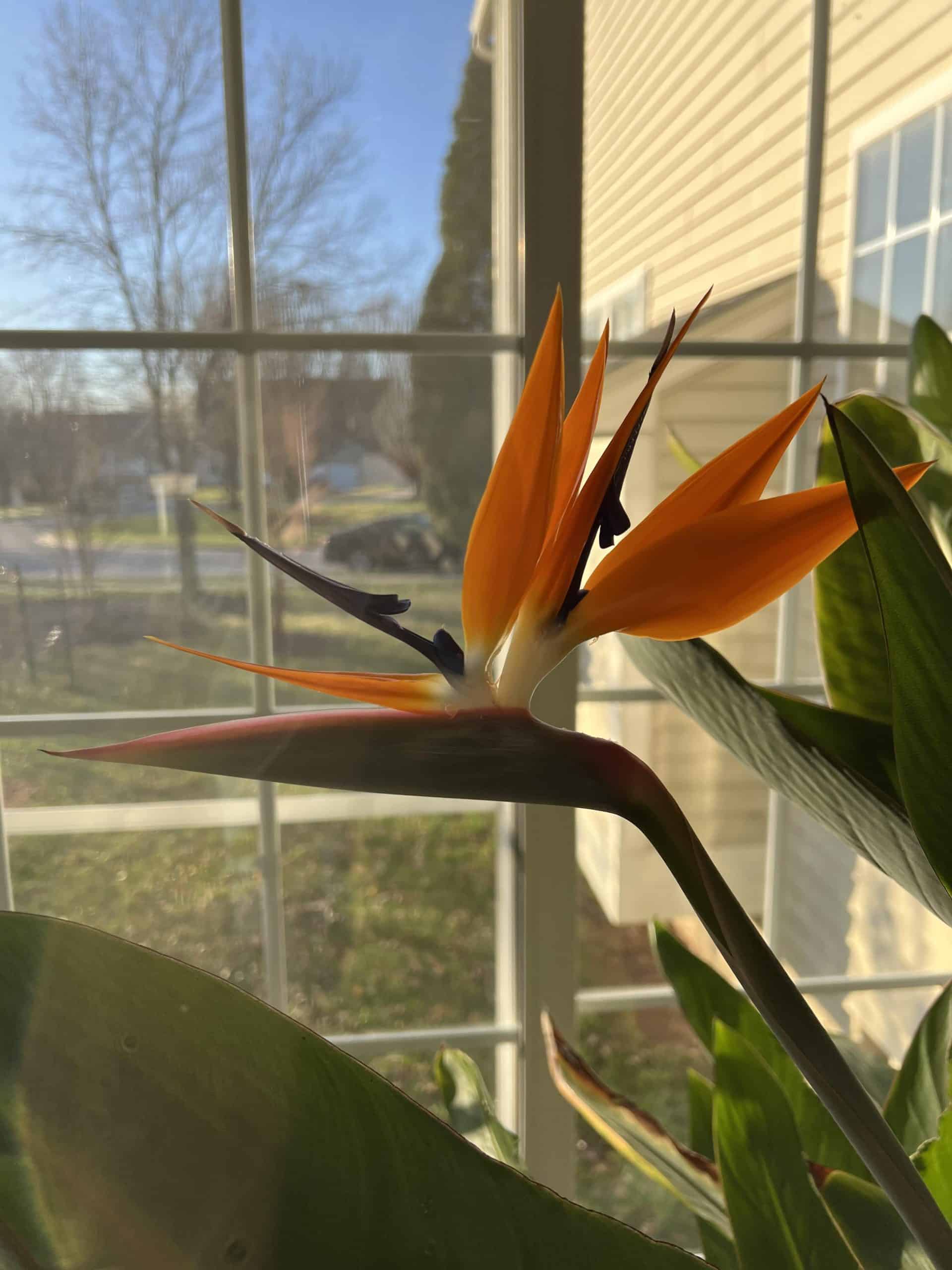
Is your Bird of Paradise plant growing leaves but stubbornly refusing to bloom? You’re not alone, and it can be really frustrating to care for a beautiful plant that won’t show off its stunning flowers.
But don’t worry—there are simple reasons why your plant might be holding back its blossoms. Understanding these can help you unlock the vibrant flowers you’ve been waiting for. Keep reading to discover the key factors that could be stopping your Bird of Paradise from flowering and how you can fix them.
Your garden’s next burst of color might be just a few easy steps away!
Common Reasons For No Flowers
Bird of Paradise plants are known for their bright flowers. If yours is not blooming, it can be frustrating.
Several common reasons can stop your plant from flowering. Understanding these helps you fix the problem.
Insufficient Sunlight
Bird of Paradise needs bright light to bloom. Without enough sunlight, the plant stays green but does not flower.
- Place the plant where it gets at least 4-6 hours of direct sunlight.
- Indoor plants need to be near a south or west-facing window.
- If light is low, consider using a grow light.
Improper Watering
Watering too much or too little can harm your plant’s ability to flower. The soil should be moist but not soggy.
Let the top inch of soil dry before watering again. Overwatering causes root rot and stops blooming.
Nutrient Deficiencies
Bird of Paradise needs nutrients to produce flowers. Lack of key nutrients can prevent blooming.
| Nutrient | Effect on Flowering |
|---|---|
| Phosphorus | Supports flower growth and bud formation |
| Nitrogen | Too much causes leaf growth but no flowers |
| Potassium | Improves overall plant health and blooms |
Incorrect Temperature
Bird of Paradise blooms best in warm temperatures. Cold or extreme heat stops flower production.
- Ideal daytime temperature: 65-70°F (18-21°C)
- Nighttime temperature should not drop below 50°F (10°C)
- Avoid drafts and sudden temperature changes
Pot Bound Roots
If roots have no space to grow, the plant focuses on survival instead of flowering.
Check if roots circle the pot or come out of drainage holes. Repot into a larger container if needed.

Credit: www.reddit.com
Sunlight Needs
Bird of Paradise plants need the right sunlight to bloom well. Too little light can stop flowers from growing. Proper light helps the plant make energy and stay healthy.
Knowing how much sun your Bird of Paradise needs will help you fix flowering problems. Let’s look at the light needs and signs of too little sun.
Ideal Light Conditions
Bird of Paradise plants grow best in bright, indirect light. They can handle some direct sun but not all day long. Too much direct sun may burn the leaves.
- Place the plant near a window with filtered sunlight.
- Morning sun is better than harsh afternoon sun.
- Outdoor plants should get bright shade or dappled sunlight.
- Keep the plant away from dark corners or shaded spots.
Signs Of Too Little Sun
If your Bird of Paradise does not get enough light, it shows clear signs. The plant may stop flowering and grow slowly. Leaves can turn pale or drop off.
| Sign | What It Means |
| Slow growth | Not enough energy from sunlight |
| No flowers | Plant lacks light to bloom |
| Pale leaves | Chlorophyll production is low |
| Leaf drop | Stress from poor light conditions |
Adjusting Light Exposure
Changing where you place your Bird of Paradise can improve its flowering. Gradually increase light to avoid leaf burn. Use these tips to adjust light safely.
- Move the plant closer to a bright window.
- Use sheer curtains to soften direct sunlight.
- Rotate the plant every week to balance light on all sides.
- Consider grow lights if natural light is too low.
- Check the plant regularly for leaf color and growth changes.
Watering Tips
Proper watering is important for Bird of Paradise plants to bloom. Too little or too much water can stop flowers from growing.
Understanding how often and how much to water helps your plant stay healthy and flower beautifully.
Watering Frequency
Water your Bird of Paradise once the top inch of soil feels dry. Usually, this means watering every 7 to 10 days.
During warmer months, the plant may need water more often. In winter, reduce watering to prevent root problems.
Avoiding Overwatering
Too much water can cause root rot and stop flowers from forming. Watch for signs like yellow leaves or soft stems.
- Check drainage holes to make sure water flows out well
- Do not let the plant sit in standing water
- Use a pot with good drainage and well-draining soil
- Water only when the soil surface feels dry
Best Watering Practices
| Time of Year | Watering Frequency | Notes |
|---|---|---|
| Spring and Summer | Every 7 days | Increase watering if leaves look dry |
| Fall | Every 10 days | Reduce watering gradually |
| Winter | Every 14-21 days | Keep soil slightly moist, avoid waterlogging |
Water at the base of the plant. Avoid wetting leaves to prevent fungus. Use room temperature water for best results.
Feeding Your Plant
Bird of Paradise plants need the right food to bloom well. Feeding them correctly helps flowers grow strong and healthy.
Without proper nutrients, your plant may stay green but not produce flowers. Let’s explore how to feed it the best way.
Choosing The Right Fertilizer
Pick a fertilizer with balanced nutrients. Look for one with equal amounts of nitrogen, phosphorus, and potassium. Phosphorus helps flowers grow, so it is very important.
- Use a fertilizer labeled 10-10-10 or 20-20-20 for general feeding.
- Choose a bloom booster with higher phosphorus, like 10-30-10, to encourage flowering.
- Organic options like compost or fish emulsion also supply good nutrients.
Feeding Schedule
Feed your Bird of Paradise regularly during its growing season. This keeps nutrient levels steady and helps it bloom on time.
- Feed every 4 to 6 weeks from spring to early fall.
- Use half the recommended amount if you feed monthly.
- Stop feeding in winter when the plant rests.
Common Nutrient Shortages
| Nutrient | Symptom | Effect on Flowering |
| Nitrogen (N) | Yellow leaves, slow growth | Too little slows growth; too much reduces flowers |
| Phosphorus (P) | Pale leaves, weak or no flowers | Low phosphorus stops flower development |
| Potassium (K) | Browning leaf edges, weak stems | Low potassium lowers flower quality and plant health |
Temperature And Humidity
Your Bird of Paradise may not flower if the temperature and humidity are not right. These two factors affect its growth and bloom.
Keeping the right temperature and humidity helps the plant feel comfortable and produce beautiful flowers.
Optimal Temperature Range
Bird of Paradise grows best in warm temperatures. It likes daytime heat and cooler nights.
The best temperature range is between 65°F and 70°F during the day. Nighttime temperatures should not drop below 50°F.
- Daytime: 65°F to 70°F (18°C to 21°C)
- Nighttime: Above 50°F (10°C)
Effects Of Cold Or Heat Stress
Cold temperatures can stop your Bird of Paradise from flowering. The plant may slow down or stop growing.
Too much heat also hurts the plant. It can dry out leaves and cause stress, which blocks blooming.
- Cold below 50°F slows growth and stops flowers
- Heat above 85°F causes leaf damage and stress
- Stress reduces the plant’s ability to bloom
Maintaining Proper Humidity
Bird of Paradise prefers moderate humidity levels. Too dry or too wet air affects its health.
A humidity range of 50% to 70% is ideal. This keeps the leaves healthy and helps flower production.
- Humidity below 40% can dry out leaves
- Humidity above 80% may cause mold or rot
- Use a humidifier or mist leaves to raise humidity

Credit: www.reddit.com
Repotting And Root Care
Bird of Paradise plants need good root care to bloom well. Repotting helps keep roots healthy. Proper soil and pot size support strong growth.
Check your plant’s roots regularly. Healthy roots lead to better flowering and overall plant health.
When To Repot
Repot your Bird of Paradise when it outgrows its pot. Signs include roots growing out of drainage holes or circling inside the pot. Repot every 2 to 3 years for best results.
Checking Root Health
Healthy roots are firm and white. Brown or mushy roots mean root rot. Remove damaged roots before repotting. Clean tools prevent spreading disease.
- Gently remove the plant from the pot
- Inspect roots for color and firmness
- Cut off soft or black roots with sterilized scissors
- Let roots dry for a few hours before repotting
Best Soil Mix
| Soil Component | Purpose | Percentage |
|---|---|---|
| Potting soil | Base for nutrients | 50% |
| Perlite | Improves drainage | 25% |
| Coarse sand | Prevents compaction | 15% |
| Organic matter | Retains moisture | 10% |
Use a well-draining soil mix to avoid waterlogging. This mix keeps roots healthy and encourages flowering.
Encouraging Flowering
Bird of Paradise plants may not flower for several reasons. Encouraging flowering needs the right care and conditions.
With good pruning, growth help, and patience, your plant can bloom beautifully.
Pruning Techniques
Prune old and dead leaves to help the plant focus energy on blooming. Remove weak stems to improve air flow.
Cut back stems after flowering to encourage new growth. Use clean tools to avoid plant damage.
- Remove yellow or brown leaves
- Trim weak or crowded stems
- Cut old flower stalks after blooming
- Use sharp, clean pruning shears
Using Growth Stimulators
Growth stimulators can help your Bird of Paradise bloom. Use fertilizers with balanced nutrients and extra phosphorus.
Apply products that support root and flower development. Follow the instructions on the label to avoid overfeeding.
- Choose fertilizer with phosphorus (middle number)
- Feed during growing season (spring and summer)
- Apply liquid fertilizer every 2-4 weeks
- Use slow-release fertilizer for steady feeding
Patience And Seasonal Timing
Bird of Paradise plants take time to flower. They usually bloom in warm seasons after enough growth.
Ensure your plant gets enough light and warmth. Be patient and watch for signs of flower buds in spring or summer.
- Expect blooms after 3-5 years of growth
- Provide bright, indirect sunlight
- Keep temperature above 50°F (10°C)
- Do not rush with too much fertilizer

Credit: www.reddit.com
Frequently Asked Questions
Why Is My Bird Of Paradise Not Flowering Indoors?
Indoor Bird of Paradise plants need bright light to bloom. Insufficient sunlight often prevents flowering. Place your plant near a south-facing window for best results.
How Long Does It Take For Bird Of Paradise To Flower?
Bird of Paradise typically flowers after 3 to 5 years. Patience is key as the plant matures. Proper care and ideal conditions speed up blooming.
Does Watering Affect Bird Of Paradise Flowering?
Yes, overwatering or underwatering can stop flowering. Keep soil moist but well-drained. Consistent watering supports healthy growth and promotes blooms.
Can Pruning Encourage Bird Of Paradise To Flower?
Pruning removes old leaves and encourages new growth. However, excessive pruning may delay flowering. Trim only dead or damaged foliage for best results.
Conclusion
Troubleshooting your Bird of Paradise can boost its blooming potential. Ensure proper sunlight; it’s crucial. Water consistently, but avoid overwatering. Good drainage prevents root rot. Check soil quality and add nutrients when needed. Be patient. Young plants take time to flower.
Prune dead leaves for healthier growth. Inspect for pests regularly, as they hinder blooming. Adjust conditions and watch for improvements. With care, those vibrant flowers will soon appear. Your Bird of Paradise just needs a little extra attention. Follow these tips, and success is on the horizon.
Enjoy your beautiful blooms soon!