Is your Bird of Paradise plant growing leaves but stubbornly refusing to bloom? You’re not alone.
Many plant lovers get frustrated when their beautiful tropical companion doesn’t show its stunning flowers. But don’t worry—understanding why your Bird of Paradise isn’t flowering is easier than you think. You’ll discover the simple changes you can make to help your plant burst into vibrant blooms.
Keep reading, because those breathtaking flowers could be just around the corner!

Credit: www.reddit.com
Common Causes Of No Flowers
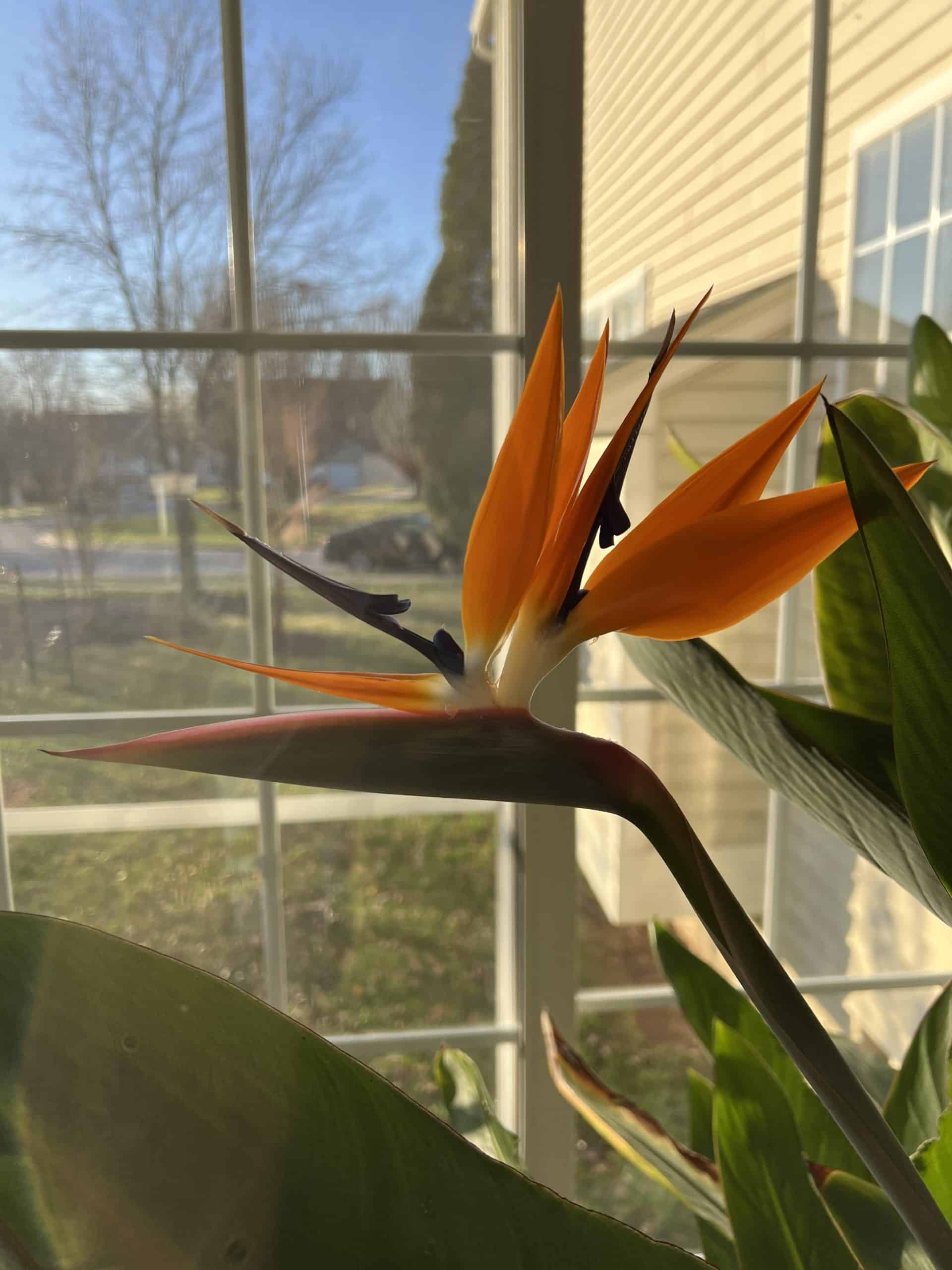
Bird of Paradise plants are known for their bright, exotic flowers. When they do not bloom, it can be disappointing.
Several common reasons can stop your plant from flowering. Understanding these helps you fix the problem.
Insufficient Light
Bird of Paradise plants need bright light to produce flowers. If your plant is in a dark spot, it may not bloom.
Place your plant near a window with direct sunlight for at least 4-6 hours daily.
- Use grow lights if natural light is weak
- Avoid deep shade areas
- Rotate the plant for even light exposure
Improper Watering
Too much or too little water can stress your plant. Stress stops flower growth.
Keep the soil moist but not soggy. Water when the top inch feels dry.
- Water deeply but infrequently
- Ensure good drainage to avoid root rot
- Use room temperature water
Nutrient Deficiency
Your Bird of Paradise needs nutrients to flower. Lack of nutrients can stop blooms.
Feed your plant with a balanced fertilizer during growing season to support flowering.
- Use fertilizer high in phosphorus for flowers
- Follow package instructions carefully
- Avoid over-fertilizing, which harms roots
Wrong Temperature
Bird of Paradise plants like warm temperatures. Cold or very hot conditions prevent flowering.
Keep the temperature between 65°F and 70°F (18°C to 21°C) for best results.
- Avoid cold drafts or sudden temperature changes
- Protect from frost during winter
- Provide shade if it gets too hot
Inadequate Pot Size
If the pot is too small, roots cannot grow well. This limits flower production.
Use a pot that allows room for root growth. Repot every 2-3 years as needed.
- Choose pots with good drainage holes
- Move to a larger pot if roots show outside
- Use fresh soil when repotting

Credit: www.reddit.com
Optimizing Light Conditions
Light is very important for Bird of Paradise plants. It helps them grow and bloom well. Without enough light, the plant may not flower.
Giving your plant the right light can make a big difference. Let’s look at how to choose the best location and how to use grow lights.
Choosing The Best Location
Bird of Paradise plants need bright, indirect light. A spot near a window with filtered sunlight is good. Direct sun can burn the leaves.
Make sure the plant gets at least 6 hours of light every day. South or east-facing windows are often best. Move the plant if it looks weak or stops growing.
- Place near bright windows
- Avoid harsh, direct sunlight
- Rotate the plant for even light
- Keep away from dark corners
Using Grow Lights
If natural light is low, use grow lights to help your plant. LED grow lights are energy efficient and work well. They provide the right light spectrum for growth.
Place the grow light about 12-24 inches above the plant. Turn the light on for 12 to 14 hours daily. This will support flowering and healthy growth.
- Use LED grow lights for best results
- Keep light 12-24 inches above plant
- Run lights for 12-14 hours per day
- Check plant regularly for light stress
Watering Tips For Flowering
Watering your Bird of Paradise plant correctly helps it bloom well. Too little or too much water can stop flowers from forming.
Learning the right watering habits can improve your plant’s health and encourage flowering.
Correct Watering Schedule
Keep the soil moist but not soggy. Water your plant deeply and less often to help roots grow strong.
- Check the top 2 inches of soil before watering.
- If dry, water the plant until water drains out the bottom.
- Let the soil dry slightly between waterings.
- Water more in warm months and less in winter.
Avoiding Overwatering
Too much water causes root rot and stops flowers from growing. Watch for yellow leaves and soft stems.
| Sign | Cause | Action |
| Yellow Leaves | Waterlogged Soil | Reduce watering |
| Soft Stem | Root Rot | Check drainage |
| Foul Smell | Fungal Growth | Improve air flow |
Feeding Your Plant Right
Bird of Paradise plants need the right food to bloom well. Feeding your plant properly helps it grow strong and healthy.
Without good nutrition, your plant may stay green but not flower. Let’s look at what nutrients it needs and how to feed it.
Essential Nutrients For Blooms
Plants need nutrients like nitrogen, phosphorus, and potassium. Each helps in different ways to support flowering.
- Nitrogen helps leaves grow strong and green.
- Phosphorus is important for flower and root development.
- Potassium improves overall plant health and bloom quality.
- Calcium and magnesium also support growth and flowering.
Fertilizer Types And Timing
Use the right fertilizer type and feed your Bird of Paradise at the right time. This helps the plant produce flowers.
| Fertilizer Type | When to Use | Benefits |
| Balanced (10-10-10) | Early growth season | Supports leaves and roots |
| High Phosphorus (10-30-10) | Before flowering | Encourages blooms |
| Slow-release | All season | Steady nutrient supply |
Feed your plant every 4 to 6 weeks during spring and summer. Stop feeding in fall and winter.
Temperature And Humidity Care
Bird of Paradise plants need the right temperature and humidity to bloom well. These factors affect their growth and flowering.
Keeping your plant comfortable helps it produce beautiful flowers. Let’s look at the best temperature and humidity care.
Ideal Temperature Range
Bird of Paradise plants grow best in warm temperatures. They like a daytime range between 65°F and 70°F (18°C to 21°C).
At night, the temperature should not drop below 50°F (10°C). Cold temperatures can stop flowering and harm the plant.
- Daytime: 65°F to 70°F (18°C to 21°C)
- Nighttime: Above 50°F (10°C)
- Avoid sudden cold drafts or frost
Maintaining Proper Humidity
Bird of Paradise plants like moderate to high humidity. Dry air can slow their growth and stop flowers from forming.
Keep humidity around 60% if possible. Use a humidifier or place the plant on a tray with water and pebbles.
- Ideal humidity: About 60%
- Use a humidifier in dry rooms
- Group plants to raise local humidity
- Mist leaves lightly but avoid overwatering
Repotting And Root Health
Bird of Paradise plants need healthy roots to bloom well. Repotting helps keep roots strong. It also gives the plant space to grow.
Check your plant’s root health if it is not flowering. Poor root conditions can stop flowers from forming.
When To Repot
Repot your Bird of Paradise every 2 to 3 years. Signs that it needs repotting include slow growth and soil drying out quickly. Repotting in spring is best for new growth.
- Roots growing out of drainage holes
- Soil dries very fast
- Plant looks crowded in its pot
- Growth slows down or stops
Signs Of Root Bound
Root bound means roots have filled the pot and circle inside it. This stops the plant from getting enough water and nutrients. It can also prevent flowers from blooming.
| Sign | Description |
| Root Circling | Roots grow in circles around pot edges |
| Dry Soil | Soil dries out quickly after watering |
| Poor Growth | Plant growth slows or looks weak |
| Water Drainage | Water sits on top or drains very fast |
Pruning And Maintenance
Pruning and maintenance are key to helping your Bird of Paradise bloom. These tasks keep the plant healthy and ready to flower.
Regular care removes old growth and supports new buds. Knowing when and how to prune makes a big difference.
Encouraging Flower Growth
Pruning helps the plant focus energy on producing flowers. Cut back old stems and weak growth to boost blooms.
- Wait until after blooming to prune.
- Use clean, sharp tools to avoid damage.
- Remove any stems that look thin or unhealthy.
- Trim back about one-third of the plant’s height.
- Check for crowded areas and thin them out.
Removing Dead Leaves
Dead leaves block sunlight and use energy. Remove them to keep your plant healthy and able to flower.
| Reason | Action |
| Leaves turning brown or yellow | Cut off at the base with scissors |
| Leaves with spots or damage | Remove to prevent disease spread |
| Leaves blocking new growth | Trim to open space for buds |
| Excess leaf litter | Clear from soil surface to reduce pests |
Dealing With Pests And Diseases
Pests and diseases can stop your Bird of Paradise plant from flowering. These problems weaken the plant and block growth.
It is important to check your plant often. Early action helps keep it healthy and blooming.
Common Pests Affecting Blooms
Bird of Paradise plants attract several pests that harm blooms. These pests suck plant juices and damage leaves and flowers.
- Aphids – Small, soft bugs that cluster on new growth
- Spider Mites – Tiny, spider-like pests causing fine webbing
- Mealybugs – White, cottony insects found on stems and leaves
- Scale Insects – Hard or soft shell bugs that stick to stems
These pests cause yellow leaves, stunted growth, and fewer flowers. Spotting them early is key to control.
Disease Prevention Tips
Healthy plants resist disease better. Keep your Bird of Paradise clean and dry to avoid infections.
- Water the plant only at the base to keep leaves dry
- Remove dead or yellowing leaves promptly
- Use well-draining soil to prevent root rot
- Give good air circulation around the plant
- Check plants regularly for signs of disease
- Quarantine new plants before adding them nearby
If you spot fungal spots or mold, treat quickly with a suitable fungicide or natural remedy.

Credit: www.reddit.com
Frequently Asked Questions
Why Is My Bird Of Paradise Not Flowering Indoors?
Indoor Bird of Paradise plants may lack sufficient sunlight, which is essential for blooming. Ensure they receive bright, indirect light for at least 4-6 hours daily. Also, avoid overwatering and provide proper nutrients to encourage flowering.
How Long Does A Bird Of Paradise Take To Bloom?
Typically, Bird of Paradise plants take 3 to 5 years to flower. Patience is key, as younger plants focus on foliage growth before producing blooms. Proper care speeds up the flowering process.
Does Temperature Affect Bird Of Paradise Flowering?
Yes, Bird of Paradise plants prefer temperatures between 65°F and 70°F. Cooler temperatures can delay or prevent flowering. Maintain consistent warmth and avoid drafts to promote healthy blooms.
Can Improper Watering Stop Bird Of Paradise From Flowering?
Overwatering or underwatering can stress the plant, hindering flower production. Water only when the top inch of soil feels dry. Proper watering supports root health and encourages blooming.
Conclusion
Your Bird of Paradise plant can bloom with the right care. Ensure it gets plenty of sunlight daily. Water it properly but avoid overwatering. Check the soil; it should drain well. Fertilize during its growing season for better blooms. Keep the temperature warm, around 65-70°F.
Regularly prune dead leaves to encourage growth. Patience is key; it might take time. Follow these steps, and your plant should thrive. Soon, you might enjoy its vibrant flowers. Keep observing and adjusting care as needed. Your efforts will be worth it.