Feeding wild birds brings nature closer to home and supports their survival year-round. This guide covers essential tips for feeding birds safely and effectively.
Wild bird feeding is a simple way to enjoy colorful visitors in your yard. Choosing the right food and feeders helps attract different bird species. Clean feeders prevent disease and keep birds healthy. Understanding bird habits improves your chances of seeing them up close.
Feeding also helps birds during harsh weather when natural food is scarce. This guide shares advice from trusted resources to create a safe and welcoming space for wild birds. Whether you want to start feeding or improve your current setup, these tips make bird feeding easy and rewarding. Watch your backyard come alive with birds of all kinds.
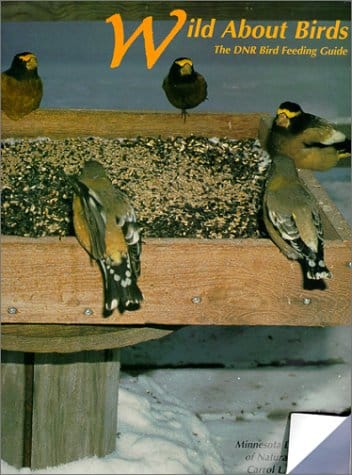
Wild About Birds: The Dnr Bird Feeding Guide

Wild about Birds: The Dnr Bird Feeding Guide is perfect for avid bird watchers, nature enthusiasts, and anyone looking to attract and feed birds in their backyard. This guide is especially useful for beginners who want to learn the best practices for bird feeding as well as seasoned bird lovers seeking detailed information on local bird species and feeding techniques.
Pros:
- Comprehensive guide with 278 pages of detailed information
- Published by Minnesota’s Bookstore, ensuring authoritative content
- Easy-to-follow feeding tips tailored for various bird species
- First Edition collectible for bird feeding enthusiasts
- Reasonable weight of 2.45 pounds makes it portable and easy to handle
Cons:
- Publication date of 1995 may mean some information is slightly outdated
- Focused mainly on birds native to Minnesota, limiting its scope for other regions
- Physical book format may not suit those who prefer digital guides
This guide offers an in-depth look at bird feeding techniques, including what types of feeders and food attract different species. Its thorough approach benefits users by helping them create a more bird-friendly environment, increasing the chances of attracting a diverse range of birds. The detailed descriptions and practical advice make it easier for readers to understand bird behavior and nutritional needs, enhancing their bird-watching experience.
Additionally, the book’s sturdy physical format and comprehensive coverage make it a reliable reference to keep on hand while setting up or maintaining bird feeders. Whether you want to identify birds by their feeding habits or improve the health and variety of birds visiting your yard, this guide provides valuable insights. Its regional focus also means users in Minnesota and surrounding areas get specialized knowledge tailored to their local bird population.
The Backyard Bird Sanctuary

The Backyard Bird Sanctuary: A Beginner’s Guide to Creating a Wild Bird Habitat at Home is ideal for nature enthusiasts, gardening lovers, and anyone looking to attract and support wild birds in their own backyard. This guide is perfect for beginners who want to learn how to create a safe and inviting habitat for birds, enhancing their outdoor space with natural beauty and wildlife activity.
Pros:
- Comprehensive beginner-friendly instructions for creating bird habitats
- Compact and easy-to-handle size (9.125 inches height, 7.0 inches length)
- Lightweight at just about 1 pound, making it portable
- Published by reputable manufacturer Adams Media
- Contains 128 pages filled with practical tips and detailed guidance
- Updated information as of March 2022 ensuring current best practices
Cons:
- May not cover advanced bird habitat techniques for experienced birders
- Physical book format might not suit those who prefer digital versions
This guide offers detailed steps on how to create a thriving wild bird habitat right in your backyard, focusing on selecting the right plants, feeders, and water sources. By following the practical advice, users can attract a variety of bird species, enjoy birdwatching, and contribute positively to local wildlife conservation. The book’s manageable size and weight make it easy to reference while working outdoors.
Additionally, the book emphasizes sustainable and eco-friendly practices, helping readers establish a habitat that is both beneficial for birds and environmentally responsible. With its clear layout and expert tips from Adams Media, this guide transforms any outdoor area into a vibrant sanctuary that supports bird populations and enriches the homeowner’s connection with nature.
The Wild Game Birds Manual

The Wild Game Birds Manual is ideal for enthusiasts and small-scale farmers who are interested in raising, feeding, and breeding game birds. Whether you’re a beginner or have some experience, this guide provides essential knowledge to help you effectively care for your pet game birds and manage their health and environment.
Pros:
- Comprehensive coverage of raising, feeding, care, diseases, and breeding game birds
- Compact and easy-to-read format with 114 pages
- Published by CreateSpace Independent Publishing Platform, ensuring reliable content
- Practical tips suitable for both beginners and experienced bird keepers
- Lightweight and portable with dimensions of 9.0 x 6.0 x 0.26 inches
Cons:
- Some information may be dated as the book was published in 2014
- Lacks extensive visual aids or illustrations that some users might prefer
- Focused specifically on game birds, so not suitable for all types of pet birds
This manual delves into the essential aspects of raising game birds, from their nutritional requirements to proper housing and care techniques. It emphasizes understanding the unique needs of different species, which helps users optimize bird health and productivity. Additionally, the book addresses common diseases and preventive measures, enabling bird keepers to maintain a healthy flock and reduce losses.
The guide also covers breeding strategies, helping users improve their flock quality through informed decisions. With its clear instructions and practical advice, readers gain confidence in managing their birds effectively. The compact size and well-organized content make it a handy reference for anyone passionate about game bird care and breeding.
Stokes Beginner’s Guide To Bird Feeding

The Stokes Beginner’s Guide to Bird Feeding is perfect for those who are new to bird watching and want to attract and care for local birds in their backyard. Ideal customers include nature enthusiasts, families looking to introduce children to wildlife, and anyone eager to learn the basics of bird feeding with practical guidance.
Pros:
- Comprehensive yet easy-to-understand introduction to bird feeding
- Compact and lightweight design with dimensions 7.125 x 0.375 x 4.5 inches
- Includes detailed information on various bird species and their feeding habits
- Published by reputable Little, Brown and Company
- Multicolor presentation makes it visually appealing and engaging
Cons:
- Only 150 pages, which may be brief for advanced birders
- Publication date from 2002, so some information may be outdated
- Limited edition availability (1st edition only)
The Stokes Beginner’s Guide to Bird Feeding offers a well-structured approach to understanding bird feeding essentials. With its manageable size and weight, it is easy to carry outdoors for quick reference. The book covers key topics such as choosing the right feeders, selecting appropriate bird food, and understanding bird behaviors, which helps beginners create a welcoming environment for birds.
Readers benefit from the clear instructions and colorful illustrations, which enhance learning and make the process enjoyable. Despite being published in 2002, the guide remains a valuable resource for foundational knowledge, helping users develop a rewarding hobby that promotes wildlife appreciation and conservation.
The Backyard Bird-lover’s Guide

Ideal for bird enthusiasts, nature lovers, and anyone looking to enhance their outdoor space, The Backyard Bird-Lover’s Guide: Attracting, Nesting, Feeding is perfect for those who want to create a welcoming habitat for local bird species. Whether you’re a beginner or an experienced bird watcher, this guide offers practical advice to attract and care for birds in your own backyard.
Pros:
- Comprehensive coverage of bird attracting, nesting, and feeding techniques
- Clear, easy-to-follow instructions suitable for all skill levels
- Compact and lightweight with a durable design measuring 10.1 inches by 7.05 inches
- Published by the reputable Storey Publishing, ensuring high-quality content
- Extensive 320-page guide providing detailed insights and tips
Cons:
- Publication date (1996) may mean some information is slightly outdated
- Physical book size might be less convenient compared to digital formats
The Backyard Bird-Lover’s Guide offers a wealth of information on how to attract a variety of birds by creating ideal nesting environments and providing appropriate feeding options. Its detailed explanations help readers understand bird behaviors and preferences, allowing them to successfully establish a bird-friendly backyard. The guide’s practical tips enable users to select the right feeders, plants, and nesting materials that encourage birds to visit and stay.
Additionally, the book’s layout and design make it easy to navigate through topics, making it a valuable resource for both casual bird watchers and dedicated bird lovers. The benefits include fostering a deeper connection with nature, enjoying the beauty of local bird species, and contributing to wildlife conservation efforts by supporting bird habitats. Overall, this guide is an excellent tool for anyone interested in enhancing their outdoor space with the vibrant presence of birds.
Recipe Book For Feeding Wild Birds

The Recipe Book for Feeding Wild Birds is ideal for bird enthusiasts, nature lovers, and anyone interested in attracting and nourishing wild birds in their backyard. If you want to provide healthy, homemade food that supports local bird populations and enhances your birdwatching experience, this book is a perfect choice. It is especially useful for beginners and seasoned bird feeders looking for diverse and easy-to-make recipes.
Pros:
- Contains 96 pages of detailed and practical recipes
- Compact and lightweight with dimensions of 8.5 x 7.0 x 0.22 inches, making it easy to handle
- Published by CreateSpace Independent Publishing Platform, ensuring quality and reliable content
- Provides natural and nutritious food options to attract a wide variety of wild bird species
- Easy-to-follow instructions suitable for all skill levels
Cons:
- Limited to 96 pages, which may restrict the number of recipes for avid feeders
- Publication date is 2007, so some content might be slightly outdated compared to recent bird feeding trends
- Physical book format might not appeal to those preferring digital versions
This recipe book offers a thoughtfully curated collection of bird food recipes designed to meet the dietary needs of various wild birds. Each recipe is crafted to be simple, using ingredients that are typically easy to find, which benefits users by saving time and effort in preparation. The compact size and lightweight design make it convenient to carry outdoors or keep handy in your kitchen or feeding station.
Beyond just recipes, the book serves as a practical guide to understanding bird nutrition and feeding habits, helping users foster a healthier environment for wild birds. By using these recipes, feeders can expect to attract a more diverse range of bird species, enhancing their backyard ecosystem and providing rewarding birdwatching opportunities. The knowledge shared empowers users to contribute positively to local wildlife conservation.
Peterson Field Guide To Feeder Birds Of Eastern North America
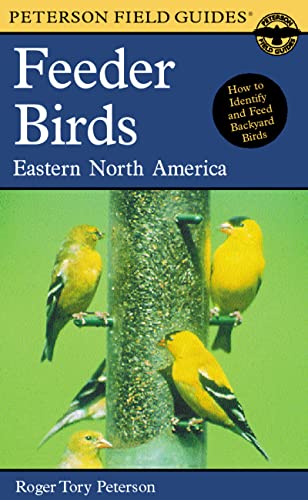
The Peterson Field Guide to Feeder Birds of Eastern North America is ideal for bird enthusiasts, nature lovers, and anyone interested in identifying and learning about the diverse species of birds commonly found at feeders in Eastern North America. Whether you are a beginner or an experienced birder, this guide provides valuable insights and easy-to-use information to enhance your birdwatching experience.
Pros:
- Compact and lightweight design makes it easy to carry in the field.
- Contains detailed illustrations and descriptions for accurate bird identification.
- Published by a reputable manufacturer, Houghton Mifflin Harcourt, ensuring high-quality content.
- Includes 112 pages of comprehensive information covering a wide variety of feeder birds.
Cons:
- Limited to feeder birds of Eastern North America, so not suitable for birdwatchers outside this region.
- Publication date is from 2000, so some information may be outdated compared to newer guides.
- Relatively slim at 112 pages, which may not cover every species in extensive detail.
This field guide features high-quality illustrations and concise descriptions, making it easy for users to quickly identify birds visiting their feeders. Its compact dimensions—just over 10 inches tall and under an inch thick—mean it can easily fit in a backpack or even a large pocket, allowing for convenient use during outdoor excursions. The guide’s focus on feeder birds means it targets species that are commonly seen in backyards, making it especially useful for casual birdwatchers and homeowners interested in attracting birds.
The benefits of using this guide include enhanced birdwatching enjoyment and educational value, as users gain a deeper understanding of the habits, appearances, and behaviors of feeder birds. The publisher, Mariner under Houghton Mifflin Harcourt, ensures that the information is reliable and presented in an accessible format. While it may not cover every species in exhaustive detail due to its concise length, it strikes a balance between portability and comprehensive coverage, making it an excellent companion for anyone eager to connect with nature in Eastern North America.
Feeding Wild Birds In America
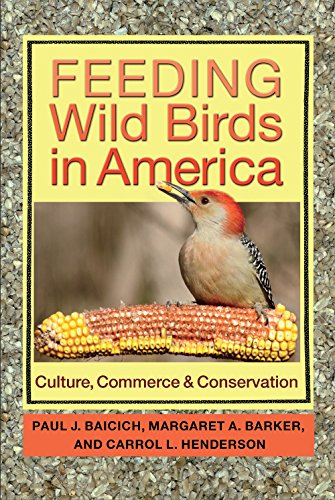
The book Feeding Wild Birds in America: Culture, Commerce, and Conservation is ideal for bird enthusiasts, conservationists, and anyone interested in understanding the relationship between humans and wild birds. If you are passionate about wildlife, environmental stewardship, or the cultural aspects of bird feeding, this illustrated edition from Texas A&M University Press offers valuable insights and detailed information to enrich your knowledge and practices.
Pros:
- Comprehensive coverage of the cultural and commercial aspects of feeding wild birds in America.
- Published by the reputable Texas A&M University Press, ensuring scholarly quality and accuracy.
- Includes illustrations that enhance understanding and engagement.
- Compact size and manageable weight (9.0 inches height, 1.45 pounds weight) make it easy to carry and reference.
- Extensive content with 320 pages that thoroughly explore the topic.
Cons:
- May be too detailed for casual readers who want only basic information.
- Publication date from 2015 might mean some information is slightly outdated.
- Length and depth might be overwhelming for beginners in bird feeding.
This book offers a unique blend of cultural history, commercial development, and conservation efforts related to feeding wild birds in America. Readers will appreciate the in-depth discussion on how bird feeding practices have evolved over time and the impacts these have on bird populations and ecosystems. The illustrated edition brings the subject to life, making complex concepts accessible and visually engaging.
The detailed analysis provided by Texas A&M University Press helps users understand the balance between enjoying bird feeding as a hobby and supporting conservation goals. Whether you are looking to learn about the commercial market of bird feeding products or the ecological consequences of feeding wild birds, this book serves as a valuable resource for informed and responsible bird lovers.
Hand-taming Wild Birds At The Feeder

Hand-Taming Wild Birds at the Feeder is ideal for bird enthusiasts and nature lovers who want to deepen their connection with wild birds. If you are someone eager to learn techniques for gently gaining the trust of wild birds and enjoy their close presence at your feeder, this book provides practical guidance and insights. It suits both beginners and experienced bird watchers aiming to enhance their bird-feeding experience.
Pros:
- Provides clear, step-by-step instructions for hand-taming wild birds.
- Compact and easy-to-handle size with 150 pages of valuable content.
- Written by Countryman Pr, a trusted publisher in nature and wildlife topics.
- Lightweight and portable with dimensions of 9.0 inches height, 6.0 inches length, and 0.5 inches width.
Cons:
- Publication date is 1991, so some techniques may feel dated compared to newer methods.
- May require patience and consistent effort, as taming wild birds is a gradual process.
This book explores the fascinating art of hand-taming wild birds, focusing on practical methods to invite birds to feed directly from your hand. The detailed instructions help readers understand bird behavior and how to build trust gradually, enhancing the overall bird-watching experience. The manageable size and weight make it easy to carry outdoors for reference during feeding sessions.
By following the guidance in this book, users benefit from more intimate and rewarding interactions with wild birds. The insights into bird habits and feeding preferences can transform your backyard into a lively sanctuary. Additionally, the knowledge gained supports ethical and respectful treatment of wildlife, promoting a harmonious environment for both birds and humans.
The Birds At My Table: Why We Feed Wild Birds And Why It Matters

Ideal for bird enthusiasts, nature lovers, and anyone curious about the impact of feeding wild birds, The Birds at My Table: Why We Feed Wild Birds and Why It Matters offers valuable insights into this popular pastime. If you want to understand the ecological and emotional significance behind bird feeding, this book is an excellent resource.
Pros:
- Comprehensive exploration of the reasons behind feeding wild birds
- Detailed scientific and emotional perspectives
- Published by reputable Comstock Publishing Associates
- Extensive content spread across 346 pages
- Well-researched and supported by studies up to its 2018 publication date
Cons:
- May be too detailed for casual readers
- Focuses primarily on North American bird species and feeding practices
- Not a pictorial guide, limited visuals
The Birds at My Table delves deeply into the multifaceted reasons why people feed wild birds, combining scientific research with personal anecdotes. The book discusses how bird feeding influences bird behavior, ecology, and human connection to nature, providing readers with a balanced understanding of both benefits and potential drawbacks.
With thorough coverage across its 346 pages, this publication offers readers valuable knowledge that can enhance their bird feeding experience. It emphasizes ethical feeding practices and highlights how this activity can foster a sense of stewardship and joy in observing wildlife up close, making it a meaningful read for anyone invested in wildlife conservation and enjoyment.
Frequently Asked Questions
What Are The Best Seeds For Feeding Wild Birds?
Black oil sunflower seeds are popular and nutritious. They attract many bird species and are easy to digest. Millet and nyjer seeds are also favored by finches and smaller birds. Offering a mix ensures a diverse range of visitors to your feeder.
How To Create A Safe Bird Feeding Habitat At Home?
Place feeders away from windows to prevent collisions. Keep feeding areas clean and dry to avoid diseases. Provide fresh water and natural cover like shrubs or trees for protection. Avoid using pesticides in your garden to keep birds safe and healthy.
What Equipment Is Essential For Beginner Bird Feeders?
Start with a simple tube feeder or platform feeder. Use seed trays to reduce waste and mess. A squirrel baffle helps keep feeders safe from pests. Choose feeders that are easy to clean to maintain bird health and prevent mold growth.
How Can I Attract A Variety Of Wild Birds?
Offer different seed types like sunflower, millet, and safflower. Provide water sources such as birdbaths or shallow dishes. Plant native shrubs and trees that offer food and shelter. Change feeder locations occasionally to encourage diverse bird visits.
What Are Common Bird Feeding Mistakes To Avoid?
Avoid overfeeding which can lead to dependency and health issues. Don’t use moldy or wet seeds; they harm birds. Clean feeders regularly to prevent diseases. Avoid feeding birds bread or processed foods; they lack proper nutrients.
Why Is Feeding Wild Birds Important For Conservation?
Feeding supports birds during harsh seasons and habitat loss. It helps maintain local bird populations and biodiversity. Bird feeding encourages environmental awareness and appreciation. Responsible feeding can aid in tracking and studying bird behaviors and health.
Conclusion
Feeding wild birds is a rewarding experience. It connects us to nature and supports local wildlife. With guidance from resources like “The Dnr Bird Feeding Guide” and “The Backyard Bird Sanctuary,” you can create a welcoming habitat. These books provide valuable tips for feeding and attracting diverse bird species to your garden.
Understanding bird needs helps improve their health and survival. Simple actions, such as choosing the right feeders and food, make a big difference. Whether you’re a beginner or an experienced bird enthusiast, resources like “Stokes Beginner’s Guide to Bird Feeding” are invaluable.
You can learn about bird behavior and preferences, enhancing your bird-watching experience. Remember, feeding wild birds is more than a hobby. It’s about conservation and appreciation. So, start today. Enjoy the beauty and song of these wonderful creatures. They’ll bring joy to your daily life and contribute to a thriving ecosystem.