Have you ever wondered if the bird seed you scatter in your garden could actually grow into plants? It’s a question many gardeners and bird lovers ask themselves.
If you’re curious about whether bird seed can germinate and what that means for your backyard, you’re in the right place. Understanding this can help you decide how to care for your garden and attract more wildlife. Keep reading, and you’ll discover the surprising truth about bird seed and how it might just bring new life to your outdoor space.

Credit: www.reddit.com
Bird Seed And Germination Basics
Bird seed is made to feed birds, but some types can grow into plants. Germination means a seed starts to grow. Not all bird seeds will sprout.
Knowing which seeds can grow and how to help them sprout is important. This guide explains the basics of bird seed germination.
Types Of Bird Seeds Suitable For Planting
Some bird seeds easily sprout and grow into plants. These seeds are often sold in bird feed. They include sunflower, millet, and safflower seeds.
Other seeds like cracked corn or mixed grains may not grow well. Choose whole, untreated seeds for better results.
- Sunflower seeds
- Millet seeds
- Safflower seeds
- Nyjer seeds
- Canary seeds
Factors Affecting Seed Germination
Seeds need the right conditions to start growing. Water, temperature, soil, and light all affect germination.
Too much or too little water can stop seeds from sprouting. Warm soil helps seeds grow. Some seeds need light, others grow better in darkness.
- Moist but not soggy soil
- Warm temperatures (60-75°F)
- Proper light or darkness based on seed type
- Good soil drainage
- Fresh seeds
Common Germination Challenges
Seeds may fail to sprout for several reasons. Old seeds lose their ability to grow. Too much water can cause seeds to rot.
Pests like birds or insects can eat seeds before they grow. Poor soil and wrong temperature can also stop germination.
- Old or damaged seeds
- Overwatering or underwatering
- Soil that holds too much water
- Cold or too hot temperatures
- Pests eating seeds

Credit: birdsupplies.com
Preparing Bird Seeds For Planting
Planting bird seeds can be a fun way to grow your own plants. Before planting, you must prepare the seeds properly. This helps improve germination and plant health.
Preparing bird seeds means cleaning, soaking, and choosing the right soil. Each step helps the seeds grow better and faster.
Cleaning And Sorting Seeds
Clean the seeds to remove dust, husks, and broken pieces. Dirty seeds may not grow well or could carry diseases.
Sort seeds by size and quality. Use only whole, firm seeds for planting. Discard any shriveled or damaged ones.
- Rinse seeds in cool water
- Remove floating seeds as they may be empty
- Spread seeds on a dry towel to air dry
- Separate large seeds from small ones
Soaking And Pre-treatment Methods
Soaking seeds helps soften the seed coat. This speeds up germination by letting water reach inside.
Soak seeds in room temperature water for 6 to 12 hours. Avoid soaking more than 24 hours to prevent rotting.
- Use clean water for soaking
- Change water if it becomes cloudy
- Drain seeds well before planting
- Some seeds may benefit from scarification (light scratching)
Choosing The Right Soil And Containers
Pick soil that drains well but holds some moisture. Bird seeds grow best in light, loose soil.
Use containers with drainage holes to avoid water buildup. This prevents seed rot and root problems.
- Use seed-starting mix or sandy loam soil
- Fill containers without packing soil too tight
- Water soil before planting seeds
- Keep containers in a warm, bright spot
Planting Techniques For Bird Seeds
Bird seeds can grow into plants if planted correctly. Understanding the right methods helps seeds sprout well. This guide covers key techniques for planting bird seeds.
Planting bird seeds needs care with depth, water, temperature, and light. These factors affect if seeds will germinate and grow healthy plants.
Optimal Depth And Spacing
Plant bird seeds at the right depth and space. Too deep or crowded planting stops growth. Most bird seeds do best when planted shallowly.
- Plant seeds about ¼ to ½ inch deep.
- Space seeds at least 1 inch apart for room to grow.
- Use loose soil to help roots spread easily.
- Cover seeds lightly with soil or sand.
Watering Practices
Keep soil moist but not soaked to help seeds sprout. Water gently to avoid moving the seeds. Regular watering keeps seeds hydrated during germination.
| Watering Tip | Purpose |
| Light watering daily | Keeps soil moist |
| Avoid standing water | Prevents seed rot |
| Use spray bottle | Gentle on seeds |
| Water in the morning | Reduces evaporation |
Temperature And Light Requirements
Bird seeds need warmth and light to start growing. Most seeds germinate best at temperatures between 65°F and 75°F. Light helps seedlings grow strong once sprouted.
Tips for temperature and light:
- Keep seeds in a warm spot, not cold.
- Provide indirect sunlight or use grow lights.
- Avoid direct harsh sunlight that dries soil.
- Maintain consistent temperature for steady growth.
Caring For Seedlings
Bird seed can sprout if conditions are right. Once seedlings appear, they need gentle care. Proper care helps them grow strong and healthy.
Knowing how to care for seedlings ensures they survive and thrive. This includes spotting healthy growth, protecting from pests, and feeding them well.
Identifying Healthy Growth
Healthy seedlings show bright green leaves and sturdy stems. Their roots look white and spread well in the soil. Avoid seedlings that are yellow, wilted, or have spots.
- Leaves should be fully open and vibrant
- Stems must be firm, not thin or floppy
- Roots should fill the container without crowding
- No signs of mold or rot on leaves or soil
Preventing Pests And Diseases
Seedlings are easy targets for pests and diseases. Keep the area clean and dry. Watch for bugs or unusual spots on leaves. Remove any affected seedlings fast to stop spread.
| Common Pest | Prevention | Action |
| Aphids | Use natural predators like ladybugs | Spray mild insect soap |
| Fungus gnats | Let soil dry between waterings | Use sticky traps |
| Powdery mildew | Provide good air flow | Remove infected leaves |
Fertilizing And Transplanting Tips
Feed seedlings with a mild fertilizer every two weeks. Use a balanced mix to support growth. When roots fill the pot, transplant seedlings to bigger containers or outside.
- Choose a light liquid fertilizer diluted to half strength
- Water seedlings before applying fertilizer
- Wait until seedlings have 2-3 true leaves to transplant
- Handle seedlings by leaves, not stems, to avoid damage
- Transplant into soil that drains well and is rich in nutrients
Common Mistakes And Troubleshooting
Growing bird seed into plants can be tricky. Many people face problems with germination and seed health. Understanding common mistakes helps to fix these issues quickly.
Below are tips to improve seed growth and handle problems like mold or dead seeds.
Overcoming Poor Germination Rates
Poor germination happens when seeds do not sprout well. This can be due to wrong watering, bad soil, or old seeds.
Use fresh seeds and keep soil moist but not wet. Make sure seeds get enough warmth and light.
- Use fresh, high-quality seeds
- Keep soil moist but avoid waterlogging
- Plant seeds at the right depth
- Provide warmth between 65-75°F (18-24°C)
- Ensure good light for seedlings
Dealing With Mold And Rot
Mold and rot happen when seeds or soil stay too wet. This stops seeds from sprouting and can kill young plants.
To prevent mold, use well-draining soil and water less often. Airflow helps keep the soil dry and healthy.
- Use soil that drains water well
- Water seeds lightly and less often
- Keep seeds in a place with good air flow
- Remove moldy seeds and soil quickly
When To Discard Non-viable Seeds
Some seeds do not grow no matter what you do. These are called non-viable seeds.
If seeds do not sprout after 2-3 weeks or look damaged, it is best to throw them away.
- Seeds that stay hard and dry after soaking
- Seeds with cracks or dark spots
- No sprouts after several weeks
- Seeds with a bad smell or mold

Credit: www.youtube.com
Creative Uses For Bird Seed Plants
Bird seed can grow into many kinds of plants. These plants have many uses beyond feeding birds.
Using bird seed plants creatively helps nature and makes gardens more fun and useful.
Attracting Wildlife
Plants from bird seed attract birds, bees, and butterflies. These animals help gardens grow well.
Growing bird seed plants close to your home lets you watch wildlife every day.
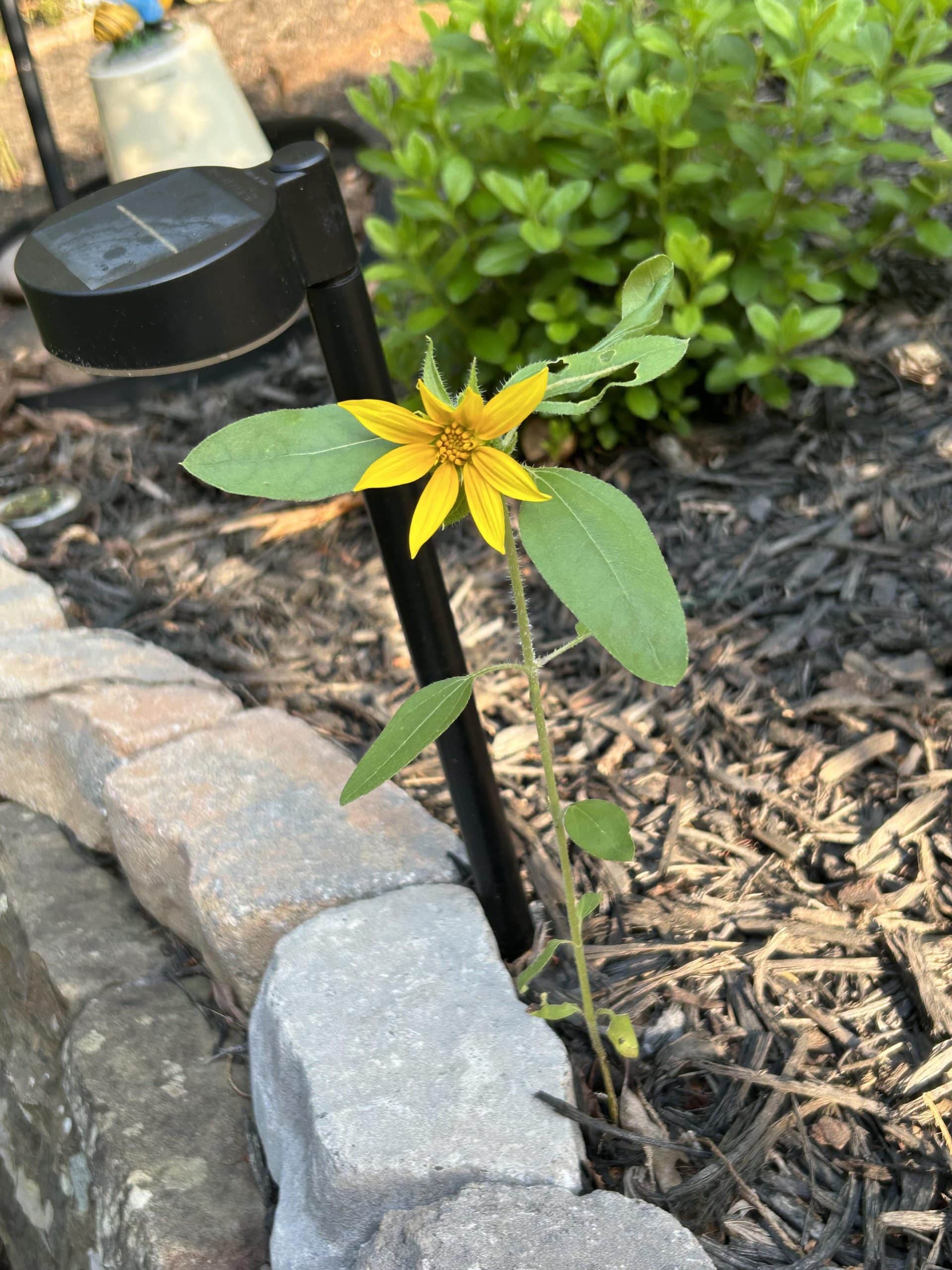
- Sunflowers bring many kinds of birds
- Millet attracts small songbirds
- Nyjer seeds draw finches
- Flowering plants provide nectar for bees and butterflies
Decorative And Edible Plants
Many bird seed plants look nice in gardens. Some produce food you can eat too.
Sunflowers have large bright flowers and edible seeds. Amaranth plants have colorful leaves and grains.
- Sunflowers add color and snacks
- Amaranth leaves can be cooked like spinach
- Millet grains can be used in cooking
- Flax plants provide seeds for baking and salads
Sustainable Gardening Practices
Planting bird seed plants supports eco-friendly gardens. They need less water and help soil health.
These plants reduce waste by using leftover bird seed. They also attract helpful pollinators.
- Use bird seed plants to prevent soil erosion
- Grow native bird seed plants for better growth
- Feed wildlife naturally without chemicals
- Save water by choosing drought-tolerant plants
Frequently Asked Questions
Will Bird Seed Sprout If Planted In Soil?
Yes, many bird seeds can sprout when planted in soil. However, germination depends on seed type, freshness, and conditions like moisture and temperature. Some seeds may not grow well if treated or shelled. Always check seed viability before planting for best results.
How To Germinate Bird Seed Effectively?
To germinate bird seed, soak seeds in water overnight. Plant them in moist, well-draining soil. Keep the soil warm and lightly moist. Provide indirect sunlight and avoid overwatering. Germination time varies by seed type, so patience is essential.
Can All Bird Seed Types Germinate?
Not all bird seeds will germinate. Some seeds are processed or treated to prevent sprouting. Common germinating seeds include sunflower, millet, and sorghum. Always verify seed type and source before attempting to grow them.
Does Old Bird Seed Germinate Well?
Old bird seed often has reduced germination rates. Seed viability decreases over time due to exposure to air and moisture. For best results, use fresh seeds stored in a cool, dry place to ensure higher sprouting success.
Conclusion
Bird seed can sprout under the right conditions. Moisture and warmth help germination. Most seeds in bird food mixes are viable. But not all seeds will grow. Some are treated to prevent sprouting. Others are not suitable for your climate.
Curious gardeners might experiment with different seeds. Plant them in a small plot or pot. Observe which ones sprout and thrive. It’s a fun way to learn about seeds. Plus, you can enjoy watching nature at work. This simple activity can also lead to a beautiful garden.
A learning experience for all ages.