Have you ever noticed mold growing on your bird seed and wondered if it’s safe for the birds you feed? You want to help your feathered friends, but could that mold actually harm them?
Understanding the risks of moldy bird seed is important to keep your backyard birds healthy and happy. You’ll discover why moldy seed can be dangerous, what signs to watch for, and simple steps you can take to protect the birds you care about.
Keep reading to make sure your feeding routine is safe and beneficial for every visitor to your feeder.

Credit: green-backyard.com
Dangers Of Moldy Bird Seed
Moldy bird seed can harm wild and pet birds. Mold grows when seed gets wet or old.
Birds may eat moldy seed by mistake. This can cause illness or worse.
Toxins Produced By Mold
Some molds make toxins called mycotoxins. These chemicals are harmful to birds.
Mycotoxins can poison birds slowly or quickly. They affect bird organs and immune systems.
- Aflatoxins: cause liver damage and death
- Ochratoxins: harm kidneys and nerves
- Fumonisins: affect brain and lungs
Health Effects On Birds
Birds eating moldy seed may show many symptoms. They may act weak or sick.
Common signs include:
- Loss of appetite
- Breathing problems
- Diarrhea or vomiting
- Fluffed feathers and lethargy
- Tremors or seizures
Severe poisoning can lead to death. Sick birds need quick care and fresh seed.
Common Mold Types In Bird Seed
Several mold types grow in bird seed. These molds thrive in damp and warm conditions.
Some common molds found in bird seed include:
- Aspergillus: produces dangerous aflatoxins
- Penicillium: can spoil seed and produce toxins
- Fusarium: releases harmful fumonisins
- Cladosporium: causes seed decay and moldy smell

Credit: seabrookeleckie.com
Signs Of Mold In Bird Seed
Moldy bird seed can harm birds if they eat it. It is important to know how to spot mold in the seed. This helps keep birds safe and healthy.
Bird seed can develop mold if stored in damp or warm places. Mold grows quickly and changes the seed’s look, smell, and feel.
Visual Indicators
Look closely at the bird seed to find mold. Mold can look like spots or patches on the seed surface.
- White, green, or gray fuzzy patches
- Dark spots or discoloration on seeds
- Clumps of seeds stuck together
- Powdery or dusty coating on seed surface
Smell And Texture Changes
Mold changes how bird seed smells and feels. Fresh seed has a neutral or mild scent. Moldy seed smells musty or sour.
The texture also changes. Moldy seed may feel damp, sticky, or soft instead of dry and firm.
How To Inspect Seed Properly
Inspect bird seed carefully before feeding birds. Use these simple steps to check for mold.
- Spread the seed on a clean surface in good light.
- Look for any discoloration or fuzzy spots.
- Smell the seed for any off or sour odors.
- Touch the seed to check for dampness or stickiness.
- Discard any seed that shows signs of mold.
Impact On Bird Behavior And Survival
Moldy bird seed can change how birds act and survive. Birds may eat less or stop eating.
It can also make birds weaker and more likely to get sick. These effects can harm their chances of living.
Reduced Feeding Activity
Moldy seed tastes bad and can smell unpleasant to birds. Birds may avoid eating it.
Less eating means birds get less energy. They may stop visiting feeders or leave the area.
Increased Vulnerability To Illness
Mold contains toxins that can make birds sick. Eating moldy seed can cause illness or weaken their immune system.
Weak birds have trouble fighting infections. They become easy targets for predators and disease.
Long-term Consequences
Chronic exposure to moldy seed can reduce bird populations. Fewer birds survive and reproduce.
This can change local bird communities and reduce biodiversity. Healthy food is key for bird survival.
Preventing Mold Growth In Bird Seed
Moldy bird seed can harm birds and stop them from eating. Keeping seed fresh and dry helps protect birds.
Preventing mold starts with good storage, picking quality seed, and using it often. These steps keep birds safe and healthy.
Proper Storage Tips
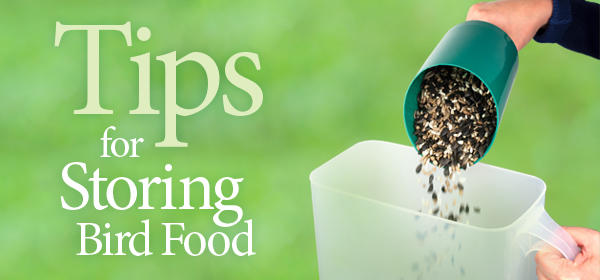
Store bird seed in a dry place. Moisture causes mold to grow quickly. Keep seed in airtight containers to block air and humidity.
- Use plastic or metal containers with tight lids
- Keep seed off the ground and away from rain
- Store seed in a cool, dark place
- Check seed regularly for damp spots or clumps
Choosing Quality Seed
Good seed is clean and dry. Old or broken seed can have mold spores. Buy seed from trusted sources to get fresh batches.
| Seed Type | Signs of Quality |
| Sunflower | Whole, no cracks, no dust |
| Millet | Bright color, no mold smell |
| Nyjer | Dry, not clumped or sticky |
Using Fresh Seed Regularly
Use bird seed quickly to avoid mold growth. Old seed can get damp and unsafe. Check and replace seed often.
- Buy seed in small amounts
- Refill feeders every few days
- Clean feeders before adding new seed
- Remove any seed that looks wet or moldy
What To Do If Birds Eat Moldy Seed
Moldy bird seed can be harmful to birds. It may cause sickness or worse. Knowing what to do can help keep birds safe.
This guide explains steps to take if birds eat moldy seed. It also shows signs birds may need help. Lastly, it tells when to contact wildlife experts.
Immediate Steps To Take
If you suspect birds ate moldy seed, act fast. Remove all moldy seed from feeders and ground. Clean feeders with warm water and mild soap.
- Dispose of all moldy seed safely.
- Wash bird feeders thoroughly.
- Refill feeders with fresh, dry seed.
- Offer fresh water nearby.
- Watch birds closely for any signs of illness.
Signs Birds May Need Help
Birds that ate moldy seed may show unusual signs. Look for these symptoms:
| Symptom | What It Means |
| Weakness or lethargy | Bird may be sick or poisoned |
| Fluffed up feathers | Bird is cold or ill |
| Uncoordinated movements | Nervous system may be affected |
| Loss of appetite | Bird is not feeling well |
| Breathing problems | Possible respiratory distress |
When To Contact Wildlife Experts
Call wildlife experts if you see sick or injured birds. Do this especially if birds do not improve in a day or show severe symptoms.
- Birds that cannot stand or fly.
- Signs of severe breathing trouble.
- Birds with open wounds or bleeding.
- Persistent lethargy or unusual behavior.
Wildlife experts can provide proper care and advice. Do not try to treat wild birds yourself.
Credit: tallahassee.wbu.com
Safe Feeding Practices For Wild Birds
Feeding wild birds is a fun way to enjoy nature. It also helps birds find food, especially in tough times.
Using safe feeding practices keeps birds healthy. It stops them from getting sick or hurt by bad food.
Cleaning Feeders Regularly
Dirty feeders can grow mold and bacteria. These germs can make birds very sick.
Clean your feeders at least once a week. Use hot water and mild soap to wash them well.
- Remove old seeds before refilling
- Rinse feeders well to remove soap
- Let feeders dry completely before use
Providing Fresh Water
Birds need water for drinking and bathing. Fresh water helps keep them clean and healthy.
Change the water daily. Clean water dishes often to stop bacteria from growing.
- Use shallow dishes for easy access
- Place water near feeders for convenience
- In winter, use heated water dishes if possible
Seasonal Feeding Adjustments
Birds eat different foods in different seasons. Adjust your feeding to match their needs.
In winter, offer high-energy seeds. In summer, provide fresh fruits and nuts if possible.
- Use sunflower seeds and suet in cold months
- Offer mealworms and berries in warmer months
- Reduce feeding in spring and fall as natural food returns
Frequently Asked Questions
Can Moldy Bird Seed Harm Wild Birds?
Yes, moldy bird seed can harm wild birds. Mold produces toxins that cause illness and digestive problems. Feeding moldy seeds may lead to respiratory issues or even death in severe cases. Always offer fresh, clean bird seed to keep birds safe and healthy.
How To Identify Moldy Bird Seed?
Moldy bird seed often appears discolored, clumpy, or has a fuzzy texture. It may emit a musty or sour odor. If you notice these signs, discard the seed immediately to prevent bird health risks. Regularly check your bird seed for freshness.
What Are The Risks Of Moldy Bird Seed Ingestion?
Ingesting moldy bird seed exposes birds to mycotoxins, causing digestive distress and weakened immunity. Birds may develop respiratory infections or neurological symptoms. Prolonged exposure can be fatal. Providing fresh seed minimizes these health risks for your feathered visitors.
Can Moldy Bird Seed Cause Bird Feeder Contamination?
Yes, moldy bird seed can contaminate feeders, spreading mold spores and harmful bacteria. This contamination can infect healthy birds visiting the feeder. Clean feeders regularly and avoid using moldy seeds to maintain a safe feeding environment.
Conclusion
Birds rely on us for safe food. Moldy bird seed can be harmful. It may cause health issues for them. Always check seed for mold before use. Fresh seeds help keep birds healthy and active. Store seeds in a dry, cool place.
Ensure containers are sealed tightly. This prevents moisture and mold growth. Happy and healthy birds brighten our environment. So, provide only the best quality seeds. Your feathered friends will thank you. Keep their safety in mind always. Enjoy watching them thrive in your backyard.