Have you ever wondered if the thistle bird seed you scatter in your garden will actually grow into beautiful plants? You’re not alone.
Many bird lovers and gardeners ask the same question. Knowing whether thistle seed can sprout and flourish can help you decide how to care for your outdoor space and attract more birds. You’ll discover the truth about growing thistle from bird seed and learn simple tips to make your garden thrive.
Keep reading to find out what really happens when you plant that bird seed!
Credit: www.gianteagle.com
Thistle Bird Seed Basics
Thistle bird seed is a favorite food for many wild birds. It is small and rich in oil. This makes it a great energy source.
People use thistle seeds in bird feeders to attract special birds. These seeds can grow into thistle plants under the right conditions.
Types Of Thistle Seeds
There are different types of thistle seeds used in bird feeding. Each type has unique features that birds like.
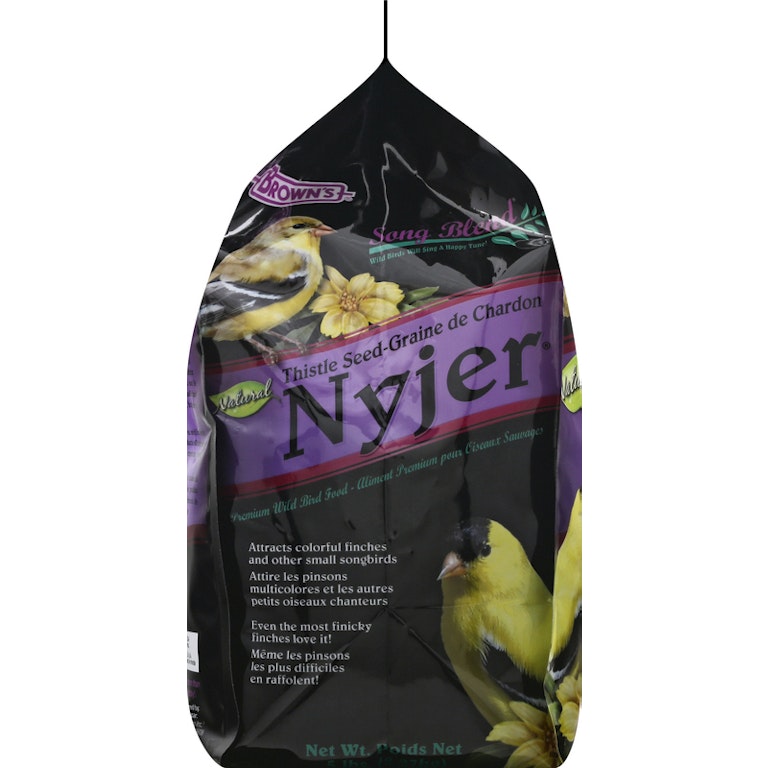
The most common type is called Nyjer or Niger seed. It is tiny, black, and oily. Another type is the native thistle seed. It comes from local plants and can grow easily in your garden.
- Nyjer (Niger) seed – small and black
- Native thistle seed – comes from local plants
- Milk thistle seed – less common in feeders
Why Thistle Seeds Attract Birds
Thistle seeds attract many birds because they are high in oil and easy to eat. Birds like finches, siskins, and redpolls enjoy these seeds the most.
These seeds are small, so birds can quickly pick them from feeders. The oil inside gives birds extra energy, especially in cold weather.
- High oil content for energy
- Small size easy for birds to eat
- Favored by finches, siskins, and redpolls
- Helps birds stay warm in winter
Germination Potential
Will thistle bird seed grow depends on its germination potential. Germination means the seed starts to sprout and grow into a new plant.
Many factors affect whether the seed can grow well or not. Understanding these helps in getting better results when planting thistle seeds.
Seed Viability Factors
Seed viability means how alive and able to sprout the seeds are. Several factors influence this.
- Seed Age:Older seeds lose viability over time.
- Storage Conditions:Seeds kept dry and cool last longer.
- Seed Quality:Damaged or broken seeds often fail to sprout.
- Moisture Content:Too much moisture can cause seeds to rot.
- Seed Dormancy:Some seeds need special treatment to break dormancy before sprouting.
Common Germination Challenges
Growing thistle from bird seed faces common problems. These challenges can stop seeds from sprouting properly.
| Challenge | Description |
| Low Germination Rate | Many bird seeds are old or mixed with fillers. |
| Seed Coating | Some seeds have a hard shell that slows water absorption. |
| Improper Soil | Too dense or dry soil can block seed growth. |
| Pests and Diseases | Insects or fungi can damage young seedlings. |
| Temperature | Seeds need the right temperature range to sprout. |
Preparing Seeds For Planting
Preparing seeds before planting helps improve their growth. Proper care can increase the chances of sprouting.
Cleaning and sorting seeds remove bad seeds and debris. Pre-soaking helps soften the seed coat for better germination.
Cleaning And Sorting Seeds
Remove dirt, husks, and broken seeds from your seed batch. This prevents disease and helps the best seeds grow.
- Spread seeds on a clean surface
- Pick out any damaged or shriveled seeds
- Remove dust and plant debris by gently shaking or blowing
- Use a fine sieve to separate smaller particles if needed
Pre-soaking Techniques
Soaking seeds softens the outer shell. This helps water reach inside and starts the sprouting process faster.
| Soaking Method | Duration | Notes |
| Room temperature water | 8-12 hours | Good for most seeds |
| Warm water soak | 4-6 hours | Speeds up germination for hard seeds |
| Cold water soak | 12-24 hours | Use for very small or delicate seeds |
Ideal Planting Conditions
Will Thistle bird seed grow depends on planting it in the right conditions. Choosing a good spot helps seeds sprout and thrive.
Understanding soil, sunlight, temperature, and watering is key to success. These factors affect how well the plants develop.
Soil Requirements
Thistle seeds grow best in loose, well-draining soil. Heavy clay or waterlogged soil can stop growth.
The soil should be slightly acidic to neutral. A pH between 6.0 and 7.0 works well for thistle plants.
- Use sandy or loamy soil for good drainage
- Avoid compacted or heavy clay soil
- Check soil pH and adjust if needed
Sunlight And Temperature
Thistle plants need full sunlight to grow strong. At least six hours of direct sun each day is ideal.
The best temperature for planting thistle seeds is between 60°F and 75°F. Cold or very hot weather can harm seedlings.
- Choose a sunny spot with minimal shade
- Plant when temperatures are mild and stable
- Avoid planting during frost or heat waves
Watering Tips
Keep the soil moist but not soggy while seeds germinate. Overwatering can cause root problems.
Once plants grow, water them less often. Deep watering helps roots grow strong and healthy.
- Water gently after planting seeds
- Maintain consistent moisture until sprouting
- Reduce watering as plants mature
Planting Methods
Thistle bird seed can grow into plants if you plant it properly. There are two main ways to start thistle seeds: outside in the garden or inside in pots.
Both ways need good soil and enough sunlight. Let’s look at how to plant thistle bird seed using these methods.
Direct Sowing Outdoors
Plant thistle seeds directly in the garden after the last frost. Choose a sunny spot with loose soil. The soil should drain well to keep seeds from rotting.
Sow the seeds on the soil surface and press them lightly. Do not cover them with too much soil. Water gently to keep the soil moist but not soaked.
- Pick a sunny place with good drainage
- Sow seeds on top of soil, then press lightly
- Water gently to keep soil moist
- Thin seedlings to avoid crowding
- Watch for weeds that may compete with thistle
Starting Seeds Indoors
Start thistle seeds indoors about 6 weeks before the last frost. Use seed trays or small pots with seed-starting mix. Plant seeds just below the surface, about 1/8 inch deep.
Keep the soil moist and place pots in a warm, bright spot. Seeds usually sprout in 7 to 14 days. When seedlings grow strong, move them outside carefully.
- Use seed trays or small pots with good soil
- Plant seeds 1/8 inch deep
- Keep soil moist but not wet
- Place in warm, bright area
- Transplant outdoors after last frost
Care After Planting
After planting thistle bird seed, proper care helps the plants grow well. This care includes managing weeds, pests, diseases, and feeding the plants.
Good care keeps the thistle healthy and supports bird life that depends on it. Let’s look at key areas for care after planting.
Weed Control
Weeds compete with thistle plants for water, light, and nutrients. Controlling weeds early helps your thistle grow strong.
- Check the area regularly for weeds.
- Remove weeds by hand or use shallow hoeing.
- Mulch around the plants to reduce weed growth.
- Avoid using strong herbicides near young plants.
Pest And Disease Management
Thistle plants can face attacks from insects or diseases. Early action protects the plants and seed yield.
| Pest/Disease | Signs | Control Method |
| Aphids | Sticky leaves, curled tips | Spray water or insecticidal soap |
| Fungal Rust | Orange spots on leaves | Remove infected leaves, improve air flow |
| Cutworms | Plants cut near ground | Use collars around seedlings |
Fertilizing Tips
Thistle plants benefit from feeding to grow healthy and produce seeds. Use fertilizers carefully.
- Use a balanced fertilizer with equal nitrogen, phosphorus, and potassium.
- Apply fertilizer after the plants have established roots.
- Water the plants after fertilizing to help nutrient absorption.
- Do not over-fertilize to avoid weak stems and poor seed quality.
Harvesting And Seed Collection
Thistle bird seed comes from the flowers of the thistle plant. You can grow thistle to feed wild birds. Harvesting and saving seeds helps you plant again next year.
Collecting seeds at the right time keeps them healthy. Proper storage stops seeds from spoiling. This guide shows when to harvest and how to store seeds.
When To Harvest
Harvest seeds after the thistle flowers dry and turn brown. The seeds are ready when the fluffy white parts appear. This means the seeds will fly away soon.
Pick seed heads on dry days to avoid mold. Use scissors or your fingers to remove the seed heads. Gather seeds carefully to keep them whole and clean.
Proper Seed Storage
Store seeds in a cool, dry place to keep them fresh. Use paper envelopes or cloth bags that allow air flow. Avoid plastic bags because moisture can build up.
Label your seed containers with the date and plant type. Check seeds before planting. Throw away any that look moldy or damaged.
- Keep seeds away from direct sunlight
- Store in a sealed container with silica gel for moisture control
- Use seeds within one year for best growth

Credit: nrarep.net
Troubleshooting Growth Issues
Thistle bird seed can sometimes fail to grow as expected. Understanding common problems can help you fix them quickly.
We will look at common issues and easy solutions to help your seeds sprout and grow healthy plants.
Common Problems
Thistle seeds may not grow due to poor soil, wrong watering, or lack of light. Each problem affects seed health differently.
- Poor soil quality can stop seeds from getting nutrients.
- Too much or too little water can cause seeds to rot or dry out.
- Insufficient sunlight slows growth or prevents sprouting.
- Planting seeds too deep or too shallow can harm growth.
- Cold temperatures can delay or stop germination.
Solutions When Seeds Fail To Grow
Check your soil and water habits to improve seed growth. Adjust sunlight and planting depth as needed.
- Use well-draining, loose soil with good nutrients.
- Water seeds gently and keep soil moist, not wet.
- Place seeds where they get at least 6 hours of sunlight daily.
- Plant seeds about 1/8 inch deep in the soil.
- Keep the area warm, ideally between 60°F and 70°F.
Credit: www.walmart.com
Frequently Asked Questions
Does Thistle Bird Seed Grow Into Plants?
Yes, thistle bird seed can grow into plants if planted in suitable soil and conditions. It requires sunlight and regular watering to germinate successfully.
How Long Does Thistle Seed Take To Sprout?
Thistle seeds typically take 7 to 14 days to sprout under optimal conditions. Warm soil and consistent moisture speed up germination.
Can I Grow Thistle From Bird Seed Indoors?
You can grow thistle indoors by planting bird seed in a pot with good drainage. Provide sunlight and water regularly for healthy growth.
Is Growing Thistle From Bird Seed Beneficial For Gardens?
Growing thistle from bird seed attracts pollinators like bees and butterflies. It also provides natural beauty and supports local wildlife habitats.
Conclusion
Thistle bird seed might not grow like regular seeds. It’s mostly sterilized. This means it won't sprout in your garden. But it's great for feeding finches and other small birds. They love it. If you want plants, try other seeds.
Consider sunflower or wildflower seeds for growth. Thistle seed is best left for bird feeders. Enjoy watching colorful birds visit. They bring life and joy to your backyard. It's a simple way to support local wildlife. Keep your garden lively and inviting for our feathered friends.