Will Wild Bird Seed Grow? Surprising Facts Explained
Have you ever wondered if the wild bird seed you scatter in your yard could actually grow into plants? You’re not alone.
Many people ask this question because it’s exciting to think that the seeds meant for birds might also bring new life to your garden. But will wild bird seed really sprout and grow? Keep reading, and you’ll discover the surprising truth about what happens when these seeds hit the soil—and how you can make the most of them for your outdoor space.
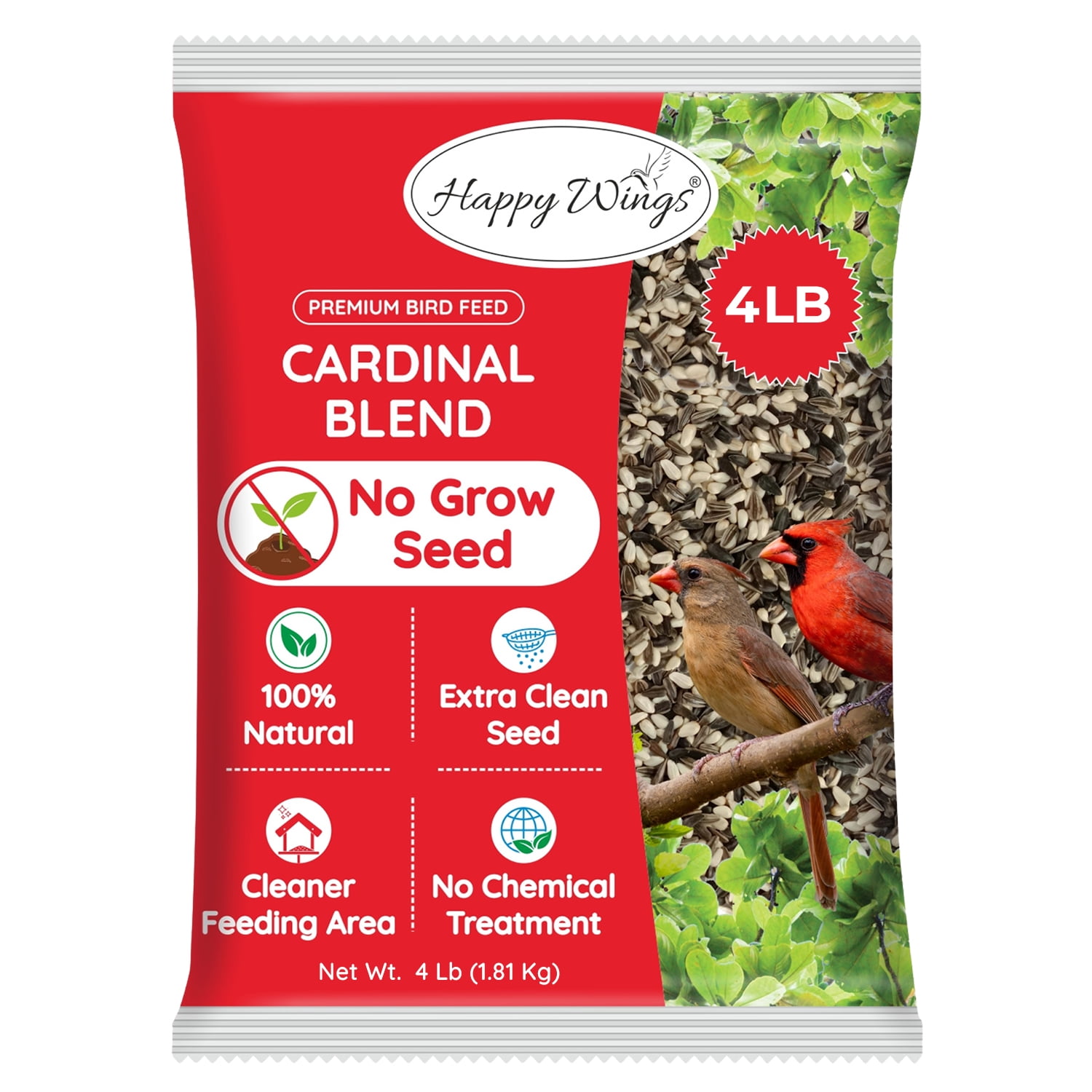
Credit: www.walmart.com
Can Wild Bird Seed Germinate?
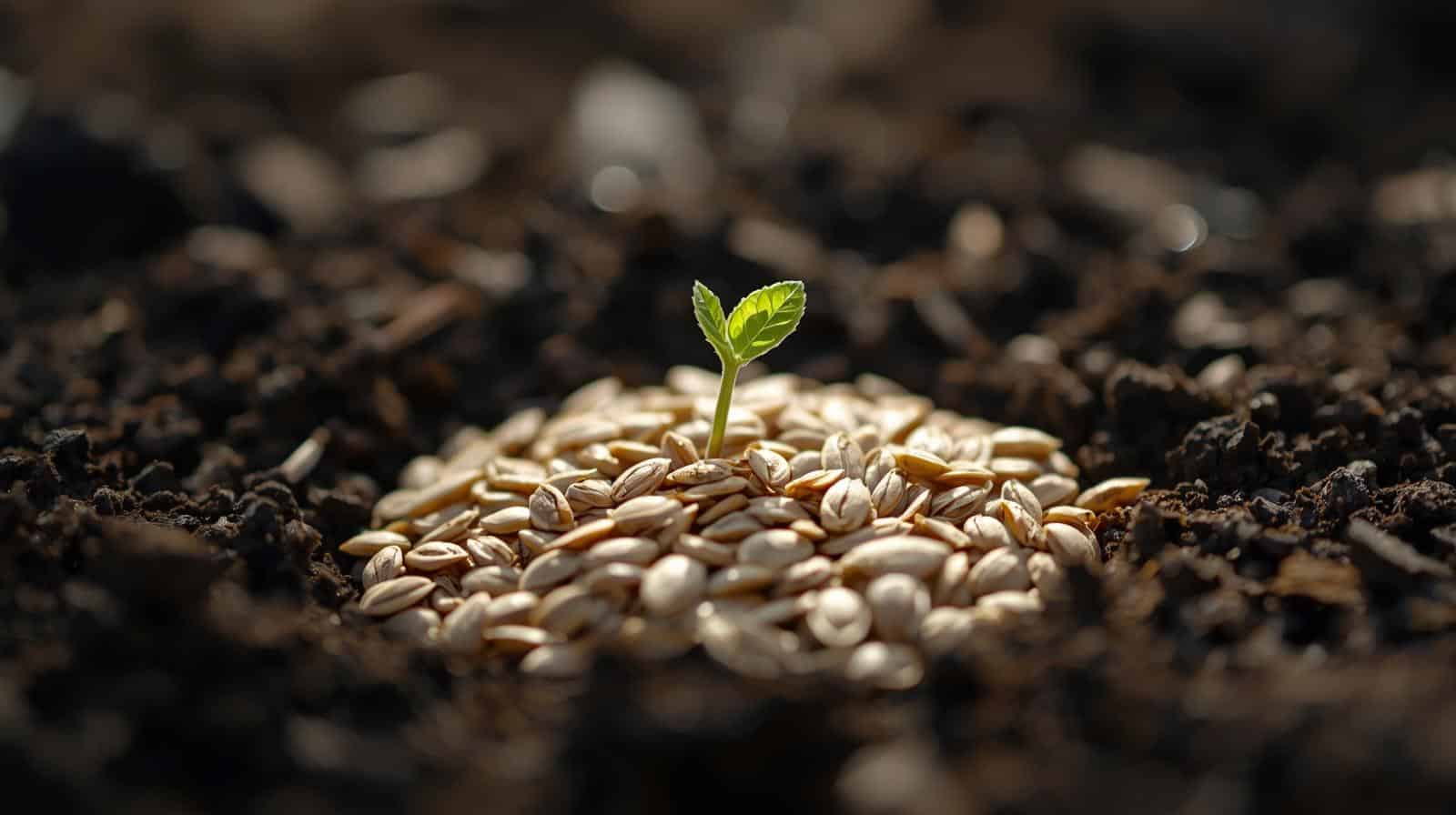
Many people wonder if wild bird seed can grow into plants. Bird seed contains many types of seeds. Some of these seeds can sprout and grow under the right conditions.
This article looks at the types of seeds in bird feed and what conditions they need to grow. Understanding this can help you decide if bird seed is good for planting or just feeding birds.
Types Of Seeds In Bird Feed
Bird feed usually contains a mix of seeds. Some common seeds are sunflower, millet, safflower, and cracked corn. Each seed has a different chance to sprout.
- Sunflower Seeds: These often germinate well if not roasted or treated.
- Millet: Small seeds that can sprout easily in good soil.
- Safflower: Can grow but may take longer to sprout.
- Cracked Corn: Usually does not sprout because it is processed.
Conditions Needed For Growth
Seeds need certain conditions to grow. These include water, warmth, soil, and light. Without these, seeds will not sprout or grow properly.
| Condition | Importance for Seed Growth |
| Water | Seeds need moisture to start germination. |
| Warmth | Most seeds grow best in warm temperatures. |
| Soil | Provides nutrients and support for roots. |
| Light | Some seeds need light to grow; others need darkness. |
Common Seeds That Sprout
Many wild bird seeds can sprout if conditions are right. Some seeds grow easily and quickly. Knowing which seeds sprout helps gardeners and bird lovers.
This guide covers common seeds that sprout and grow well. Learn about sunflower seeds, millet and sorghum, and nyjer and thistle.
Sunflower Seeds
Sunflower seeds are popular in bird feeders. They sprout well in soil with enough moisture and sunlight. The black oil sunflower seeds grow faster than striped types.
Sunflowers grow tall and attract many birds. They produce seeds that birds eat after flowering. You can plant sunflower seeds directly in your garden.
Millet And Sorghum
Millet and sorghum are small seeds used in bird mixes. These seeds can sprout in warm, moist soil. They grow into grasses that birds like for shelter and food.
Both millet and sorghum are easy to grow. They need sunlight and regular watering. Birds enjoy eating the seeds and using the plants for cover.
Nyjer And Thistle
Nyjer and thistle seeds are tiny and often fed to finches. These seeds can sprout but need careful planting. They prefer well-drained soil and some sunlight.
Nyjer plants grow into small flowers that produce more seeds. Thistle plants have prickly leaves but attract many birds. Both seeds help create food for wild birds.
Factors Affecting Seed Growth
Wild bird seeds can sometimes grow if conditions are right. Many factors influence if the seeds will sprout and grow well.
Understanding these factors helps you know why some seeds grow and others do not. Let’s explore the main things that affect seed growth.
Seed Quality And Treatment
Not all wild bird seeds are meant to grow. Some seeds are treated or cleaned to stop germination. Seed quality also matters for growth.
Fresh seeds with intact shells have a better chance to sprout. Old or damaged seeds often fail to grow.
- Untreated seeds have a higher chance to grow
- Heat or chemical treatment prevents sprouting
- Seeds stored too long lose viability
Environmental Influences
Temperature and moisture affect seed growth. Seeds need warmth and water to start sprouting. Too cold or dry stops growth.
Sunlight also plays a role. Some seeds need light to grow, while others do better in shade.
- Warm temperatures help seeds sprout faster
- Consistent moisture is necessary for growth
- Sunlight needs vary by seed type
Soil Conditions
Good soil helps seeds grow strong. Soil must drain well but hold some moisture. Poor soil can stop seed growth.
Soil pH and nutrients matter too. Some seeds grow better in acidic soil, others in neutral or alkaline soil.
- Loose soil allows roots to spread easily
- Soil with balanced nutrients supports growth
- Too wet or dry soil harms seed development
Potential Problems With Growing Bird Seed
Growing bird seed might seem easy and fun. But it comes with some risks. You should know the problems before planting.
Bird seed can cause issues like spreading weeds, attracting pests, or letting invasive plants grow. These problems affect your garden and nearby areas.
Weed Spread Risks
Bird seed often contains weed seeds. These weeds can grow fast and take over your garden. They compete with your plants for water and nutrients.
- Weeds reduce soil quality.
- They can choke out flowers and vegetables.
- Weeds are hard to remove once they spread.
- They may spread to nearby natural areas.
Invasive Species Concerns
Some bird seed contains seeds from invasive plants. These plants are not native and can harm local ecosystems. They grow quickly and push out native plants.
| Invasive Species | Effects |
| Johnson Grass | Displaces native grasses and lowers crop yields. |
| Canada Thistle | Spreads rapidly and is hard to control. |
| Multiflora Rose | Forms dense thickets that block sunlight. |
Pests And Diseases
Growing bird seed can attract pests and carry diseases. These can harm your plants and other garden life.
- Bird seed may bring in insects like aphids and beetles.
- Fungal diseases can spread from seed to plants.
- Pests may damage crops and flowers.
- Some pests can spread to nearby farms.
Tips For Growing Bird Seed Successfully
Growing bird seed can be a fun and rewarding activity. It helps you enjoy fresh seeds and supports local birds.
To get good results, you need to choose the right seeds, plant them properly, and care for them well.
Choosing The Right Seeds
Select seeds that grow well in your climate and soil. Common bird seed types include sunflower, millet, and safflower.
- Sunflower seeds grow tall and attract many birds.
- Millet grows quickly and is easy to plant.
- Safflower resists pests and suits dry areas.
- Check seed packets for planting advice.
Proper Planting Techniques
Plant your bird seeds at the right depth and spacing. Good soil and sunlight help seeds sprout well.
| Seed Type | Planting Depth | Space Between Seeds |
| Sunflower | 1 inch | 6 inches |
| Millet | 1/4 inch | 1 inch |
| Safflower | 1/2 inch | 4 inches |
Water the soil gently after planting. Keep the soil moist but not soaked.
Maintenance And Care
Take care of your bird seed plants by watering and weeding regularly. Watch for pests that can harm the plants.
- Water plants early in the morning.
- Remove weeds to reduce competition.
- Check for bugs and remove them by hand.
- Use natural fertilizers to boost growth.
Benefits Of Growing Bird Seed Plants
Growing bird seed plants is a simple way to add life to your garden. These plants provide food and shelter for many types of birds.
Besides feeding birds, these plants bring many benefits to your outdoor space. They help nature and make your garden more beautiful.
Attracting Wildlife
Bird seed plants attract many kinds of wildlife. Birds visit to eat the seeds and find a place to rest. Small animals may also come near the plants.
This creates a lively garden full of sounds and movement. Watching wildlife can be relaxing and fun for the whole family.
- Provides food for birds all year
- Offers shelter and nesting spots
- Supports local animal populations
Supporting Pollinators
Many bird seed plants produce flowers that pollinators love. Bees, butterflies, and other insects visit these plants to collect nectar.
Pollinators help plants grow and produce seeds. By growing bird seed plants, you help keep these important insects healthy and active.
- Flowers provide nectar for bees and butterflies
- Pollinators improve plant growth
- Supports a balanced garden ecosystem
Garden Aesthetics
Bird seed plants add color and texture to your garden. Many have bright flowers and interesting seed heads that look nice all season.
These plants can fill empty spaces and create a natural, wild look. They bring beauty and life to any garden setting.
- Bright flowers add visual interest
- Seed heads create natural textures
- Plants fill gaps and soften edges
]
Frequently Asked Questions
Will Wild Bird Seed Grow Into Plants?
Yes, many wild bird seeds can sprout and grow into plants if they are fresh and viable. However, some seeds may be treated or mixed with fillers, reducing germination success.
How Long Does Wild Bird Seed Take To Germinate?
Germination time varies by seed type, typically ranging from 7 to 21 days. Proper soil, moisture, and temperature conditions speed up the process.
Can All Bird Seeds Grow In My Garden?
Not all bird seeds grow well in garden soil. Seeds like sunflower, millet, and nyjer usually germinate, while others may fail due to soil or climate conditions.
Should I Plant Wild Bird Seed Directly Outdoors?
It’s best to start seeds indoors or in a controlled area. Direct outdoor planting may expose seeds to pests, weather, or poor soil, lowering germination rates.
Conclusion
Wild bird seed can indeed sprout and grow. Under the right conditions. Seeds need sunlight, water, and soil to thrive. Many bird seeds contain sunflower seeds, millet, and corn. These can grow into plants if left uneaten. Curious about what sprouts?
Try a small garden experiment. Or watch your yard for surprises. Keep in mind, not all seeds will sprout. Some are treated to prevent growth. Knowing what’s in your seed mix helps. This can lead to a more vibrant garden.
And attract even more birds to enjoy. Encourage a natural cycle in your garden space.