Have you ever wondered what happens to bird poop once it lands on your garden soil? You might be surprised to learn that worms play a key role in breaking it down.
But will worms actually eat bird poop? Understanding this can help you keep your garden healthy and thriving. Keep reading to discover how worms interact with bird droppings and why this natural process matters for your soil’s health. You’ll gain simple tips to make the most of this natural recycling in your own backyard.
Credit: www.jollyes.co.uk
Worm Diet Basics
Worms eat many kinds of organic matter. Their diet affects how well they live and grow.
Understanding what worms eat helps you care for them properly.
What Worms Usually Eat
Worms mainly eat soft, decayed plant material. They like things that break down easily.
- Vegetable scraps like lettuce and carrot peels
- Fruit waste such as apple cores and banana peels
- Crushed eggshells for grit
- Dead leaves and grass clippings
- Coffee grounds and tea leaves
- Paper products like newspaper and cardboard (in small amounts)
Avoid giving worms oily, salty, or meat-based foods. These can harm them.
Nutritional Needs Of Worms
Worms need a balance of nutrients to stay healthy. They get this from their food.
| Nutrient | Purpose |
| Carbon | Provides energy |
| Nitrogen | Helps build protein |
| Calcium | Strengthens worm shells |
| Moisture | Needed for digestion |
Keeping the right moisture level in worm bedding helps worms eat and digest food well.

Credit: www.reddit.com
Composition Of Bird Poop
Bird poop is a mix of waste from birds’ digestive systems. It contains solid and liquid parts from what the bird eats.
Understanding what is inside bird droppings helps us see how it affects the environment and soil.
What’s Inside Bird Droppings
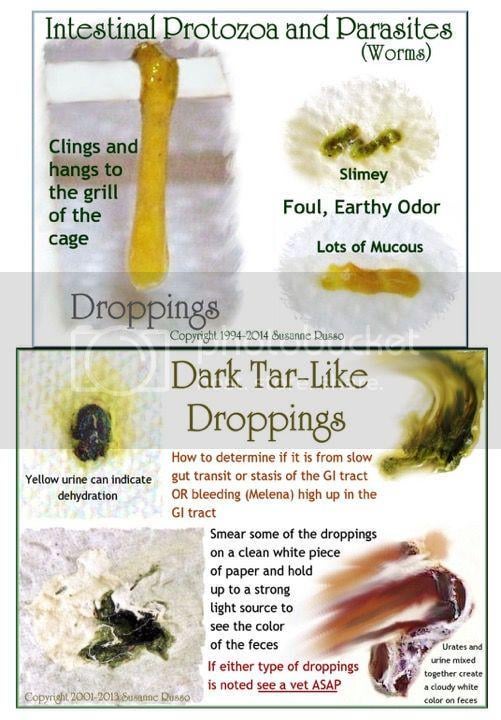
Bird droppings have three main parts: uric acid, feces, and undigested food bits. Uric acid is the main liquid waste and looks white.
- Uric acid:This is the white part and carries nitrogen.
- Feces:Dark, solid waste from the bird’s digestion.
- Undigested food:Seeds or small insects that birds could not digest.
These parts combine to form the bird poop that we see on branches, sidewalks, and soil.
How Bird Poop Affects Soil
Bird poop adds nutrients to soil. It can help plants grow by providing important minerals.
| Nutrient | Role in Soil | Effect on Plants |
|---|---|---|
| Nitrogen | Helps build plant proteins | Supports leaf growth |
| Phosphorus | Supports root development | Improves flower and fruit growth |
| Potassium | Strengthens plant cells | Increases disease resistance |
Too much bird poop can harm soil by adding too many nutrients, which can burn plants or change soil balance.
Do Worms Eat Bird Poop?
Worms play a key role in soil health by breaking down organic matter. Bird poop is common in gardens and yards. People often ask if worms eat bird droppings.
Understanding worm behavior around bird poop helps gardeners manage soil better. This article explores if worms consume bird droppings and what science says.
Worm Behavior Around Bird Droppings
Worms do not directly eat fresh bird poop. Fresh droppings can be too strong and acidic for them. Worms prefer decomposed organic matter for food.
Over time, bird droppings break down and mix with soil. Worms then consume the rich organic material formed. Worms help turn droppings into valuable nutrients.
- Worms avoid fresh bird poop
- They feed on decomposed organic matter
- Droppings enrich soil after breaking down
- Worms improve soil by digesting old droppings
Scientific Studies On Worms And Bird Poop
Research shows worms prefer softened and decomposed materials. Studies find worms help recycle nutrients from bird droppings. They do this by breaking down the droppings after microbes start decay.
Scientists observe worm activity increases in soil with old bird poop. Worms contribute to soil aeration and nutrient cycling. This supports plant growth and soil health.
Benefits Of Bird Poop For Worms
Bird poop can be a helpful food source for worms. It adds important nutrients that worms need to grow.
Understanding how bird droppings help worms can show why worms often eat this material.
Nutrient Boost From Bird Droppings
Bird droppings contain many nutrients that worms use to stay healthy. These nutrients help worms break down soil and create rich compost.
- High nitrogen content helps worms build proteins.
- Phosphorus from droppings supports energy use in worms.
- Calcium strengthens worm shells and bodies.
- Trace minerals improve overall worm health.
Impact On Worm Growth And Health
Eating bird poop speeds up worm growth and improves their health. It also increases worm activity in the soil.
| Effect | Benefit |
| Faster growth | Worms reach maturity quickly |
| Better digestion | Worms process food more efficiently |
| Stronger immunity | Worms resist diseases better |
| Increased reproduction | More worms in the soil |
Risks And Concerns
Bird poop can contain harmful substances that pose risks to soil and living creatures. Worms often come into contact with it in gardens and compost. Understanding the risks is important for safe worm care.
This article looks at what harmful elements bird poop may have and how worms deal with pathogens. It focuses on safety and possible dangers.
Potential Harmful Elements In Bird Poop
Bird droppings may contain many substances that can harm worms or the environment. Some of these include:
- Pathogenic bacteria like Salmonella and E. coli
- Parasitic eggs and larvae
- High levels of nitrogen and ammonia
- Heavy metals such as lead and mercury
- Fungal spores that cause diseases
| Element | Possible Risk |
| Bacteria | Infections and illness |
| Parasites | Internal damage to worms |
| Ammonia | Soil toxicity and worm stress |
| Heavy metals | Poisoning and growth problems |
| Fungi | Disease spread in soil |
How Worms Handle Pathogens
Worms have natural ways to deal with some harmful elements in bird poop. They can help reduce certain pathogens but not all. Here are some key facts:
- Worms consume organic matter and can break down some bacteria.
- Their digestive system contains microbes that fight harmful germs.
- Worm castings have fewer pathogens than raw waste.
- Worms are sensitive to high ammonia and heavy metals and avoid toxic areas.
- Some parasites and spores survive worm digestion and remain a risk.
It is best to avoid adding fresh bird droppings directly to worm bins. Composting bird waste first helps reduce dangers and keeps worms safe.
Using Bird Poop In Composting
Bird poop is a natural source of nutrients for compost. It adds nitrogen and other minerals that help plants grow. Using bird droppings in compost can improve soil health.
Worm composting works well with bird poop. Worms break down organic waste quickly. They turn bird droppings into rich compost called worm castings.
Enhancing Compost With Bird Droppings
Bird droppings add valuable nutrients to your compost pile. They provide nitrogen, phosphorus, and potassium. These are key elements for plant growth.
- Mix bird poop with dry materials like leaves or straw.
- Avoid adding too much bird poop at once to prevent odor.
- Keep the compost moist but not wet.
- Turn the pile regularly to add air and speed decomposition.
- Use gloves when handling bird droppings to stay safe.
Best Practices For Worm Composting
| Practice | Description |
| Balance | Keep equal parts green (wet) and brown (dry) waste. |
| Temperature | Maintain 55-77°F for active worm digestion. |
| Moisture | Worm bedding should be damp like a wrung-out sponge. |
| Feeding | Feed small amounts of bird poop mixed with other scraps. |
| Harvesting | Collect worm castings every few months for garden use. |
Tips For Gardeners
Worms play a key role in healthy gardens. They help break down organic matter. This makes soil richer and plants grow better.
Some gardeners wonder if worms eat bird poop. While worms do consume organic waste, bird droppings can attract worms by adding nutrients to the soil.
Attracting Worms With Natural Fertilizers
Using natural fertilizers helps attract worms to your garden. Worms prefer organic materials that improve soil health.
- Apply compost made from kitchen scraps and yard waste
- Use aged manure to add nutrients without harming worms
- Spread shredded leaves or straw to keep soil moist
- Avoid chemical fertilizers that can harm soil life
- Mix bird droppings into compost to enrich it naturally
Maintaining Healthy Soil Ecosystems
Healthy soil supports worms and many other beneficial organisms. Keep your soil balanced for a thriving garden.
| Practice | Benefit |
| Crop rotation | Prevents nutrient loss |
| Cover crops | Protects soil from erosion |
| Minimal tilling | Preserves worm habitats |
| Mulching | Maintains moisture and temperature |
| Organic matter addition | Feeds worms and microbes |
Credit: roadsendnaturalist.com
Frequently Asked Questions
Do Worms Consume Bird Poop In Composting?
Yes, worms can consume bird poop in compost. Bird droppings add nitrogen and nutrients, which worms break down. However, excessive bird poop may harm worms due to high ammonia content. Moderation and mixing with other organic materials ensure safe worm digestion and effective composting.
Is Bird Poop Safe For Worm Bins?
Bird poop is generally safe for worm bins if used sparingly. It provides essential nutrients but can be too acidic or salty in large amounts. Mixing it with other organic matter helps maintain a balanced environment, preventing harm to worms and promoting healthy compost.
How Does Bird Poop Benefit Worm Composting?
Bird poop enriches worm compost by adding nitrogen and minerals. Worms break down these nutrients, enhancing soil fertility. This organic matter boosts microbial activity and accelerates decomposition, improving compost quality and supporting plant growth when applied to gardens.
Can Worms Survive On Bird Droppings Alone?
Worms cannot survive on bird droppings alone due to imbalanced nutrients. Bird poop is rich in nitrogen but lacks carbon and other essentials. A mixed diet of diverse organic waste is necessary for worm health and efficient composting.
Conclusion
Worms play a crucial role in nature’s cycle. They help break down organic matter, improving soil health. Bird poop? Not their first choice. Yet, in mixed compost, worms might nibble. Their primary focus remains on decaying leaves and food scraps.
So, don’t rely on worms to clean bird droppings. But they do contribute to a balanced ecosystem. Always remember, healthy soil equals a healthier planet. So, consider adding worms to your compost bin. They make a significant difference. Keep supporting these little gardeners.
Your garden will thank you!