Are you looking to bring vibrant colors and cheerful songs right to your window? A Window Oriole Feeder is the perfect way to invite these beautiful birds closer than ever before.
Imagine watching bright orange orioles feast just inches away, turning your everyday view into a lively nature show. You’ll discover how to choose the best feeder, attract orioles easily, and enjoy hours of birdwatching from the comfort of your home.
Keep reading to transform your window into a front-row seat for one of nature’s most stunning visitors.
Choosing The Right Feeder
Picking the right window oriole feeder helps you enjoy watching these bright birds. The right feeder attracts orioles and keeps the food fresh.
Consider the type, material, size, and capacity before buying. These factors make a big difference in your feeding experience.
Types Of Window Feeders
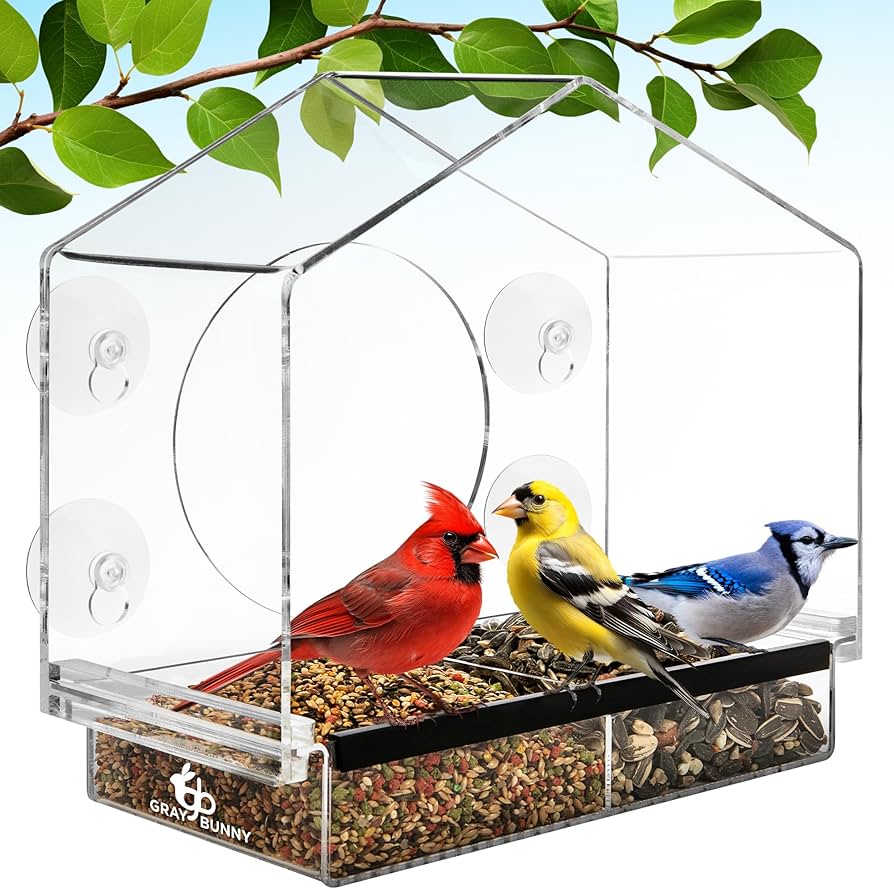
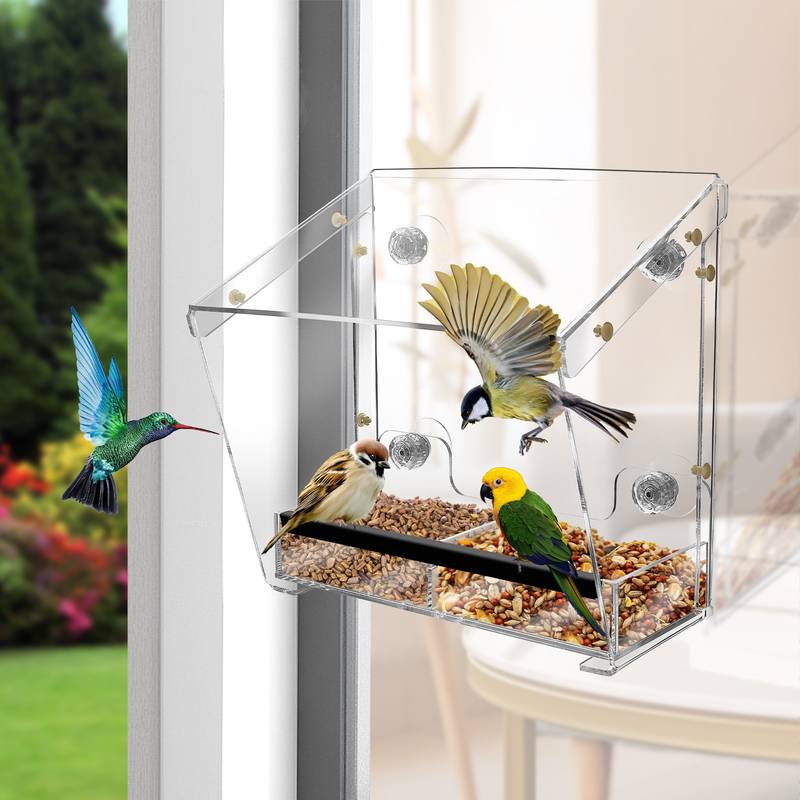
Window oriole feeders come in different styles. Some attach directly to the glass with suction cups. Others hang just outside the window.
Suction feeders let you watch birds up close. Hanging feeders allow more space and can hold larger food amounts.
- Suction cup feeders: Stick to glass, clear view
- Hanging feeders: Hang from hooks or brackets
- Tray feeders: Flat surface, good for fruit and jelly
Material And Durability
Feeder material affects its life and bird safety. Choose materials that resist weather and are easy to clean.
Plastic feeders are lightweight and clear. Metal feeders last long but may rust if not coated. Glass feeders look nice and are easy to clean.
- Plastic: Lightweight, see-through, may fade
- Metal: Strong, weather-resistant if coated
- Glass: Attractive, easy to clean, fragile
Size And Capacity
Size affects how much food the feeder holds and how many birds can feed. Small feeders fill quickly but need more refills.
Larger feeders hold more food and attract more orioles at once. Pick a size that fits your space and how often you want to refill.
- Small: Easy to place, refill often
- Medium: Good balance of size and refills
- Large: Holds lots of food, attracts more birds
Best Nectar Recipes
Oriole feeders attract these colorful birds with sweet nectar. Making your own nectar is easy and safe. It keeps orioles coming back to your window feeder.
Use simple ingredients and avoid harmful additives. Freshness is key to keep nectar tasty and healthy for orioles.
Simple Sugar Water Mix
The best nectar for orioles is a simple sugar and water mix. Use plain white granulated sugar and clean water. Avoid honey or artificial sweeteners.
- Mix 1 part white sugar with 4 parts water.
- Stir well until all sugar dissolves.
- Do not boil the water; just mix at room temperature.
- Cool the nectar before filling the feeder.
Avoiding Harmful Additives
Some ingredients can harm orioles. Avoid these to keep birds safe and healthy.
| Ingredient | Why to Avoid |
|---|---|
| Honey | Can grow harmful bacteria. |
| Red Dye | May be toxic to birds. |
| Artificial Sweeteners | Not natural food for orioles. |
| Molasses or Brown Sugar | Can ferment quickly and spoil nectar. |
Tips For Freshness
Keep nectar fresh to attract orioles and prevent mold or bacteria growth.
- Change nectar every 2 to 3 days.
- Clean feeder with hot water and a brush each time.
- Keep feeder in the shade to slow fermentation.
- Store extra nectar in the refrigerator.
Attracting Orioles Effectively
Orioles are beautiful birds that many people enjoy watching. Using a window oriole feeder helps bring these birds close to your home.
To attract orioles, you need to think about where to place the feeder, when to offer food, and what colors to use.
Ideal Feeder Placement
Place the feeder near windows for easy viewing. Make sure it is safe from predators like cats.
Choose a spot that is quiet and close to trees or bushes. Orioles like to rest nearby while feeding.
- Keep the feeder 3-4 feet from the window to prevent collisions
- Place near natural cover for bird safety
- Avoid windy or very sunny spots
Timing And Seasonal Tips
Orioles visit mostly in spring and early summer during migration. Offer food when they are most active.
Keep feeders clean and filled during these months. Remove feeders in late summer or fall when orioles leave.
- Set up feeders in early spring
- Feed orioles through early summer
- Clean feeders regularly to prevent disease
- Remove feeders in late fall
Using Color To Draw Orioles
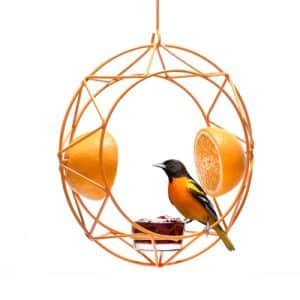
Orioles are attracted to bright colors, especially orange. Use feeders with orange parts or add orange decorations.
Avoid feeders in dull colors. Bright colors help orioles find the feeder quickly.
- Choose feeders with orange or red colors
- Add orange ribbons or stickers near the feeder
- Do not use blue or green feeders

Credit: www.amazon.com
Maintaining Your Feeder
Keeping your window oriole feeder clean helps birds stay healthy. Regular care stops dirt and germs from building up. It also keeps your feeder looking nice and working well.
Use simple steps to clean and refill your feeder. This guide shows how often to clean, how to prevent mold, and when to replace nectar.
Cleaning Frequency
Clean your feeder every three to five days. More often if the weather is hot. This keeps the nectar fresh and safe for birds to drink.
- Remove the feeder from the window carefully.
- Empty old nectar into the trash, not the sink.
- Wash all parts with warm soapy water.
- Rinse well to remove soap.
- Dry completely before refilling.
Preventing Mold And Bacteria
Mold and bacteria grow in old nectar and dirty feeders. They can harm birds and block the feeder’s holes.
Tip:Use a solution of one part white vinegar to four parts water. Soak the feeder for 10 minutes to kill mold and bacteria.
Rinse the feeder well after soaking. Let it dry in the sun if possible. Sunlight helps kill germs and dries the feeder faster.
Replacing Nectar Regularly
Fresh nectar attracts orioles and keeps them healthy. Old nectar can ferment or grow mold, which is unsafe.
| Temperature | Nectar Change Frequency |
|---|---|
| Below 70°F (21°C) | Every 3-5 days |
| Above 70°F (21°C) | Every 1-2 days |
Keep nectar in a cool place before filling the feeder. Avoid using honey or red dye in nectar. Use a simple mix of four parts water to one part sugar.
Orioles Behavior And Habits
Orioles are bright, active birds known for their striking colors and lively behavior. Understanding their habits helps bird watchers attract and enjoy these visitors.
These birds have unique feeding patterns and specific signs that show they are nearby. Learning about common species also helps identify them easily.
Feeding Patterns
Orioles prefer sweet foods like nectar and fruit juices. They feed mostly during the early morning and late afternoon. Orioles often hover near feeders to sip nectar and look for insects to eat.
- Drink nectar from feeders or flowers
- Eat ripe fruits like oranges and grapes
- Catch insects such as caterpillars and beetles
- Visit feeders more during warm weather
- Feed their young mostly insects for protein
Common Orioles In North America
Several oriole species live in North America. The Baltimore Oriole and Orchard Oriole are the most common. Each has distinct colors and sizes, making them easy to tell apart.
| Species | Color | Size (inches) |
| Baltimore Oriole | Bright orange with black | 7.5 |
| Orchard Oriole | Chestnut and black | 6.5 |
| Bullock’s Oriole | Orange and black with white | 7.0 |
Signs Orioles Are Visiting
Knowing when orioles come to your feeder helps you enjoy watching them. They leave clear signs while feeding or resting nearby.
- Empty or partially eaten fruit and jelly cups
- Bright orange feathers near feeders
- Quick, fluttering movements around feeders
- High-pitched, melodic whistles and calls
- Hanging nests woven from plant fibers in trees

Credit: www.amazon.com
Troubleshooting Common Issues
Window oriole feeders are great for watching birds up close. Sometimes, problems can stop orioles from enjoying the feeder.
Below are common issues with window oriole feeders and easy ways to fix them.
Dealing With Ants And Insects
Ants and insects often invade oriole feeders. They are attracted to the sweet nectar and can scare away birds.
Keep ants and insects away by using sticky barriers or ant moats on the feeder.
- Clean the feeder regularly to remove sticky nectar spills
- Apply a sticky barrier around the feeder’s hanging hook
- Use an ant moat filled with water to block ants
- Place the feeder away from plants that attract insects
Preventing Squirrel Access
Squirrels can steal nectar and scare orioles. They are very good at reaching feeders.
Stop squirrels by using squirrel baffles or placing feeders where squirrels cannot reach.
- Install a squirrel baffle above or below the feeder
- Hang feeders on thin metal poles with baffles
- Keep feeders away from tree branches and roofs
- Use feeders designed to be squirrel-proof
What To Do When Orioles Don’t Visit
Sometimes orioles do not come to the feeder. This can happen if the feeder is new or in the wrong spot.
Try moving the feeder and using fresh nectar to attract orioles.
- Place the feeder where orioles like to feed, near trees or shrubs
- Keep nectar fresh and change it every few days
- Use orange-colored feeders or add orange slices nearby
- Be patient; orioles may take time to find the feeder
Credit: theraleighbeergarden.com
Frequently Asked Questions
What Is A Window Oriole Feeder?
A window oriole feeder is a bird feeder that attaches to your window. It allows close-up views of orioles while they feed. These feeders are designed with bright colors to attract orioles and often feature nectar or fruit compartments.
How Do Window Oriole Feeders Attract Orioles?
Window oriole feeders attract orioles by offering sweet nectar or fruit. Bright colors like orange and yellow also draw their attention. Placing feeders near trees or shrubs increases the chances of orioles visiting your window feeder.
What Food Should I Put In A Window Oriole Feeder?
Fill your window oriole feeder with sugar water nectar or fresh fruit. A mix of four parts water to one part sugar works best. Avoid red dye; natural nectar is healthier for orioles.
Are Window Oriole Feeders Safe For Birds?
Yes, window oriole feeders are safe when properly installed and cleaned regularly. Ensure the feeder is secure to prevent falls. Clean every few days to avoid mold and bacteria that can harm birds.
Conclusion
A window oriole feeder brings vibrant birds right to your window. It offers a simple way to enjoy nature daily. Easy to set up and clean, it suits any home. Watching orioles can be relaxing and fun. This feeder also helps these lovely birds find food.
A small step towards supporting wildlife. Perfect for bird lovers and curious beginners. Choose a quality feeder for the best experience. Enjoy the beauty of orioles up close. Appreciate nature’s wonders right from your home. A delightful addition to your window view.