Have you ever paused to listen closely to the sharp, rhythmic tapping echoing through the trees? That unmistakable sound is the woodpecker bird sound, nature’s very own percussionist at work.
Understanding this unique noise can open your ears to a whole new world of forest life and reveal secrets about these fascinating birds. If you want to know why woodpeckers drum on trees, what their sounds mean, and how you can identify them by ear, keep reading—your next outdoor adventure is about to get a lot more exciting.
Woodpecker Calls And Drumming
Woodpeckers make sounds that include calls and drumming. These sounds help them communicate with other birds.
The sounds can warn about danger, attract mates, or mark their territory.
Types Of Woodpecker Sounds
Woodpeckers use two main sounds: calls and drumming. Calls are short vocal sounds. Drumming is a rapid tapping on wood.
Calls can be sharp or trilling sounds. Drumming sounds vary in speed and length.
- Calls: used for quick messages
- Drumming: used to show presence
Purpose Of Drumming
Drumming is not made by the bird’s voice. Woodpeckers drum by hitting their beaks on trees or other objects.
It helps them mark their territory and attract mates. Drumming also warns other birds to stay away.
- Mark territory
- Attract mates
- Communicate with others
Variations Across Species
Different woodpecker species have unique sounds. Some drum faster, others slower. Calls can be higher or lower pitched.
These differences help birds recognize their own kind. Each species has a special sound pattern.
- Speed of drumming varies
- Call pitch changes by species
- Patterns help with identification
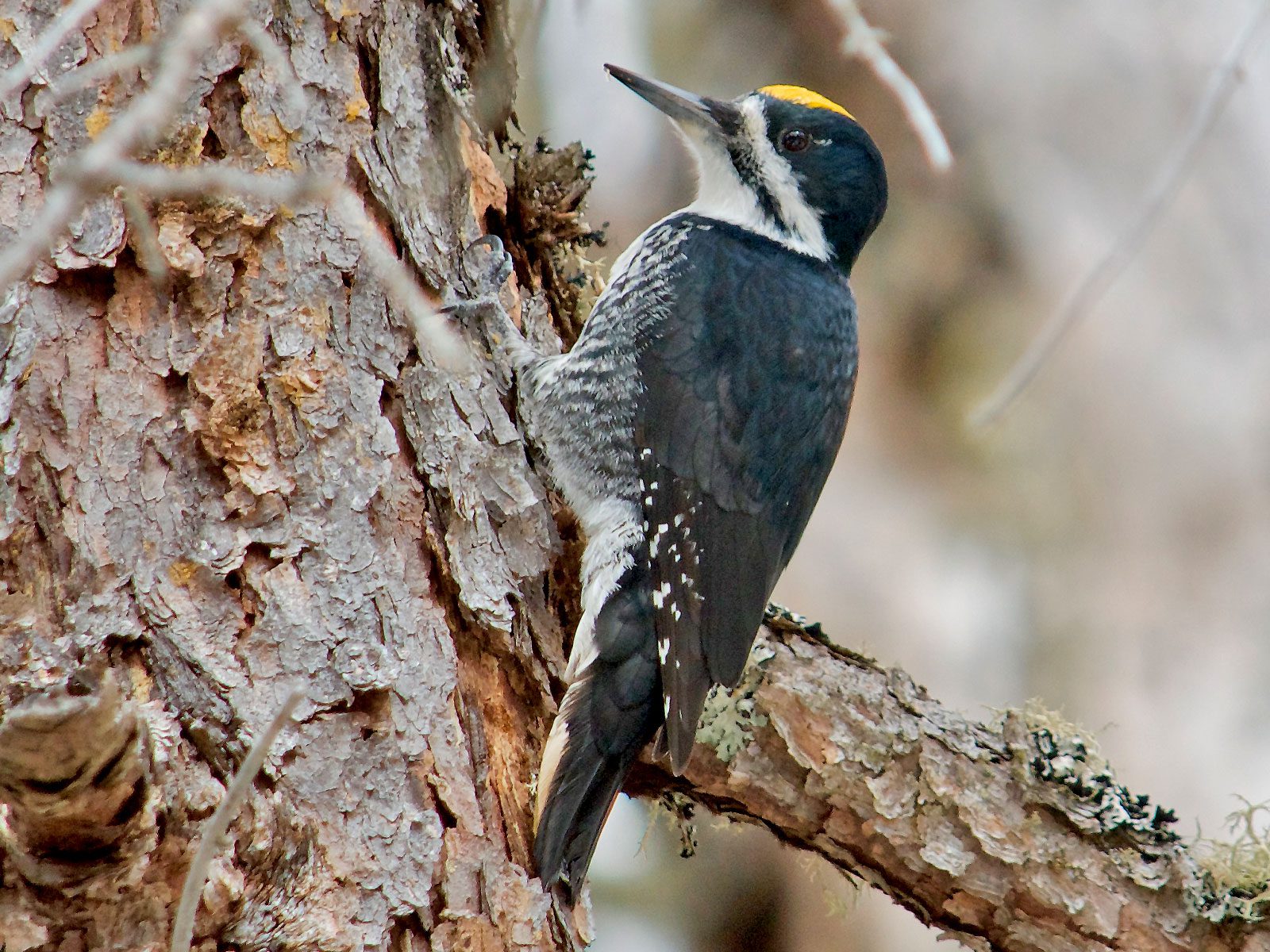
Credit: www.allaboutbirds.org
How Woodpeckers Produce Sounds
Woodpeckers make sounds by hitting their beaks on wood. This drumming is loud and clear.
The sounds help woodpeckers talk to other birds and mark their territory.
Anatomy Behind The Drumming
Woodpeckers have strong neck muscles. These muscles help them hit wood hard and fast.
Their skulls are thick and shock-absorbent. This protects their brains from damage.
- Strong, chisel-like beak
- Thick skull bones
- Spongy tissue between brain and skull
- Powerful neck muscles
Techniques Of Sound Production
Woodpeckers drum by quickly pecking on wood surfaces. They use different rhythms and speeds.
They choose trees or metal poles that make loud sounds. This helps their calls travel far.
- Fast, repeated pecking creates a drumming sound
- Varying speed and rhythm sends different messages
- Choosing hard surfaces makes sound louder
- Drumming often marks territory or attracts mates
Functions Of Woodpecker Sounds
Woodpeckers make sounds by drumming on trees and calling. These sounds serve many important jobs.
The sounds help woodpeckers talk to each other and keep their space safe.
Territorial Claims
Woodpeckers drum loudly to show other birds their territory. This warns others to stay away.
The drumming can be heard far away and helps avoid fights with neighbors.
- Drumming marks boundaries
- Loud sounds scare off rivals
- Helps keep a safe area for food and nesting
Mating Signals
Woodpeckers use special calls and drumming to attract mates. The sounds show their strength and health.
Males often drum faster or louder to impress females during the breeding season.
- Unique calls help find a partner
- Loud drumming shows fitness
- Sounds help pairs bond
Communication Within Species
Woodpeckers use sounds to share messages with each other. Calls can warn of danger or signal food.
Different sounds have different meanings, helping birds stay safe and work together.
- Alarm calls warn of predators
- Soft calls keep mates close
- Sounds help parents feed chicks
Environmental Impact On Woodpecker Sounds
Woodpeckers use sounds to communicate and find mates. Their sounds change with the environment around them.
Different habitats and noise levels affect how woodpeckers drum and call. These changes help them be heard.
Effect Of Habitat On Sound Patterns
Woodpeckers live in forests, woodlands, and sometimes cities. Each place changes how their sounds travel.
In dense forests, sounds are softer and slower. In open areas, sounds are louder and clear.
- Thick trees absorb sound, lowering volume
- Open spaces let sounds travel far
- Different trees affect sound quality
Adaptations To Noise Pollution
Human noise from traffic and machines makes it hard for woodpeckers to hear each other.
Woodpeckers change their sound patterns to be heard over noise. They may drum faster or louder.
- Increase drumming speed to stand out
- Use higher tones to avoid low noise
- Shift calling times to quieter hours
Listening To Woodpeckers In The Wild
Woodpeckers make unique sounds that you can hear in forests and parks. Listening to them helps you enjoy nature more deeply.
The sounds include tapping on trees and different calls. These sounds help woodpeckers communicate and find mates.
Best Times And Places
Woodpeckers are most active during early morning and late afternoon. These times give the best chance to hear their sounds.
Look for woodpeckers in wooded areas with old trees. Parks, forests, and nature reserves are great spots to listen to them.
- Early morning or late afternoon
- Wooded areas with mature trees
- Nature reserves and parks
- Quiet places with little human noise
Recognizing Different Calls
Woodpeckers have various calls. Each call can mean something different like warning or attracting a mate.
One common sound is the “drumming” on trees. This is a fast tapping noise that echoes through the forest.
- Drumming:Rapid tapping on wood, used to mark territory.
- Chatter:Short, sharp sounds when alarmed.
- Whinny:A soft, descending sound during courtship.
- Peep:Quick, high-pitched calls to keep contact.

Credit: www.youtube.com
Woodpecker Sounds In Culture And Media
Woodpecker sounds have inspired many cultures and artists. Their tapping noise often carries meaning beyond nature.
These sounds appear in stories, music, and art, showing the bird’s special role in human creativity.
Symbolism In Folklore
In many cultures, woodpecker sounds are signs of strength and protection. People believe the tapping can warn of danger.
Some Native American tribes see the woodpecker as a symbol of hard work. Its steady pecking shows persistence and focus.
- Woodpecker taps can mean messages from the spirit world
- In African stories, the sound calls for attention and respect
- European folklore links the bird’s noise to weather changes
Use In Music And Art
Musicians use woodpecker sounds to add rhythm and nature’s touch. The tapping fits well in folk and ambient music.
Artists often paint or sculpt woodpeckers with their characteristic tapping. The sound inspires creative patterns and shapes.
- Woodpecker sounds appear in nature soundtracks and movies
- Some songs mimic the tapping for unique beats
- Visual artists use woodpecker themes to show nature’s power

Credit: www.youtube.com
Frequently Asked Questions
What Does A Woodpecker Bird Sound Like?
A woodpecker’s sound is a rhythmic drumming on trees. It creates sharp tapping or knocking noises to communicate and find mates.
Why Do Woodpeckers Drum On Trees?
Woodpeckers drum to mark territory and attract mates. The drumming also helps them locate insects beneath bark for food.
How Can I Identify A Woodpecker By Its Sound?
Listen for rapid, repetitive tapping or drumming. Each woodpecker species has a unique pattern and speed of drumming sounds.
Do Woodpecker Sounds Vary By Species?
Yes, woodpecker sounds differ across species. Some use loud drumming; others produce sharp calls or whistles for communication.
Conclusion
Woodpecker sounds bring life to quiet forests. Their tapping helps find food and mark territory. Each bird’s call is unique and easy to recognize. Listening closely reveals nature’s simple rhythms and patterns. These sounds show how woodpeckers communicate and survive.
Next time you hear a tapping noise, think of this fascinating bird. Enjoy the natural music woodpeckers create every day. Nature’s small drummer keeps the forest alive and busy.