Have you ever wondered if a paradise bird could survive in the harsh conditions of a desert? These vibrant birds are known for their beauty, but deserts are dry, hot, and tough places to live.
You might be surprised by what nature allows and how some creatures adapt. Keep reading to discover whether a paradise bird’s colorful feathers could really shine under the desert sun—and what this tells us about life in extreme environments. Your curiosity is about to be rewarded with some fascinating facts!

Credit: www.wildlifenomads.com
Paradise Birds: Habitat Basics
Paradise birds are known for their bright colors and beautiful feathers. They live in special places that suit their needs.
These birds need the right home to find food, build nests, and stay safe. Their habitats help them survive and thrive.
Natural Environments
Paradise birds usually live in forests and woodlands. They like places with many trees and plants.
They do not live in deserts because deserts have few trees and less food. Paradise birds need rich, green areas.
- Rainforests with many trees
- Tropical woodlands with dense plants
- Areas near rivers or lakes
Climate Preferences
Paradise birds like warm and wet climates. They do best where it rains often and temperatures stay mild.
They avoid dry and hot places like deserts. Extreme heat and little water make deserts hard for these birds.
- Warm temperatures between 20°C and 30°C
- High humidity and regular rainfall
- Stable weather with few storms

Credit: windflowerflorist.com
Desert Ecosystems
Deserts are dry places with little rain. They have hot days and cold nights. Many plants and animals live here.
Animals in deserts must find ways to stay cool and find water. Some birds live in deserts, but not all birds can survive there.
Key Features
Deserts have sandy or rocky land with few plants. The sun is strong, and water is rare. Temperatures can change a lot in one day.
- Very low rainfall
- Hot days and cold nights
- Limited plant life
- Dry air and soil
Challenges For Wildlife
Animals in deserts face heat and little water. They must find food and shelter with few resources. Many animals are active at night to avoid heat.
- Finding water is hard
- Extreme temperatures stress animals
- Limited food sources
- Few places to hide from predators
Habitat Compatibility
Paradise birds are known for living in lush, tropical forests. These birds need a moist and rich environment to survive. The desert is dry, hot, and has limited water and plants.
This makes it hard for paradise birds to live in deserts. We will explore if these birds can adapt to desert life. We will also look at their behavior and physical traits.
Can Paradise Birds Adapt To Deserts?
Paradise birds have not evolved to live in deserts. They rely on trees for food, shelter, and nesting. Deserts lack dense trees and water sources.
They would struggle to find enough food and shelter in a desert. The heat and dryness would make survival very difficult. Their bodies are not made to handle harsh desert conditions.
- Need forest trees for nesting and hiding
- Eat fruits, insects, and nectar found in forests
- Require water from plants and rain
- Cannot tolerate extreme heat and dryness
Behavioral And Physical Traits
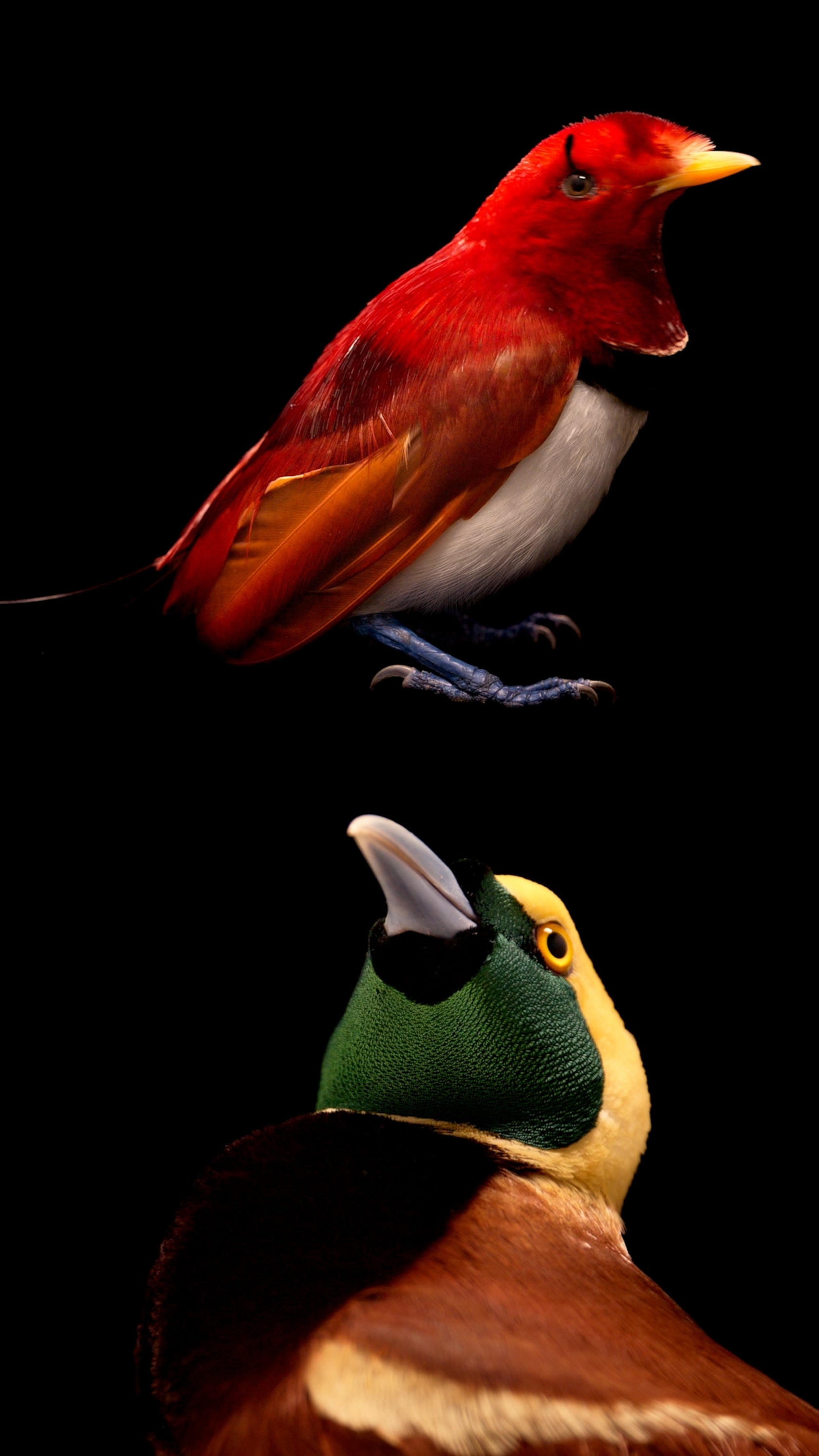
Paradise birds have bright feathers and long tails. These features help attract mates in dense forests. Such traits do not help in desert survival.
They are active during the day and need shade to avoid heat. They also build nests in trees, which are rare in deserts. Their behavior and body design suit forest life better.
- Bright feathers for forest camouflage and mating
- Long tails for balance in trees
- Daytime activity with need for shade
- Nesting in trees, not on ground
Credit: www.nationalgeographic.com
Surprising Desert Visitors
Deserts are known for their dry heat and sparse life. Many people think only certain animals can live there. But sometimes, unexpected visitors appear in these harsh places.
One surprising question is whether a paradise bird could live in the desert. These birds usually live in tropical forests, but some have been seen in dry areas. Let’s explore these unusual sightings and how animals adapt temporarily.
Unusual Sightings
Paradise birds are colorful and live in lush forests. Seeing one in a desert is very rare. Sometimes, desert storms bring seeds and insects that attract these birds. They may visit deserts searching for food or water.
Other birds and animals also surprise us by appearing in deserts. These visits can be short and depend on weather changes or food availability. Scientists watch these visits to learn more about animal habits.
- Paradise birds may appear after rainstorms
- Birds follow insects and seeds blown by wind
- Temporary water sources attract many species
Temporary Adaptations
Animals that visit deserts often change their behavior. They can survive for short times by using special tricks. Paradise birds might drink from small water pools and rest in shade to survive heat.
Other animals change their daily routines. They may stay hidden during the hot day and move at night. These changes help them avoid heat and find food in tough desert conditions.
- Drink from temporary water pools
- Rest in shade during hot hours
- Move mostly at night to avoid heat
- Eat insects and seeds that appear after rain
Conservation And Habitat Protection
Paradise birds are known for their bright colors and unique dances. They live mostly in rainforests, not deserts. Protecting their homes is very important.
Conservation helps keep these birds safe. It also keeps their habitats healthy for the future.
Threats To Paradise Birds
Many dangers threaten paradise birds. People cutting down trees and building cities take away their homes. Pollution and hunting also cause problems.
- Deforestation destroys nests and food sources
- Pollution harms birds and the plants they eat
- Illegal hunting reduces bird populations
- Climate change affects their natural environment
Preserving Natural Habitats
Saving the homes of paradise birds is key to their survival. Protected areas and parks help keep forests safe.
| Action | Benefit |
| Creating protected parks | Keeps forests safe from logging |
| Replanting trees | Restores lost habitats |
| Enforcing hunting laws | Stops illegal bird capture |
| Raising public awareness | Encourages care for wildlife |
Frequently Asked Questions
Can Paradise Birds Survive In Desert Environments?
Paradise birds typically thrive in tropical forests, not deserts. They need dense vegetation and water sources, which deserts lack. Their survival in deserts is highly unlikely due to extreme heat and limited food.
What Habitats Do Paradise Birds Prefer?
Paradise birds prefer humid, forested areas with ample trees and rich biodiversity. They thrive in rainforests and woodland regions where they find food, shelter, and breeding grounds.
Why Don’t Paradise Birds Live In Deserts?
Deserts lack the food, water, and shelter paradise birds need. Extreme temperatures and sparse vegetation make deserts inhospitable for these birds. They rely on moist, lush habitats to survive.
Are There Any Bird Species Adapted To Desert Life?
Yes, birds like roadrunners and sandgrouse are adapted to deserts. They have special behaviors and physiology to conserve water and cope with heat, unlike paradise birds.
Conclusion
Birds of paradise thrive in lush environments, not deserts. These birds need moisture and dense foliage for survival. Deserts lack these essentials. Heat and arid conditions challenge their existence. Adaptation to such harsh climates seems unlikely. Their vibrant colors and diverse diets suit tropical habitats.
Nature crafted them for rainforests, not sand dunes. Observing them in deserts would be rare. Their beauty remains tied to rich, green ecosystems. Such environments provide the resources they require. So, while fascinating to imagine, deserts aren’t their home. Understanding their needs helps appreciate their natural habitats.