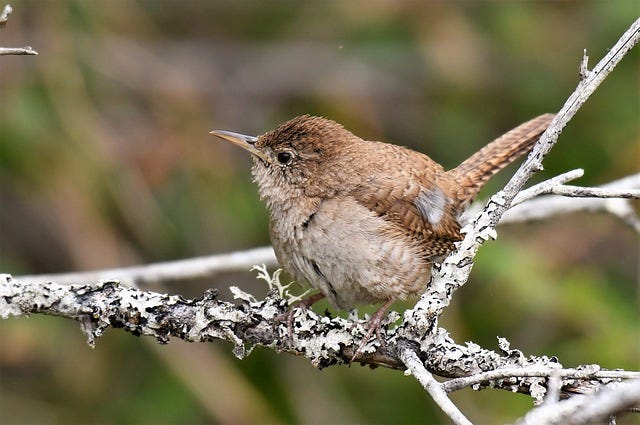
Have you ever paused to listen closely to the cheerful sounds of a wren bird song? That lively, bubbly tune can brighten your day and bring a sense of calm to your surroundings.
If you want to understand why the wren’s song is so special and how it can connect you to nature in a unique way, this article is just for you. Keep reading to discover the secrets behind the wren’s melody and how it might change the way you experience the world around you.
Wren Song Characteristics
Wrens are small birds known for their loud and complex songs. Their songs help them communicate and attract mates.
Their songs have many parts and unique sounds. Each wren can sing many different notes and patterns.
Distinctive Tones And Patterns
Wren songs have sharp, clear notes that rise and fall. They often mix trills and whistles in quick bursts.
The patterns repeat but vary in speed and pitch. This variety makes their songs easy to recognize.
- Short, sharp notes
- Trills and whistles
- Fast, repeated bursts
- Rising and falling pitch
Seasonal Variations
Wrens sing more in spring and early summer. Males use songs to claim territory and find mates during this time.
In fall and winter, their songs become shorter and less frequent. They focus more on survival than on singing.
- Spring: Long, complex songs
- Summer: Songs to defend territory
- Fall: Shorter, simpler songs
- Winter: Few and brief songs
Regional Differences
Wren songs vary depending on where they live. Birds in different regions develop unique song styles.
These differences help wrens identify neighbors and avoid conflicts. Regional songs can sound quite different.
- Coastal wrens have slower songs
- Mountain wrens sing faster and higher
- Urban wrens may change pitch to be heard
- Rural wrens keep traditional patterns
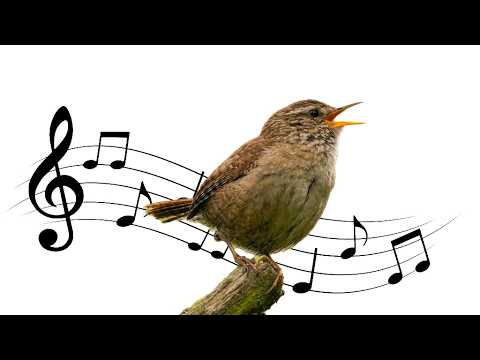
Credit: www.youtube.com
Purpose Of The Wren’s Song
Wrens use their songs for many important reasons. These songs help them survive and find mates.
The song is a tool for communication. It helps wrens mark places and talk with others.
Territorial Claims
Wrens sing to show they own a space. This warns other birds to stay away.
The song marks the borders of their home. It helps avoid fights with neighbors.
- Defines the wren’s territory
- Prevents other birds from entering
- Reduces physical confrontations
Mate Attraction
Male wrens sing to attract females. The song shows the male’s strength and health.
Louder and more complex songs can impress females. This increases the chance to find a mate.
- Signals fitness to females
- Helps males compete for mates
- Strengthens pair bonds after mating
Communication With Flock
Wrens use songs to talk with others in their group. This helps keep the flock safe.
Song can warn about danger or guide others to food. It helps birds stay connected.
- Alerts flock to threats
- Coordinates group movements
- Maintains social bonds
Wren Habitat And Its Influence
Wrens live in many places, from forests to cities. Their homes affect how they sing and behave.
Understanding where wrens live helps us learn about their songs and habits.
Preferred Environments
Wrens like places with lots of plants and cover. They often choose thick bushes and wood piles.
These places help protect them from predators and bad weather.
- Dense shrubs and thickets
- Wooded areas with fallen logs
- Garden hedges and brush piles
- Near streams or wetlands
Impact On Song Variations
Wrens change their songs depending on their habitat. Thick forests make sounds softer and slower.
In open areas, their songs are louder and faster to reach far distances.
- Forest wrens sing quietly to avoid echoes
- Open area wrens use loud calls to find mates
- Different habitats create unique song styles
Adaptations To Urban Areas
Wrens live in cities by using parks and gardens. They build nests in small spaces like boxes or vents.
They adjust their songs to be heard over city noise. These changes help them survive in busy places.
- Use man-made structures for nesting
- Sing at different times to avoid noise
- Change pitch to stand out from sounds

Credit: www.flickr.com
Techniques To Identify Wren Songs
Wren birds are known for their loud and complex songs. Learning to identify their songs helps bird watchers enjoy nature more.
This guide explains easy ways to recognize wren songs in the wild or with technology.
Listening Tips For Beginners
Start by finding quiet places where wrens live. Early morning is the best time to hear their songs.
Focus on the sound patterns. Wren songs are usually fast and full of repeated notes.
- Listen for high-pitched and bubbly sounds
- Notice short pauses between phrases
- Try to remember common song shapes or rhythms
Using Technology For Song Recognition
Apps and recorders can help identify wren songs. These tools capture sounds for later study.
Some apps compare recorded songs to a database. They suggest possible bird matches, including wrens.
- Use a smartphone app to record bird songs
- Upload recordings to song identification apps
- Compare spectrograms to wren song patterns
Comparing Wren Songs To Other Birds
Wren songs are louder and more complex than most small birds. They have many fast notes in a short time.
Other birds may have slower or simpler songs. Knowing these differences helps you spot wren songs.
- Wrens use quick trills and sharp notes
- Finches sing slower with fewer notes
- Sparrows have repetitive, simple tunes
Cultural Significance Of Wren Songs
Wren birds have a special place in many cultures because of their lively songs. Their small size and big voices make them unique.
People have listened to wren songs for centuries. These songs carry stories, inspire creativity, and raise awareness about nature.
Folklore And Traditions
Wren songs appear in many old stories and myths. In some places, the wren is called the “king of birds” because of its song.
Traditions often celebrate the wren with festivals and special days. People believed the wren brought luck and protection.
- Wren Day is celebrated in Ireland and the UK each January.
- Folklore links wrens with courage and cleverness.
- Wren songs are seen as signs of changing seasons.
Inspiration In Music And Art
Wren songs inspire musicians and artists. Their cheerful tunes appear in folk music and poems.
Artists often paint or draw wrens with bright colors. The bird’s song helps create a happy mood in art.
- Wren melodies feature in many traditional songs.
- Poets use wren songs to express joy and hope.
- Visual artists include wrens to show nature’s beauty.
Role In Environmental Awareness
Wren songs help people notice local wildlife. Listening to these birds can teach us about nature’s health.
Many groups use wrens to promote bird protection. Their songs remind us to care for the environment every day.
- Wren populations show how clean an area is.
- Bird watchers track wrens to study habitats.
- Wren songs encourage nature walks and learning.
Conservation And Protection Efforts
Wren birds are small but important songbirds found in many places. Protecting them helps keep nature healthy.
Many groups work to save wrens and their homes. They focus on stopping harm and keeping habitats safe.
Threats To Wren Populations
Wrens face many dangers. Losing their homes and pollution are big problems. Predators like cats also harm them.
Climate change changes the places wrens live. This makes finding food and shelter harder for them.
- Habitat loss from building and farming
- Pollution of air and water
- Predators like cats and snakes
- Climate changes affecting food supply
Habitat Preservation
Saving wren habitats is key to their survival. Protected parks and forests give wrens safe places to live.
Planting native trees and shrubs helps wrens find food and build nests. Clean areas also keep wrens healthy.
- Protect natural forests and parks
- Plant trees that wrens use for nests
- Keep water and air clean
- Limit harmful building near wren homes
Community Involvement
People can help wrens by learning about them. Watching wrens and reporting problems helps scientists.
Communities can build birdhouses and protect green spaces. Schools and groups join efforts to save wrens.
- Educate about wrens and their needs
- Build safe birdhouses in gardens
- Join local conservation groups
- Protect parks and green areas

Credit: www.indigo.ca
Frequently Asked Questions
What Does A Wren Bird Song Sound Like?
A wren bird song is a series of rapid, high-pitched trills and whistles. It is lively and melodic, often lasting several seconds. The song varies by region but is consistently cheerful and complex, making it easy to identify in gardens and woodlands.
Why Do Wrens Sing So Frequently?
Wrens sing frequently to establish territory and attract mates. Their song signals dominance to other males and readiness to breed. Singing also helps maintain social bonds within their species. This constant vocal activity is vital during the breeding season.
When Is The Best Time To Hear Wren Bird Songs?
The best time to hear wren bird songs is early morning and late afternoon. Wrens are most active during these cooler parts of the day. Spring and early summer are peak singing seasons due to mating and nesting behaviors.
How Can I Attract Wrens With Their Song?
You can attract wrens by providing dense shrubs and nesting boxes. Playing recorded wren songs may also lure them to your garden. Wrens prefer safe, sheltered areas where they can sing and nest comfortably.
Conclusion
The wren bird song fills the air with lively sounds. Its cheerful tunes brighten quiet mornings and calm evenings. Listening closely reveals its unique patterns and rhythms. This small bird’s song shows nature’s simple beauty. Enjoy the melody next time you hear it nearby.
Birds like the wren bring joy to our day. Keep an ear open; you might hear its sweet call soon. Nature’s music is always around us, waiting to be noticed.