Imagine stepping into your own backyard and hearing the cheerful songs of birds all around you. You might wonder how to make your yard a favorite spot for these beautiful creatures.
Designing your yard for birds is easier than you think, and it can bring endless joy and peace to your daily life. You’ll discover simple ways to attract birds, create a safe haven, and watch your outdoor space come alive with color and sound.
Ready to transform your yard into a bird paradise? Let’s dive in!
Choosing Bird-friendly Plants
Creating a yard with plants that attract birds helps support local wildlife. Birds find food, shelter, and nesting spots in these plants.
Select plants that provide natural benefits for birds throughout the year. This keeps your yard lively and full of bird activity.
Native Flowers And Shrubs
Native flowers and shrubs suit your local climate and soil. Birds like these plants because they offer natural food and cover.
- Milkweed
- Black-eyed Susan
- Serviceberry Shrub
- Blueberry Bush
- Wild Columbine
Berry-producing Plants
Berry-producing plants give birds a rich food source. Berries provide energy and nutrients, especially in colder months.
| Plant | Berry Color | Birds Attracted |
|---|---|---|
| Holly | Red | Robins, Thrushes |
| Elderberry | Black | Bluebirds, Cedar Waxwings |
| Winterberry | Orange | Cardinals, Grosbeaks |
| Dogwood | White | Woodpeckers, Mockingbirds |
Seasonal Blooms
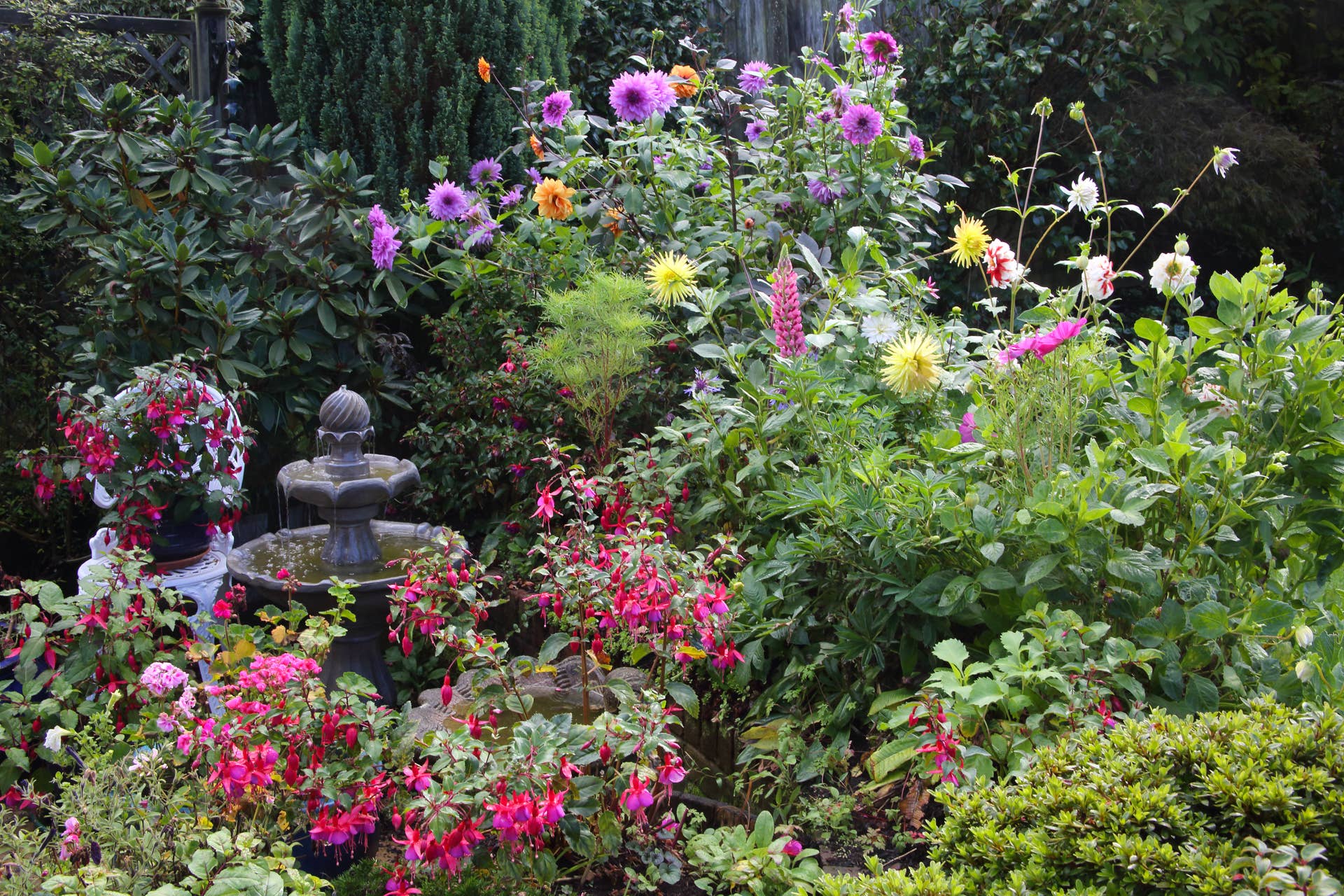
Seasonal flowers provide nectar and insects for birds. Changing blooms support birds during migration and breeding.
- Spring: Tulips, Daffodils
- Summer: Coneflowers, Bee Balm
- Fall: Asters, Goldenrod
- Winter: Witch Hazel, Winter Jasmine
Credit: dengarden.com
Creating Safe Habitats
Designing a yard for birds means making it safe and welcoming. Birds need places to rest, hide, and find food.
A good bird habitat helps them live and breed without danger. Small changes can protect birds in your yard.
Shelters And Nesting Spots
Birds need shelter to protect themselves from weather and enemies. Trees and shrubs offer natural cover.
Adding birdhouses or nesting boxes gives birds safe places to raise their young. Place them away from busy areas.
- Use native plants for natural shelter
- Place nesting boxes 5 to 10 feet above ground
- Keep nesting spots dry and shaded
- Clean birdhouses yearly to prevent disease
Avoiding Predators
Predators like cats and hawks threaten birds. Keep pets indoors or supervised outside.
Remove low branches where predators can hide. Use thorny bushes to create safe zones for birds.
- Trim shrubs near bird feeders
- Place feeders away from open spaces
- Use baffles on feeder poles to stop predators
- Install netting over fruit trees to protect birds
Water Sources
Birds need clean water for drinking and bathing. A shallow birdbath is a good choice.
Change the water often to keep it fresh. Add small stones so birds can perch safely.
- Place water near shelter for quick escape
- Keep water free from ice in winter
- Use a dripper or fountain to attract more birds
- Clean water sources weekly to prevent algae
Providing Food Options
Creating a bird-friendly yard means giving birds many food choices. Different birds like different foods.
Offering a variety of food helps attract more birds to your yard all year round.
Natural Food Sources
Planting native plants gives birds natural food like seeds and berries. Trees and shrubs are great.
Insects in your yard also serve as food. Avoid using pesticides to keep bugs safe for birds.
- Sunflower seeds from native flowers
- Berries from bushes like elderberry and dogwood
- Fruits such as apples and pears
- Insects living on leaves and bark
Bird Feeders And Seeds
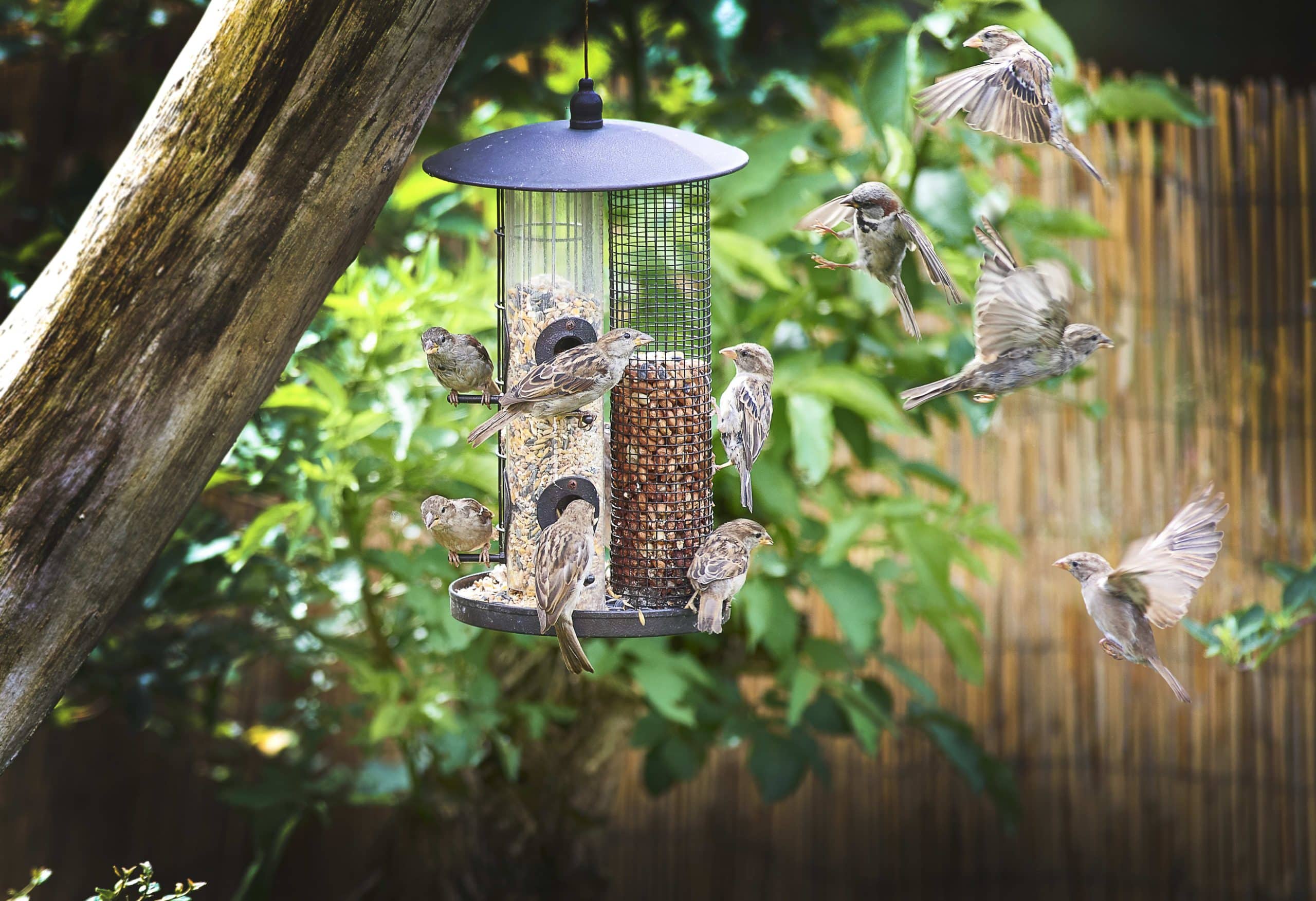
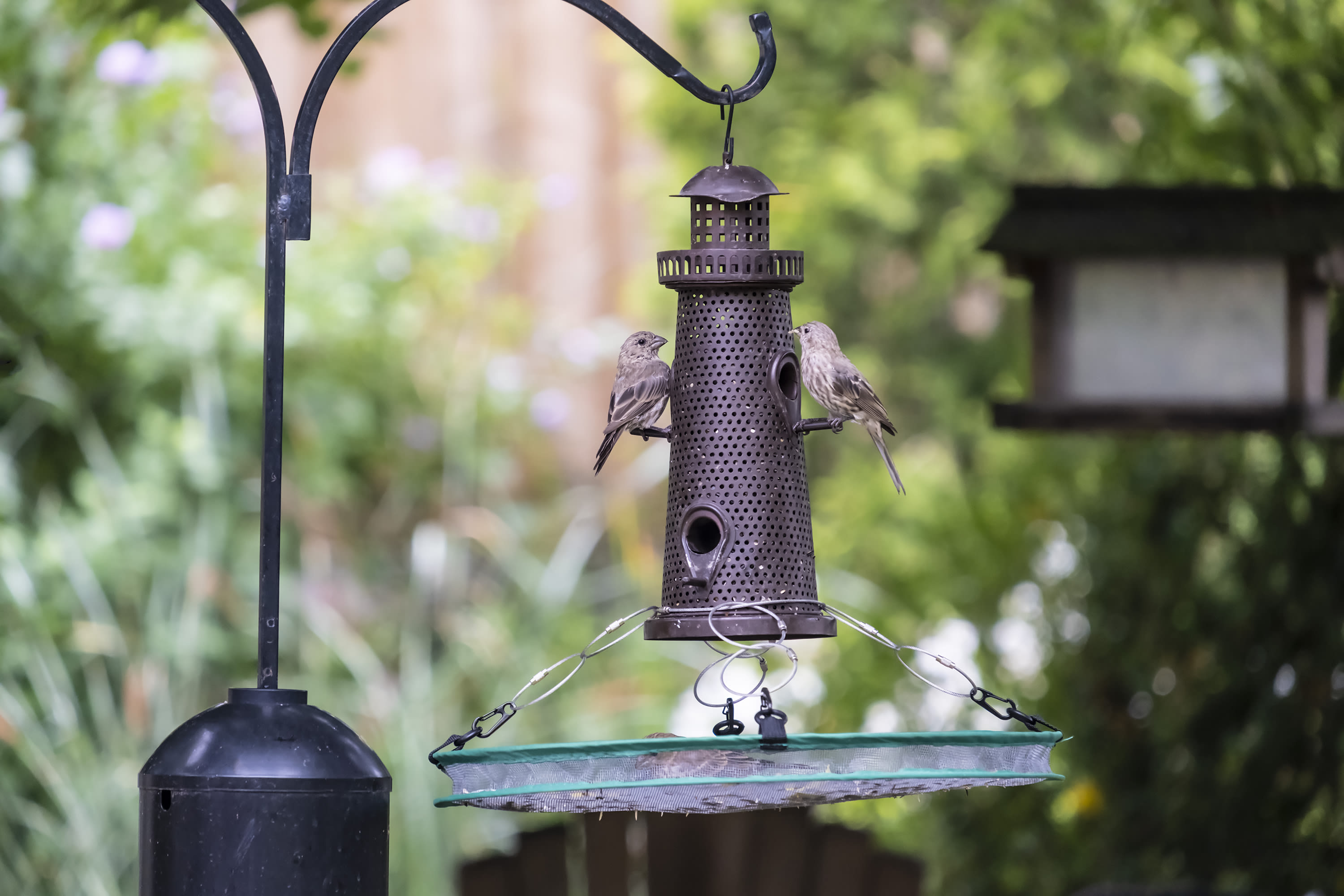
Feeders help provide food when natural sources are low. Use different feeder types for various birds.
Pick seeds that birds in your area like. Sunflower and nyjer seeds are popular choices.
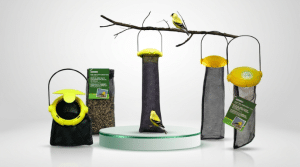
- Tube feeders work well for small songbirds
- Platform feeders attract larger birds
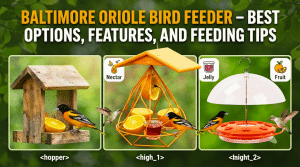
- Hopper feeders hold more seed and attract many birds
- Use mixed seeds to attract a variety of birds
Feeding Tips And Schedules
Keep feeders clean to stop disease. Wash with warm water and mild soap every two weeks.
Feed birds year-round but increase food in winter when natural food is scarce. Remove feeders in spring to avoid pests.
- Refill feeders before they are empty
- Place feeders in safe spots away from predators
- Offer fresh water along with food
- Watch birds to learn their feeding times
Credit: dengarden.com
Incorporating Bird Baths
Adding bird baths to your yard helps attract many kinds of birds. These baths provide birds with water to drink and bathe in.
Bird baths can make your yard lively and support local wildlife. Choosing and placing them right is important.
Choosing The Right Bath
Pick a bird bath made from safe and durable materials. Stone, ceramic, or metal baths last long and are easy to clean.
Choose a bath that is shallow and wide. Birds prefer water that is no deeper than two inches.
- Material: stone, ceramic, or metal
- Depth: shallow, about 2 inches
- Size: wide enough for several birds
- Stable base to avoid tipping
Maintenance And Cleanliness
Keep the bird bath clean to protect birds from diseases. Change the water every few days or more often in hot weather.
Scrub the bath with a brush and mild soap weekly. Rinse well before refilling to remove any soap residue.
- Change water regularly
- Clean bath weekly with brush and mild soap
- Rinse thoroughly before refilling
- Remove algae and debris
Placement For Maximum Use
Place the bird bath in a quiet, safe spot near trees or shrubs. Birds like to have cover nearby for quick shelter.
Put the bath where it gets some sun and shade. Avoid windy areas to keep the water calm and clean longer.
- Near trees or shrubs for safety
- Partly sunny, partly shaded spot
- Away from strong winds
- Visible to birds flying by
Using Birdhouses Effectively
Birdhouses add charm and shelter to your yard. They invite birds to nest safely. Using them right helps birds thrive near your home.
Choosing the right birdhouse and placing it well can attract many bird species. Keeping it clean keeps birds healthy and happy.
Types Of Birdhouses
Birdhouses come in many shapes and sizes. Different birds prefer different types. Pick one that fits the birds you want to attract.
- Wooden birdhouses: Natural and breathable for many birds.
- Plastic birdhouses: Easy to clean but less breathable.
- Ceramic birdhouses: Durable but can get hot in sun.
- Specialty birdhouses: Designed for specific species like bluebirds or wrens.
Placement And Installation
Where you put the birdhouse matters. Safe spots help birds feel secure. Install birdhouses at the right height and direction.
| Placement Tip | Reason |
| Mount 5 to 10 feet high | Keeps birds safe from predators |
| Face entrance away from prevailing wind | Protects birds from bad weather |
| Place near trees or shrubs | Provides cover and easy access |
| Avoid busy areas | Reduces disturbance from humans and pets |
Cleaning And Upkeep
Cleaning birdhouses keeps birds healthy. Do it once a year or between nesting seasons. Remove old nests and debris carefully.
- Wear gloves to protect yourself from germs.
- Use mild soap and water for cleaning.
- Rinse well and let dry completely before reusing.
- Check for damage and repair cracks or holes.
- Keep the entrance hole clear of obstructions.
Minimizing Hazards
Designing your yard with birds in mind helps keep them safe. Minimizing hazards creates a healthy space for birds to visit.
Simple changes in your yard can reduce risks. These changes protect birds from common dangers.
Avoiding Toxic Plants
Some plants are harmful to birds if eaten. Removing these plants keeps birds safe in your yard.
Choose bird-friendly plants that do not cause illness. This helps birds find safe food and shelter.
- Do not plant oleander, azalea, or rhododendron
- Avoid nightshades and yew bushes
- Use native plants that support local birds
- Check plant labels for bird safety
Reducing Window Collisions
Birds often hit windows because they see reflections or clear glass. This causes injury or death.
Make windows visible to birds. Use patterns or covers to help birds avoid flying into glass.
- Apply decals or tape in close patterns
- Use external screens or netting
- Close blinds or curtains when possible
- Plant shrubs near windows to break reflections
Safe Pest Control Methods
Many pest control chemicals harm birds. Use safe methods to protect wildlife and plants.
Choose natural ways to control pests. This keeps birds healthy and your yard balanced.
- Use insect-eating birds as natural pest control
- Try homemade sprays from garlic or soap
- Remove pest habitats like standing water or debris
- Avoid chemical pesticides and rodenticides
Encouraging Bird Activity
Creating a bird-friendly yard helps birds visit and stay longer. Simple changes can make your yard lively with bird activity.
Birds need food, places to rest, and sounds to feel safe. You can design your yard to meet these needs.
Creating Feeding Stations
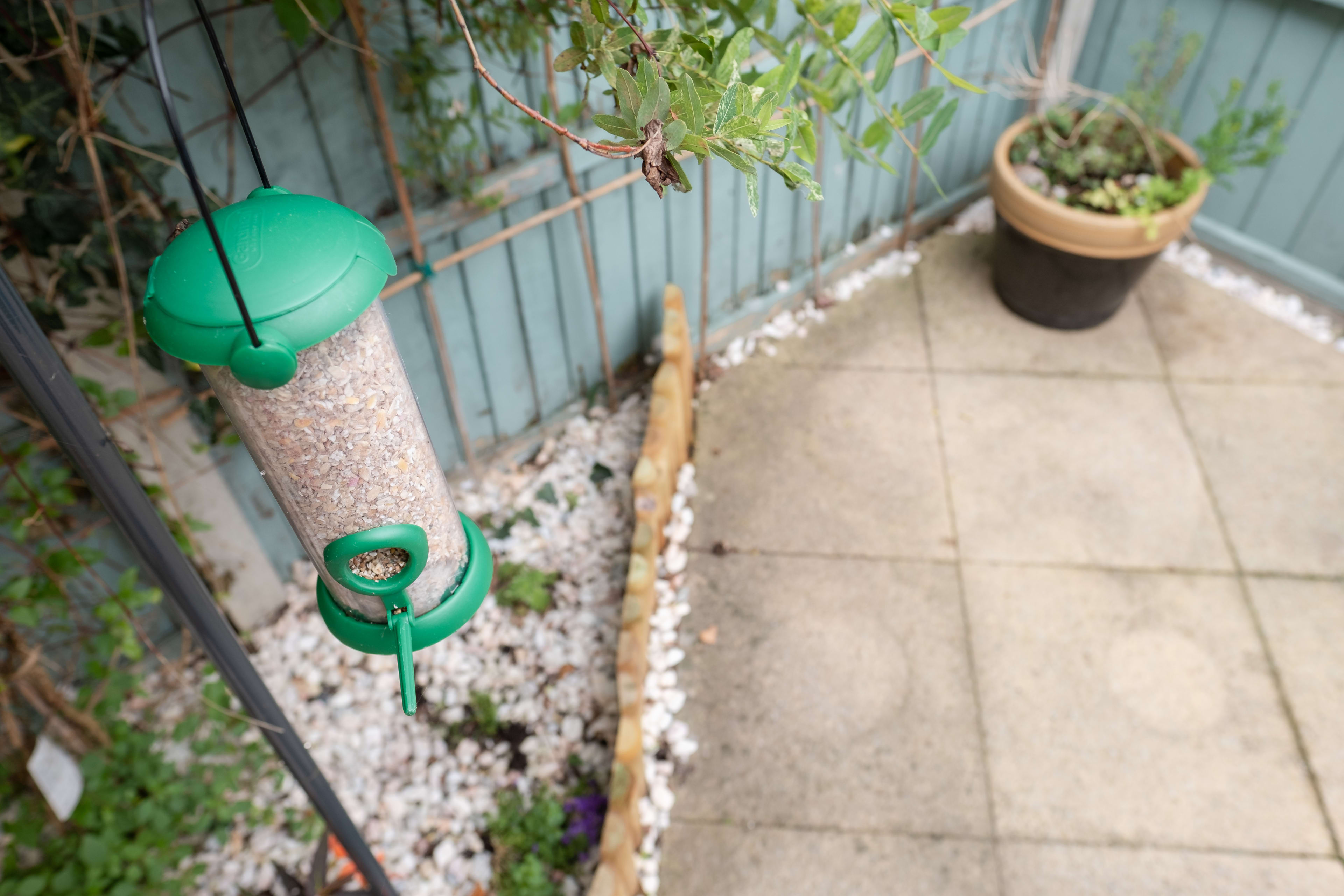
Feeding stations provide birds with easy access to food. Place feeders where birds feel safe from predators.
Use different types of feeders to attract various birds. Keep the feeders clean to prevent diseases.
- Use seed feeders for small birds
- Hang suet feeders for woodpeckers
- Offer nectar feeders for hummingbirds
- Place ground feeders for larger birds
Adding Perches And Branches
Birds need perches to rest and watch for danger. Add branches or poles near feeding areas.
Use natural branches with different thicknesses. Perches help birds feel safe and comfortable.
- Place perches near feeders but with some open space
- Use rough branches for better grip
- Vary perch heights to attract different bird types
Using Bird Calls And Sounds
Bird calls attract birds by signaling safety and food. Play recorded calls to invite birds to your yard.
Use sounds carefully to avoid scaring birds away. Turn off sounds during quiet times to keep birds relaxed.
- Play calls of local bird species
- Use sounds during early morning or late afternoon
- Keep volume low for natural effect
Credit: dengarden.com
Seasonal Yard Adjustments
Birds need different yard features in each season. Changing your yard helps birds stay safe and find food.
Seasonal yard care supports birds during migration, winter, spring, and summer. Adjust your yard to meet their needs.
Preparing For Migration
Many birds travel long distances in migration. Your yard can provide rest and food before they leave.
Offer fresh water and seeds that give energy. Keep the yard quiet and safe from pets.
- Fill birdbaths with clean water daily
- Plant native berry bushes for natural food
- Trim tall grasses for clear flight paths
- Remove clutter that blocks bird movement
Winter Care Tips
Winter is tough for birds due to cold and less food. Your yard can be a warm refuge.
Provide high-fat seeds and keep water from freezing. Add shelter like pine branches or birdhouses.
- Use sunflower and suet feeders for energy
- Place feeders near shrubs for shelter
- Clear snow from feeding areas regularly
- Keep water in heated birdbaths or change often
Spring And Summer Enhancements
Spring and summer bring nesting and baby birds. Your yard should provide food, water, and safe nesting spots.
Plant flowering plants for insects and nectar. Avoid pesticides to protect young birds.
- Install birdhouses for nesting
- Grow native flowers to attract insects
- Keep water sources fresh and shaded
- Leave leaf piles for insects and shelter
Frequently Asked Questions
What Plants Attract Birds To My Yard Design?
Native flowering plants and shrubs attract birds by providing food and shelter. Choose berry-producing and nectar-rich species for year-round appeal.
How Can I Create A Bird-friendly Water Feature?
A shallow birdbath with clean, fresh water attracts birds. Add stones for perching and change water regularly to prevent mosquitoes.
What Bird Feeders Work Best In Yard Designs?
Use feeders suited to local bird species. Tube feeders attract finches, while platform feeders are great for larger birds.
How Do I Provide Safe Shelter For Birds?
Install birdhouses and dense shrubs to offer protection from predators and harsh weather. Avoid using pesticides near shelters.
Conclusion
Creating a bird-friendly yard offers numerous rewards. Birds bring beauty and joy. Their presence supports a balanced ecosystem. Simple changes make your yard inviting. Plant native trees and shrubs. Provide fresh water sources. Add bird feeders and nesting boxes. These steps attract various bird species.
Enjoy watching birds thrive in your garden. Share this experience with family and friends. Take pride in your yard’s transformation. A small effort creates a peaceful haven. Your yard becomes a sanctuary for birds and nature. Embrace these changes and enjoy nature’s melody.
Your garden will be alive with chirping delights.