Have you ever stopped to admire the bright flash of yellow darting through the trees? Yellow birds are some of the most eye-catching creatures in nature, adding a splash of sunshine wherever they appear.
If you love discovering new birds or want to know which yellow species might visit your backyard, this article is made just for you. You’ll learn about their unique colors, songs, and habits—details that will make your next birdwatching experience unforgettable.
Ready to see the world through the eyes of these stunning yellow birds? Keep reading to find out more.
Credit: ebird.org
Popular Yellow Bird Species
Yellow birds are easy to spot because of their bright color. They live in many places around the world.
These birds are loved by bird watchers for their beauty and songs. Below are some popular yellow bird species.
American Goldfinch
The American Goldfinch is small and has bright yellow feathers in summer. It has black wings with white spots.
This bird eats seeds and likes open fields and gardens. It sings a soft, twinkling song.
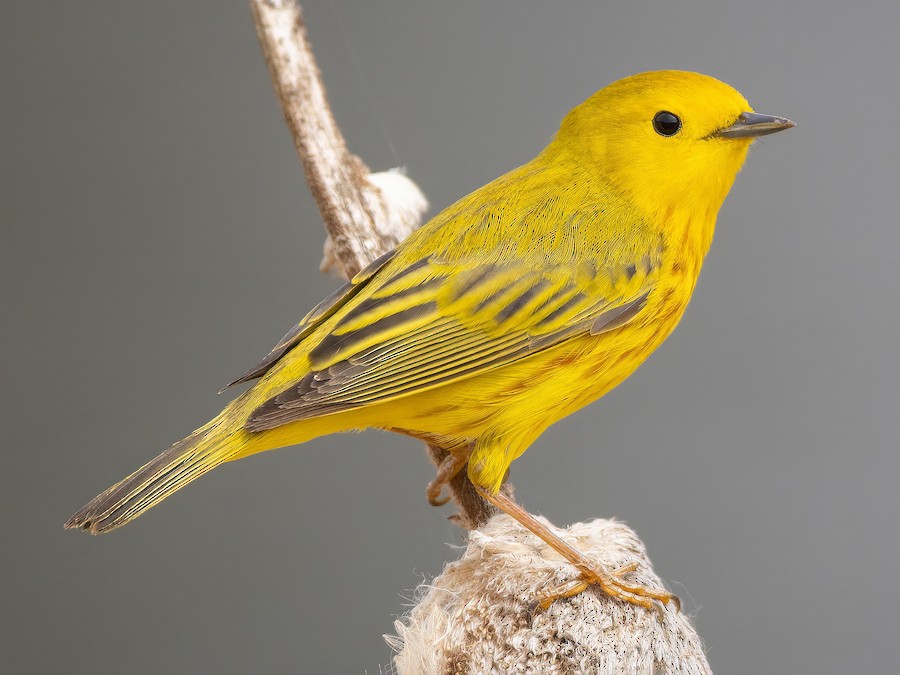
Yellow Warbler
The Yellow Warbler is a tiny bird with bright yellow feathers and small brown streaks on its chest. It lives near water.
It eats insects and is known for its sweet, ringing song. It nests in shrubs and trees.
Canary
Canaries are popular pet birds with bright yellow feathers. They come from the Canary Islands.
They sing well and are easy to care for. Wild canaries eat seeds and small insects.
Prothonotary Warbler
The Prothonotary Warbler has a rich golden-yellow body and blue-gray wings. It lives in swampy forests.
This bird eats insects and catches them near water. It builds nests in tree holes.
Saffron Finch
The Saffron Finch is bright yellow with some orange on its head. It is native to South America.
It lives in open areas and feeds on seeds and small insects. It often sings from high perches.
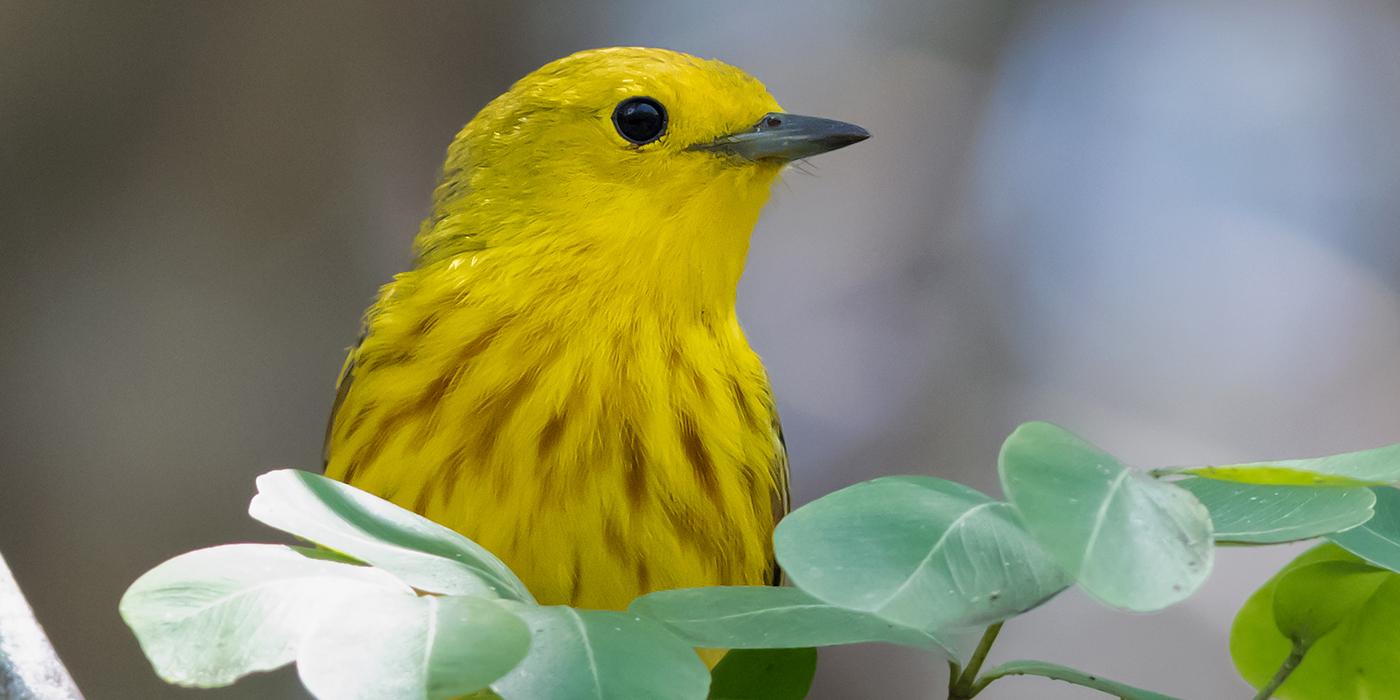
Credit: nationalzoo.si.edu
Unique Features Of Yellow Birds
Yellow birds are known for their bright and cheerful colors. They add beauty to forests, gardens, and parks.
These birds have many interesting traits. Their colors, shapes, and sounds make them special to watch and study.
Color Variations
Yellow birds show many shades of yellow. Some are pale, while others are bright or golden.
Some species mix yellow with other colors like green, black, or white. This helps them blend into their homes.
- Bright yellow helps some birds attract mates
- Greenish-yellow offers camouflage in trees
- Black markings add unique patterns
Size And Shape Differences
Yellow birds vary in size from small to medium. Their body shapes also differ depending on species.
Some have round bodies and short tails. Others have slender bodies with long tails or beaks.
- Small yellow birds often have quick, sharp movements
- Medium-sized birds may show longer wings for flying
- Beak shapes can be thin or stout for different diets
Distinctive Calls And Songs
Yellow birds use many sounds to communicate. Their calls can be soft chirps or loud songs.
Each species has unique sounds. These help them find mates or mark their territory.
- Some sing melodious tunes that last several seconds
- Others use quick chirps to warn of danger
- Calls vary from high-pitched to deep and rich tones
Habitats Of Yellow Birds
Yellow birds live in many places around the world. Their bright color helps them blend into their homes. These birds can be found in forests, wetlands, and even cities.
Different species of yellow birds choose habitats that suit their needs. These habitats provide food, shelter, and safe places to raise their young.
Forests And Woodlands
Many yellow birds live in forests and woodlands. These areas offer plenty of trees and plants. The trees provide nests and food like insects and seeds.
Woodlands also give shelter from predators. Birds like the Yellow Warbler and American Goldfinch often live here. They use dense leaves to hide and build nests.
- Thick tree cover for nesting
- Abundant insects and seeds for food
- Protection from weather and predators
Wetlands And Marshes
Wetlands and marshes are home to some yellow bird species. These areas have water and tall grasses. Birds like the Yellow-headed Blackbird enjoy this habitat.
Wetlands provide insects, fish, and plants for food. The tall plants also offer hiding places. This helps the birds stay safe and raise their young.
- Water and wet soil for food sources
- Tall grasses for shelter and nesting
- Rich insect life to feed on
Urban And Suburban Areas
Yellow birds can also live near people in cities and suburbs. They find food in gardens, parks, and backyards. The American Goldfinch is common in these areas.
Bird feeders and flowering plants attract these birds. They use trees and shrubs to build nests. Urban areas give them new places to explore safely.
- Bird feeders provide extra food
- Trees and shrubs for nesting spots
- Gardens attract insects and seeds
Behavior And Diet
Yellow bird species show lively behaviors and interesting diets. They are active during the day and use bright colors to attract mates.
Their diets vary but mainly include seeds, insects, and fruits. These foods help them stay energetic and healthy.
Feeding Habits
Yellow birds often feed in flocks, searching for seeds and small insects. They use their sharp beaks to pick food from trees and bushes.
Some species like to eat nectar from flowers. This helps them get quick energy and stay active throughout the day.
- Seeds form the main part of their diet
- Insects provide protein for growth
- Fruits and nectar add vitamins and sugar
Migration Patterns
Many yellow bird species migrate to find better food and warmer weather. They travel in groups during spring and fall seasons.
Some species fly long distances, while others move only short distances. Migration helps them survive when food is scarce.
- Spring migration leads to breeding areas
- Fall migration moves birds to warmer places
- Not all yellow birds migrate every year
Breeding And Nesting
Yellow birds build small nests in trees or shrubs. Both males and females help to protect the nest and raise the young.
The female lays several eggs. The parents take turns keeping the eggs warm and feeding the chicks after they hatch.
- Nests are made from twigs, grass, and leaves
- Clutches usually contain 3 to 6 eggs
- Both parents feed and protect the chicks
Tips For Birdwatching Yellow Species
Yellow birds are bright and fun to watch. They often live in different places and times.
Knowing when and where to find them helps you enjoy birdwatching more. Use the right gear too.
Best Seasons To Spot Yellow Birds
Many yellow birds are easier to see in spring and summer. These seasons have more birds singing and active.
Some species migrate in fall. Winter can be good for spotting some yellow birds that stay in warm areas.
- Spring: breeding season, bright plumage
- Summer: nesting and feeding young
- Fall: migration time for some species
- Winter: look in warmer regions
Recommended Locations
Yellow birds live in forests, gardens, and wetlands. Each species likes different habitats.
Visit parks, nature reserves, and open fields. These places often have many yellow birds to see.
- Woodlands and forests for warblers and orioles
- Wetlands for yellow warblers and marsh birds
- Gardens and parks for goldfinches and canaries
- Open fields for meadowlarks and buntings
Essential Gear For Birdwatchers
Good gear helps you see yellow birds clearly. It also keeps you comfortable and safe outdoors.
Bring binoculars, a bird guidebook, and a notebook. Wear clothes that blend into nature and protect you.
- Binoculars for clear close-up views
- Bird guidebook to identify species
- Notebook to record sightings
- Comfortable clothes and sturdy shoes
- Hat and sunscreen for sun protection
- Water and snacks for longer trips

Credit: www.sacramentoaudubon.org
Conservation Status
Yellow bird species are found in many parts of the world. Their bright colors make them easy to spot. Some yellow birds face risks that affect their survival.
Understanding their conservation status helps us protect these birds. Many species are listed as vulnerable or endangered due to various threats.
Threats To Yellow Bird Populations
Yellow birds face many dangers in the wild. Loss of habitat is one of the biggest threats. Forest clearing and urban growth reduce their living space.
Pollution and climate change also harm these birds. Changes in weather affect their food sources. Some yellow birds are hunted or trapped illegally.
- Habitat loss due to deforestation
- Pollution of air and water
- Climate change affecting food supply
- Illegal hunting and trapping
- Invasive species competing for resources
Conservation Efforts
Many groups work to save yellow bird species. They protect habitats by creating reserves and parks. These safe areas help birds live and breed.
Scientists study yellow birds to understand their needs. They track population changes and threats. This research guides actions to keep the birds safe.
- Creating protected natural reserves
- Restoring damaged habitats
- Researching bird behavior and health
- Enforcing laws against hunting
- Educating the public about bird protection
How To Help Protect Yellow Birds
You can help yellow birds by supporting clean and green spaces. Plant native trees and flowers to provide food and shelter. Avoid using harmful chemicals in your garden.
Join local birdwatching groups or conservation projects. Spread awareness about the importance of protecting yellow birds. Small actions by many people can make a big difference.
- Plant native trees and flowers
- Keep gardens free from pesticides
- Support bird conservation organizations
- Participate in local birdwatching events
- Educate friends and family about bird protection
Frequently Asked Questions
What Are Common Yellow Bird Species?
Yellow birds include the American Goldfinch, Yellow Warbler, and the Eurasian Siskin. These species are known for their vibrant yellow plumage. They inhabit various regions and are often found in gardens, forests, and wetlands. Their bright color makes them a favorite among bird watchers.
Where Can I Find Yellow Birds?
Yellow birds can be found in North and South America, Europe, and Asia. They are often seen in open fields, gardens, and forested areas. Many species migrate, so their presence may vary seasonally. Observing them during spring and summer is ideal.
What Do Yellow Birds Eat?
Yellow birds primarily feed on seeds, insects, and fruits. They have a preference for sunflower seeds and small insects like caterpillars and beetles. Some species also consume nectar. Providing a diverse diet helps maintain their vibrant plumage and energy levels.
How Do Yellow Birds Behave?
Yellow birds are generally social and active. They often form flocks, especially during migration. These birds are known for their melodic songs and playful behavior. In breeding season, males display vibrant colors and songs to attract mates. Their behavior can vary slightly depending on the species.
Conclusion
Yellow birds bring color and life to nature. They live in many places worldwide. Each species has unique traits and songs. Watching them can be very peaceful and fun. These birds also help plants grow by spreading seeds. Protecting their homes is important for the environment.
Enjoy learning about yellow birds and their beauty. Their bright feathers and cheerful sounds brighten any day. Keep exploring and appreciating these lovely creatures often.