

Have you ever wondered what makes the cheerful chirps of the yellow finch so captivating? If you listen closely, these bright little birds don’t just sing—they tell stories through their sounds.
Understanding yellow finch bird sounds can bring you closer to nature and add a peaceful rhythm to your day. You’ll discover how to recognize their unique calls and why these melodies might just brighten your mood. Keep reading, and let the sweet songs of the yellow finch surprise you.
Yellow Finch Characteristics
The Yellow Finch is a small bird known for its bright color and cheerful sounds. It is popular among bird watchers and nature lovers.
This bird has unique features that help it live in different environments. Its sounds are light and melodic, making it easy to recognize.
Physical Appearance
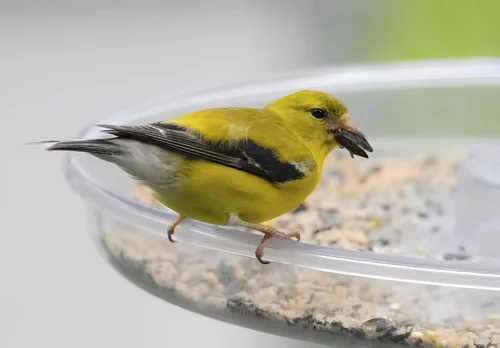
The Yellow Finch has a bright yellow body with some black markings on its wings and tail. Its beak is short and strong, perfect for eating seeds.
Male finches are usually brighter than females. Females have softer colors with more brown or olive tones.
- Small size, about 4.5 to 5 inches long
- Bright yellow feathers on most of the body
- Black wings and tail edges
- Short, conical beak for seed eating
- Males are brighter than females
Habitat And Range
Yellow Finches live in open areas like fields, gardens, and parks. They like places where they can find many seeds and small plants.
These birds are found in North America, mostly in the United States and southern Canada. They often stay in the same area all year.
- Open fields, gardens, and parks
- Feeds mainly on seeds and small plants
- Found in the U.S. and southern Canada
- Common in both rural and suburban areas
- Usually stays in one region year-round

Credit: www.youtube.com
Types Of Yellow Finch Calls
Yellow finches use different sounds to communicate. Each call has a special meaning.
Listening to their calls helps us understand their behavior better.
Songs And Chirps
Yellow finches sing to mark their territory and attract mates. Their songs are clear and melodic.
Chirps are shorter sounds used for simple communication between birds.
- Long, musical songs signal presence
- Short chirps keep flocks together
- Varied tones show mood changes
Alarm Calls
Yellow finches use alarm calls to warn others about danger. These calls are sharp and quick.
The alarm sounds help the flock stay safe and alert to predators.
- High-pitched calls signal threats
- Rapid notes warn nearby birds
- Calls stop once danger passes
Mating Songs
Male yellow finches sing special songs to attract females. These songs are louder and more complex.
The songs show the male’s strength and health to potential mates.
- Longer phrases with varied notes
- Repeated patterns to hold attention
- Softer calls after pairing
Purpose Of Finch Sounds
Yellow finches use different sounds to communicate with each other. These sounds help them survive and live in groups.
Their songs and calls serve many purposes. Birds use them to share information and express feelings.
Communication
Finches use sounds to talk to other birds nearby. They warn about danger or show their location.
Calls can signal food sources or keep family members close. Sounds help finches stay safe and connected.
Territorial Claims
Male yellow finches sing to mark their territory. This tells other birds to stay away from their space.
By singing loudly, they protect their home and food. This keeps their area safe from rivals.
Attracting Mates
Male finches use songs to attract female finches. A strong, clear song shows good health and strength.
Females listen to these songs when choosing a mate. The best singers get more chances to mate.
How Finch Sounds Vary
Yellow finches produce different sounds in many situations. Their songs and calls change depending on where they live and the time of year.
Understanding these changes helps bird watchers recognize finches better. It also shows how finches adapt to their environment.
Regional Differences
Finch sounds vary by region. Birds in different areas have unique song patterns and calls. These changes help finches communicate with nearby birds.
In some places, finches sing faster or with more notes. In others, their calls may sound softer or louder. These differences come from climate and habitat.
- Finches in northern areas have shorter songs
- Southern finches often use longer, complex calls
- Mountain finches may sing at higher pitches
Seasonal Changes
Yellow finch sounds change with the seasons. During spring, males sing more to attract mates. Their songs become louder and more varied.
In fall and winter, finches use simpler calls. These sounds help keep the flock together and warn of danger. Singing drops when birds focus on survival.
- Spring: complex songs for mating
- Summer: moderate singing for territory
- Fall and winter: simple calls for safety
Individual Variations
Each yellow finch has a unique voice. Individual birds may change their songs slightly. This helps them stand out to mates and rivals.
Young finches learn songs from adults but add their own style. Some birds sing faster, others slower. These small differences show personality.
- Young finches copy and change songs
- Adult finches have distinct singing styles
- Song speed and pitch vary by bird
Recording Finch Melodies
Yellow finches have sweet and clear songs. Recording their sounds helps us enjoy their melodies anytime.
Capturing these bird songs requires some planning and the right tools. This guide will help you get started.
Best Times To Listen
Yellow finches sing most during early mornings. They also sing at dawn and before sunset.
Spring and early summer are the best seasons. Birds sing more to attract mates and mark territory.
- Early morning (dawn)
- Late afternoon (before sunset)
- Spring and early summer months
Equipment Tips
Use a good quality microphone for clear sound. A directional mic helps reduce background noise.
A digital recorder with manual controls works well. Bring extra batteries and memory cards for long sessions.
- Directional microphone for focused recording
- Digital recorder with manual settings
- Extra batteries and memory storage
- Windshield for microphone to reduce wind noise
Popular Locations
Yellow finches live in open areas like fields and meadows. Parks with trees and bushes are good spots.
Look near water sources and gardens. These places attract finches and other songbirds.
- Open fields and meadows
- Parks with trees and shrubs
- Gardens and bird feeders
- Near streams or ponds

Credit: www.youtube.com
Impact Of Finch Sounds On Ecosystem
Yellow finch bird sounds play an important role in nature. Their calls help balance the ecosystem in many ways.
Their songs affect other animals and plants around them. Understanding these sounds shows how finches support life.
Role In Food Chain
Yellow finch sounds help mark their territory in the food chain. Their calls warn other birds to stay away.
They also attract mates, which helps keep their population steady. A healthy finch group means food for predators.
- Finch calls protect feeding areas
- Sounds help finches find partners
- Strong finch populations feed larger birds
Influence On Other Species
The finch sounds affect many other species nearby. Some animals use these calls to avoid danger.
Plants also benefit because finches help spread seeds. Their calls keep the ecosystem active and healthy.
- Other birds listen to finch warnings
- Predators track finch sounds for hunting
- Seed spread helps plants grow
Conservation Efforts
Protecting yellow finch sounds is part of saving their habitats. Conservation groups study their calls to track populations.
Preserving natural soundscapes helps finches live safe and thrive. Quiet spaces support their communication and survival.
- Monitoring finch sounds to check health
- Protecting forests and fields they live in
- Creating quiet zones free from loud noises
Enjoying Finch Sounds At Home
Yellow finches have soft, cheerful songs that bring calm to any home. Their sounds can make your garden feel alive.
Listening to finch sounds helps you connect with nature without leaving your house. It can brighten your day.
Creating Bird-friendly Gardens
Plant flowers and shrubs that produce seeds and berries. These attract yellow finches to your garden.
Provide fresh water and safe places for birds to rest. Avoid using chemicals that may harm them.
- Grow sunflowers, coneflowers, and thistles
- Set up bird feeders with nyjer seeds
- Place a shallow water dish for drinking
- Keep bushes trimmed for shelter
Using Sound Recordings
Playing finch songs indoors can create a peaceful mood. Use recordings of yellow finch sounds to relax.
Choose clear and natural recordings. Play them softly to avoid disturbing pets or family members.
- Find high-quality finch sound files online
- Use speakers or headphones for listening
- Play sounds during quiet times like morning or evening
- Mix with other nature sounds for variety
Birdwatching Tips
Watch yellow finches quietly to enjoy their behavior and songs. Use binoculars for a closer look.
Stay still and avoid sudden moves. Early mornings are the best time to see and hear finches.
- Wear neutral colors to blend in
- Keep noise low to avoid scaring birds
- Bring a notebook to record observations
- Use apps to identify bird calls
Credit: swibirds.org
Frequently Asked Questions
What Do Yellow Finch Bird Sounds Typically Sound Like?
Yellow Finch bird sounds are clear, high-pitched, and melodic. They often include trills and twittering calls that vary in rhythm and length. These sounds help attract mates and mark territory.
How Do Yellow Finch Birds Use Their Sounds?
Yellow Finches use sounds for communication, mating, and warning. Their calls signal territory ownership and alert others to danger. Singing also helps attract potential mates during breeding season.
When Are Yellow Finch Bird Sounds Most Common?
Yellow Finch sounds are most common during early morning and late afternoon. These times are active periods for singing, especially in spring and summer when breeding occurs.
Can I Identify Yellow Finches By Their Sounds Alone?
Yes, you can identify Yellow Finches by their unique, high-pitched trills and warbles. Listening closely to their melodic patterns helps distinguish them from other finches.
Conclusion
Yellow finch bird sounds bring joy to many nature lovers. Their sweet songs brighten quiet mornings and calm busy days. Listening closely helps you know their moods and habits. These birds sing to attract mates and mark their space. Enjoying their sounds connects you with the outdoors.
Try to spot them in your local parks or gardens. Each chirp tells a small story of the yellow finch’s life. Keep your ears open and your heart ready. Nature’s music is always nearby, waiting for you.


