Have you ever watched a bird rolling around in the dirt and wondered why it does that? It might seem strange at first, but birds have a good reason for this dusty habit.
Understanding why birds bathe in dirt can change the way you see these feathered friends. You’ll discover the surprising benefits that dirt baths provide for birds and how this behavior helps keep them healthy and strong. Keep reading—you’ll be amazed at what a little dirt can do!
Credit: bluedotliving.com
Bird Bathing Habits
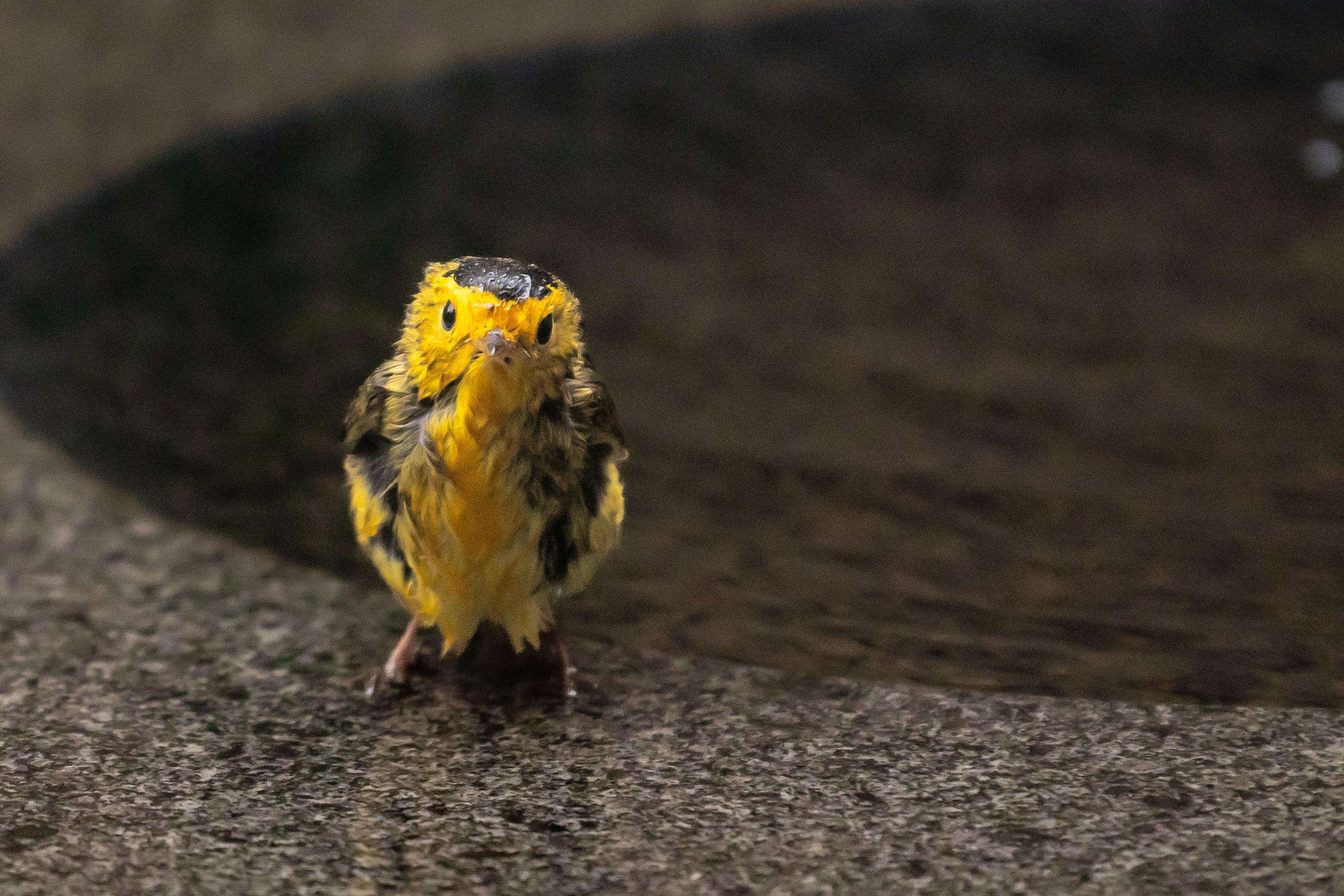
Birds clean themselves by bathing. This helps keep their feathers healthy and free of parasites. Some birds use water, but others bathe in dirt.
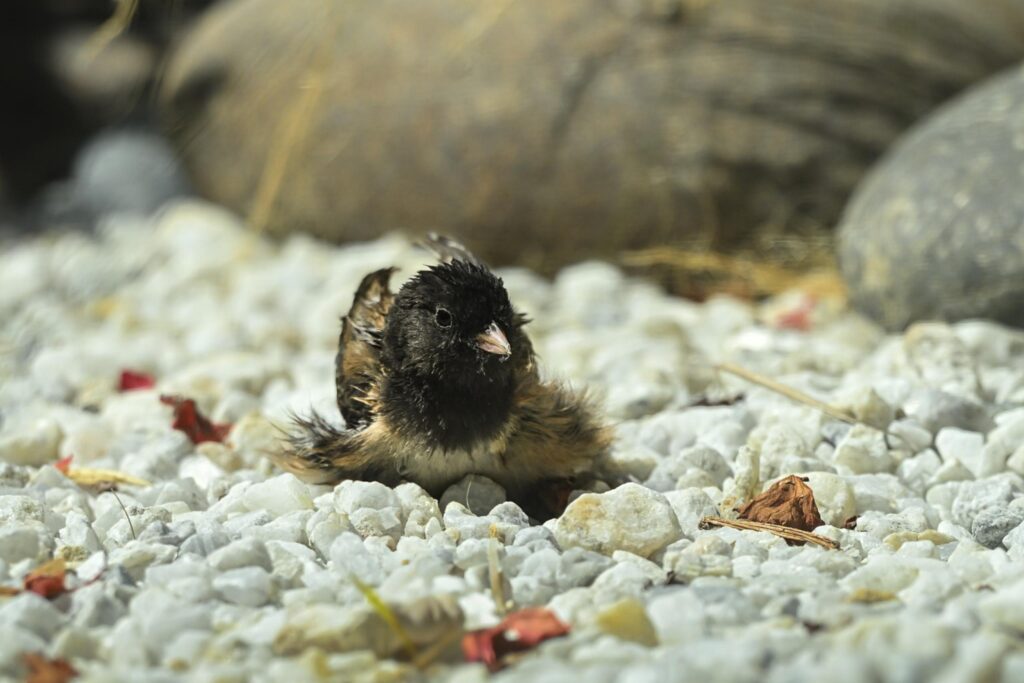
Bathing in dirt is a special behavior called dust bathing. Birds roll or flap in dry soil to remove oil and bugs from their feathers.
Types Of Bird Baths
Birds use different places to bathe. Water baths are common, but dirt baths are also important. Each type helps birds stay clean in different ways.
- Water Baths:Birds splash in water to wash dirt and dust off.
- Dirt Baths:Birds use dry soil to remove excess oil and parasites.
- Sand Baths:Some birds use fine sand to clean feathers.
Frequency Of Bathing
Birds bathe often to stay healthy. The time between baths depends on the bird and the weather.
In dry weather, birds dust bathe more to control oil and pests. After rain, water baths become common.
- Many birds bathe daily or every few days.
- Some birds bathe more in hot seasons.
- Bathing helps keep feathers strong and clean.
Reasons For Dirt Bathing
Birds often bathe in dirt or dust. This behavior helps them stay healthy and clean. Dirt bathing is a natural way for birds to protect themselves.
Many birds use dirt baths to remove pests and keep their feathers in good shape. It also helps their skin stay healthy. Let’s look at the reasons in detail.
Pest Control
Dirt baths help birds remove tiny pests like mites and lice. The dust gets into their feathers and skin, making it hard for pests to stay.
After a dust bath, birds often shake off the dirt with the pests. This keeps them free from bugs that can cause harm.
- Dust covers feathers and skin
- Pests get trapped in the dirt
- Birds shake off the dust and pests
Feather Maintenance
Dirt bathing helps birds keep their feathers strong and clean. The dust absorbs oils and moisture that can damage feathers.
This process also fluffs the feathers, helping birds stay warm and fly easily. Clean feathers protect birds from weather and injury.
- Removes excess oil and moisture
- Fluffs feathers for better insulation
- Keeps feathers smooth for flying
Skin Health
Dirt baths help keep bird skin healthy. The dust can dry up oily skin and prevent infections.
Bathing in dirt also soothes itchy skin and stops irritation. This helps birds stay comfortable and healthy.
- Dries oily skin
- Prevents skin infections
- Reduces itching and irritation
Benefits Of Dust Baths
Birds often bathe in dirt to keep themselves healthy. This behavior is called dust bathing.
Dust baths help birds remove pests, control body temperature, and interact with others.
Parasite Removal
Dust helps birds get rid of tiny bugs like mites and lice. These pests can harm their feathers and skin.
The dust sticks to the parasites and makes them fall off when birds shake it off.
Temperature Regulation
Dust baths can cool birds down on hot days. The dry dirt absorbs oils and moisture from their feathers.
This helps birds stay comfortable and avoid overheating during warm weather.
Social Behavior
Birds often dust bathe in groups. This activity helps them bond and communicate with each other.
Dust bathing can show trust and strengthen social connections among birds.

Credit: kukufarm.com
Comparing Water And Dirt Baths
Birds use both water and dirt baths to clean themselves. Each type helps birds stay healthy in different ways. Understanding why birds choose one over the other shows how they adapt to their surroundings.
Water baths help birds wash off dirt and cool down. Dirt baths, also called dust baths, remove parasites and keep feathers strong. Both types are important for bird care.
Situational Preferences
Birds pick water or dirt baths based on their current needs. They use water baths to clean off mud or sweat. Dirt baths are chosen to fight bugs and parasites.
Young birds often start with water baths. Adult birds may prefer dirt baths to keep parasites away. Some birds switch between both baths during the day.
- Water baths clean feathers and cool the body.
- Dirt baths remove tiny bugs and mites.
- Birds may use dirt baths to dry off after rain.
- Bath choice depends on what the bird feels it needs most.
Environmental Factors
The environment plays a big role in bath choice. Birds use water baths when clean water is easy to find. In dry places, dirt baths are more common.
Season and weather also affect bathing. Birds may take dirt baths during droughts. After rain, water baths become more popular. Habitat type influences what is available for birds.
- Wet areas encourage water baths.
- Dry, dusty places lead to dirt baths.
- Rainfall changes how often birds use water baths.
- Temperature affects if birds want to cool down with water.
Bird Species Known For Dirt Bathing
Many bird species clean themselves by bathing in dirt. This behavior helps remove parasites and keep their feathers healthy. Dirt bathing is common among birds living on the ground or open areas.
Birds use dust or dry soil to reach places water cannot clean. This natural habit helps them stay free from bugs and oils that can harm their feathers.
Common Ground-dusting Birds
Several birds are well known for their ground-dusting habits. These birds often live where loose dirt or sand is easy to find.
- American Robin – often seen dusting in dry soil.
- House Sparrow – uses dust to clean feathers regularly.
- European Starling – enjoys dust baths in sunny spots.
- Chickadees – take dust baths to remove parasites.
- Quail – rolls in dirt to keep clean and cool.
Unique Bathing Rituals
Some birds have special ways of dirt bathing that differ from others. These rituals can involve specific movements or locations.
For example, some birds dig shallow pits to create a dust bath spot. Others flap their wings or shake their feathers while rolling in the dirt.
- Sandgrouse carry water in their feathers but use dust for bathing.
- Wrens fluff their feathers while dusting to spread dust evenly.
- Thrashers dig deep dust baths to remove tough dirt.
- Woodpeckers use dust baths to clean hard-to-reach feather parts.
Credit: bluedotliving.com
How Dirt Bathing Supports Survival
Birds often bathe in dirt to keep their feathers clean and healthy. This behavior helps them survive in many ways.
Dirt bathing removes pests and oils that water baths cannot. It also helps birds adapt to their environment and stay strong for flight.
Adaptation To Habitats
Birds live in many places like forests, deserts, and grasslands. Dirt bathing helps them adjust to these habitats.
The dirt helps remove parasites that live in feathers. This keeps birds healthy in different environments.
- Dirt absorbs extra oil from feathers
- Dust removes mites and ticks
- Bathing cools birds in hot climates
- Dirt dries feathers quickly in dry areas
Enhanced Flight And Mobility
Clean feathers are important for flying. Dirt bathing helps birds keep feathers in good shape for flight.
Removing pests and oils makes feathers lighter and stronger. This improves how birds move and fly fast.
- Feathers stay flexible and smooth
- Less weight from pests helps flying
- Better feather condition reduces energy use
- Improved flight helps escape predators
Frequently Asked Questions
Why Do Birds Prefer Dirt For Bathing?
Birds bathe in dirt to remove excess oil and parasites from their feathers. Dust absorbs oils and loosens pests, keeping plumage clean and healthy. This natural behavior helps birds maintain flight efficiency and prevents skin infections.
How Does Dirt Bathing Benefit Birds’ Feathers?
Dirt bathing protects feathers by absorbing oils and dislodging mites. It keeps feathers flexible and waterproof. Clean feathers improve insulation, flight, and overall bird health.
Is Dirt Bathing Safer Than Water Bathing For Birds?
Dirt bathing reduces the risk of chilling and feather damage. Unlike water, dirt quickly dries and doesn’t weigh feathers down. Birds choose dirt baths in dry or hot climates for safety and comfort.
What Types Of Dirt Do Birds Use For Bathing?
Birds prefer dry, loose soil or fine dust for bathing. Sandy or powdery dirt works best to absorb oils and remove parasites. Moist or compacted soil is usually avoided.
Conclusion
Birds bathe in dirt to maintain their feathers and health. Dust helps remove parasites and excess oil. This natural behavior keeps them clean and comfortable. Birds instinctively know the benefits of dust baths. It’s fascinating to observe them enjoying this simple ritual.
Understanding why birds bathe in dirt highlights nature’s wisdom. These small actions are vital for their survival. By learning about bird behaviors, we appreciate their unique ways. Nature always provides what they need. Next time you see a bird in dirt, you’ll know why.
It’s a lesson in simplicity and survival.