Newborn Bird Care: Feeding, Warmth, Health Monitoring, and Growth Tips
Newborn Bird Care is essential for ensuring the health and survival of young birds. Proper techniques can significantly improve their chances of thriving.
Caring for a newborn bird can feel overwhelming, but you’re not alone. Whether it’s a tiny chick you’ve found or a pet bird just hatched, your care makes all the difference.
Understanding the basics of Newborn Bird Care will guide you through the process, making it easier to provide the necessary support and environment.
Imagine helping that fragile life grow strong and healthy right in your hands. In this guide, you’ll discover simple, effective steps to give your baby bird the best start. Keep reading to learn how to keep your little feathered friend safe, warm, and well-fed every day.
Throughout this guide on Newborn Bird Care, we will cover every aspect necessary to ensure your feathered friend grows strong and healthy.
Your bird’s future depends on what you do now.
Preparing A Safe Nest
Taking care of newborn birds starts with making a safe nest. The nest must protect the birds from dangers and keep them warm.
The first step in Newborn Bird Care is creating a safe and warm environment that supports their growth and wellbeing.
A good nest helps baby birds grow strong and healthy. It is important to choose the right place and materials.
Choosing The Right Location
Pick a quiet spot away from predators and harsh weather. The nest should be hidden but easy to watch.
Make sure the area is stable and not too close to the ground. Higher spots keep the nest safer.
- Find a sheltered area from wind and rain
- Avoid places with many predators like cats
- Place the nest where it is not easily seen
- Choose a spot with some natural cover
Materials For Nest Building
Use soft and natural materials to build the nest. These keep the baby birds warm and comfortable.
Using the right materials is a critical part of Newborn Bird Care, as it affects their comfort and health directly.
Avoid sharp or hard items that can hurt the newborn birds. Clean materials help prevent illness.
- Soft grass or dry leaves for lining
- Small twigs for structure
- Feathers for extra warmth
- Natural fibers like cotton or moss
- Do not use plastic or metal parts
Maintaining Cleanliness
Keep the nest clean to protect baby birds from germs. Remove old or wet materials regularly.
Check the nest often but do not disturb the birds too much. Clean nests help birds stay healthy.
- Remove droppings and dirty materials
- Replace wet or moldy lining
- Use gentle cleaning if needed
- Avoid strong chemicals near the nest
- Wash hands before and after handling
Feeding Newborn Birds
Feeding is a vital aspect of Newborn Bird Care. Proper nutrition ensures that they develop correctly and remain healthy.
Feeding newborn birds is an important task. It helps them grow strong and healthy.
Different bird species need different foods and feeding schedules. Learning these helps keep birds safe.
Types Of Food For Different Species
Newborn birds eat foods based on their species. Some eat insects, others eat seeds or fruits.
It is best to give the right food to match their natural diet. This helps them grow well.
- Insect-eating birds need soft insects or special insect formulas.
- Seed-eating birds require soaked seeds or soft pellets.
- Fruit-eating birds benefit from mashed fruits and soft vegetables.
- Some species eat a mix of these foods for balanced nutrition.
Feeding Frequency And Techniques
Newborn birds need feeding many times a day. Young birds eat more often than older ones.
In terms of Newborn Bird Care, understanding the frequency of feedings is essential to cater to their developmental needs.
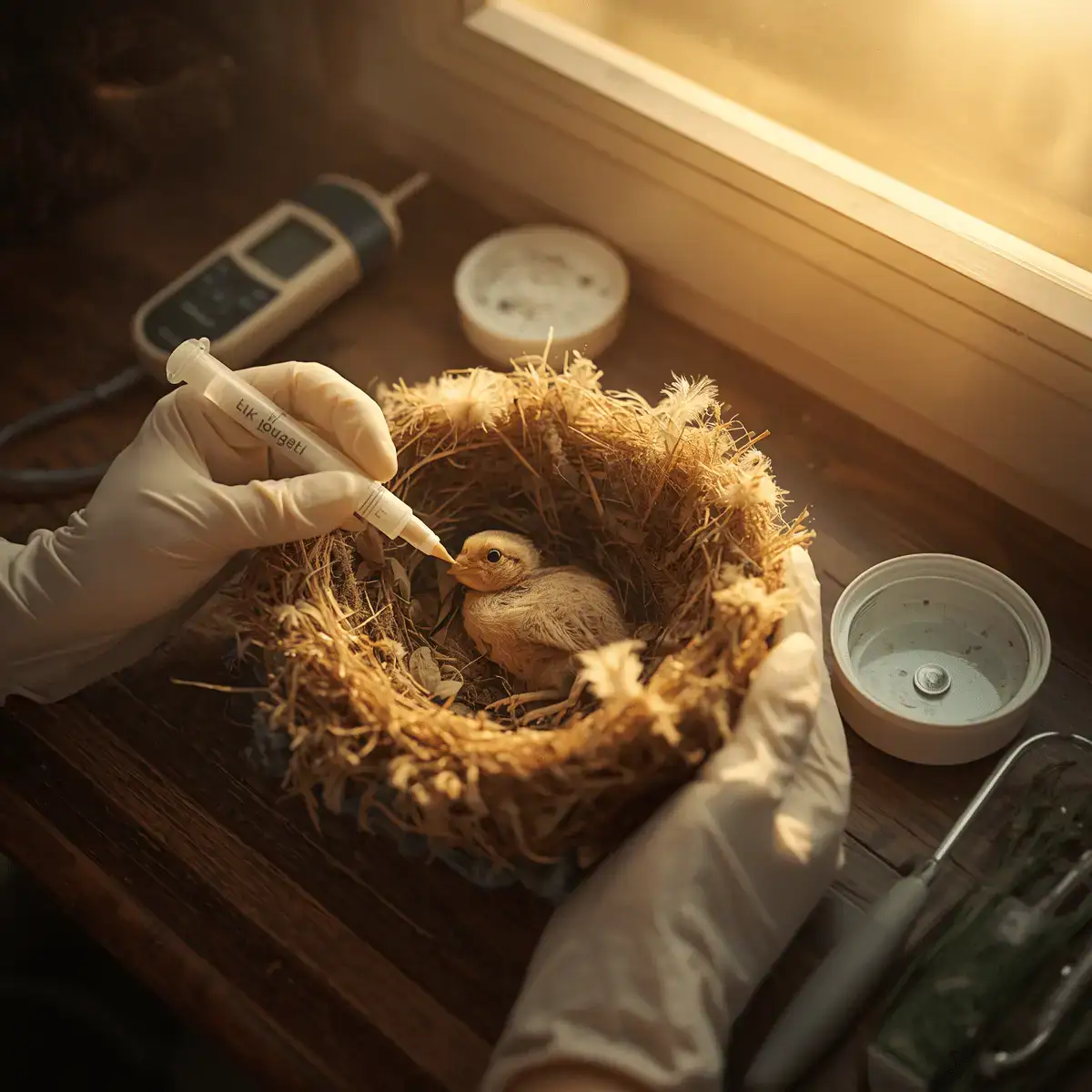
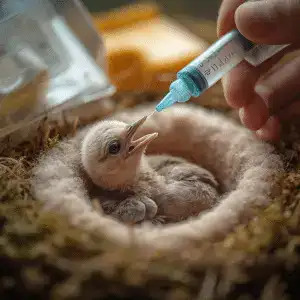
Use small tools like syringes or spoons. Feed slowly and gently to avoid choking.
- Feed every 15 to 30 minutes for very young birds.
- Feed every 1 to 2 hours as they grow older.
- Keep the food warm but not hot to protect their health.
- Always clean feeding tools to prevent infections.
Avoiding Common Feeding Mistakes
Many feeding mistakes harm newborn birds. Avoid these to keep birds safe and healthy.
Do not feed birds food that is too cold or too hot. Never force food into their throat.
- Do not give adult bird food to newborns.
- Avoid feeding too much or too little food at once.
- Never use milk or human food for newborn birds.
- Keep feeding areas clean to stop bacteria growth.
Temperature And Humidity Control
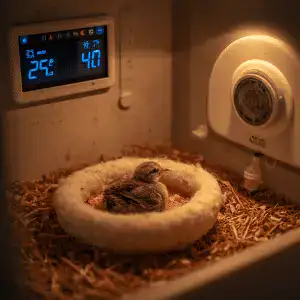
Newborn birds need a warm and moist environment to stay healthy. Proper temperature and humidity help their growth and comfort.
Temperature control is another key factor in Newborn Bird Care, as it directly impacts their growth and overall health.
Keeping these conditions stable prevents sickness and helps the baby birds thrive.
Ideal Temperature Range
Newborn birds cannot keep their bodies warm. They need a steady heat source. The right temperature helps them stay safe and grow well.
Keep the temperature between 90°F and 95°F (32°C to 35°C) during the first week. Lower the heat gradually as they grow.
- Week 1: 90°F to 95°F (32°C to 35°C)
- Week 2: 85°F to 90°F (29°C to 32°C)
- Week 3: 80°F to 85°F (27°C to 29°C)
- Week 4: 75°F to 80°F (24°C to 27°C)
Monitoring Humidity Levels
Humidity keeps a baby bird’s skin and respiratory system healthy. Too dry air can cause breathing problems and dry skin.
Aim for humidity between 50% and 60%. Use a hygrometer to check levels often and adjust if needed.
- Below 50%: Use a humidifier to add moisture
- Above 60%: Increase ventilation to reduce moisture
- Keep the area clean to avoid mold and bacteria
Using Heating And Humidifying Tools
Heat lamps or heating pads help keep the right temperature. Place them safely to avoid burns or overheating.
Use a humidifier or water trays to add moisture. Make sure tools run smoothly and are easy to control.
- Use a thermostat with heat lamps for steady temperature
- Place heating pads under bedding, not directly on birds
- Run humidifiers near the brooding area for even moisture
- Check devices daily for safety and proper function
Health Monitoring
Health monitoring is crucial in Newborn Bird Care to catch any signs of illness early and ensure a thriving bird.
Taking care of newborn birds means watching their health closely. Healthy birds grow strong and avoid sickness.
Regular checks help spot problems early. This way, you can act fast to keep the bird safe.
Recognizing Signs Of Illness
Newborn birds cannot tell us when they feel bad. We must watch their behavior and body for signs.
Look for changes in eating, sleeping, and movement. Notice if the bird looks weak or has trouble breathing.
- Less eating or drinking than usual
- Fluffed-up feathers for a long time
- Weak or slow movements
- Labored or noisy breathing
- Discharge from eyes or nose
- Unusual droppings or diarrhea
Regular Health Checks
Check the bird’s weight and body daily. Healthy birds have steady weight gain and bright eyes.
Observe the bird’s feathers and skin. Clean feathers and smooth skin show good health.
- Weigh the bird at the same time every day
- Watch for steady growth and activity
- Keep the bird’s living area clean
- Note any changes in behavior or appearance
When To Consult A Veterinarian
Call a vet if the bird shows serious or lasting signs of illness. Early help can save the bird’s life.
Do not wait if the bird stops eating, breathes fast, or becomes very weak. These need urgent care.
- Refuses food for more than a day
- Breathing hard or gasping
- Severe diarrhea or bleeding
- Seizures or loss of balance
- Injury or swelling on the body
Encouraging Development
Encouraging natural development is an integral part of Newborn Bird Care, fostering independence and strength.
Newborn birds need special care to help them grow strong and healthy. Encouraging their development early sets a good foundation for their future.
Caregivers should focus on natural growth and learning through gentle support and attention. This helps birds build skills they need to survive.

Promoting Natural Behaviors
Encourage newborn birds to practice natural actions like stretching, pecking, and preening. These behaviors help their muscles and instincts develop.
Provide safe spaces with soft branches or leaves where they can explore and move. This allows them to learn how to balance and use their wings.
- Offer small sticks or soft materials for pecking
- Keep the environment quiet and calm
- Let them practice wing flapping gently
Socialization With Siblings
Newborn birds learn many things from their brothers and sisters. They practice communication and social skills by interacting together.
Keep siblings together as much as possible. They help each other build confidence and reduce stress during early growth.
- Watch for gentle play and grooming
- Encourage sharing of space and food
- Notice signs of stress and give breaks if needed
Preparing For Fledging
Fledging is when young birds learn to fly and leave the nest. Caregivers should prepare them by supporting strong muscles and confidence.
Offer chances to practice short flights and balance on branches. Keep the area safe so they can try flying without danger.
- Provide low perches for climbing and jumping
- Encourage wing flapping daily
- Feed nutritious food to build strength
Handling And Interaction
Safe handling is a critical component of Newborn Bird Care, ensuring the bird feels secure and protected during interaction.
Taking care of a newborn bird needs gentle handling and careful interaction. This helps the bird feel safe and grow strong.
Learning the right way to hold and spend time with your bird supports its health and happiness.
Safe Handling Practices
Always wash your hands before touching a newborn bird. Clean hands prevent germs from spreading.
Hold the bird gently but firmly. Support its body to avoid injury or stress.
- Use both hands to support the bird’s body
- Avoid squeezing or sudden movements
- Keep the bird close to your body for warmth
- Do not handle the bird too often or for too long
Minimizing Stress
Newborn birds can get scared easily. Keep noise and bright lights low around them.
Try to keep a calm and quiet environment. This helps the bird relax and grow well.
- Handle the bird in a quiet room
- Speak softly when near the bird
- Limit visitors and sudden changes
- Keep the bird warm and comfortable
Bonding Techniques
Spend gentle time with your bird each day. This helps the bird trust you and feel safe.
Bonding techniques are part of a nurturing approach in Newborn Bird Care, aiding in trust and comfort for the bird.
Use soft sounds and slow movements to build a strong bond with your bird.
- Talk softly to the bird regularly
- Offer food by hand to create trust
- Hold the bird close but gently
- Be patient and consistent with care
Common Challenges And Solutions
Being aware of common challenges can enhance your approach to Newborn Bird Care, allowing for proactive solutions.
Taking care of newborn birds can be hard. They need careful attention and quick help.
This guide explains common problems with baby birds and how to fix them.
Dealing With Orphaned Birds
Orphaned birds often need extra care. They may be weak or scared without their parents.
Keep them warm and safe in a quiet place. Use a soft cloth or small box for a nest.
- Feed them with a special formula using a syringe or dropper
- Feed small amounts every 20-30 minutes during the day
- Ask a vet or bird expert for advice on care and feeding
Preventing Parasites
Parasites like mites and lice cause itching and illness in newborn birds.
Keep their living area clean and dry. Change bedding often to stop parasite growth.
- Check birds daily for signs of parasites like small bugs or red skin
- Use safe parasite treatments recommended by a vet
- Avoid overcrowding to reduce parasite spread
Managing Feeding Difficulties
Newborn birds may refuse food or have trouble swallowing. This can cause health problems.
Feeding difficulties are not uncommon in Newborn Bird Care, but with the right techniques, you can assist them effectively.
Feed slowly and gently. Warm food to the right temperature before feeding.
- Use a small syringe or dropper for easy feeding
- Feed in small amounts often to avoid choking
- If bird shows weakness or refuses food, get expert help quickly
Frequently Asked Questions
How Do I Feed A Newborn Bird Properly?
Feed newborn birds small, frequent meals using a syringe or dropper. Use a formula made for baby birds or soft, easily digestible foods. Keep the food warm but not hot. Avoid giving water directly to prevent choking.
What Temperature Is Best For Newborn Bird Care?
Keep newborn birds warm at about 85-90°F (29-32°C). Use a heat lamp or heating pad to maintain consistent warmth. Avoid sudden temperature changes to prevent stress or illness.
How Often Should I Clean A Newborn Bird’s Habitat?
Clean the habitat daily to prevent bacteria and infections. Remove droppings and replace bedding regularly. Use mild, bird-safe disinfectants to maintain hygiene without harming the bird.
When Should I Seek Veterinary Help For A Newborn Bird?
Seek a vet if the bird shows lethargy, difficulty breathing, or abnormal droppings. Early intervention can prevent serious health issues. Always consult a specialist in avian care for the best advice.
Conclusion
In conclusion, Newborn Bird Care is a rewarding journey that requires dedication and knowledge to support the growth of these fragile creatures.
Caring for newborn birds requires patience and attention. Keep their environment warm. Ensure regular feeding with appropriate food. Watch for signs of distress or illness. Handle them gently to avoid stress. Understanding their needs will help them thrive. Learn from reliable resources for better care.
Ask experts if you’re unsure about something. Helping a newborn bird grow is rewarding. Your effort makes a difference in their survival. Stay committed to their well-being for best results. Your dedication can save their lives. Enjoy watching them grow strong and healthy.
Your commitment to Newborn Bird Care can make a significant difference in their lives, leading them to grow into strong and healthy birds.