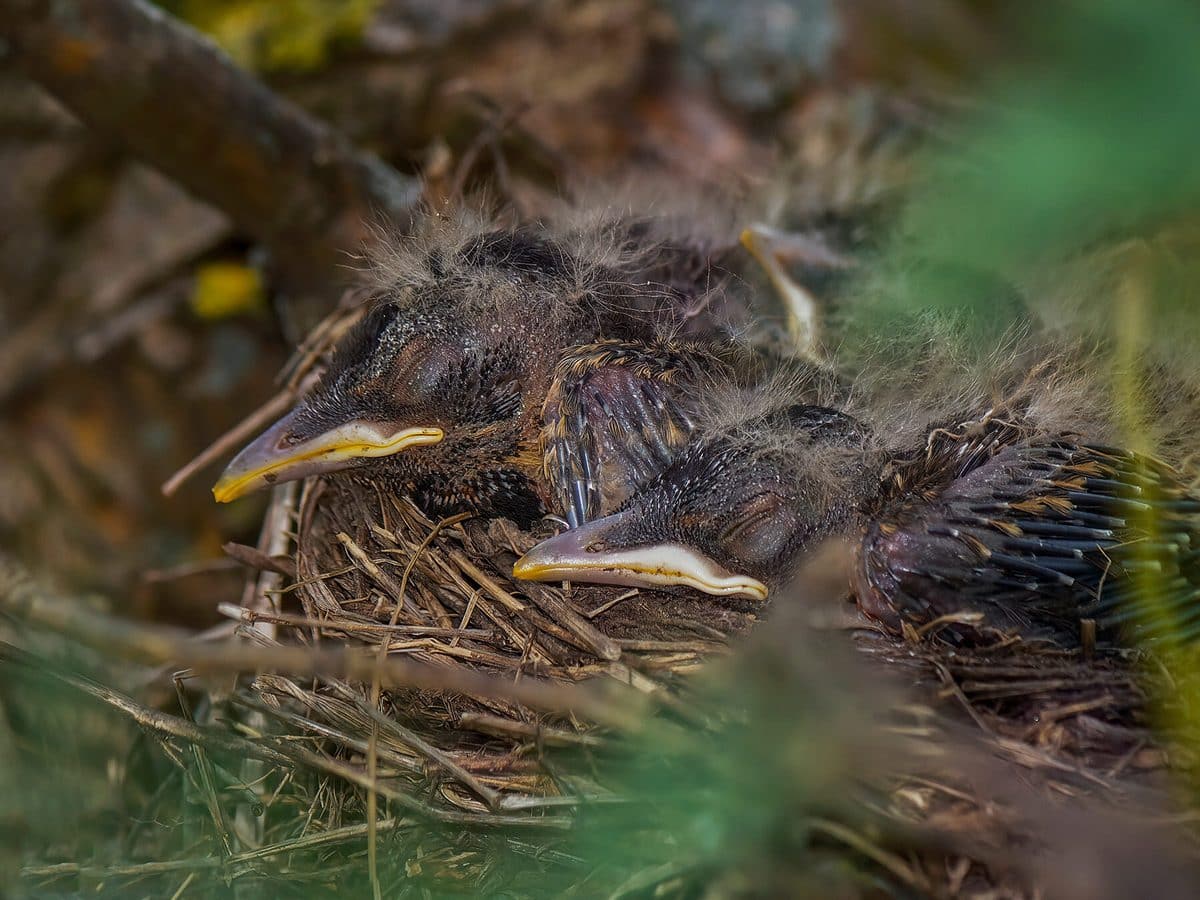
How Do Bird Sleep 2026 Guide Sleep Habits Explained
Have you ever wondered how birds manage to rest while perched high on a branch or even during long flights? Understanding how birds sleep can change the way you see these amazing creatures.
You’ll discover surprising facts about their unique sleep patterns and how they stay safe and alert. Keep reading to unlock the secrets behind your feathered friends’ nightly routines—you might be amazed at what you learn!

Credit: www.amazon.com
Bird Sleep Basics
Birds need sleep like humans do. They rest to stay healthy and active. Their sleep helps their brain and body recover.
Birds sleep in many places. Some sleep in trees, others on the ground. They find safe spots to avoid predators.
Sleep Duration Variations
Different birds sleep for different times. Small birds often sleep less than big birds. Some sleep only a few hours.
Birds can adjust their sleep time. They may sleep more when tired or less during migration. Night and day also affect their sleep.
- Small songbirds sleep about 8-12 hours
- Larger birds may sleep 10-14 hours
- Migrating birds sleep less during flights
- Some birds nap during the day
Sleep Stages In Birds
Birds have sleep stages like humans. They go through light sleep and deep sleep. Both stages help their body rest well.
Birds also show REM sleep. This is the stage when dreaming happens. REM sleep helps their brain stay sharp and active.
- Light sleep: Bird stays alert to danger
- Deep sleep: Body and brain recover
- REM sleep: Brain processes memories
Unique Sleep Positions
Birds have special ways to sleep that keep them safe and comfortable. Their sleep positions help them rest well.
Each bird uses different positions depending on where they sleep and their body shape.
Perching And Locking Mechanism
Many birds sleep while perched on branches. They use a special locking system in their feet.
This mechanism keeps their toes tightly wrapped around the branch. It stops them from falling while asleep.
- The tendons tighten automatically when the bird bends its legs.
- The toes lock without effort, even during deep sleep.
- This helps birds stay safe high above the ground.
Sleeping On The Ground
Some birds sleep on the ground instead of perching. Ground sleepers need extra care to stay safe.
They often choose hidden spots with good cover. This helps protect them from predators while they rest.
- Birds like ducks and quail usually sleep on the ground.
- They stay still and quiet to avoid attention.
- Some sleep in groups for better safety.
Tucking Head Under Wing
Birds often tuck their head under their wing when they sleep. This position helps keep them warm.
It also protects their face and eyes from cold wind and light. This makes sleeping easier and safer.
- Tucking head lowers heat loss from the body.
- It covers sensitive parts like eyes and beak.
- This position shows the bird is relaxed and comfortable.
One-eyed Sleep
Birds have a unique way of sleeping called one-eyed sleep. They keep one eye open while the other stays closed. This helps them stay alert to danger.
One-eyed sleep is part of a special sleep pattern that lets birds rest and watch at the same time. It helps them stay safe in the wild.
Unihemispheric Slow-wave Sleep
Unihemispheric slow-wave sleep means one half of the bird’s brain sleeps. The other half stays awake. This lets birds rest without losing awareness.
During this sleep, one eye is closed while the other stays open. The open eye watches for threats. The sleeping brain half restores energy.
- One brain side rests, the other stays active
- One eye closes, the other remains open
- Birds stay alert to danger while resting
- Helps birds survive in risky environments
Benefits Of Half-brain Sleep
Half-brain sleep helps birds stay safe from predators. They can quickly react if a threat appears. This sleep style is good for survival.
It also helps birds save energy. One side of the brain gets rest while the other controls movement and alertness. This balance keeps birds strong.
- Allows birds to rest and stay alert
- Reduces risk of being caught by predators
- Helps birds keep balance while resting on one leg
- Supports quick responses to danger
- Conserves energy without full wakefulness
Migratory Sleep Patterns
Birds that migrate travel long distances. These trips can last for hours or days. Migratory birds have special sleep habits to help them during flight.
They need to rest while flying to keep their energy. Their brains work differently to allow sleep in the air.
Sleeping While Flying
Some birds can sleep while flying. They rest one half of their brain at a time. This lets them stay awake enough to fly safely.
This type of sleep is called unihemispheric slow-wave sleep. It helps birds keep balance and watch for dangers.
- One brain half sleeps, the other stays awake
- They can control flight while resting
- They avoid predators during sleep
- This sleep is lighter than normal sleep
Adaptations For Long Flights
Migratory birds have changes in their bodies to handle long flights. Their muscles and energy systems work well for long distances.
They also reduce the time they spend in deep sleep on land. This helps them stay alert and ready to fly again soon.
- Strong wing muscles for sustained flight
- Efficient energy use from fat stores
- Shorter deep sleep periods on land
- Ability to rest brain halves separately
Environmental Influences
Birds’ sleep patterns change based on their surroundings. Different factors in the environment affect how and when birds sleep.
These influences help birds stay safe and rest well. Two main factors are light and the risk of predators.
Light And Sleep Cycles
Light is very important for birds’ sleep. Birds use daylight to set their daily routines. Bright light tells birds to stay awake.
When it gets dark, birds feel it is time to rest. Some birds sleep more during long nights and less during short nights. Light changes in seasons also change their sleep time.
Predator Avoidance
Birds sleep carefully to avoid predators. They choose safe places like high trees or thick bushes. Some birds sleep with one eye open to watch for danger.
- Sleeping in groups helps birds stay alert.
- Some birds sleep lightly and wake quickly.
- Many birds change sleep spots to stay safe.
Sleep And Brain Function
Birds need sleep just like humans do. Sleep helps their brains work well and stay healthy.
Scientists study how birds sleep to learn about memory and learning. Birds have special sleep patterns that help their brain.
Memory Consolidation
Memory consolidation means saving new memories in the brain. Birds do this during sleep.
When birds sleep, their brain repeats important signals. This helps them remember things better.
- Sleep moves memories from short-term to long-term storage
- Birds replay sounds and images while sleeping
- This process helps them remember songs and places
Learning And Sleep
Sleep helps birds learn new skills and adapt to their world. It improves their brain’s ability to process information.
Birds that get enough sleep perform better in finding food and avoiding danger.
- Sleep improves attention and decision-making
- Rested birds learn new songs faster
- Sleep supports brain growth and repair
Common Myths About Bird Sleep
Many people do not know how birds sleep. There are many false ideas about their rest. Learning the truth helps us understand birds better.
Bird sleep is different from how humans sleep. Some myths come from watching birds in the daytime. Let’s look at some common myths.
Birds Sleep Only At Night
People think birds only sleep at night like humans. Some birds do sleep mostly at night. Other birds take short naps during the day.
Hummingbirds, for example, sleep in short bursts even during the day. They rest often to save energy.
Birds Close Their Eyes When They Sleep
Most birds close their eyes when they sleep. Some birds can rest with one eye open. This helps them watch for danger while sleeping.
This behavior is called “unihemispheric slow-wave sleep.” It means one half of the brain sleeps while the other half stays awake.
Birds Sleep Sitting On Branches Only
Birds do not sleep only on branches. Some birds sleep on the ground, inside tree holes, or in nests. Each bird species chooses a safe place.
Water birds like ducks can even sleep while floating on water. They have ways to stay safe in their sleeping spots.
Birds Do Not Need Much Sleep
Some people think birds sleep very little. Birds actually need enough sleep to stay healthy. Sleep helps them rest and grow.
Sleep times vary by species. Small birds often sleep more than large birds. Sleep helps birds have energy for flying and finding food.
Birds Sleep Like Humans In One Long Period
Humans usually sleep in one long stretch. Birds often sleep in many short periods. They can rest several times during day and night.
This pattern helps birds stay alert to danger and keep warm. Short naps are important for their survival.
Credit: medium.com
Frequently Asked Questions
How Do Birds Sleep Without Falling From Trees?
Birds have a unique tendon-locking mechanism in their legs. This allows them to grip branches tightly while sleeping. It prevents them from falling even during deep sleep. This adaptation helps them rest safely in trees.
Do Birds Sleep With One Eye Open?
Yes, many birds sleep with one eye open. This behavior is called unihemispheric sleep. It helps them stay alert to predators. One brain hemisphere rests while the other stays awake. This allows birds to rest and stay safe simultaneously.
How Long Do Birds Sleep Daily?
Most birds sleep between 10 to 12 hours daily. Their sleep patterns vary by species and environment. Some birds take short naps throughout the day. Others have longer, continuous sleep periods at night. Sleep duration depends on their activity and safety needs.
Can Birds Sleep While Flying?
Certain bird species can sleep while flying. They use unihemispheric slow-wave sleep to rest one brain half. This ability helps during long migrations. It allows continuous flight and rest simultaneously. However, not all birds can sleep on the wing.
Conclusion
Birds have unique sleeping habits. Some sleep standing, others perched on branches. They remain alert to danger even while resting. This keeps them safe from predators. Understanding these behaviors reveals much about their survival. Birds’ sleep patterns are fascinating. Just like humans, rest is crucial for their health.
Observing birds can teach us about nature’s wonders. Their sleep habits remind us of life’s diversity. Next time you see a bird, think about its rest. Appreciate the complexity of its life. Sleep is important for every creature. Birds, just like us, need it to thrive.