What to Do If Bird is Sick: A Complete Guide
If your bird starts acting differently, it can be worrying. Birds are experts at hiding pain, so spotting early signs of illness is crucial. Knowing what to do if bird is sick can help you protect your feathered friend and improve their chances of recovery.
This guide walks you through recognizing sickness, taking immediate action, and providing proper care at home. By understanding what to do if bird is sick, you can act quickly to prevent complications.

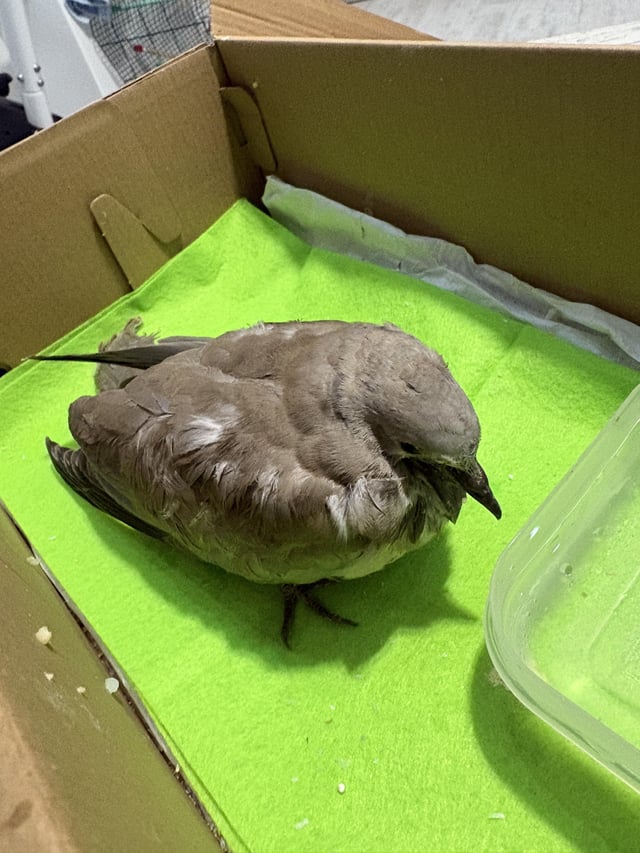
Credit: www.reddit.com
Recognizing Signs Of Illness
Birds often hide their sickness to stay safe. Owners must watch closely for signs of illness. Early detection helps birds get care faster. Learning what to do if bird is sick starts with spotting changes in behavior, appetite, or droppings.
Common Symptoms In Birds
Sick birds may show many signs. Some symptoms are easy to see, while others are subtle. Watch for changes in eating, breathing, and droppings.
- Loss of appetite or refusal to eat
- Difficulty breathing or noisy breathing
- Changes in droppings color or consistency
- Fluffed-up feathers for long periods
- Excessive sneezing or coughing
Understanding what to do if a bird is sick helps you act quickly to isolate and care for your bird.
Behavioral Changes To Watch For
Birds often change their behavior when sick. They may become less active or hide more. Watch for unusual quietness or aggression.
Notice if your bird stops playing or moving around. Changes in sleep patterns or vocal sounds can also signal illness.
- Less movement or reluctance to fly
- Hiding in corners or staying alone
- Reduced vocalization or silence
- Increased aggression or irritability
- Excessive sleeping or lethargy
Physical Indicators Of Sickness
Physical signs help confirm if a bird is unwell. Check eyes, beak, and feathers for changes. Swelling or discharge may appear on the body.
Look for weight loss and poor feather condition. These signs show your bird needs a vet visit right away.
- Dull or watery eyes
- Discharge from nostrils or beak
- Swollen or red skin areas
- Feathers that are brittle or missing
- Noticeable weight loss or thin body
Immediate Actions To Take
Finding your bird sick can be worrying. Acting quickly helps your bird feel better. Knowing what to do if a bird is sick includes isolating the bird, creating a comfortable environment, and contacting a veterinarian immediately.
Isolating The Sick Bird
Keep the sick bird away from others. This stops illness from spreading to healthy birds.
Place the bird in a quiet, safe cage in a separate room. Avoid loud noises and sudden movements.
- Use a clean cage or enclosure
- Limit contact with other birds
- Keep the bird in a calm space
Creating A Comfortable Environment
Make sure the bird feels safe and warm. Comfort helps it recover faster.
Provide fresh water and easy-to-eat food. Keep the cage temperature steady and avoid drafts.
- Use soft bedding or paper towels
- Keep the cage warm, about 75°F (24°C)
- Offer fresh food and water daily
Maintaining Proper Hygiene
Cleanliness stops germs from spreading. Wash hands before and after handling the bird.
Disinfect the cage and tools often. Use safe cleaners made for birds or mild soap and water.
- Wash hands with soap and water
- Disinfect food and water dishes daily
- Remove droppings and dirty bedding promptly
Contacting A Veterinarian
If your bird looks sick, calling a veterinarian is very important. Birds can hide their illness, so early help is best.
A vet can check your bird’s health and give the right treatment. This helps your bird get better faster.
When To Seek Professional Help
Look for signs that need a vet’s care. If your bird is not eating or drinking, call a vet.
Other signs include trouble breathing, droopy wings, or strange droppings. Quick action can save your bird.
- Not eating or drinking for more than 12 hours
- Labored or noisy breathing
- Fluffed-up feathers for long periods
- Weakness or inability to perch
- Unusual droppings or vomiting
- Swelling or wounds on the body
Preparing For The Vet Visit
Before the visit, keep your bird calm and warm. Use a small, secure carrier to avoid stress.
Write down any changes you noticed. This helps the vet understand your bird’s condition better.
- Place your bird in a quiet, safe carrier
- Bring a sample of droppings if possible
- Note any behavior or appetite changes
- Have a list of your bird’s diet and routine
- Keep your bird warm during transport
Questions To Ask Your Vet
Ask clear questions about your bird’s illness and care. This helps you give the best support at home.
Understanding treatment steps and signs to watch for is important for your bird’s recovery.
- What is causing my bird’s illness?
- What treatments does my bird need?
- Are there any side effects from medicine?
- How can I care for my bird at home?
- What signs mean I should come back?
- How often should my bird be checked?
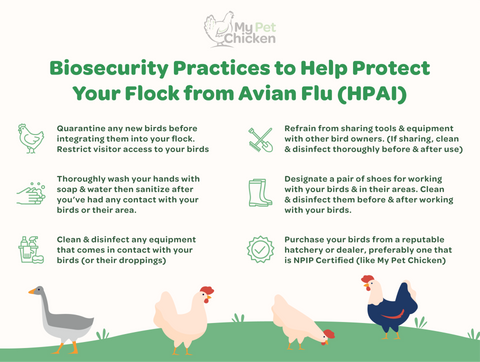
Credit: www.mypetchicken.com
Home Care Tips
Taking care of a sick bird at home needs patience and gentle care. You can help your bird feel better by giving the right food, medicine, and attention.
Watch your bird closely and make small changes to support its recovery. This guide helps you give the best home care.
Providing Nutritious Food and Water
A sick bird needs healthy food and clean water to get strong again. Offer fresh fruits, vegetables, and seeds that your bird likes.
Change the water daily and make sure it is easy for your bird to reach. Avoid giving spoiled or old food.
- Provide fresh fruits like apples and berries
- Include leafy greens such as spinach or kale
- Offer soaked seeds for easier digestion
- Keep water clean and refill it every day
- Remove any uneaten food to prevent germs
Administering Medications Safely
Give your bird medicine exactly as the vet says. Use the right tools like droppers or syringes to avoid mistakes.
Do not stop medicine early, even if your bird looks better. Keep a calm environment to reduce stress during medicine time.
- Follow the vet’s dosage instructions carefully
- Use clean droppers or syringes for each dose
- Administer medicine at the same time every day
- Watch for side effects and tell the vet if needed
- Keep your bird calm during medicine time
Monitoring Recovery Progress
Check your bird’s behavior and appetite daily. Note any changes to tell the vet during follow-up visits.
Keep your bird in a warm, quiet place to rest. Limit handling to reduce stress and help healing.
- Watch for eating and drinking habits
- Note activity levels and any breathing problems
- Keep a daily log of symptoms and changes
- Provide a warm and calm space for rest
- Contact the vet if symptoms get worse
Preventing Future Illness
Keeping your bird healthy means stopping sickness before it starts. You can help your bird live longer with simple care steps.
Good habits in cleaning, feeding, and vet visits keep your bird strong. Learn what to do to prevent future problems.
Maintaining A Clean Cage
Clean cages reduce germs that make birds sick. Change the cage lining every day to keep it fresh.
Wash food and water dishes daily. Remove droppings and old food to stop bacteria growth.
- Clean cage bottom and bars weekly with bird-safe cleaner
- Remove uneaten food daily
- Disinfect toys and perches regularly
- Keep the cage in a well-ventilated area
Ensuring Proper Diet And Exercise
Good food helps your bird stay strong and fight sickness. Feed fresh fruits, vegetables, and quality pellets.
Exercise keeps your bird active and healthy. Let your bird fly or move around safely each day.
- Provide a balanced diet with varied nutrients
- Offer fresh water every day
- Encourage daily flight or playtime outside the cage
- Use safe toys to promote movement
Regular Health Checkups
Visit a vet who knows birds to catch health problems early. Regular exams help prevent serious illness.
Watch your bird for changes in behavior or appetite. Early treatment improves recovery chances.
- Schedule yearly checkups with an avian vet
- Report any unusual signs like sneezing or lethargy
- Keep vaccination and parasite treatments up to date
- Ask your vet about safe supplements or care tips
Credit: pethelpful.com
Frequently Asked Questions
How Can I Tell If My Bird Is Sick?
Look for signs like lethargy, fluffed feathers, loss of appetite, or abnormal droppings. Changes in behavior or breathing difficulty also indicate illness. Early detection is vital for prompt treatment.
What Immediate Steps Should I Take If Bird Is Sick?
Isolate your bird to prevent disease spread. Keep it warm and provide fresh water. Contact a vet immediately for a proper diagnosis and treatment plan.
Which Symptoms Require Urgent Veterinary Care for Birds?
Severe breathing problems, bleeding, sudden paralysis, or loss of consciousness need urgent vet attention. Rapid weight loss or persistent vomiting also require immediate care.
Can I Treat My Sick Bird at Home Safely?
Home care is limited. Provide warmth and hydration but avoid self-medicating. Always consult an avian vet before administering any treatment to ensure safety.
Conclusion
Caring for a sick bird requires patience and attention. Always monitor its symptoms closely. Consult a vet for expert advice. Proper diet and clean environment help recovery. Ensure your bird feels safe and comfortable. Love and gentle care speed up healing.
Stay informed about common bird illnesses. Prevention is often the best cure. Regular check-ups can catch issues early. Keep learning about bird health and needs. Your feathered friend will appreciate your dedication. Remember, a healthy bird is a happy bird.