Is your Bird scooter refusing to start when you need it the most? It’s frustrating, especially when you’re counting on a quick ride.
If Bird won't start, you might feel stuck and unsure what to do next. But don’t worry—this guide will help you understand why Bird won't start and show you simple steps to get it moving again. Keep reading, and you’ll be back on the road faster than you think.

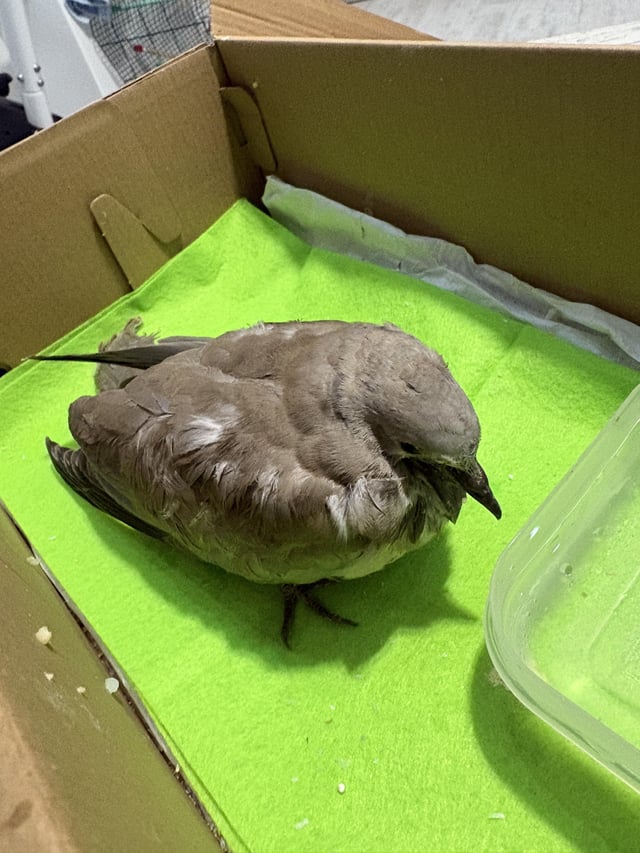
Credit: www.reddit.com
Common Causes
When Bird won't start, it usually happens because of a few common issues. Understanding these causes makes troubleshooting easier and faster.
Many problems relate to health, environment, or power-related systems. Identifying why Bird won't start helps you choose the right fix instead of guessing.
Health Issues
Sometimes Bird won't start due to internal issues or damage. Physical problems can prevent proper movement or power flow.
Common problems include system errors, internal damage, or performance faults that reduce responsiveness.
- Respiratory infections cause breathing trouble
- Parasites make birds weak and tired
- Injuries limit movement and cause pain
- Illnesses reduce energy and appetite
Environmental Factors
Environmental conditions can also explain why Bird won't start. Extreme temperatures, dirt, or moisture may affect performance.
Cold weather can drain battery power quickly, while excessive heat may cause safety shutdowns.
- Loud noises cause stress and fear
- Dirty cages lead to discomfort and illness
- Wrong temperature lowers energy levels
- Bad lighting affects bird's sleep and activity
Dietary Problems
Diet affects a bird’s energy and health. Birds that do not eat enough or get poor food may stop moving. Lack of vitamins and minerals weakens them.
Birds need fresh water and balanced food. Too many seeds or junk food can cause problems. Feeding the right diet keeps birds active and healthy.
- Insufficient food lowers energy
- Vitamin and mineral deficiencies cause weakness
- Dirty water can lead to sickness
- Unbalanced diet reduces overall health

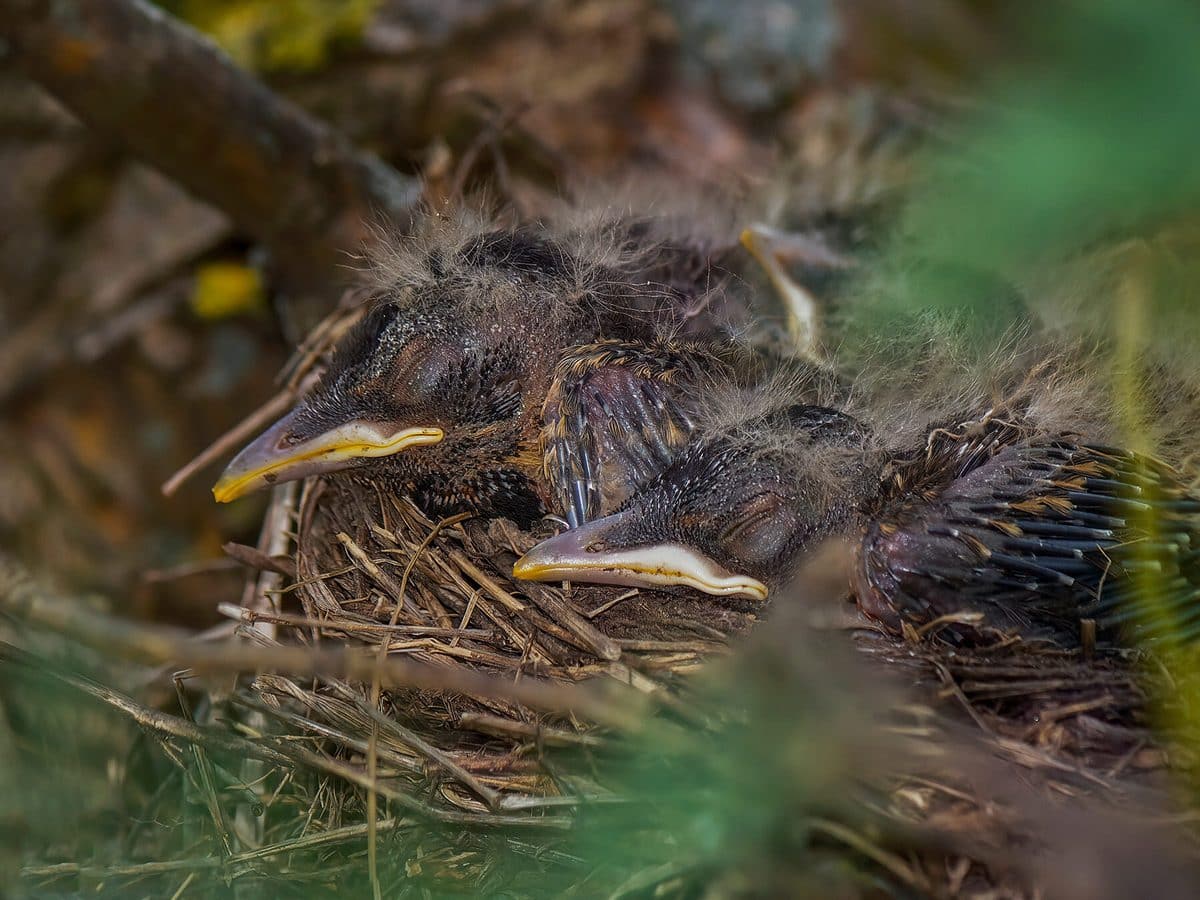
Credit: www.reddit.com
Initial Checks
When Bird won't start, quick checks can save time and stress. Always begin with simple inspections before assuming major problems. Look carefully at your bird and its surroundings.
These early checks can show if you need to get help from a vet or fix something at home.
Physical Examination
Look closely at your bird’s body for signs of illness or injury. Check the feathers, eyes, and beak for any changes.
Feel the bird gently to find lumps or cold spots. Notice if it breathes fast or looks weak.
- Check for swelling or wounds
- See if the eyes are clear and bright
- Look for missing or ruffled feathers
- Feel the bird’s body temperature by touch
Cage Setup
Check if the cage is clean and safe. Dirty cages can cause illness and stress for birds.
Make sure food and water are fresh and easy to reach. The cage should be quiet and free from drafts.
- Clean food and water dishes daily
- Remove old food and droppings
- Place the cage away from noise and wind
- Use safe perches and toys
Temperature And Lighting
Temperature plays a key role. If Bird won't start in cold weather, warming it slightly may help restore function.
Birds need a warm and steady temperature to feel well. Cold or heat stress can stop a bird from moving.
Good lighting helps birds stay active. Natural light or a full-spectrum lamp works best.
- Keep room temperature around 65-80°F (18-27°C)
- Avoid sudden temperature changes
- Give 10-12 hours of light daily
- Use curtains or covers at night for darkness
Quick Remedies
Sometimes birds may refuse to start moving or singing. This can worry bird owners. Quick remedies can help wake your bird up.
Small changes in care can make a big difference. Try these easy tips to help your bird feel better fast.
Hydration Tips
Birds need water to stay active. Lack of water can make them weak or sleepy. Always check your bird’s water bowl.
Offer fresh, clean water daily. You can also add water-rich fruits to their diet to keep them hydrated.
- Change water every day
- Use a clean bowl or bottle
- Include fruits like apple or melon
- Keep water at room temperature
Stimulating Activity
Birds need activity to stay lively. Lack of movement can cause them to stop starting their usual routines. Try to engage your bird daily.
Use toys, mirrors, or gentle talking to encourage them. Short play sessions can boost their energy and mood.
- Offer new toys regularly
- Talk softly to your bird
- Play music or nature sounds
- Spend time near your bird
Adjusting Diet
A poor diet can make birds slow or inactive. Check what your bird eats and make small changes to improve energy.
Add fresh vegetables, seeds, and nuts to give your bird more nutrients. Avoid too many treats or junk food.
- Include leafy greens like spinach
- Add seeds and nuts in moderation
- Remove unhealthy snacks
- Feed small, frequent meals
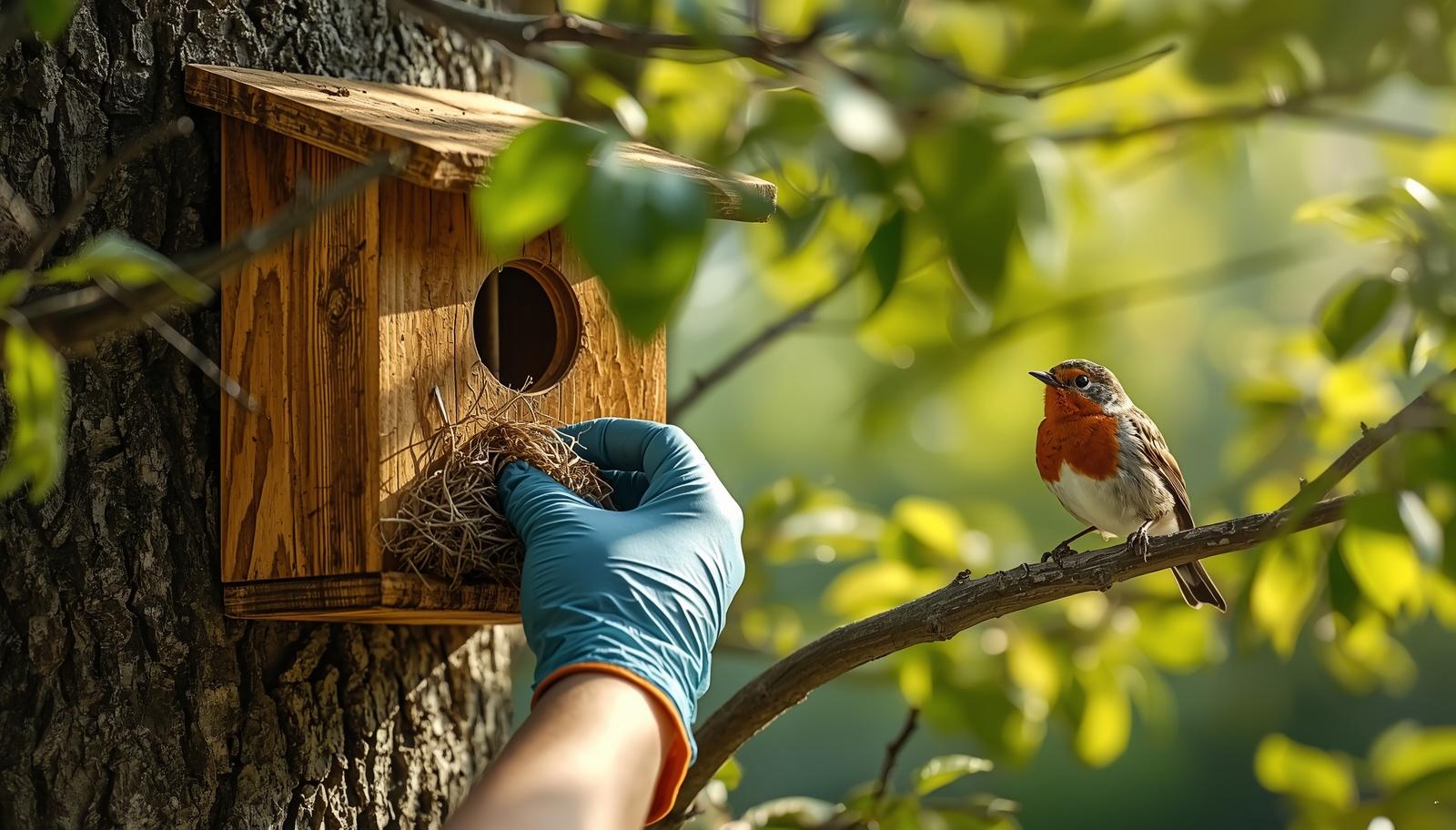
Credit: www.bnd.com
When To Seek Help
If your bird won't start moving or acting normal, it may need help. Knowing when to get help can save your bird's life.
Birds hide illness well, so watch closely for signs. Acting fast is important to protect your pet.
Signs Of Serious Illness
Look for changes in your bird's behavior or body. Serious illness needs quick attention from a vet.
- Bird is very weak or lying down all the time
- Difficulty breathing or noisy breathing
- Swelling or wounds that do not heal
- Loss of appetite for more than a day
- Unusual droppings that are watery or discolored
- Fluffed-up feathers for hours without moving
- Sudden changes in balance or falling off perches
Finding An Avian Vet
Not all vets treat birds. Find one who knows bird health well. This helps your bird get the right care.
Ask local pet stores or bird clubs for recommendations. Search online for vets with avian experience near you.
- Check if the vet has special training in birds
- Call and ask about emergency services
- Visit the clinic to see how they handle birds
- Keep contact info ready for quick access
Emergency Care Steps
If your bird is very sick, act fast. Follow simple steps to keep your bird safe until help arrives.
- Keep the bird warm and quiet
- Place the bird in a small box with soft cloth
- Do not feed or give water if the bird is weak
- Handle gently to avoid stress or injury
- Call your avian vet immediately for advice
- Transport the bird carefully to the vet
Preventive Measures
Birds may refuse to start or become inactive for many reasons. Preventive care helps keep them healthy and active.
Taking simple steps can reduce the chances of your bird not starting or showing signs of illness.
Regular Health Checks
Check your bird’s health often to catch problems early. Look for changes in behavior, feathers, and droppings.
Visit a vet who knows about birds for yearly exams. Early treatment can stop many health issues.
- Watch for signs like lethargy or loss of appetite
- Keep a health diary to note changes
- Schedule annual vet visits
Proper Nutrition
Feed your bird a balanced diet for good health. Include fresh fruits, vegetables, and quality pellets or seeds.
Avoid giving too many treats or junk food. Proper nutrition keeps energy levels up and supports the immune system.
- Offer a variety of fruits and vegetables daily
- Use pellets designed for your bird species
- Provide clean, fresh water every day
Safe Environment
Keep your bird’s cage clean and safe. Remove harmful objects and avoid drafts or sudden temperature changes.
Provide toys and space for exercise. A safe environment lowers stress and helps birds stay healthy and active.
- Clean cage and food dishes regularly
- Remove toxic plants and chemicals
- Provide fresh air without cold drafts
- Offer toys for mental and physical activity
Frequently Asked Questions
Why Won't My Bird Scooter Start?
Your Bird scooter may not start due to a low battery, software issues, or a faulty power button. Check the battery charge first. Restart the scooter and update the firmware if possible. If the problem persists, contact Bird support for assistance.
How To Fix Bird Scooter That Won’t Start?
Try charging the scooter fully and resetting it by holding the power button for 10 seconds. Inspect for physical damage or loose connections. Ensure the app is updated and connected. If these steps fail, reach out to Bird customer service for repair options.
What Causes Bird Scooter Battery Not To Start?
A drained or damaged battery is the most common cause. Extreme temperatures can also affect battery performance. Regularly charge your scooter and avoid leaving it unused for long. If the battery is faulty, it may need replacement by an authorized technician.
Can Firmware Issues Stop Bird Scooter From Starting?
Yes, outdated or corrupted firmware can prevent the scooter from starting. Always keep your scooter’s software updated through the Bird app. Firmware updates fix bugs and improve performance, ensuring your scooter starts smoothly every time.
Conclusion
Fixing a bird that won't start can be simple. Check the battery first. A dead battery often causes issues. Inspect wiring for loose connections. Tighten if needed. Examine the fuel system next. Ensure fuel reaches the engine. Clean clogged fuel lines.
Look at the ignition system. Spark plugs should be clean and working. Regular maintenance prevents many problems. Keep your bird in top shape. Follow these steps for smooth flights. Enjoy your journeys with a reliable ride. Stay safe and happy flying!