Have you ever gazed at the sky, wondering about the variety of bird species flying overhead? North America is a treasure trove of avian diversity, boasting a stunning array of bird species that captivate both the seasoned ornithologist and the casual birdwatcher.
But just how many bird species call this continent home? As you dive into this article, you’ll uncover the surprising answer and gain insights into the vibrant world of North American birds. Whether you're planning your next birdwatching adventure or simply curious about the natural world, this exploration promises to enrich your understanding and appreciation of these feathered wonders.
Stay with us, and let’s discover the incredible biodiversity that might just be in your own backyard!
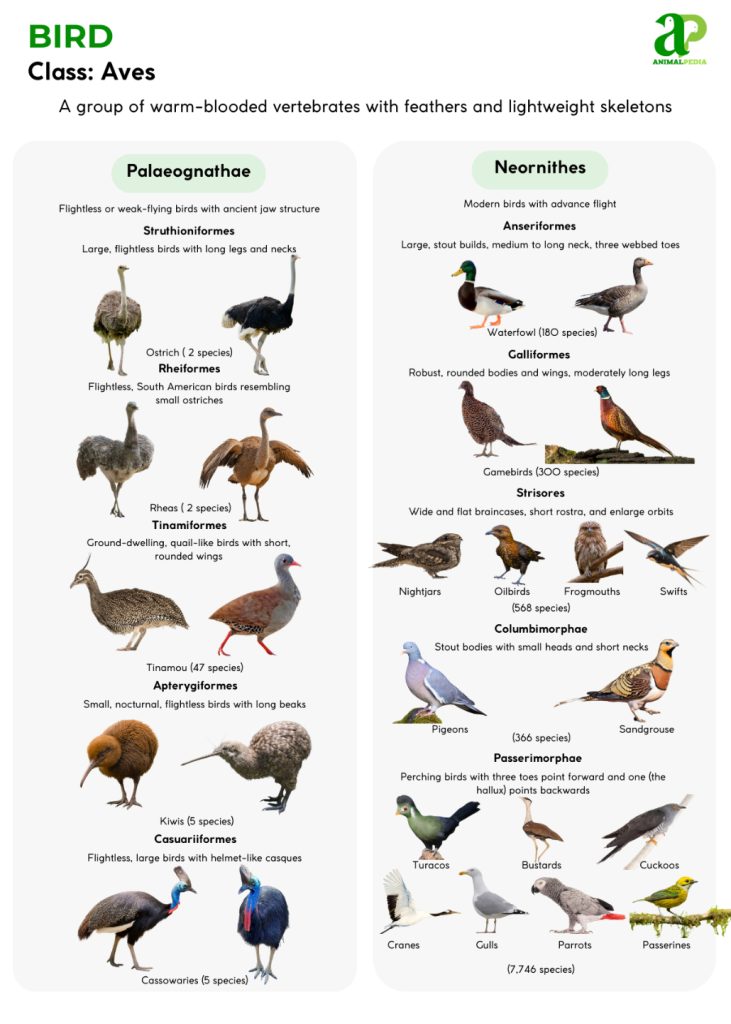
Credit: animal-pedia.org
Bird Diversity In North America
North America is home to many bird species. It has a rich variety of birds living in different places.
Scientists count over 900 bird species in this region. This number shows how diverse the bird life is.
Key Regions And Habitats
Birds live in many habitats across North America. Each region has unique types of birds.
Some key habitats include forests, wetlands, deserts, and coastal areas. These places support different bird species.
- Forests provide homes for woodpeckers and warblers.
- Wetlands attract ducks and herons.
- Deserts are home to roadrunners and cactus wrens.
- Coastal areas host gulls and pelicans.
Factors Influencing Species Count
Several factors affect how many bird species live in North America. Climate, food, and habitat size play big roles.
Migrations also add to the number of species seen during the year. Some birds only visit for a short time.
- Climate changes can increase or decrease bird numbers.
- Food availability supports bird populations.
- Large habitats hold more species.
- Migration brings seasonal visitors.

Credit: en.wikipedia.org
Total Number Of Bird Species
North America is home to many bird species. Bird watchers and scientists study these birds every year.
The total number of bird species in North America changes over time. New discoveries and changes in classification affect the count.
Official Species Lists
Bird species in North America are recorded in official lists. These lists help track bird populations and changes.
The American Ornithological Society (AOS) maintains one of the main lists. It includes species found in the United States and Canada.
- The AOS list has about 1,100 species.
- It updates twice a year with changes.
- Species are added or removed based on new research.
Recent Discoveries And Updates
Scientists find new bird species in North America sometimes. These discoveries increase the total species count.
Advances in DNA studies help identify birds that look similar but are different species. This adds to the official lists.
- New species found in remote areas.
- Some species change status from subspecies to full species.
- Climate change affects bird migration and distribution.
Common Bird Families
North America is home to many bird species. These birds belong to different families. Each family has unique traits and behaviors.
Bird watchers often group birds by family. This helps them learn and identify birds easier. Here are some common bird families in North America.
Songbirds
Songbirds are known for their beautiful songs. They have strong voices used to attract mates and mark territory. Many live in forests and gardens.
Common songbird families include sparrows, warblers, and finches. These birds are small to medium-sized and often colorful.
- Sparrows: Brown and gray, often found near people
- Warblers: Small and bright, love insects
- Finches: Seed eaters with strong beaks
Raptors
Raptors are birds of prey. They hunt animals for food. Raptors have sharp talons and strong beaks for catching prey.
Common raptor families include hawks, eagles, and owls. They fly high and have excellent eyesight.
- Hawks: Fast flyers that catch small animals
- Eagles: Large and powerful hunters
- Owls: Nocturnal hunters with silent flight
Waterfowl
Waterfowl live near water like lakes and rivers. They swim and dive to find food. Many migrate long distances.
Common waterfowl families include ducks, geese, and swans. They have webbed feet to help them swim.
- Ducks: Small to medium size, often colorful
- Geese: Larger, known for loud honking
- Swans: Large and elegant, with long necks

Credit: soliom.net
Migratory Patterns
Many bird species in North America travel long distances during the year. These movements help them find food and better climates.
Migration is a key part of their life cycle. It affects where and when we see different birds across the continent.
Seasonal Movements
Birds move between breeding and wintering areas with the seasons. In spring, many fly north to nest and raise young.
In fall, they head south to warmer places with more food. Some birds travel thousands of miles during these trips.
- Spring migration brings birds to North America’s northern regions
- Fall migration sends birds south to Mexico and Central America
- Some species only move short distances, staying within one region
Impact On Species Count
Migration affects how many bird species live in North America at different times. More species appear during migration seasons.
Some birds are only found in North America during migration. Others live here year-round or just in one season.
| Season | Bird Species Count |
|---|---|
| Spring | High - Many species arrive to breed |
| Summer | Moderate - Breeding season, some leave early |
| Fall | High - Many species pass through or migrate south |
| Winter | Lower - Only cold-tolerant or resident species remain |
Conservation Status
North America is home to about 900 bird species. Many birds face risks from habitat loss and pollution.
Conservation efforts help protect these species and keep bird diversity alive.
Threatened And Endangered Species
Several bird species in North America are threatened or endangered. These birds have small populations or shrinking habitats.
Examples include the California Condor and the Kirtland’s Warbler. These birds need special care to survive.
- California Condor – Critically endangered due to habitat loss.
- Kirtland’s Warbler – Endangered because of limited breeding areas.
- Whooping Crane – Threatened by wetland destruction.
- Red-cockaded Woodpecker – Declining from forest changes.
Efforts To Protect Bird Diversity
Many programs work to save North American birds. These efforts focus on habitat protection and breeding support.
Laws like the Migratory Bird Treaty Act help stop hunting and trading of protected species.
- Restoring forests and wetlands for bird homes.
- Creating safe breeding areas and bird reserves.
- Captive breeding and reintroduction programs.
- Public education to reduce pollution and dangers.
How To Spot And Identify Birds
North America is home to over 900 bird species. Birdwatching is fun and educational.
Learning to spot and identify birds helps you enjoy nature more deeply. It takes practice and patience.
Essential Birdwatching Tips
Start by finding quiet spots near trees or water. Birds like these places.
Use your eyes and ears. Watch for colors, shapes, and sounds.
- Move slowly to avoid scaring birds away
- Wear neutral-colored clothes
- Observe birds’ size, shape, and behavior
- Listen carefully to bird calls and songs
- Take notes or photos for later identification
Useful Tools And Resources
Binoculars help you see birds clearly from a distance. Choose ones with good magnification.
Field guides and apps make identifying birds easier. They show pictures and describe features.
- Binoculars with 8x or 10x magnification
- North American bird field guides
- Bird identification apps for smartphones
- Notebook to record sightings
- Audio recordings of bird calls
Frequently Asked Questions
How Many Bird Species Live In North America?
North America hosts about 900 bird species. This diverse range includes residents, migrants, and occasional visitors. Birdwatchers enjoy spotting various species across different habitats.
What Are The Most Common Birds In North America?
Common birds include the American Robin, Northern Cardinal, and Blue Jay. These species are widespread and easily spotted in urban and rural areas.
Which North American Birds Are Endangered?
Endangered birds include the California Condor and Whooping Crane. Conservation efforts aim to protect their habitats and increase their populations.
How Does Migration Affect Bird Species Count?
Migration brings seasonal species to North America. Many birds travel from Central and South America, increasing the total species count during migration seasons.
Conclusion
North America hosts a rich variety of bird species. Over 900 types of birds live across the continent. Each bird adds life and color to nature. Birdwatching can be a fun and rewarding hobby. Protecting these birds helps keep ecosystems healthy.
Learning about them connects us to the natural world. Whether you are a beginner or expert, birds always surprise. Nature’s diversity is truly amazing to explore. Keep discovering and appreciating the birds around you.