Which Direction Should a Bird House Face (Avoid Mistakes)
Are you wondering which way your bird house should face? The answer might surprise you. This simple detail creates a safe, cozy home for birds. Getting this right helps birds feel comfortable. You will enjoy more lively, colorful visits. Keep reading to find simple tips. Learn Which Direction Should a Bird House Face to turn your backyard into a true bird paradise.
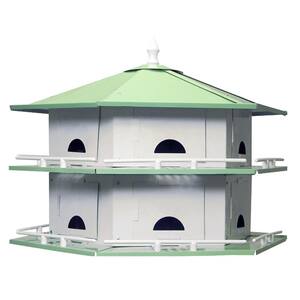
Credit: naavagreen.com
Ideal Orientation For Bird Houses
Choosing the right direction keeps birds safe and cozy. Good placement controls the temperature well. It also protects birds from danger.
Sunlight And Temperature Control
Face the house away from harsh afternoon sun. This stops nests from overheating.
-
Face bird houses east or southeast.
-
Morning sun warms the nest gently.
-
Avoid facing bird houses west or south. The sun is too strong there.
-
Shade keeps young birds safe on hot days.
"Bird nest boxes should ideally face between north and east. This will catch morning sunshine but avoid the heat of the midday sun." — Ark Wildlife
Protection From Predators
Direction helps stop predators like cats and snakes. Face the entrance away from thick bushes. Predators can hide in those spots.
Local Climate Considerations
Local weather changes the best direction. Face houses south or east in cold areas. This catches sunlight and warmth. Face houses north or shaded spots in hot climates. This keeps things cool. Check common wind directions. Do not place entrances toward strong winds.

Credit: happygardens.com
Common Bird Species And Their Preferences
Birdhouses give birds safe places to nest. The direction affects which birds use the house. Knowing preferences helps you place the house correctly. Bird species have different needs. We look at common birds. These are from North America, Europe, and tropical regions.
North American Songbirds
Many North American songbirds use birdhouses. These include bluebirds, chickadees, and wrens. They like houses facing east or southeast. This warms the house in the morning. It avoids the hot afternoon sun.
-
Eastern Bluebird: faces east for morning warmth.
-
Black-capped Chickadee: prefers southeast exposure.
-
House Wren: likes sheltered spots, often east-facing.
European Garden Birds
Common European birds include robins and sparrows. They choose houses facing south or southeast. This protects nests from cold northern winds. It helps keep them warm.
Tropical Bird Species
Tropical birds live in warm climates. They include parrots and tanagers. They need the house to face away from the midday sun. This avoids overheating. Shade and airflow are most important here.
Tropical Birdhouse Tips:
-
Face the house north or east. This avoids strong afternoon sun.
-
Place the house near trees for shade.
-
Ensure good airflow to keep the nest cool.
Environmental Factors Impacting Placement
Direction is not only about sun and shade. Environmental factors keep birds safe. They keep birds comfortable. Understand wind and plants nearby. Human activity also matters. This helps you choose a good spot.
Choosing the right direction is not just about sun and shade. Environmental factors keep birds safe. They keep birds comfortable. Understand wind and plants nearby. Human activity also matters. This helps you choose a good spot.
Wind And Weather Patterns
Face bird houses away from strong winds. This protects birds from cold drafts and rain. The best direction changes based on local weather.
-
Face the entrance away from prevailing winds.
-
Consider shelter from heavy rain and storms.
-
Place the house where it gets morning sun. Avoid harsh afternoon heat.
Nearby Vegetation And Shelter
Plants near a bird house give shelter and food. Trees and shrubs protect from predators. They protect from bad weather.
Human Activity And Noise
Birds prefer quiet places. Noise scares them away. Too much activity is bad.
-
Place the house away from busy paths or roads.
-
Keep it out of reach of pets and children.
-
Choose a calm spot with little human noise.

Credit: happygardens.com
Construction Tips For Better Orientation
Building a bird house means thinking about facing. The right direction keeps birds safe. It keeps them comfortable. Good materials and design help. Mounting it well attracts more birds.
Choosing Materials For Durability
Use wood that lasts outside. Use non-toxic cedar or redwood. Avoid treated wood with harmful chemicals. Use stainless steel nails and screws. They resist rust. They keep the house strong.
-
Cedar: resists rot and insects naturally.
-
Redwood: is durable and weather-resistant.
-
Stainless steel fasteners prevent rust.
-
Avoid pressure-treated wood. It contains harmful chemicals.
Design Features To Enhance Comfort
Make sure the entrance hole is small. This keeps predators out. It also keeps the inside cozy. Include ventilation holes near the top. This allows for airflow. Drainage holes at the bottom stop water from building.
-
Entrance hole size changes by species.
-
Ventilation holes prevent overheating.
-
Drainage holes keep the floor dry.
-
A roof overhang protects from rain.
Mounting Techniques And Height
Mount the house facing east or southeast. This avoids strong afternoon sun. It avoids bad weather. Place the house 5 to 10 feet high. This keeps birds safe from ground predators.
-
Face the entrance east or southeast.
-
Keep the height between 5 and 10 feet.
-
Use a sturdy pole or tree mount.
-
Stay away from busy areas and predators.
Seasonal Adjustments For Bird Houses
Bird houses need the right direction for protection. Changing the direction helps birds stay safe year-round. Adjusting the house helps birds stay warm in winter. It keeps them cool in summer. They live comfortably all year.
Winter Protection Strategies
Face the house away from cold winds in winter. A south or southeast direction works best. This catches sunlight and warmth. Add small roof overhangs to block rain and snow. Keep the entrance hole small and tight. This keeps cold air out.
-
Face bird house south or southeast.
-
Use roof overhangs to block weather.
-
Keep the entrance hole small.
-
Place the house near natural windbreaks.
Summer Cooling Methods
Face the house away from direct sunlight in summer. East or north directions keep it cooler. Provide shade with trees nearby. You can add a small roof extension. Add ventilation holes for fresh air flow.
-
Face bird house east or north.
-
Place near shade or add extensions.
-
Use ventilation holes for airflow.
-
Keep the house off hot concrete surfaces.
Monitoring And Maintenance For Success
Regular care keeps bird houses inviting. Checking often keeps birds healthy. This helps you spot problems early. Proper care keeps the house in good shape. It lasts for many seasons.
Cleaning And Inspection
Clean the house after each nesting season. Remove old nests and parasites safely. Inspect for cracks or damage. This stops water leaks.
-
Remove old nesting material carefully.
-
Use mild soap and water to clean inside.
-
Check the roof and walls for holes.
-
Fix loose parts or replace damaged wood.
Signs Of Bird Activity
Watch for signs that birds use the house. These signs show a good location. They show the direction works well.
Adjusting Orientation Over Time
Birds may like different directions by season. Watch how they use the house. Decide if you need to change the facing.
-
Face away from strong winds and rain.
-
Try morning sun to warm the house.
-
Move slowly to avoid disturbing birds.
-
Record changes and bird reactions.
Frequently Asked Questions
Which Direction Is Best For Bird House Entrance?
The best direction is usually east or southeast. This protects birds from harsh winds. It avoids harsh afternoon sun. It keeps the nest warm and safe.
Why Avoid Facing A Bird House Westward?
Facing a bird house westward brings intense afternoon heat. This can overheat the nest. It makes the space unsafe for young birds.
How Does Bird House Direction Affect Nesting Success?
Proper direction ensures warmth, safety, and shelter. It helps birds avoid predators. It shields them from harsh weather. This increases nesting success chances.
Should Bird Houses Face Prevailing Winds?
No. Bird houses should face away from prevailing winds. This reduces drafts. It protects nesting birds from cold or stormy weather.
Conclusion
Choosing the right direction for a birdhouse is important. Birds need a safe, comfortable home. Face the house away from strong winds. This shields birds from harsh weather. North or east-facing directions are often best. They give warmth and protection. Consider nearby trees and bushes. They offer extra food and shelter. A well-placed house attracts more birds. Your backyard becomes a lively sanctuary. Enjoy watching them thrive in their new home. You support local wildlife with these tips. This creates a peaceful environment for you. Happy bird watching!