Have you ever wondered if your dog can get worms from eating bird seed? It’s a question many pet owners ask but don’t always find clear answers to.
If you care about your furry friend’s health, you need to know the risks hidden in everyday things like bird seed. Keep reading, because what you learn here could protect your dog from discomfort and illness you never expected. Don’t let something as simple as bird seed put your dog in danger.
Bird Seed And Dog Health
Bird seed is common in many homes. People use it to feed wild birds in their yards. But some dog owners worry about bird seed and dog health. Can dogs get worms from eating bird seed? This article looks at the risks and facts.
Understanding what is in bird seed and why dogs might eat it helps protect their health. We explore the common ingredients in bird seed and what attracts dogs to it.
Common Ingredients In Bird Seed
Bird seed mixes often contain a variety of seeds and grains. Some of these can affect dogs if eaten in large amounts. Here are typical ingredients found in bird seed:
- Sunflower seeds
- Millet
- Safflower seeds
- Cracked corn
- Nyjer (thistle) seeds
- Peanuts (sometimes included)
| Ingredient | Potential Risk to Dogs |
| Sunflower seeds | Can cause mild stomach upset if eaten in large amounts |
| Millet | Generally safe but may cause minor digestion issues |
| Safflower seeds | Usually safe, low risk |
| Cracked corn | May attract mold if wet; mold can be harmful |
| Nyjer seeds | Low risk, small size may cause choking |
| Peanuts | Possible allergy risk; moldy peanuts can be toxic |
Bird seed itself does not carry worms. But bird droppings on seed can sometimes contain parasite eggs. These can be a risk if dogs eat contaminated seed. Keeping bird seed clean helps reduce this risk.
Attraction Of Dogs To Bird Seed
Dogs may be attracted to bird seed for several reasons. The smell, texture, and taste can interest them. Dogs are curious and may try to eat seed from feeders or spilled seed on the ground.
Here are common reasons dogs like bird seed:
- Seeds have a nutty smell dogs find appealing.
- Bird seed often contains small pieces that are easy to chew.
- Dogs may be drawn to the area where birds gather.
- Some dogs like to explore and try new foods.
- Spilled seed can look like treats to dogs.
To keep dogs safe, watch where they play and avoid letting them eat bird seed regularly. Clean up spilled seed and keep feeders out of reach.
Types Of Worms Affecting Dogs
Dogs can get different types of worms that cause health problems. These worms live inside their intestines and affect digestion.
It is important to know about these worms to keep your dog healthy and safe.
Intestinal Parasites Overview
Intestinal parasites are worms that live in a dog’s stomach and intestines. They feed on the dog’s blood or food in the gut.
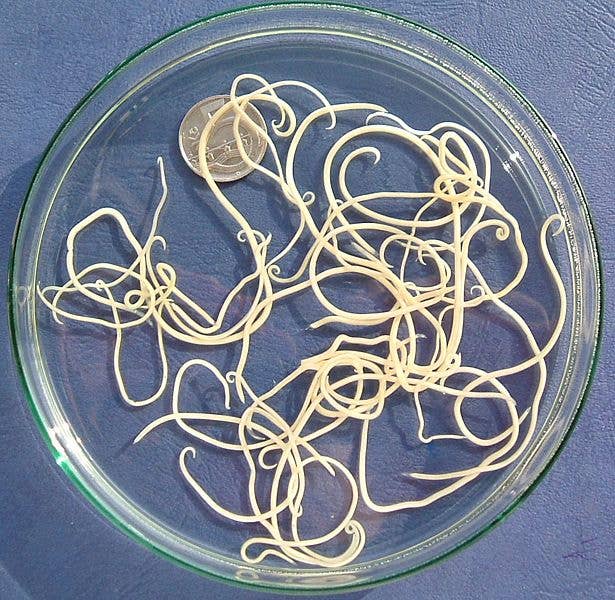
Common intestinal worms include roundworms, tapeworms, hookworms, and whipworms. Each type causes different symptoms.
- Roundworms:Large worms that can cause vomiting and diarrhea.
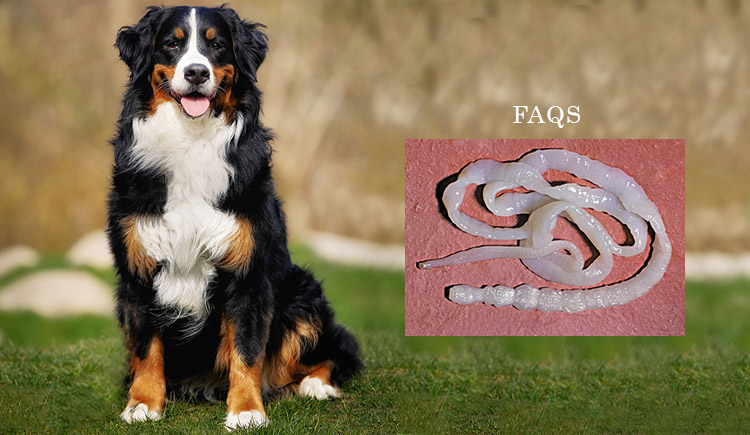
- Tapeworms:Flat worms often found in segments around the dog's anus.
- Hookworms:Small worms that suck blood and can cause anemia.
- Whipworms:Thin worms causing diarrhea and weight loss.
Transmission Routes
Dogs can get worms in many ways. Some come from eating infected animals or objects outside.
Bird seed itself does not carry worms, but if birds or rodents contaminate the seed, worms may spread to dogs.
- Eating infected birds or rodents that carry worm eggs.
- Contact with contaminated soil or feces containing worm eggs.
- Ingesting larvae from contaminated water or food.
- Through fleas that carry tapeworm larvae.
Risk Of Worms From Bird Seed
Bird seed is often left outside to feed wild birds. Dogs may find and eat this seed. This raises the question: can dogs get worms from bird seed?
Worm infections in dogs can cause health problems. It is important to understand the risks linked to bird seed.
Contamination Possibilities
Bird seed can become contaminated with worm eggs or larvae. This happens when infected birds or animals contact the seed. Dirt, feces, and insects can also carry parasites.
Dogs eating contaminated bird seed can swallow worm eggs. These eggs can hatch inside their bodies. This can lead to worm infections such as roundworms or tapeworms.
- Bird droppings on seed can carry worm eggs
- Seed stored in dirty places may get contaminated
- Insects attracted to seed can spread parasites
- Soil mixed with seed can contain worm larvae
Role Of Birds As Carriers
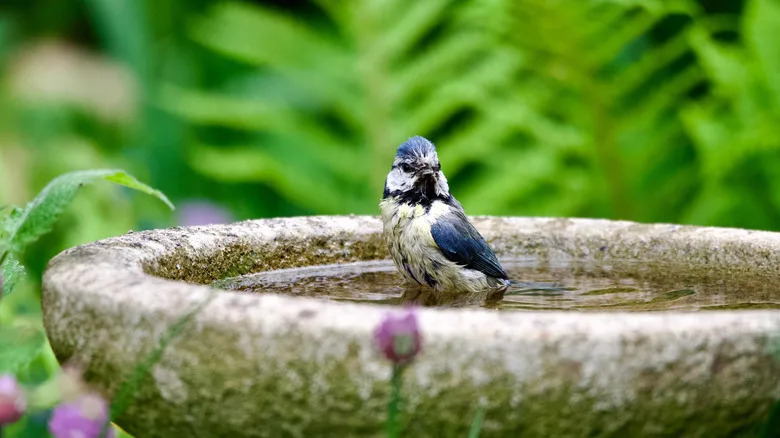
Birds can carry worms without showing signs of illness. They spread worm eggs through their droppings. This can contaminate bird seed left outside.
Wild birds often carry common dog parasites. These parasites use birds as hosts to complete their life cycle. This increases the chance of worms reaching dogs through bird seed.
- Birds shed worm eggs in droppings
- Seed feeders attract many wild birds
- Birds move worm eggs to new places
- Dogs may eat seed mixed with droppings
Credit: www.canadapetcare.com
Symptoms Of Worm Infection In Dogs
Dogs can get worms from many sources, including bird seed if it is contaminated. Worm infections can make dogs sick. It is important to know the signs early.
Worms live inside a dog’s body and can cause problems with their health. Some symptoms are easy to see. Others affect how your dog acts.
Behavioral Changes
Dogs with worms may act differently. They might seem tired or less playful than usual. Changes in behavior can be the first sign of infection.
Your dog may also lose interest in food or eat more than normal. Some dogs become restless or show signs of discomfort.
- Less energy or playfulness
- Loss of appetite or increased hunger
- Restlessness or discomfort
- Changes in mood or behavior
Physical Signs To Watch
Worms cause physical problems you can notice. Look for a swollen belly or thin body. These signs mean your dog may have worms.
You might see worms or eggs in your dog’s stool. Some dogs have a dull coat or itchy skin. Vomiting and diarrhea are also common signs.
- Swollen or bloated belly
- Weight loss or thin body
- Visible worms or eggs in stool
- Dull fur or itchy skin
- Vomiting and diarrhea
Preventing Worms From Bird Seed
Bird seed can sometimes carry parasites that cause worms in dogs. Dogs may get worms if they eat contaminated seed or droppings.
Taking steps to keep bird seed safe helps protect your dog from worms. Good habits reduce the risk of infection.
Safe Storage Practices
Store bird seed in a dry, cool place to stop mold and pests. Use sealed containers to keep seed fresh and clean.
Keep seed away from areas where dogs can reach it. Clean up spilled seed quickly to avoid attracting pests.
- Use airtight containers for bird seed storage
- Keep seed in a cool, dry spot
- Clean spills to prevent pests and mold
- Check seed regularly for signs of contamination
Supervising Dogs Outdoors
Watch your dog closely when outside near bird feeders. Stop them from eating seed or bird droppings on the ground.
Train your dog to avoid bird feeding areas. Use commands to keep them away from risky spots.
- Keep dogs on a leash near bird feeders
- Teach "leave it" command to prevent eating seed
- Check your yard for bird droppings often
- Remove fallen seed to reduce risk
Treatment Options For Worms
Dogs can get worms from many sources, including contaminated bird seed. Treating worms early helps keep your dog healthy. There are clear methods to diagnose and treat worm infections in dogs.
This guide covers how vets diagnose worms and the common medications used to remove them. Knowing these options helps pet owners care for their dogs properly.
Veterinary Diagnosis
Veterinarians use tests to find out if a dog has worms. They often check the dog's stool to see worm eggs or larvae. Blood tests may also help find certain types of worms.
- Fecal examination under a microscope
- Blood tests for specific worm infections
- Physical check for symptoms like weight loss or poor coat
- Imaging tests in severe cases
Common Deworming Medications
Different medicines treat different types of worms. Your vet chooses the right one based on the diagnosis. Some medicines kill roundworms, hookworms, tapeworms, or whipworms.
| Medication | Target Worms | Form |
|---|---|---|
| Pyrantel Pamoate | Roundworms, Hookworms | Liquid, Tablet |
| Praziquantel | Tapeworms | Tablet, Injection |
| Fenbendazole | Roundworms, Hookworms, Whipworms | Granules, Tablet |
| Milbemycin Oxime | Heartworms, Roundworms | Tablet |
When To Seek Veterinary Help
If you wonder whether your dog can get worms from bird seed, watch for signs that need a vet. Early care helps keep your dog healthy and safe.
Some symptoms require urgent attention. Regular health checks can catch problems before they get worse.
Urgent Symptoms
Call your vet immediately if your dog shows any of these signs:
- Vomiting or diarrhea lasting more than one day
- Visible worms or segments in stool
- Swollen abdomen or belly pain
- Sudden weight loss or weakness
- Loss of appetite or refusal to eat
- Coughing or trouble breathing
- Excessive scratching around the anus
Regular Health Checks
Keeping a routine schedule with your vet helps prevent worm infections and other issues. They can give advice on safe bird seed exposure and treatments if needed.
| Check Type | Purpose | Frequency |
| Fecal Exam | Detect worms or eggs | Every 6 months |
| Physical Exam | Check overall health | Yearly |
| Parasite Prevention | Prevent worm infections | As recommended |
Credit: zubairwrites.medium.com
Credit: pethelpful.com
Frequently Asked Questions
Can Dogs Get Worms From Eating Bird Seed?
Yes, dogs can get worms if bird seed is contaminated with parasite eggs. Bird seed on the ground may carry these eggs. Ingesting infected seeds or bird droppings can lead to worm infestation in dogs.
What Types Of Worms Can Dogs Catch From Bird Seed?
Dogs may catch roundworms, tapeworms, or hookworms from contaminated bird seed. These parasites often come from bird droppings mixed with the seed. Each worm type affects dogs differently and may require veterinary treatment.
How Can I Prevent My Dog From Getting Worms From Bird Seed?
Keep bird seed in sealed containers and clean feeding areas regularly. Prevent your dog from eating bird seed or bird droppings. Regular deworming and vet checkups also help protect your dog from parasites.
Are All Bird Seeds Risky For Dogs To Consume?
Not all bird seeds carry the same risk. Seeds contaminated with bird droppings pose the highest risk. Fresh, clean bird seed stored properly is less likely to cause worm infections in dogs.
Conclusion
Dogs can get worms from bird seed, though it's rare. Contaminated seed can harbor parasites. Regularly check bird seed for freshness. Keep storage areas clean and dry. Prevent dogs from eating bird seed. Regular vet checks help detect worms early.
Use preventive treatments as advised by your vet. Clean up spilled seed promptly. Maintain hygiene in feeding areas. This keeps your dog safe and healthy. Stay informed and proactive. Your vigilance protects your furry friend. Remember, prevention is key.