How to Stop Bird Chirping at Night for Better Sleep
Are you losing sleep because of birds chirping outside your window at night? That constant noise can be really frustrating and make it hard for you to relax or fall asleep.
But don’t worry—you’re not alone, and there are simple ways you can stop those noisy birds from disturbing your peace. You’ll discover easy and effective tips to quiet those nighttime chirps and finally enjoy a restful night. Keep reading, and take back control of your nights!
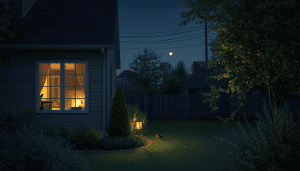
Credit: www.reddit.com
Reasons For Night Chirping
Birds chirp at night for several reasons. Understanding why they do this helps in finding ways to reduce noise.
Some bird species are naturally active at night. Other factors like environment and light affect their behavior.
Common Bird Species That Chirp At Night
Not all birds sing only during the day. Some species are known for their night calls and songs.
- Northern Mockingbird: Sings loudly through the night to defend its territory.
- Eastern Whip-poor-will: Known for its repetitive night calls.
- Common Nightingale: Famous for melodious songs at night.
- Owls: Use hoots and calls to communicate in the dark.
- European Robin: Often sings at night, especially in urban areas.
Environmental Triggers
Bird chirping at night can increase due to changes in the environment. These triggers affect their natural habits.
| Environmental Trigger | Effect on Bird Chirping |
| Temperature Drop | Some birds sing more to mark territory or attract mates. |
| Predator Presence | Birds may call to warn others or stay alert. |
| Food Availability | Chirping can increase during feeding times at night. |
| Season Changes | Breeding season causes more night singing. |
Impact Of Artificial Lights
Artificial lights confuse birds. They think it is still daytime and start chirping.
Common effects of artificial lights on birds include:
- Extended active hours causing more noise at night
- Disrupted sleep patterns for some species
- Increased competition for territory due to longer calling times
- Attraction to lights, causing birds to stay in one noisy spot
Identifying The Source
Bird chirping at night can disturb your sleep. To stop it, you must find where the sound comes from. This helps you choose the right way to handle the situation.
Finding the source needs patience and careful listening. Use tools and techniques to locate the bird precisely.
Locating The Chirping Bird
Walk outside to find where the chirping is loudest. Look for trees, bushes, or rooftops where birds might rest. Listen carefully at different spots.
- Go outside during the night to listen for chirps.
- Move closer to places with louder sounds.
- Check near streetlights or open windows.
- Look for nests or bird groups.
Using Sound Detection Tools
Sound detection tools can help find birds that are hard to see. Use apps or devices that record sounds and show their direction.
| Tool | Function | How to Use |
| Sound Meter App | Measures sound levels | Walk around, note loud spots |
| Directional Microphone | Focuses on sounds from one direction | Point towards chirping, find source |
| Audio Recorder | Records chirps for later analysis | Play back to identify bird type |
Reducing Attractants
Birds chirping at night can disturb your sleep. One way to reduce this noise is to lower what attracts birds near your home.
Focus on removing food, managing lights, and limiting places where birds can hide or nest.
Removing Food Sources
Birds come to your yard mostly for food. Removing easy food sources helps keep them away.
- Keep trash cans tightly closed and clean.
- Avoid leaving pet food outside overnight.
- Clean up fallen fruit from trees regularly.
- Use bird feeders only during the day and remove them at night.
Managing Outdoor Lighting
Bright lights attract insects, which in turn attract birds. Dim or turn off outdoor lights at night.
| Lighting Type | Recommended Action |
| Porch lights | Use motion sensors or timers to limit use |
| Garden lights | Switch off after sunset |
| Security lights | Use downward-facing bulbs |
Limiting Shelter Options
Birds seek safe places to rest at night. Removing or reducing these spots can discourage them.
- Trim tree branches close to your house.
- Remove dense shrubs or vines near windows.
- Seal openings in eaves and vents.
- Clear out unused outdoor furniture or clutter.
.JPG)
Credit: www.star-telegram.com
Physical Barriers And Deterrents
Birds chirping at night can disturb your sleep. Using physical barriers and deterrents helps stop this noise. These methods keep birds away without harming them.
Physical solutions create obstacles or uncomfortable conditions for birds. This makes your home less attractive for nighttime perching or nesting.
Installing Bird Netting And Spikes
Bird netting blocks birds from entering specific areas. It works well for balconies, gardens, or vents. The netting is lightweight and hard for birds to pass through.
Bird spikes stop birds from landing on ledges or roofs. They do not hurt birds but make landing uncomfortable. Spikes come in plastic or metal strips.
- Install netting over openings or plants
- Fix spikes on window sills and rooftops
- Check and clean barriers regularly
Using Reflective Surfaces
Birds dislike shiny, moving reflections. Reflective surfaces scare them away from your home. You can use old CDs, mirrors, or aluminum foil strips.
Place these items where birds usually perch. The light flashes confuse birds and stop them from settling there at night.
- Hang CDs or foil strips near windows
- Use mirrors to reflect light in dark areas
- Move reflective items often to keep birds alert
Employing Noise Machines
Noise machines play sounds to scare birds away. They can use predator calls or loud noises. These sounds make birds feel unsafe at night.
Place the machine near the area with bird activity. Adjust volume and timing for best results. Avoid sounds that bother people inside the home.
- Use predator bird calls or distress sounds
- Set timer to run during night hours
- Place machine close to bird gathering spots
Behavioral Techniques
Birds chirping at night can disturb your sleep. Behavioral techniques help reduce this noise naturally. They work by changing bird activity without harm.
Two common methods are playing predator calls and using ultrasonic devices. Each uses sound or signals to keep birds away.
Playing Predator Calls
Playing sounds of predators scares birds. They think danger is near and stop singing or leave the area. This method uses natural bird behavior.
- Choose recordings of local predators like owls or hawks.
- Play calls at night when birds are most active.
- Keep the volume moderate to avoid disturbing neighbors.
- Use random timing to prevent birds from getting used to sounds.
- Combine with other methods for better results.
Using Ultrasonic Devices
Ultrasonic devices emit high-frequency sounds birds dislike. These sounds are usually silent to humans but irritate birds, making them leave.
| Device Feature | Effect on Birds | Human Impact |
| High-frequency sounds | Discomfort and avoidance | Usually inaudible |
| Motion sensors | Activate only when birds approach | Energy saving |
| Continuous mode | Constant deterrent | May affect pets |
Legal And Ethical Considerations
Birds chirping at night can be disturbing. It is important to address this issue carefully. Respect for wildlife laws and ethical treatment matters.
Knowing the rules helps avoid harm to protected species. Using kind methods keeps the environment safe and fair for birds.
Protected Bird Species Laws
Many birds are protected by law. These laws stop people from harming or capturing certain species. They also limit how you can disturb their habitats.
- Do not harm or trap protected birds or their nests.
- Check local laws before trying to remove birds from your property.
- Report illegal bird hunting or trapping to authorities.
- Use safe methods that do not injure or stress birds.
Humane Deterrent Methods
Humane methods stop birds from chirping at night without hurting them. These ways respect birds’ lives and promote peace for you.
| Method | Description | Benefits |
| Sound Machines | Play gentle noises to discourage birds | Non-harmful and easy to use |
| Light Deterrents | Use flashing or moving lights to scare birds | Safe and temporary effect |
| Physical Barriers | Install nets or spikes to block roosting | Prevents birds from landing or nesting |
| Natural Repellents | Use smells birds dislike, like certain plants | Environmentally friendly and safe |
When To Seek Professional Help
Bird chirping at night can be annoying and hard to stop. Sometimes, you may need help from experts. Knowing when to call professionals can save you time and stress.
If the noise continues after trying simple fixes, it might be time to get professional advice. Some birds are protected by law, so dealing with them requires care.
Wildlife Control Services
Wildlife control services have experience handling birds safely and legally. They can help reduce noise without harming the birds.
- They identify the bird species causing the noise.
- Use humane methods to discourage birds from nesting near your home.
- Offer advice on bird-proofing your property.
- Ensure compliance with local wildlife laws.
Local Wildlife Authorities
Local wildlife authorities protect animals and enforce laws about wildlife control. Contacting them is important if you are unsure about handling the situation.
| Reason to Contact | What They Do |
|---|---|
| Protected Bird Species | Provide guidance on legal protections and restrictions |
| Large Bird Nests | Assess and manage nests safely |
| Birds Causing Damage | Offer permits or advice for control measures |
| Persistent Noise Issues | Help find solutions that respect wildlife laws |
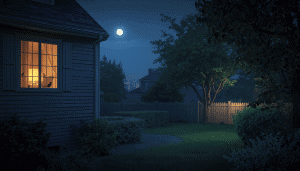
Credit: www.allaboutbirds.org
Frequently Asked Questions
Why Do Birds Chirp Loudly At Night?
Birds chirp at night mainly for communication and territorial reasons. Artificial lights can confuse them, causing more noise. Some species naturally sing at night. Understanding these triggers helps in managing nighttime chirping effectively.
How Can I Reduce Bird Chirping Near My Home?
To reduce bird chirping, limit outdoor lighting at night. Use bird deterrents like reflective objects or sound devices. Removing food sources and sealing entry points also helps. These methods discourage birds from settling nearby and reduce noise.
Are There Safe Ways To Stop Birds Chirping At Night?
Yes, safe methods include using gentle deterrents like motion-activated lights or visual scare devices. Avoid harming birds or using loud noises. Creating an unwelcoming environment encourages birds to move without causing stress or damage.
Does Nighttime Bird Chirping Affect Human Sleep?
Yes, bird chirping at night can disrupt sleep and cause irritation. This noise disturbance affects concentration and rest quality. Managing bird activity near sleeping areas improves sleep and overall comfort.
Conclusion
Birds chirping at night can disturb your peace. Try simple solutions to manage this. Reduce outdoor lights. They confuse birds. Use white noise machines. They mask the chirping. Check for nearby nests. Relocate them if needed. Keep windows closed. This limits noise.
Patience is key. Birds may adapt over time. Small changes can improve your night’s rest. Enjoy peaceful nights again.