Charming Nocturne: Why Do Birds Chirp at Night
Have you ever wondered why birds sing when the world goes quiet at night? If you listen closely, you might catch their cheerful chirps breaking the silence while you’re winding down or even trying to sleep.
It’s a curious sound that can feel both soothing and puzzling. Why do these daytime creatures choose the night to make their voices heard? You’ll discover the surprising reasons behind nighttime bird songs and what they mean for you and your surroundings.
Keep reading, and you might never hear those night chirps the same way again.

Credit: abcbirds.org
Bird Chirping Basics
Birds use chirping to talk to each other. Chirping helps them find mates and mark their homes.
Bird sounds can mean many things. They show where birds are and what they feel.
Common Bird Sounds
Birds make many sounds like chirps, calls, and songs. Each sound has a special meaning.
Chirps are short and simple. Songs are longer and more complex. Calls warn or keep birds close.
- Chirps: quick and sharp sounds
- Calls: alerts and warnings
- Songs: long and musical
Daytime Vs. Nighttime Chirps
Most birds chirp during the day to claim their space. Night chirping is less common.
Some birds chirp at night to find mates or warn of danger. Night sounds are usually softer.
- Day chirps: loud and clear
- Night chirps: quiet and soft
- Night singing: often by owls or nightingales
Reasons For Night Chirping
Birds often chirp during the day, but some sing at night too. Night chirping has special reasons that help birds survive and communicate.
Understanding why birds chirp at night helps us learn more about their behavior and needs.
Mating Calls
Many birds chirp at night to find a mate. Night calls can travel far in quiet air. This helps birds attract partners.
Some species use night songs because fewer sounds compete. It gives them a better chance to be heard.
Territorial Signals
Birds also sing at night to mark their territory. Chirping warns other birds to stay away. It helps keep their space safe.
Night signals work well when it is quiet. Other birds hear the message clearly and avoid fights.
Alerting Danger
Some birds chirp at night to warn about danger. This alerts others of nearby predators or threats.
Night chirping can help birds stay safe by sharing important information quickly.
Types Of Birds Active At Night
Many birds sing and chirp during the night. This behavior helps them find mates and mark their territory. Not all birds are active at night, but some species thrive in the darkness.
We will explore two main groups of birds that are active after sunset. These include true nocturnal species and birds that adapt to urban night environments.
Nocturnal Species
Nocturnal birds have special features that help them live in the dark. They have large eyes for better night vision and strong hearing to find food and avoid danger.
- Owls: Known for their silent flight and sharp eyesight.
- Nightjars: They catch insects while flying at night.
- Whip-poor-wills: These birds have a unique call heard in forests.
- Common Nighthawks: Often seen flying at dusk and dawn.
Urban Night Singers
Some birds live in cities and have learned to sing at night. The lights and noise make daytime singing hard, so they switch to nighttime to communicate.
| Bird | Reason for Night Activity |
| European Robin | Sings at night due to city lights |
| Blackbird | Uses quieter night hours to call |
| Song Thrush | Adapts to urban noise by night singing |
| Common Grackle | Active at night in some urban areas |
Environmental Factors Influencing Night Chirping
Birds chirp at night for many reasons linked to their surroundings. These reasons often depend on changes in the environment.
Understanding these factors helps explain why birds sing when it is dark outside. Some key influences include light pollution, weather, and seasons.
Light Pollution Effects
Artificial light from cities can confuse birds. It changes the natural day and night cycle. This can make birds chirp at unusual times, including night.
- Streetlights make nights brighter, affecting bird behavior.
- Birds may sing more to mark territory under bright skies.
- Light pollution can delay birds’ rest and sleep times.
Weather Conditions
Weather plays a big part in night chirping. Birds use sounds to communicate changes in weather or warn others.
| Weather Condition | Effect on Night Chirping |
| Clear skies | More chirping as birds feel safe |
| Rainy or stormy | Less chirping due to harsh conditions |
| Cool temperatures | Chirping may increase to keep warm |
Seasonal Changes
Seasons affect bird singing patterns. Many birds sing at night during specific seasons like spring or fall.
Common reasons birds chirp at night in different seasons:
- Spring: Birds sing to attract mates and claim territory.
- Summer: Chirping can happen late due to long daylight hours.
- Fall: Birds communicate before migration or during cold nights.
- Winter: Some species chirp less due to cold and food scarcity.
Impact On Ecosystems
Birds chirping at night play an important role in many ecosystems. Their sounds help maintain balance among animals and plants.
Understanding why birds chirp at night helps us see how nature stays connected and healthy.
Communication Within Bird Communities
Birds use night chirping to talk with each other. They send signals about danger, food, or their location.
This communication helps birds stay safe and find mates. It also keeps their groups organized.
- Warning others about predators nearby
- Attracting a mate during breeding season
- Keeping in touch when flying or roosting
Interactions With Other Wildlife
Night chirping affects other animals too. It can warn small mammals or insects about predators.
Some animals listen to bird sounds to find food or avoid danger. This helps many species survive together.
- Alerting animals about nearby threats
- Helping predators locate prey
- Creating a balanced food chain

Credit: www.yahoo.com
How To Observe Night Chirping
Birds chirping at night can be surprising. Some birds sing to mark their territory or attract mates.
Listening to night sounds helps us understand bird behavior better. You can enjoy this quiet time outside.
Best Times And Locations
Night chirping happens mostly during spring and early summer. Birds are more active then to find mates.
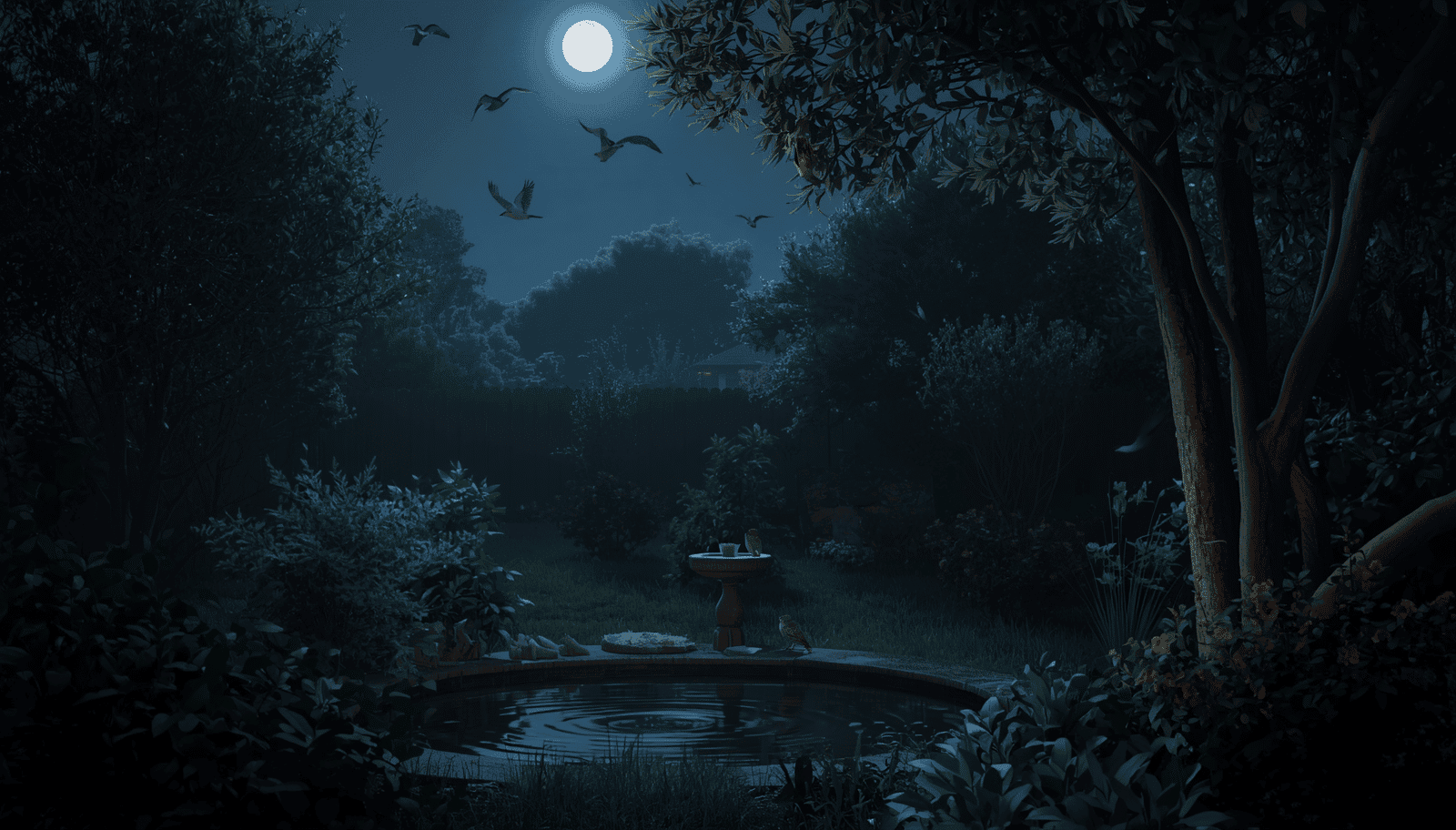
Look for quiet places away from city lights. Parks, forests, and wetlands are good spots to listen.
- Late evening just after sunset
- Early night before midnight
- Near water sources like ponds or lakes
- Wooded areas with tall trees
Tools For Listening
You can use simple tools to hear night chirping better. A quiet environment helps too.
Binoculars and a flashlight help you see birds safely at night. A recording device can capture their sounds.
- Binoculars for spotting birds in trees
- Flashlight with red light to avoid scaring birds
- Smartphone or recorder to save bird songs
- Notebook to write down observations

Credit: mysticsclarity.com
Frequently Asked Questions
Why Do Some Birds Chirp At Night?
Some birds chirp at night to communicate territory or attract mates. Night chirping can also signal alertness to predators or changes in weather.
Which Birds Are Known For Night Chirping?
Owls, nightingales, and mockingbirds often chirp at night. These species use night sounds for mating calls or territorial defense.
Does Artificial Light Affect Bird Night Chirping?
Yes, artificial light can confuse birds and increase night chirping. Light pollution disrupts natural rhythms and may extend singing hours.
Is Night Chirping Harmful To Birds?
No, night chirping is natural and usually harmless. It helps birds communicate when daytime is busy or noisy.
Conclusion
Birds chirping at night adds mystery to nature’s soundtrack. These nighttime songs can signal territory defense or mate attraction. Different species have varied reasons for their nocturnal tunes. Some respond to artificial lights or urban noise. Others take advantage of the stillness to communicate.
Understanding these behaviors enhances our appreciation for wildlife. Next time you hear a bird at night, think of their unique world. These night sounds remind us of nature’s complexity and beauty. Keep listening and learning. Nature’s wonders never cease to amaze.