Why is My Bird Chirping So Loud: Essential Owner Guide
Is your bird chirping so loud that it’s hard to ignore? You might be wondering why is my bird chirping so loud and why your feathered friend suddenly turned into a tiny, noisy alarm clock.
Understanding the reasons behind your bird’s loud chirping can help you respond in the best way and keep your home peaceful. You’ll discover the surprising causes of loud bird chirping and simple steps you can take to soothe your pet.
Keep reading—you’ll soon feel more connected to your bird and know exactly how to handle those noisy moments.

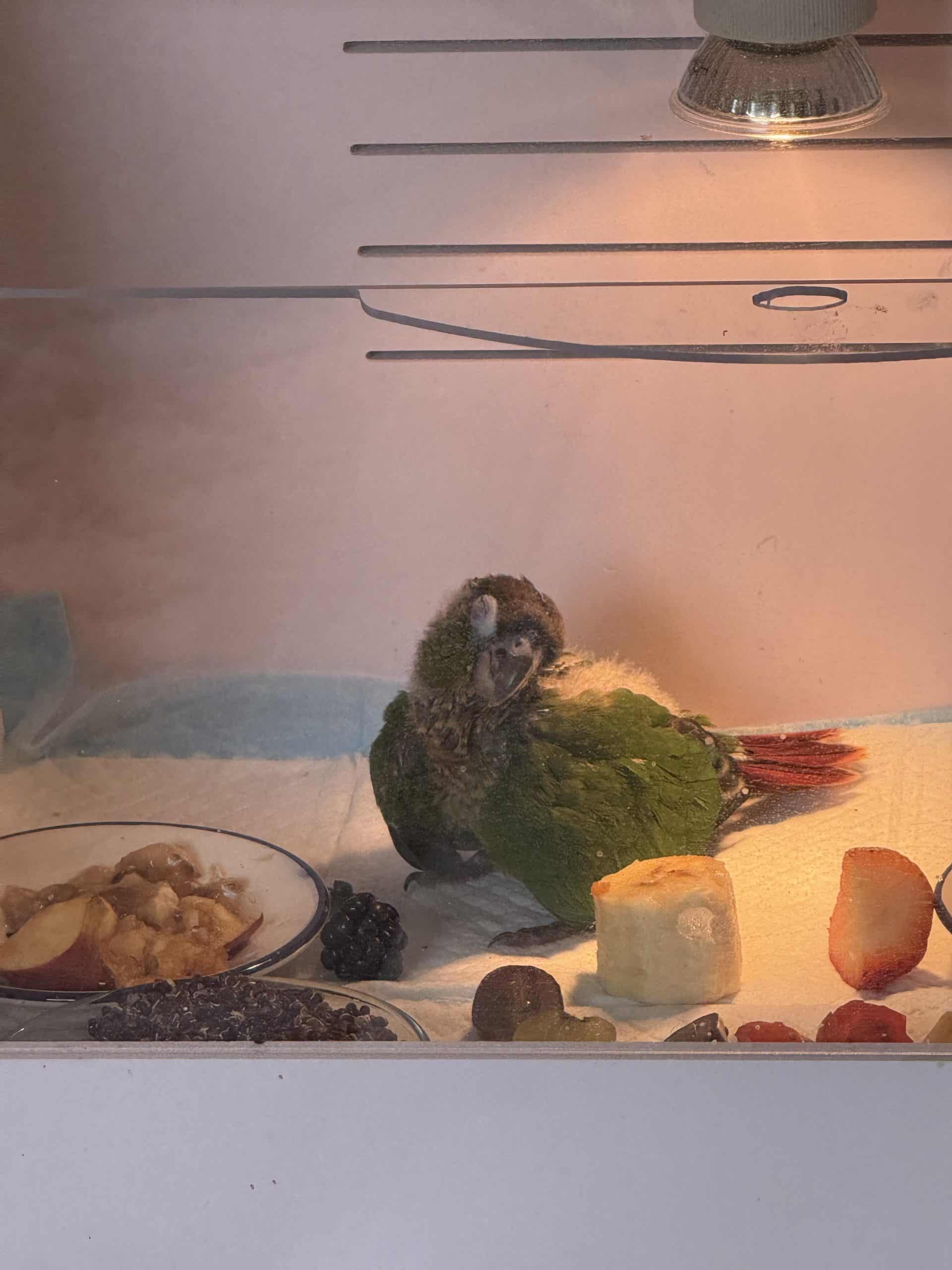
Credit: www.reddit.com
Common Causes Of Loud Chirping
Birds use chirping to express themselves. Loud chirping can mean many things. Understanding why your bird chirps loudly helps you care for it better.
Communication And Social Interaction
Birds chirp loudly to talk to other birds or humans. It is how they share feelings. Loud chirping can show happiness or warn others of danger. It helps them connect.
Attention Seeking Behavior
Your bird may chirp loudly to get your attention. It wants to play or be noticed. Sometimes birds feel lonely or bored. Loud chirping is a way to ask for company.
- Calling you for food or treats
- Wanting to play or interact
- Feeling lonely or ignored
Environmental Triggers
Birds respond to sounds, lights, and movements around them. These can cause loud chirping. Changes like loud noises or new pets may stress your bird. It uses chirping to react.
- Sudden loud noises
- Bright or flashing lights
- Seeing other animals or strangers
- Changes in room temperature

Credit: www.reddit.com
Health And Comfort Factors
Birds often chirp loudly to communicate their needs or feelings. Understanding the health and comfort factors helps you respond properly. Loud chirping can mean your bird is trying to tell you something important. Checking for signs of discomfort or pain, hunger or thirst, and temperature or habitat issues can improve your bird’s wellbeing. Let’s explore these factors one by one.
Signs Of Discomfort Or Pain
Loud chirping can be a sign your bird feels unwell or is in pain. Birds hide pain well, so watch their behavior closely. Other signs include feather plucking, changes in eating habits, or unusual posture.
- Fluffed feathers for long periods
- Hiding or avoiding interaction
- Changes in droppings
- Breathing heavily or wheezing
- Loss of appetite
Hunger And Thirst Signals
Birds use loud chirping to ask for food or water. If they are hungry or thirsty, their calls become more persistent. Make sure fresh water and food are always available.
| Signal | What It Means |
| Repeated loud chirping | Bird is hungry or wants a treat |
| Pecking at water bowl | Bird needs fresh water |
| Restlessness near food area | Bird is ready to eat |
Temperature And Habitat Issues
Birds may chirp loudly if their cage is too cold, too hot, or uncomfortable. Proper temperature and habitat keep them calm and healthy. Check your bird’s environment regularly.
- Keep cage away from drafts and direct sunlight
- Maintain room temperature between 65°F and 80°F (18°C to 27°C)
- Provide soft bedding and safe toys
- Clean the cage frequently to avoid smells
- Ensure the cage size fits your bird’s needs
Bird Species And Personality
Birds chirp loudly for many reasons. Their species and personality play big roles in how much noise they make. Some birds are naturally louder than others. Their behavior also depends on their individual character.
Inherent Vocal Tendencies
Each bird species has a usual way of making sounds. Some birds sing softly, while others are very loud. Parrots and cockatoos often have loud calls. Finches and canaries tend to be quieter but still vocal.
- Parrots: Loud and noisy by nature
- Cockatoos: Known for their loud screams
- Finches: Softer, gentle chirps
- Canaries: Melodic but not too loud
Individual Bird Temperament
Each bird has its own personality that affects noise levels. Some birds are shy, others are very active and loud. A confident bird may chirp to get attention. A bored bird might make noise to entertain itself.
- Shy birds usually make less noise
- Active birds tend to chirp more often
- Birds seeking attention may be louder
- Bored birds use noise to stay busy
Preventing Excessive Chirping
Birds chirp to communicate and express themselves. Loud chirping can be a sign of excitement or boredom. Knowing how to reduce loud chirping helps keep your bird calm. Creating a good environment and routine can lower your bird’s need to chirp loudly. Training also guides your bird’s behavior for quieter living.
Creating A Stimulating Environment
Birds need toys and activities to stay busy. A dull cage can make them noisy. Use colors, sounds, and textures to keep them interested.
- Provide a variety of chew toys and swings
- Rotate toys every few days to keep them fresh
- Place the cage near natural light but away from loud noises
- Offer foraging opportunities to challenge your bird
- Add perches of different sizes and materials
Consistent Routine And Interaction
Birds feel safe with a daily schedule. Feeding, playtime, and rest should happen at the same time each day. This lowers stress and noisy calls.
| Time | Activity |
| 7:00 AM | Feeding |
| 9:00 AM | Play and interaction |
| 12:00 PM | Rest and quiet time |
| 4:00 PM | Exercise outside cage |
| 8:00 PM | Lights off for sleep |
Training And Behavior Modification
Training helps your bird learn when to be quiet. Use rewards to encourage good behavior. Avoid yelling as it may increase noise.
- Wait for your bird to stop chirping.
- Give a small treat and gentle praise.
- Ignore loud chirps without attention.
- Repeat daily for best results.
When To Seek Veterinary Advice
Birds often chirp loudly to communicate. Sometimes, loud chirping shows a problem. Knowing when to get help from a vet keeps your bird healthy and happy.
Recognizing Warning Signs
Loud chirping can mean your bird is scared, bored, or sick. Watch for other signs.
- Changes in eating or drinking habits
- Fluffed or ruffled feathers all day
- Breathing fast or with effort
- Loss of balance or falling
- Unusual droppings or no droppings
- Less movement or hiding often
- Repeated loud squawking without reason
If you see these signs with loud chirping, contact a vet quickly.
Professional Assessment and Care
A vet checks your bird to find why it chirps loudly. They look for illness or pain. They may do exams or tests and give treatment to help your bird feel better.
- Physical check-up of feathers, eyes, and beak
- Listening to breathing and heart sounds
- Blood tests or X-rays if needed
- Advice on diet, environment, and care
- Prescribed medicine for infections or pain
Follow the vet’s advice to help your bird stay calm and healthy.

Credit: www.reddit.com
Frequently Asked Questions
Why Is My Bird Chirping Louder Than Usual?
Birds chirp louder due to excitement, stress, or seeking attention. Changes in environment or presence of other birds can also increase their volume.
Can Loud Chirping Indicate Bird Health Issues?
Yes, excessive chirping may signal discomfort or illness. Observe behavior and consult a vet if loud chirping persists with other symptoms.
How To Reduce My Bird’s Loud Chirping Effectively?
Provide mental stimulation, regular interaction, and a calm environment. Avoid sudden changes and ensure your bird feels safe and comfortable.
Does Bird Species Affect Chirping Loudness?
Different species have unique vocal patterns. Some naturally chirp louder, while others are quieter. Knowing your bird’s species helps understand its chirping behavior.
Conclusion
Birds express emotions through chirping. Loud chirps often indicate excitement or distress. Ensure your bird's environment is comfortable and stimulating. Check for potential stressors like noise or lack of attention. Regular interaction keeps your bird happy and healthy. A balanced diet also plays a crucial role.
Observe any changes in chirping patterns. It might signal a health issue. Consult an avian vet if concerned. Understanding your bird's behavior helps build a strong bond. Remember, a happy bird is a chirpy bird. Keep them content, and their chirps will be music to your ears.