Have you ever been woken up by your bird chirping loudly in the middle of the night? It can be confusing and even a little frustrating when your feathered friend starts making noise at a time when everything should be quiet.
You might be wondering, “Why is my bird chirping at night? ” Understanding the reasons behind this behavior can help you find a solution and bring peace back to your home. Keep reading, because uncovering these surprising causes will change the way you care for your bird—and improve both your sleep and your pet’s happiness.
Common Nighttime Bird Sounds
Birds make different sounds during the night. These sounds can be chirps, calls, or songs. People often wonder why birds chirp at night.
Understanding these sounds helps us learn about bird behavior and their environment at night.
Typical Bird Chirping Patterns
Most birds chirp during the day to find mates or mark territory. At night, some birds also make sounds. These sounds differ from daytime chirps.
- Nighttime chirps are often softer and less frequent.
- Some birds sing to defend their space even at night.
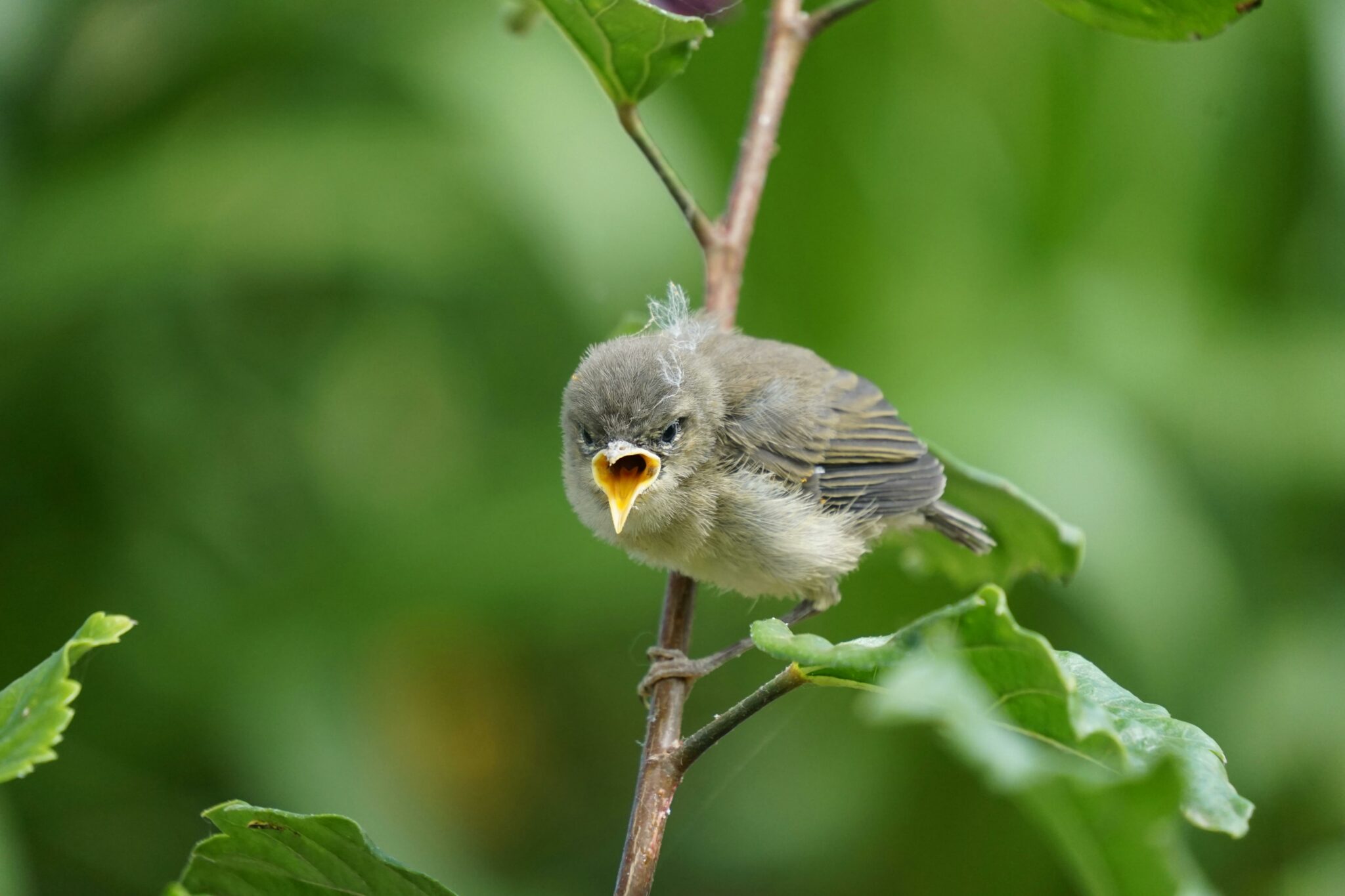
- Young birds may call at night for their parents.
- Owls and nightjars use calls to communicate in the dark.
How Bird Species Differ At Night
Bird species use different sounds at night based on their habits. Nocturnal birds are more active and vocal after dark.
| Bird Species | Nighttime Sound Type | Purpose |
| Owls | Hoots and whistles | Territory and mate calls |
| Nighthawks | Chirps and snaps | Communication and hunting |
| Mockingbirds | Soft songs | Territory marking |
| Song Sparrows | Quiet chirps | Contact calls |
| Common Nightingale | Loud songs | Attract mates |
Credit: www.purplegarden.co
Environmental Triggers
Birds chirp at night for many reasons. One main cause is changes in their environment.
Environmental triggers like light, sound, and weather can disturb birds. These factors make them more active at night.
Impact Of Artificial Light
Artificial light can confuse birds. Bright street lamps or porch lights can make night look like day.
This light tricks birds into thinking it is time to sing. They may chirp more in lit areas than in dark ones.
- Streetlights near trees increase night chirping
- Indoor lights seen through windows affect birds
- Bright lights disturb birds’ natural rest
Noise Disturbances
Loud noises can wake birds at night. Sounds from cars, people, or animals cause stress.
Birds often chirp to warn others or to feel safe. Nighttime noise makes them more alert and vocal.
- Traffic sounds increase bird activity at night
- Dogs barking can cause birds to chirp
- Human voices may disturb sleeping birds
Temperature And Weather Effects
Birds react to temperature changes and weather. Warm nights may keep them active longer.
Rain, wind, or sudden cold can also trigger chirping. Birds use sounds to communicate safety and location.
- Warm nights extend birds’ active hours
- Wind noise causes birds to call out more
- Rain can make birds vocal to find shelter
Biological Factors
Birds often chirp at night due to natural biological reasons. Their sounds help them communicate and survive. Understanding these factors can explain why your bird is active at night.
Some behaviors are linked to the bird’s body and mind. These include calls for mating, marking territory, stress reactions, and health issues.
Mating And Territorial Calls
Birds use chirping to attract mates or defend their space. Nighttime calls can signal that a bird is ready to mate. They also warn other birds to stay away from their territory.
Some birds are more active at night during breeding season. They use sound to find partners and keep rivals at a distance.
- Chirping helps attract a mate
- Calls mark territory boundaries
- Night songs are common during breeding season
Stress And Anxiety Responses
Birds may chirp at night when stressed or anxious. New environments or loud noises can cause worry. Chirping helps them express this unease.
Stress can make a bird restless and noisy during night hours. This behavior can be a way to cope with discomfort or fear.
- Change in environment may cause stress
- Night chirping signals anxiety
- Birds vocalize to relieve tension
Health And Physical Condition
Sometimes birds chirp at night due to health problems. Pain or illness can make them restless. They may use sound to show discomfort.
Physical issues like injury or parasites can disrupt a bird’s normal sleep. Chirping might increase if the bird feels unwell.
- Pain causes more vocalization
- Illness disrupts sleep patterns
- Chirping may signal discomfort or injury

Credit: www.reddit.com
Behavioral Causes
Birds chirping at night can be confusing for many pet owners. Understanding their behavior helps solve this problem.
Many times, birds chirp due to their natural behaviors and needs. These actions are ways to communicate or respond to feelings.
Loneliness And Boredom
Birds are social animals. They feel lonely when left alone for a long time. Nighttime silence can make them chirp more.
They may also chirp if they are bored. Without toys or interaction, birds use chirping to entertain themselves.
- Birds need social interaction daily
- Bored birds chirp to pass time
- Providing toys can reduce night chirping
Hunger And Thirst Signals
Birds chirp to tell you they are hungry or thirsty. Night chirping may mean they need food or water.
Check their food and water bowls before bedtime. This helps keep them quiet during the night.
- Empty food bowls cause night chirping
- Fresh water is important at all times
- Regular feeding schedule reduces hunger calls
Seeking Attention
Birds chirp to get your attention. They want you to notice them and interact.
If your bird feels ignored, it may chirp more at night. Spending time with your bird helps reduce this behavior.
- Birds need daily attention and playtime
- Ignoring them can cause more chirping
- Quiet nights come with regular bonding
How To Reduce Night Chirping
Birds often chirp at night because of light, noise, or discomfort. This can disturb your sleep and stress your bird. Simple changes can help quiet your pet at night.
Below are key tips on how to reduce night chirping by adjusting the cage, environment, and diet.
Adjusting Cage Placement
Where you place your bird’s cage affects its noise at night. Bright lights or loud areas can cause chirping. Find a quiet, dim spot for the cage.
- Keep the cage away from windows with street lights.
- Avoid places near televisions or radios.
- Place the cage in a calm room where the bird feels safe.
- Ensure the cage is stable and not in a draft.
Creating A Calm Environment
A calm environment helps birds relax and sleep better. Noise and sudden light changes can cause them to chirp at night.
| Tip | Reason |
|---|---|
| Use a night light with a red or dim bulb | Red light is less disturbing to birds |
| Cover the cage with a breathable cloth | Blocks light and creates a cozy space |
| Keep noise levels low in the room | Loud sounds can wake and stress birds |
| Maintain a regular day and night schedule | Birds adapt better to consistent routines |
Providing Proper Nutrition And Stimulation
Good food and mental activities reduce restlessness and night chirping. Bored birds may make noise to get attention.
- Feed a balanced diet with fresh fruits and seeds.
- Offer toys and puzzles to keep your bird busy during the day.
- Give your bird daily exercise outside the cage if safe.
- Remove food and water close to bedtime to avoid night activity.
Credit: abcbirds.org
When To Consult A Vet
If your bird is chirping at night, it might be trying to tell you something. Sometimes, this behavior is normal. Other times, it could mean your bird is unwell or stressed.
Knowing when to see a vet can help keep your bird healthy and happy. Watch for signs that need professional help.
Signs Of Illness
Birds may chirp at night if they feel sick. Look for other signs like changes in eating, droppings, or energy levels.
- Loss of appetite or weight
- Fluffed-up feathers for long periods
- Breathing difficulties or wheezing sounds
- Swollen eyes or nose discharge
- Unusual droppings in color or consistency
Behavioral Concerns
Night chirping can also come from stress or boredom. Birds need mental and physical stimulation. Sudden changes in environment can cause anxiety.
| Behavior | Possible Cause |
| Excessive night chirping | Loneliness or lack of company |
| Restlessness at night | Change in cage location or lighting |
| Feather plucking | Stress or skin irritation |
| Loss of interest in toys | Boredom or depression |
Professional Assessment Tips
A vet can check your bird’s health with a full exam. They may ask about diet, behavior, and cage setup. Early visits help prevent serious problems.
- Note any changes in chirping or behavior
- Write down how long symptoms last
- Observe eating and drinking habits
- Check the cleanliness and safety of the cage
- Bring your bird to the vet if signs worsen or don’t improve
Frequently Asked Questions
Why Does My Bird Chirp Loudly At Night?
Birds chirp at night due to stress, loneliness, or environmental changes. Nighttime noises or light can also trigger chirping. Understanding these causes helps improve your bird’s comfort and reduce nighttime noise.
Can Night Chirping Indicate Bird Illness?
Yes, excessive night chirping can signal illness or discomfort. Birds often vocalize when in pain or distress. If chirping persists, consult a vet to rule out health issues.
How Can I Stop My Bird From Chirping At Night?
Create a calm, dark environment to reduce chirping. Cover the cage or use blackout curtains. Ensure your bird has a consistent sleep schedule and feels safe.
Does Bird Species Affect Nighttime Chirping Behavior?
Yes, some bird species are naturally more vocal at night. Nocturnal or crepuscular birds may chirp more after dark. Knowing your bird’s species helps anticipate and manage nighttime sounds.
Conclusion
Understanding your bird’s night chirping can improve your bond. Birds may chirp due to anxiety, new environments, or discomfort. Ensuring a calm and familiar setting can help. Routine checks for health issues are crucial. Provide a consistent sleep schedule and environment.
Covering the cage may promote a sense of security. A vet consultation can provide further insights if needed. Observing these practices can lead to a quieter night. Your feathered friend will feel more at ease. This, in turn, ensures peaceful nights for both of you.
Happy bird, happy you!