Have you ever been startled awake by birds chirping in the middle of the night? You might wonder, why do some birds sing when it’s dark and quiet?
Understanding this curious behavior can change the way you experience your nights outside or even in your backyard. You’ll discover the surprising reasons behind nighttime bird songs and what they mean for you and the environment around you. Keep reading—what you learn might just change how you listen to the night.
Credit: www.purplegarden.co
Why Birds Chirp
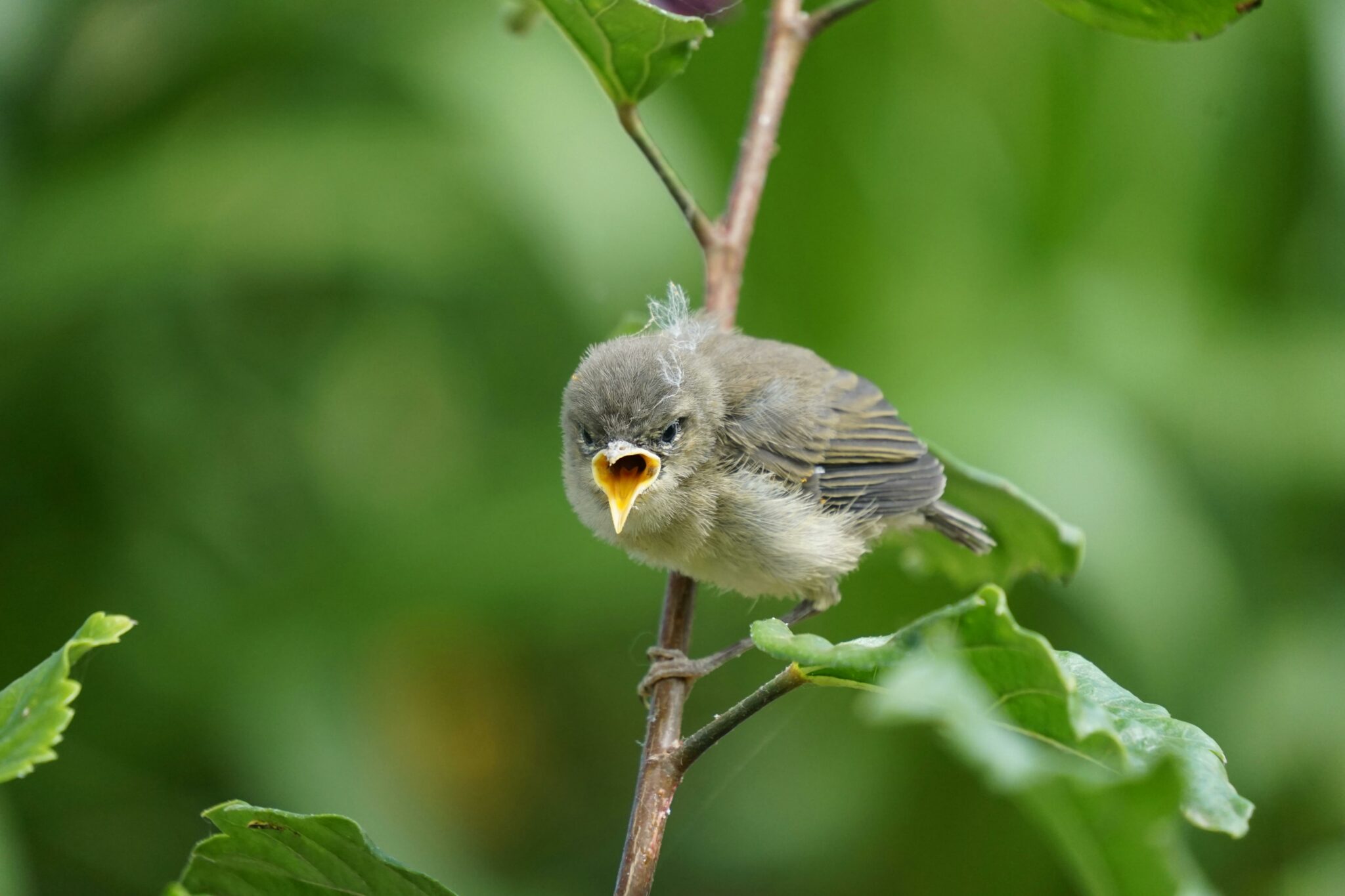
Birds chirp for many reasons. Their songs help them talk to other birds. Chirping is important for their daily life.
Understanding why birds chirp can help us learn about their behavior. They use different sounds to send messages.
Communication And Territory
Birds use chirping to mark their territory. This tells other birds to stay away. It also helps them find friends and family.
- Claim space to live and find food
- Show strength to rivals
- Keep in touch with group members
Mating Calls
Male birds chirp to attract females. Their songs show how healthy and strong they are. Different species have unique calls.
| Bird Species | Mating Call Type | Purpose |
| Nightingale | Complex Song | Attract females |
| Cardinal | Repeated Chirps | Show strength |
| Whip-poor-will | Whistling Call | Mate location |
Alerting Danger
Birds use chirps to warn others about danger. They make different sounds for different threats. This helps the group stay safe.
- Short sharp chirps for nearby predators
- Longer calls for distant danger
- Silent alarm by wing flutter or other signals

Credit: mysticsclarity.com
Birds Active At Night
Many birds are active during the day, but some are awake at night. These birds chirp and make sounds in the dark. Nighttime chirping helps them communicate and find food.
Not all birds rest when the sun sets. Some have adapted to live and hunt in the dark. Let’s learn about birds that chirp at night.
Nocturnal Species
Nocturnal birds are active during the night. They have special eyes to see in low light. These birds use their calls to talk and find mates.
Owls are the best-known nocturnal birds. They hunt small animals and use silent flight. Their hoots and calls fill the night air.
- Owls
- Nightjars
- Some species of nighthawks
Common Night Chirpers
Some birds chirp at night but are not fully nocturnal. They may sing before dawn or after dusk. These calls help mark territory or attract mates.
Robins and mockingbirds are common birds heard at night. They often sing in quiet areas or during warm nights.
- American Robin
- Mockingbird
- Common Nightingale
- European Blackbird
Reasons For Night Chirping
Some birds chirp at night instead of during the day. This behavior may seem strange.
Birds use night chirping for different reasons. These reasons help them survive and communicate.
Mating And Courtship
Night chirping often helps birds attract mates. The quiet at night makes their calls stand out.
- Male birds sing to show strength and health.
- Chirps signal readiness to find a partner.
- Some species have special night songs for courtship.
Territorial Defense
Birds also chirp at night to protect their territory. Sound warns other birds to stay away.
| Type of Call | Purpose |
| Loud chirps | Mark territory boundaries |
| Repeated notes | Warn intruders |
| Soft calls | Communicate with mates |
Environmental Factors
Birds may chirp at night due to changes in the environment. Light and noise affect their behavior.
Environmental reasons include:
- City lights confuse birds, making them active at night.
- Less noise at night helps birds hear each other clearly.
- Temperature changes can trigger night calls.
How Light Pollution Affects Bird Chirping
Birds usually chirp during the day and rest at night. Light pollution from cities can change this behavior. It can make birds chirp at night.
Light pollution means too much artificial light at night. This light affects how birds see day and night. It can confuse their natural habits.
Disrupting Natural Rhythms
Birds have natural rhythms for sleeping and chirping. These rhythms depend on the cycle of sunlight and darkness. Light pollution breaks this cycle.
When nights are bright, birds may think it is still daytime. This can stop them from sleeping well. It also can change when and how much they chirp.
- Birds lose their normal sleep patterns
- Chirping times shift to unusual hours
- Stress levels in birds can increase
Increased Night Activity
Light pollution causes some birds to become active at night. They start chirping when they normally would be quiet. This can affect their health.
Night chirping can attract predators or make it hard to rest. It can also confuse other birds that rely on quiet nights. This changes the whole bird community.
- More birds chirp in the night near city lights
- Birds may face more danger from predators
- Birds’ communication and mating calls can change
Differences Between Day And Night Calls
Birds use sounds to communicate throughout the day and night. Their calls change based on time and purpose.
Understanding why birds sing during the day and chirp at night helps us learn about their behavior.
Purpose Of Daytime Songs
Birds sing during the day mainly to mark their territory and attract mates. These songs are loud and clear.
- Claim territory from other birds
- Attract a mate with complex melodies
- Warn about nearby dangers
- Communicate with other birds in the area
Purpose Of Nighttime Chirps
At night, birds make softer chirps instead of loud songs. These calls have different reasons.
| Reason | Description |
| Communication | Keep in touch with mates or flock members quietly |
| Territory Check | Signal presence without attracting predators |
| Navigation | Help young birds stay close in low light |
| Mating | Some species sing softly to attract mates |
Tips For Observing Night Chirping
Birds often chirp at night, creating a unique soundscape. Observing these sounds can be a fun way to learn about nature.
This guide offers simple tips for listening to night chirping clearly and safely.
Best Times To Listen
Birds chirp most during certain night hours. Knowing these times helps you hear more calls and songs.
- Just after sunset, many birds start their evening songs.
- Late at night, around midnight, some species call to find mates.
- Before dawn, birds often sing loudly to mark their territory.
Tools And Techniques
Using the right tools and methods makes it easier to catch bird sounds at night.
| Tool | Purpose | Tip |
| Flashlight | To see safely in the dark | Use a red light to avoid startling birds |
| Binoculars | To spot birds in low light | Choose models with good night vision |
| Audio Recorder | To capture chirps for later study | Place it away from noise sources |
Credit: abcbirds.org
Frequently Asked Questions
Why Do Some Birds Chirp At Night?
Some birds chirp at night to defend territory or attract mates. Nighttime songs help reduce competition from daytime bird calls.
Which Birds Are Known To Chirp At Night?
Owls, nightingales, and mockingbirds commonly chirp at night. These species are adapted to be active and vocal after dark.
Is Night Chirping Common For All Birds?
No, most birds are silent at night to avoid predators. Only a few species have evolved to sing during nighttime.
How Does Artificial Light Affect Bird Chirping At Night?
Artificial light can confuse birds and extend their singing times. Light pollution may cause some birds to chirp more during the night.
Conclusion
Birds chirping at night can seem mysterious. Yet, it happens for reasons. Some birds sing to mark territory. Others communicate with their flock. Urban lights might confuse them. Or, they might be adapting to noisy days. Understanding these reasons enriches our connection with nature.
So, next time you hear night chirping, pause. Appreciate the sounds. Nature’s symphony continues, even under the stars. Birds have their reasons. And now, you know some of them. Keep listening and learning. Nature always has more to share.