What Bird Makes a Constant Chirping Sound? Easy ID Tips
Have you ever heard that constant chirp outside? Have you wondered what bird makes a constant chirping sound? That steady, rhythmic sound is both nice and a bit of a mystery. If you tried to find this little singer, you are not alone. Knowing the bird behind the chirping connects you to nature. You can enjoy nature where you live. Keep reading to find the surprising bird. You will learn why it chirps so much. Your next birdwatching moment will be much more interesting!
Birds That Chirp All The Time
Many birds chirp all the time. These sounds help them talk to others. They also warn of danger. They use chirps to attract a mate. Some birds are known for nonstop chirping. Their calls are heard almost all day long. Here are some common, constant chirpers.
House Sparrows
House Sparrows are small city birds. They chirp sharply and quickly all the time. Their chirps keep the whole flock together. These birds are very social. You hear their chatter early each morning. The sounds are easy to recognize.
- An ornithologist from Cornell Lab of Ornithology explains the endless chirping of House Sparrows: “The persistent, loud chirps of a House Sparrow are known as ‘churring’ or ‘chimp’ calls. These aren’t songs; they’re contact calls. Because sparrows thrive in dense, often noisy human environments, they use these calls almost constantly to maintain flock cohesion. It is an evolutionary adaptation to ensure that no member of their highly social group ever feels isolated.”
European Starlings
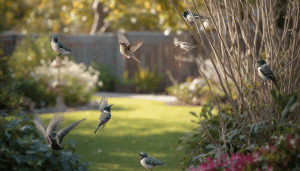
European Starlings have many types of calls. They chirp constantly. They also whistle and click a lot. Their sounds are loud and very busy. These birds chirp to talk in large groups. Their constant calls keep them safe and alert. You find them often in parks and cities.
Chickadees
Chickadees are small birds with clear, high chirps. They repeat their calls many times quickly. Their “chick-a-dee” sound is very well known. They chirp to warn of danger and find food. You see them often in backyards. Their constant chirping makes them easy to spot.
Why They Chirp All The Time
Birds chirp constantly for key reasons. These sounds help them act with other birds. They also help them connect to their area. Knowing why birds chirp teaches us about their lives. We learn what they need most.
Talking and Home Space
Birds chirp to talk to others. They use it to mark their home area. This sound tells other birds to stay away.
It signals ownership of one area.
It keeps other birds at a safe distance.
It keeps them in touch with their flock.
Calls to Mate
Birds also chirp to attract a mate. These calls show they are strong and healthy. This helps them find a good partner.
Danger Warnings
Constant chirping warns other birds of danger. These alarm calls alert the flock quickly. They let the group know of threats nearby.
They alert others to waiting predators.
They help birds hide or fly away fast.
They help keep the whole group safe.
- Dr. John Wingfield, a behavioral endocrinologist, notes that the sheer volume and duration of constant bird song is a costly signal. “The continuous vocal display, particularly the morning chorus, is a significant metabolic expenditure for a small bird. When a male sings constantly, he is effectively demonstrating his superior health and vigor to potential mates, which is a key part of the communication and display needed for successful breeding.”
Chirping All Day Long
Birds make chirping sounds all through the day. These sounds help them talk and mark their area. Chirping habits change at different times. Let’s look at these daily patterns.
Morning Concert
Many birds sing loudly in the morning. This is called the morning chorus. It helps them find mates. It also warns off other birds.
Birds start chirping as soon as the sun rises.
The chirping is loud and very clear.
Many types of birds join the loud chorus.
The singing can last for a full hour.
During the Day
Birds chirp less often during the day. They focus on finding food. They also spend time caring for their babies.
Evening Sounds
Birds chirp again when evening comes. These sounds are softer than the morning noise. Evening chirping is less frequent. Evening chirping helps birds:
Signal that the day is now ending.
Stay in touch with their whole group.
Alert others of dangers nearby.
Credit: abcbirds.org
Where They Live Matters
Constant chirping birds live in many spots. Their area changes how often they sing. Seasons and weather also change their chirping. This helps us know why they chirp more sometimes. It shows how they change to fit their home.
City vs. Country
City birds chirp differently than country birds. City noise makes birds chirp louder. They also chirp more often to be heard. Country birds have softer sounds. This is due to less noise nearby.
City birds face human noise and traffic.
Country birds live near forests and fields.
City birds may start singing earlier.
Country birds often sing for longer times.
Season Changes
Bird chirping changes with the seasons. Birds sing most in spring and summer. They find mates and mark their space then. Chirping slows in fall and winter. Birds save their energy then.
Weather’s Effect
Weather changes bird chirping a lot. Birds chirp more on warm, clear days. Cold, wind, or rain cuts down their singing. Bad weather makes birds quiet. Or they chirp only in short bursts.
Rain makes sound softer, lowering chirping.
Wind makes hearing hard, so they chirp less.
Warm, sunny days make them chirp more.
Cold weather makes them save energy.
Unexpected Birds That Chirp
Many birds make noise, but some never stop. These constant chirpers use calls to talk or mate. They also use them to mark their home. Here are three birds known for nonstop chirping.
The Zebra Finch
The Zebra Finch is a small, lively bird. It has a constant, cheerful chirp. Males sing all the time to attract females. They also sing to guard their space.
They are originally from Australia.
They live in very large groups, or flocks.
Chirps communicate their social standing.
Chirping increases when they are breeding.
The Yellow Warbler
The Yellow Warbler is bright and full of life. It makes a sweet, constant series of chirps all day.
The Black-capped Chickadee
The Black-capped Chickadee is a small bird. It has a famous “chick-a-dee” call. It chirps often to stay with its flock.
They warn others of nearby predators.
They use chirps to find food together.
They keep all the group members close.
How to Name the Bird
Constant chirping birds are easy to find. You just need to know what to look for. Their sounds, looks, and actions help you name them. This guide will help you spot these constant singers. You will learn to identify them by sound and sight.
Learn the Sounds
Constant chirping birds use short, repeated sounds. Their chirps sound like a quick, high “chip” or “cheep.” Listen closely to the pattern and tone. Some birds chirp faster or slower. The rhythm usually stays the same.
Listen for sharp, clear, fast chirps.
Note if the chirping never stops for long.
Pay attention to the speed and pitch.
What They Look Like
Many chirping birds are small and active. They often have plain or bright colors. This helps them hide or stand out. Watching their size and colors helps you find them. Look for birds sitting in bushes or trees.
They are small, usually under seven inches.
Colors include brown, gray, or yellow.
They have thin, small beaks for chirping.
You often find them in groups near shrubs.
How They Act
Constant chirping birds move a lot during the day. They use chirps to talk or mark their home. These birds hop between branches quickly. They stay near food like seeds or insects.
They chirp most in morning and late day.
They move fast in small, close flocks.
They chirp for talking and to warn others.
They stay close to low trees or bushes.
Enjoying the Bird Song
Birds make many noises, but some sing constantly. Their chirping brings peace and calmness. You can enjoy these sounds in many ways. Learning to enjoy the chirping helps you connect with nature. Here are some simple tips.
Make Your Yard Bird-Friendly
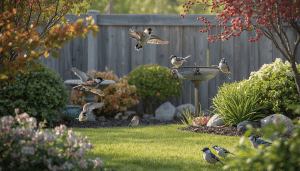
Making your yard inviting keeps birds longer. Birds feel safe and chirp more in friendly spaces. Use plants, water, and shelter to make a good area. This helps birds feel happy and sing.
Plant native shrubs for food and cover.
Use a birdbath with fresh water for baths.
Put out feeders with seeds birds truly like.
Do not use bug sprays that harm insects.
Use Calls to Relax
Bird chirping sounds help you relax and feel calm. Playing bird calls is a natural way to calm your mind. You can play recorded bird chirps while working. Play them before you go to sleep. These sounds create a peaceful mood anywhere.
Use headphones for clear bird sound.
Play bird calls while reading or resting.
Pick sounds of constant chirpers like finches.
Keep the volume low to avoid distraction.
Record and Share Sounds
Recording bird chirps lets you enjoy them later. Sharing recordings spreads joy to others who love birds. Use a simple recorder or your phone. Record outside in quiet spots for clear sound.
Find a place with many singing birds.
Record early morning when birds are loudest.
Stay still and quiet for clean, good sounds.
Share recordings with friends or online groups.
Credit: lafeber.com

Credit: www.yahoo.com
Frequently Asked Questions
What bird chirps all the time?
The House Sparrow is known for its constant chirping. This small bird lives in many areas. You hear its cheerful sounds all day long. They use these sounds to talk and hold their area.
Why do birds chirp constantly?
Birds chirp all the time for talking and mating. Chirping marks their home. It also attracts a mate. It warns of danger or signals food nearby. These sounds are key to their survival.
When do birds chirp the most?
Chirping is loudest in the early morning and late day. These are the “dawn chorus” and “dusk chorus” times. Birds are most busy then. They talk and search for food.
How can I know the bird from its chirp?
Listen for the bird’s unique pattern and pitch. Each bird has its own special calls. Use apps or guides to match the sound to a specific bird. This helps you watch birds better.
Conclusion
Constant chirping birds add life to any area. Their sounds make us notice nature nearby. Knowing the bird behind the sound makes listening more fun. It helps us protect their homes. Next time you hear the chirping, remember the little singer. Enjoy nature’s music every day.