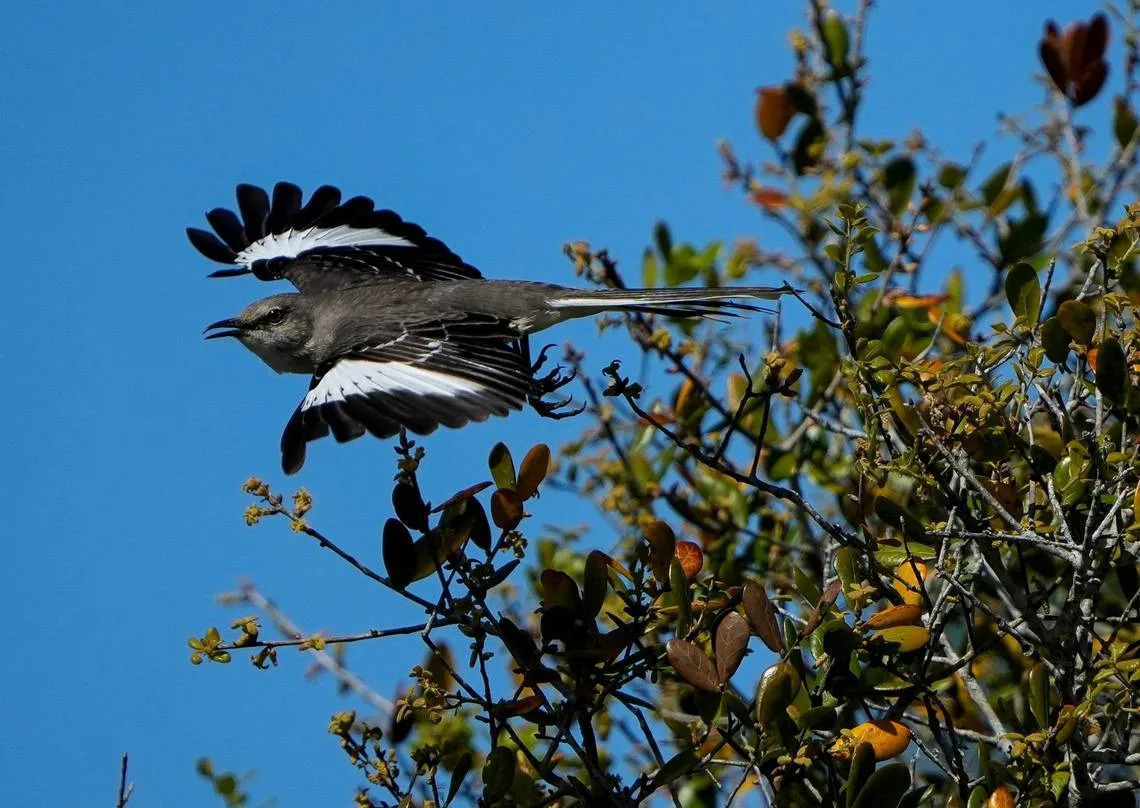
Have you ever been outside in Arizona at night and heard a bird chirping in the dark? It’s a curious sound that catches your attention and makes you wonder – which bird is making that noise?
If you’ve been asking yourself, “What bird chirps at night in Arizona? ” you’re not alone. Understanding these nighttime calls can change how you experience the desert after sunset. Keep reading, and you’ll discover the surprising bird behind those mysterious night chirps and why it sings when most others are silent.
This knowledge will make your evenings in Arizona even more fascinating.
Nighttime Bird Calls In Arizona
Arizona has many birds that sing or call at night. These sounds create a unique night atmosphere. Listening to bird calls helps us learn about local wildlife.
Many birds use calls to communicate with others in the dark. These sounds can be soft or loud. They help birds find mates or warn of danger.
Common Nocturnal Birds
Several birds in Arizona are active at night. Owls are the most known night birds. They hunt and call in the dark. Other birds also make sounds after sunset.
- Western Screech Owl: Small owl with a trilling call
- Great Horned Owl: Deep hoots that echo at night
- Elf Owl: Tiny owl with soft, high-pitched calls
- Common Poorwill: A nightjar with a whistling call
- Northern Saw-whet Owl: Soft, repeated toots
These birds live in forests, deserts, and mountains. Each has a unique call that helps identify it.
Sounds Heard After Dark
At night, you may hear different bird sounds. Some are hoots, whistles, or trills. These noises come from birds communicating or hunting.
- Hooting: Common with large owls like the Great Horned Owl
- Trilling: Often from smaller owls such as the Western Screech Owl
- Whistling: Heard from nightjars like the Common Poorwill
- Repeated toots: Made by Northern Saw-whet Owls
- Soft chirps: From Elf Owls during mating calls
These sounds help you know which birds are nearby. Listening closely can reveal many species active at night.
Credit: abcbirds.org
Identifying The Mysterious Chirper
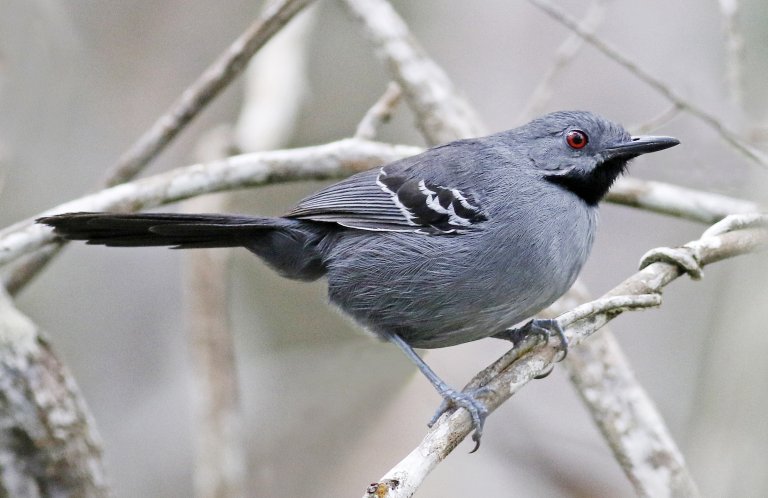
Many people in Arizona hear bird chirps late at night. These sounds can be soft or loud. The bird making the noise is hard to see in the dark.
Knowing which bird chirps at night helps us enjoy nature. We can learn about the bird by listening carefully to its call.
Characteristics Of The Call
The bird’s call is usually clear and repeated. It often sounds like a series of short chirps or whistles. The chirps can be steady or change in pitch.
These calls are used to communicate with other birds or mark territory. The sound can last for a few seconds and repeat several times in a row.
- Clear, sharp chirps or whistles
- Repeated in short bursts
- Pitch may rise or fall
- Calls last a few seconds
- Used for communication or territory
Possible Bird Species
Several birds in Arizona are known to chirp at night. The most common is the Western Screech Owl. It makes a series of short, soft whistles.
Another possible bird is the Common Poorwill. It produces a low, repetitive call that can sound like a soft chirp. Nightjars also make unique chirping sounds during the night.
- Western Screech Owl: soft, short whistles
- Common Poorwill: low, repetitive chirps
- Nightjars: varied chirping patterns
The Whip-poor-will’s Night Song
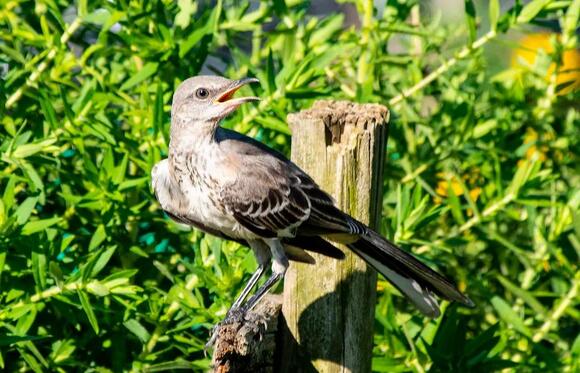
In the deserts and woodlands of Arizona, a unique bird sings at night. The Whip-poor-will is known for its distinct call. This bird’s song often signals the quiet of dusk and the start of night.
People listening to the night sounds can hear the Whip-poor-will’s repetitive call. It is a familiar sound in many parts of Arizona during warm months.
Call Description
The Whip-poor-will’s call is easy to recognize. It sounds like it is saying its name over and over. The call is clear and sharp, often repeated many times.
- Made mostly at night, especially after sunset
- Repeats the phrase “whip-poor-will” in a steady rhythm
- Can be heard from a distance of up to half a mile
- Varies slightly between individual birds
Habitat And Behavior
The Whip-poor-will prefers habitats with open woodlands and shrubs. It rests on the ground during the day, blending well with leaf litter. At night, it becomes active and sings to mark its territory.
| Habitat Type | Behavior |
| Open woodlands | Rest on ground during day |
| Shrublands | Active at night |
| Near streams or clearings | Sings to attract mates |
| Arizona deserts | Feeds on insects caught in flight |
Credit: www.newsbreak.com
Other Night Chirpers In Arizona
Arizona has many birds that sing or call at night. These sounds fill the desert and forest air after dark. Night chirpers help us learn about local wildlife.
Besides the well-known night sounds, many birds like owls, nighthawks, and nightjars also call at night. Each has a unique voice and pattern.
Owls And Their Calls
Owls are the most famous night singers in Arizona. They have deep hoots and soft whistles. Their calls help them find mates and mark their territory.
- Great Horned Owl: A deep, hooting call repeated every few seconds.
- Western Screech-Owl: A series of short whistles that sound like a bouncing ball.
- Elf Owl: High-pitched and fast trills, often heard in desert areas.
- Barn Owl: A long, eerie screech that can last several seconds.
Nighthawks And Nightjars
Nighthawks and nightjars also sing at night. They have soft, churring calls and sharp snaps. These birds often fly low over open areas while calling.
| Bird | Call Description | Common Habitat |
| Common Nighthawk | Sharp “peent” sounds and a nasal “beert” | Open fields and deserts |
| Chuck-will’s-widow | Slow, rhythmic “chuck-will’s-widow” call | Woodlands and brushy areas |
| Whip-poor-will | Repeated “whip-poor-will” song | Forests with dense undergrowth |
Why Birds Chirp At Night
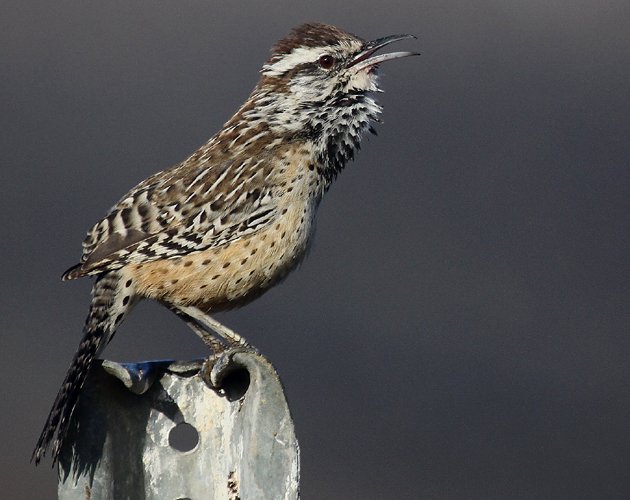
Birds chirp at night for several important reasons. Their sounds help them talk to each other in the dark. In Arizona, some birds are more active at night.
Night chirping is not random. It serves specific needs like communication and finding mates.
Communication Purposes
Birds use nighttime chirping to send messages. These sounds warn others about danger or mark safe places. Chirping helps birds stay connected even when it is dark outside.
- Alerting about predators nearby
- Keeping in touch with family or flock
- Marking feeding areas
- Signaling territory boundaries
Mating And Territory
Night chirps play a big role in finding mates and protecting land. Male birds often sing loudly to show they own a space. This helps attract females and keeps rivals away.
| Purpose | How Birds Use Chirping |
| Attracting Mates | Males sing to impress females and show strength. |
| Defending Territory | Chirps warn other males to stay away. |
| Establishing Dominance | Louder and longer chirps show power. |
Credit: www.10000birds.com
Tips For Night Bird Listening
Birds chirping at night in Arizona create a unique soundscape. Listening to them needs some planning and care.
Knowing when and where to listen helps you enjoy the experience better. Using technology can also make it easier.
Best Times And Places
Night bird sounds are clearer in quiet areas away from city noise. Desert parks and open spaces are ideal spots.
- Listen after sunset when birds start calling
- Choose calm nights without strong wind
- Visit natural reserves or remote desert areas
- Avoid areas with heavy traffic or loud parties
Using Technology
Technology can help you hear and identify birds better at night. Use devices made for sound recording and analysis.
| Device | Purpose | Tip |
| Audio Recorder | Capture bird calls | Use a sensitive microphone |
| Smartphone App | Identify bird species | Download offline sound libraries |
| Headphones | Hear faint sounds clearly | Choose noise-cancelling type |
Frequently Asked Questions
What Bird Chirps At Night In Arizona?
The Common Poorwill is the most notable bird that chirps at night in Arizona. It produces a soft, repetitive call during nighttime hours.
Why Do Some Birds Chirp At Night In Arizona?
Night chirping helps birds communicate for mating or territory defense. In Arizona, cooler nights make this behavior common among nocturnal species.
How To Identify Night Bird Chirps In Arizona?
Listen for repetitive, soft calls with pauses. Using bird call apps or field guides can help identify specific night bird sounds in Arizona.
Are Night Chirping Birds In Arizona Harmful?
No, most night-chirping birds in Arizona pose no harm. They play important roles in the ecosystem by controlling insect populations.
Conclusion
Nighttime in Arizona is filled with unique bird sounds. Among them, the common poorwill is most notable. Its distinct chirp enchants the desert night. Listening to these sounds can be relaxing. It connects us to nature’s rhythm. The chirps tell stories of survival and adaptation.
Each bird’s call adds to Arizona’s diverse wildlife chorus. Next time you’re outdoors at night, listen closely. You might hear the poorwill’s soothing call. It’s a reminder of the vibrant life around us. Appreciate the night symphony in Arizona’s desert.
Nature’s beauty often sings in the dark.