How to Whistle Like a Bird With Your Hands 2026 Guide
Have you ever heard a sharp, clear whistle that sounds just like a bird? Imagine being able to make that sound anytime you want—using only your hands.
It’s a fun skill that can grab attention, impress friends, or even help you call someone from a distance. You’ll learn simple, step-by-step techniques to whistle like a bird with your hands. Ready to discover the secret? Keep reading, and soon you’ll be creating those amazing sounds yourself.

Choosing The Right-Hand Position
Whistling like a bird with your hands starts with picking the right-hand position. Your hands shape the air and create the sound.
Getting the hand position right takes practice. It helps you make a clear and loud whistle.
Forming The Basic Shape
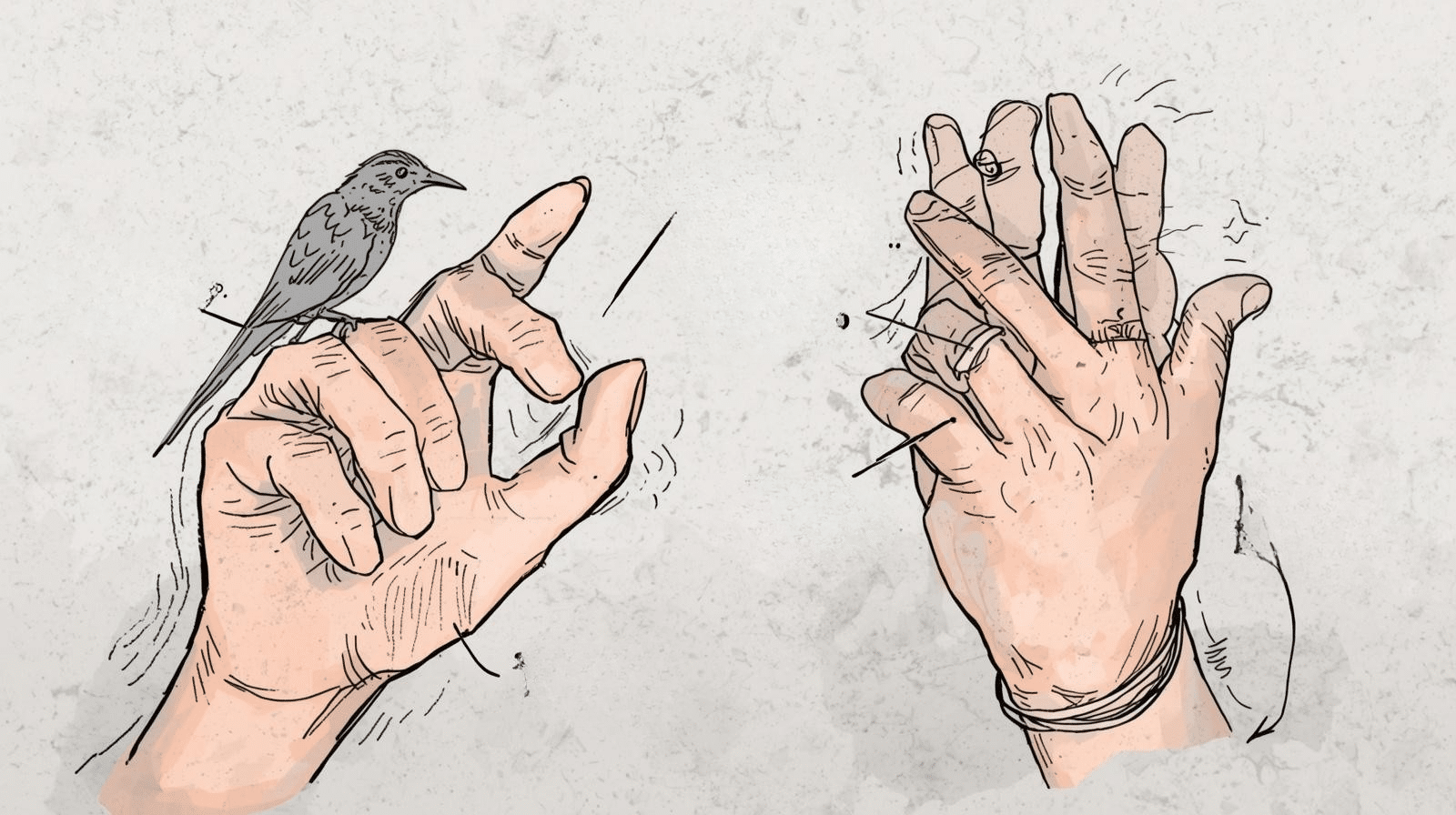
To form the basic shape, bring your hands together. Make a small, tight opening between your thumbs or fingers.
This opening is where the air will pass and create the whistle sound. Keep your hands steady and close.
- Join your thumbs side by side or crossed
- Press your fingers together to seal gaps
- Create a small hole at the thumbs or fingers
Finger Placement Tips
Finger placement affects the sound and ease of whistling. Place fingers tightly to control airflow better.
Try different finger positions to find what feels natural. Keep fingers firm but not too tense.
- Use index fingers or thumbs to form the whistle hole
- Keep other fingers close to support the shape
- Adjust finger pressure to change pitch and volume

Credit: www.youtube.com
Preparing Your Mouth and Lips
Whistling like a bird with your hands needs good mouth and lip control. Preparing them well helps make a clear sound.
This guide focuses on shaping your lips and adjusting your tongue to get the best whistle sound.
Shaping Your Lips
Start by making your lips tight and firm. Your lips should cover your teeth but still leave a small opening.
Make a small round hole by pushing your lips forward. This hole lets the air pass through to create the whistle.
- Keep your lips moist but not wet
- Push your lips out like you are kissing
- Adjust the hole size to change the whistle pitch
Adjusting Tongue Position
Place your tongue just behind your bottom front teeth. The tip should be close but not touching them.
Raise the middle of your tongue slightly to direct air through the lip opening. This helps create a clear whistle sound.
- Keep your tongue steady while blowing air
- Try moving your tongue slightly to find the best tone
- Do not block the airflow with your tongue
Creating The Whistle Sound
Whistling like a bird with your hands is about making a clear, sharp sound. It needs practice and control over how you blow air.
This guide focuses on two main parts: blowing techniques and controlling airflow. Both are key to creating a strong whistle.
Blowing Techniques
Start by shaping your hands correctly to make a small opening for the air. Your lips should be tight but relaxed enough to let the air pass.
- Hold your thumbs together and curl your fingers around them.
- Create a small gap between your thumbs for the air to flow through.
- Place your lips over the thumbs, sealing the edges tightly.
- Blow air steadily through the gap to make the whistle sound.
Controlling Airflow
Controlling how hard and steady you blow air changes the whistle’s pitch and strength. Too much force can stop the sound; too little will make it weak.
| Airflow Level | Effect on Whistle |
| Gentle | Soft and low pitch |
| Moderate | Clear and steady sound |
| Strong | Sharp but may cut off |
Practicing Different Bird Calls
Whistling like a bird with your hands takes practice. Different birds have unique calls. Learning these calls helps you sound more natural.
Start with simple sounds. Then try more complex tunes. Practice often to improve your skill and control.
Simple Chirps
Simple chirps are short and easy to make. They mimic small birds like sparrows or finches. Use your hands to create a quick, sharp whistle.
- Shape your hands into a small opening.
- Place your thumbs together tightly.
- Breathe out sharply to make a short whistle.
- Practice changing pitch by tightening your lips.
- Try to copy bird chirps you hear outside.
Complex Tunes
Complex tunes sound like longer bird songs. They have rises and falls in pitch. These require more breath control and hand shaping.
| Technique | Description | Tip |
|---|---|---|
| Changing Hand Shape | Adjust the gap between thumbs and fingers. | Small changes alter the sound pitch. |
| Breath Control | Use steady, gentle air flow. | Practice slow exhalation for longer tunes. |
| Practice Patterns | Repeat simple melodies. | Listen to real bird songs for guidance. |
Troubleshooting Common Issues
Whistling like a bird with your hands can be tricky at first. Many people face problems like no sound or weak whistles. These issues happen often but are easy to fix.
This guide helps you find simple solutions. Try these tips to improve your hand whistle quickly.
No Sound Problems
If you do not hear any sound, check your hand position first. Your fingers must create a tight seal to push air through.
Also, your lips should be firm but not too tight. Air needs to flow smoothly over your thumbs.
- Make sure your fingers form a small, round opening.
- Keep your thumbs close but not pressed too hard together.
- Place your lips lightly against your thumbs to seal the air.
- Blow air steadily and not too softly.
- Try adjusting finger and lip positions slightly for better sound.
Weak Or Unclear Whistles
If your whistle is weak or unclear, the air might not be strong enough. Try blowing more firmly but stay relaxed.
Check if your hand shape is correct. A good shape lets air flow cleanly and makes a clear sound.
- Increase your breath strength gradually.
- Keep your fingers steady and do not move them while blowing.
- Make sure the opening between your thumbs is not too wide or too small.
- Practice keeping your lips tight but comfortable.
- Try different hand angles to find the best tone.

Credit: www.reddit.com
Tips For Improving Your Whistle
Whistling like a bird with your hands takes time and effort. Small changes can make your whistle clearer and louder.
Try different ways to hold your hands and shape your mouth. Focus on steady breath control and hand placement.
Consistent Practice Routines
Practice every day to build muscle memory. Short sessions often work better than long ones.
Set a goal to whistle for a few minutes each time. Gradually increase the time as you improve.
- Practice in a quiet place
- Use a timer to keep sessions short
- Focus on hand position and breath control
- Repeat the same whistle shape to improve consistency
Recording And Feedback
Record your whistle to hear how it sounds. This helps you spot mistakes and track progress.
Ask friends or use online groups to get feedback. Listen carefully to tips and try to adjust your technique.
- Use a phone or recorder app
- Compare recordings over time
- Share clips for honest opinions
- Focus on tone, volume, and clarity
Frequently Asked Questions
How Do I Position My Hands to Whistle Like a Bird?
Form a small hollow by curling your fingers and thumbs together. Create a narrow gap for air to pass through. This shape helps focus airflow, producing a clear bird-like whistle.
What Is the Best Technique to Control Airflow When Whistling?
Blow air steadily through the small gap in your hands. Adjust the tightness of your fingers for pitch control. Consistent airflow and finger positioning are key to a clear whistle.
Can Anyone Learn to Whistle Like a Bird with Practice?
Yes, with patience and regular practice, most people can learn. It requires finger positioning, breath control, and timing. Practicing daily improves skill and sound quality.
How Can I Improve the Pitch and Tone of My Whistle?
Change finger tightness and air pressure to vary pitch. Experiment with mouth shape and tongue position for tone. Small adjustments help create different bird-like sounds.
Can I Whistle Different Bird Calls with My Hands?
Yes. Start with simple chirps by blowing short, sharp bursts of air. For complex tunes, adjust hand shape and breath control to mimic longer bird songs. Listening to real birds helps refine accuracy.
Conclusion – Whistling Like a Bird with Your Hands
Learning to whistle like a bird using only your hands is a skill that blends technique, patience, and creativity. By mastering hand positioning, lip shaping, tongue placement, and airflow control, you can produce clear, bird‑like sounds that range from simple chirps to complex tunes.
The process may feel challenging at first, but consistent practice builds muscle memory and confidence. Recording your progress and seeking feedback helps refine tone and pitch, while experimenting with different hand shapes and breath levels unlocks new variations.
Ultimately, this skill is more than just a fun trick—it’s a way to connect with nature, impress friends, and enjoy the artistry of sound. With dedication, anyone can transform their hands into a natural instrument, creating whistles that mimic the beauty of birdsong.