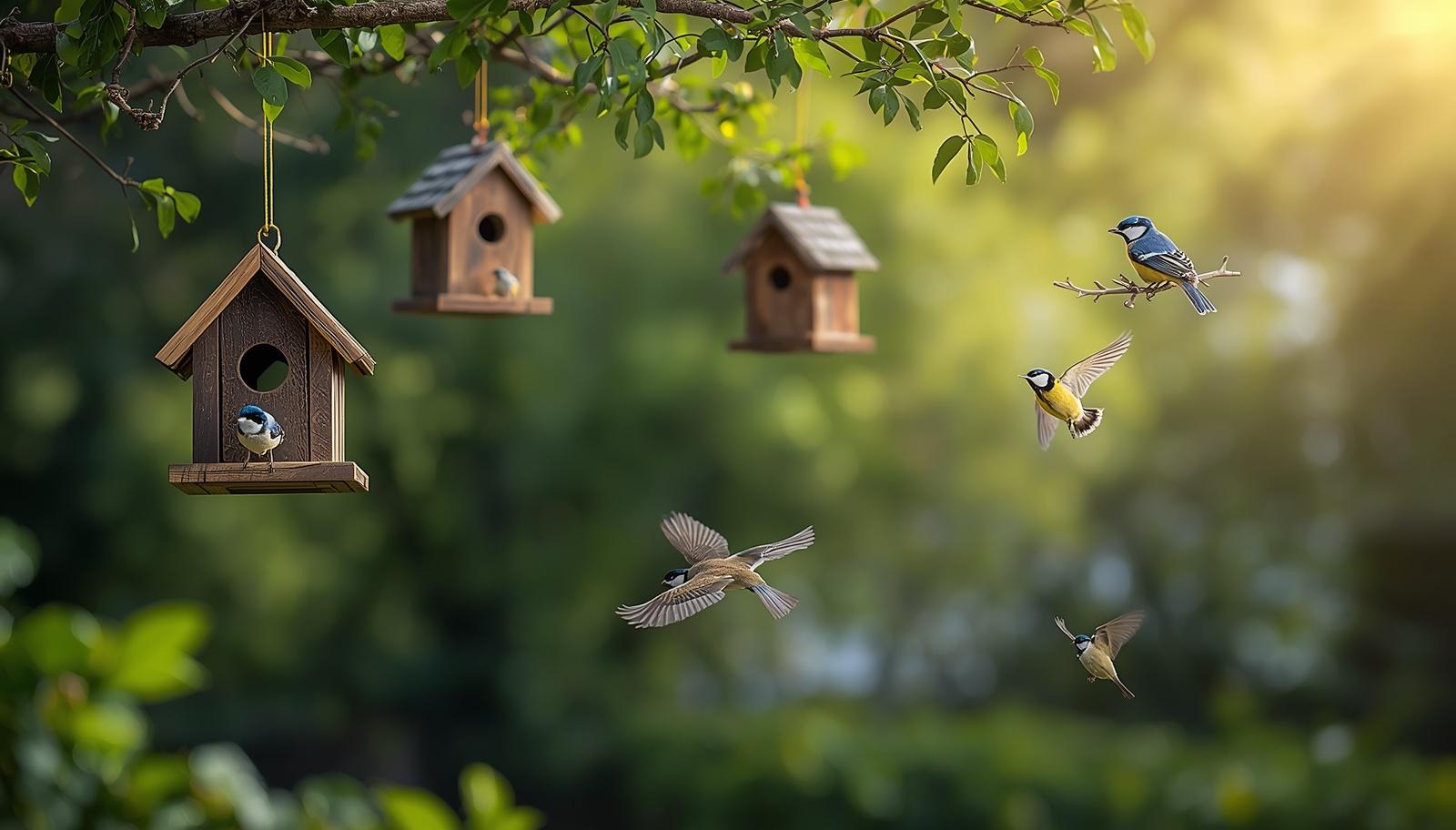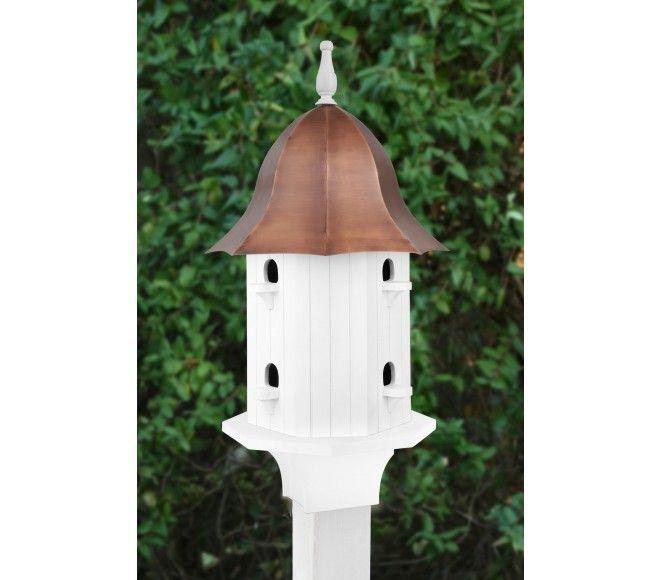
Have you ever wanted to create a cozy home for birds right in your backyard? Making a bird house out of a gourd is a simple, fun, and rewarding project that you can easily do yourself.
Not only will you provide shelter for your feathered friends, but you’ll also add a charming, natural decoration to your garden. In this guide, you’ll discover step-by-step how to turn a plain gourd into a beautiful bird house that birds will love.
Ready to bring more life and joy to your outdoor space? Let’s get started!
Choosing The Right Gourd
Making a bird house from a gourd is a fun and natural project. Choosing the right gourd is important for the birds’ safety and comfort. This guide helps you pick the best gourds for your bird house.
Not all gourds work well for bird houses. Different types and conditions affect their durability and usability. Learn how to find and prepare the best gourds for your craft.
Types Of Gourds For Birdhouses
Many gourds grow in different shapes and sizes. Some are better for bird houses than others. Look for gourds that are hard and thick-skinned. They last longer outside and protect birds well.
- Bottle gourds: Have a round body and long neck, good size for small birds.
- Birdhouse gourds: Naturally hollow and shaped like a house, easy to clean.
- Egg gourds: Small and round, best for tiny bird species.
- Speckled swan gourds: Large and sturdy, suitable for bigger bird houses.
Selecting Healthy Gourds
Choose gourds without cracks, soft spots, or mold. Healthy gourds dry well and last longer. Check for smooth skin and firm texture. Avoid gourds with holes or insect damage.
| Condition | What to Look For |
| Skin | Hard and smooth without wrinkles |
| Color | Even color, no dark spots |
| Shape | Symmetrical, with enough space inside |
| Weight | Light but solid, not hollow in weak spots |
Preparing Gourds For Crafting
Prepare gourds by cleaning and drying them well. Remove the seeds and pulp inside. This keeps the bird house safe and dry. You can use a brush or water to clean the inside.
- Wash the gourd with water to remove dirt.
- Cut an opening for the bird entrance.
- Remove seeds and pulp using a scoop or stick.
- Let the gourd dry in a warm, dry place for several weeks.
- Seal the gourd with a bird-safe finish if desired.
Gathering Supplies
Making a bird house from a gourd is a fun and creative project. You need to gather the right supplies before you start. Having everything ready helps you work smoothly and finish faster.
In this guide, we will look at the essential tools and some optional decorative materials. These will help you build and personalize your bird house.
Essential Tools
You need some basic tools to prepare the gourd and make the bird house safe and sturdy. These tools help you clean, cut, and assemble your project.
- Clean, dried gourd (preferably hard-shell type)
- Drill with a small and medium drill bit
- Sharp craft knife or small saw
- Sandpaper (medium grit)
- Protective gloves and mask
- Wooden dowel or small branch for a perch
- Non-toxic wood glue or waterproof glue
- Paintbrush and outdoor-safe paint (optional for sealing)
Optional Decorative Materials
You can decorate your bird house to make it look beautiful. These materials add color and style but are not necessary for making the bird house work well.
| Material | Use |
| Acrylic paint | Color the gourd and add patterns |
| Clear sealant spray | Protect paint and gourd from weather |
| Natural twine or rope | Add rustic hangers or decoration |
| Small wooden beads | Decorate around entrance or perch |
| Hot glue gun | Attach decorations firmly |
Cleaning And Drying The Gourd
Making a bird house out of a gourd starts with cleaning and drying it well. This process helps to keep the gourd strong and safe for birds.
Clean gourds last longer and prevent mold from growing inside. Drying them properly stops rotting and keeps them hard.
Removing Pulp And Seeds
Cut the gourd carefully to open it. Use a spoon or scraper to take out all the pulp and seeds inside. Make sure no soft bits remain.
Removing all the inside material helps the gourd dry faster. It also stops bugs and mold from growing later.
- Cut a hole big enough to reach inside
- Use a spoon to scrape out pulp and seeds
- Rinse inside with water to remove loose bits
- Let the gourd drain before drying
Drying Techniques
Dry gourds in a warm, dry place with good air flow. Avoid direct sunlight because it can crack the gourd.
Turn the gourd every few days to help it dry evenly. Drying can take several weeks depending on the size.
- Place the gourd on a rack or hang it by a string
- Keep it in a room with low humidity
- Turn the gourd regularly to dry all sides
- Wait until the gourd feels hard and sounds hollow when tapped

Credit: lsirish.com
Designing The Birdhouse
Designing a birdhouse from a gourd is a fun project. It lets you create a safe home for birds.
Good design helps birds live comfortably and keeps the house durable. Think about size and comfort.
Choosing The Entrance Hole Size
Choose the right hole size for the birds you want to attract. Too big or too small holes can cause problems.
Small holes keep out bigger birds and predators. Large holes allow bigger birds but may scare smaller ones.
- 1 inch hole: small birds like chickadees or wrens
- 1.25 inches hole: bluebirds and tree swallows
- 1.5 inches hole: house sparrows and some woodpeckers
Planning Ventilation And Drainage
Good airflow keeps the birdhouse fresh and dry. Add small holes near the top for ventilation.
Drainage holes at the bottom prevent water buildup inside the house. This keeps birds safe and healthy.
- Ventilation holes near the top of the gourd
- Drainage holes at the bottom or lowest part
- Keep holes small to stop predators or rain from entering
Cutting And Carving
Cutting and carving a gourd to make a bird house is a fun and creative task. It needs care to keep the gourd strong and safe for birds.
Good tools and careful steps help you cut the gourd cleanly and shape it well for birds to enter and stay.
Marking The Entrance
Start by choosing where to place the entrance hole. It should be big enough for birds but small enough to keep predators out. Use a pencil to mark a clear circle on the gourd's surface.
Safe Cutting Methods
Use sharp tools like a small saw or craft knife to cut the entrance. Cut slowly and carefully to avoid cracks or breaks. Always wear gloves and safety glasses to protect your hands and eyes.
- Place the gourd on a stable surface.
- Follow the pencil mark slowly with your cutting tool.
- Keep your hands clear of the blade’s path.
- Take breaks if needed to keep control steady.
- Remove any cut pieces carefully to avoid damage.
Smoothing Edges
After cutting, the edges can be rough and sharp. Sand these edges gently to make them safe for birds and to prevent damage to the gourd.
| Tool | Use |
|---|---|
| Sandpaper (fine grit) | Smooth sharp edges carefully |
| File | Shape the entrance hole evenly |
| Cloth | Wipe dust after sanding |

Credit: lsirish.com
Sealing And Painting
After making the bird house from a gourd, sealing and painting are important steps. These protect the gourd from weather and make it look nice.
Using the right materials keeps the bird house safe for birds. Let’s explore how to select bird-safe paints and apply sealant properly.
Selecting Bird-safe Paints
Choosing the right paint is key to keeping birds safe. Some paints have harmful chemicals that can hurt birds.
- Use water-based paints without lead or solvents.
- Look for non-toxic, low-VOC or no-VOC labels.
- Choose light colors to avoid overheating the bird house.
- Avoid spray paints that can leave dangerous residues.
Applying Sealant
Sealant protects the gourd from rain and sun. It also stops paint from chipping and keeps the bird house sturdy.
| Sealant Type | Key Features |
| Water-Based Polyurethane | Non-toxic, clear, protects well from moisture |
| Natural Oil Sealants | Safe, eco-friendly, enhances gourd’s natural look |
| Exterior Varnish | Durable, weather-resistant, check for bird-safe label |
Apply sealant in thin coats. Let each coat dry before adding the next. Cover all parts, inside and outside the gourd.
Adding Mounting Options
Mounting your gourd birdhouse helps keep it safe and visible. You can hang it or place it on a stand. Each method has its own benefits.
Choose a mounting option that fits your garden space and birdhouse style. Proper mounting keeps birds comfortable and away from predators.
Attaching Hanging Loops
Hanging loops let you suspend the birdhouse from trees or hooks. Use strong materials like wire or rope for support.
Attach the loops to the top of the gourd without damaging it. Make sure the loops are secure to hold the birdhouse's weight.
- Use a drill to make small holes near the top of the gourd.
- Thread wire or rope through the holes and twist ends tightly.
- Cover sharp wire ends with tape to protect birds and yourself.
- Check the hanging loops often for wear and tear.
Creating Stands Or Stakes
Stands or stakes let you place the birdhouse on the ground or in a garden bed. They provide a sturdy base for the gourd.
Use wood or metal stakes to hold the birdhouse at a good height. Secure the gourd so it does not tip over in the wind.
- Attach a flat wooden base to the bottom of the gourd with glue or screws.
- Fix a stake to the base so it can be pushed into the ground.
- Make sure the stake is tall enough to keep the birdhouse away from predators.
- Paint or treat wooden parts to resist weather damage.
Placing The Birdhouse Outdoors
After making a birdhouse out of a gourd, you need to place it outdoors. Picking the right spot helps birds feel safe and comfortable.
Good placement also protects the birdhouse from bad weather and predators. This will encourage birds to use it.
Choosing Ideal Locations
Pick a quiet spot away from busy areas. Birds like calm places where they can rest without being disturbed.
Place the birdhouse where it gets some shade during the hottest part of the day. Avoid direct sunlight all day long.
- Mount the birdhouse 5 to 10 feet above the ground
- Put it near trees or bushes for cover
- Face the entrance away from strong winds
- Keep it away from feeders to avoid crowding
Protecting From Predators
Protect the birdhouse from cats, raccoons, and snakes. These animals can harm the birds inside.
Use special guards or place the birdhouse in a safe spot to keep predators away. This helps keep baby birds safe.
- Attach a metal predator guard around the pole or tree
- Place the birdhouse away from branches that predators can jump from
- Keep the area under the birdhouse clear of hiding spots
- Check the birdhouse often for signs of predators
Maintaining The Birdhouse
Keeping your gourd birdhouse clean and well cared for helps birds stay safe. Regular maintenance stops pests and damage.
Birdhouses need attention after each season. This keeps them ready for new bird families every year.
Cleaning Tips
Clean the birdhouse after birds leave. Remove old nesting materials and debris. This prevents mold and parasites.
Use a mild soap and water mix to wash the inside. Rinse well and let it dry completely before using again.
- Wear gloves to protect your hands
- Use a soft brush to scrub the inside
- Do not use harsh chemicals
- Dry the birdhouse in sunlight to kill germs
Yearly Upkeep
Check the birdhouse once a year for cracks or damage. Fix small holes to keep out predators and rain.
Reapply a natural sealant if the gourd looks dry. This protects it from weather and extends its life.
- Inspect the entrance hole size
- Remove loose seeds or dirt
- Replace hanging strings if worn
- Store indoors if not in use

Credit: lsirish.com
Frequently Asked Questions
What Type Of Gourd Is Best For Bird Houses?
Bottle gourds are ideal for bird houses due to their sturdy shells. They provide natural insulation and durability. Their shape suits small bird species perfectly. Ensure the gourd is fully dried before use.
How Do You Clean A Gourd For Bird House Making?
Clean the gourd by scraping out seeds and pulp. Use a bleach solution to disinfect and prevent mold. Rinse thoroughly and let it dry completely before crafting. This ensures a safe environment for birds.
What Tools Are Needed To Make A Gourd Bird House?
You’ll need a drill, sandpaper, a saw, and paintbrushes. These tools help shape, smooth, and decorate the gourd. Safety gear like gloves and goggles is also recommended. Proper tools make crafting easier and safer.
How To Hang A Gourd Bird House Properly?
Use sturdy wire or rope to hang the gourd securely. Hang it in a shaded, sheltered location to protect birds from predators. Ensure the entrance faces away from prevailing winds. Proper placement encourages bird habitation.
Conclusion
Creating a birdhouse from a gourd is simple and fun. It provides birds with a cozy home. With basic tools, anyone can craft one. Just clean, dry, and hollow the gourd. Drill a hole for the entrance. Don't forget to add drainage holes.
Paint it for extra charm if you like. Hang it in your garden or backyard. Enjoy watching birds visit their new home. It's a rewarding project for nature lovers. Plus, it's a great way to reuse natural materials. Give it a try and welcome feathered friends.
Happy birdhouse crafting!