When freezing temperatures hit, your feathered friends face a real danger: frostbite. You might not realize it, but birds are just as vulnerable to the cold as we are.
If you care about your backyard visitors or pet birds, knowing how to protect them from frostbite is crucial. You’ll discover simple, effective steps that can keep your birds safe and comfortable during harsh winter days. Don’t wait until it’s too late—read on and learn how to be their winter hero.

Credit: www.amazon.com
Recognizing Frostbite In Birds
Frostbite happens when birds get too cold. Their skin and tissues can freeze. This can cause pain and damage.
Knowing how to spot frostbite early can help protect birds. You can act fast to give them care.
Common Signs And Symptoms
Look for pale or gray skin on a bird’s feet, toes, or legs. The area might feel cold and hard.
Swelling and blisters can also appear. Birds may limp or avoid using cold parts of their body.
- Skin turns white, gray, or blue
- Cold, hard skin or tissue
- Swelling or blisters on affected areas
- Bird limps or refuses to use a limb
- Loss of feathers near frostbitten spots
Bird Species Most At Risk
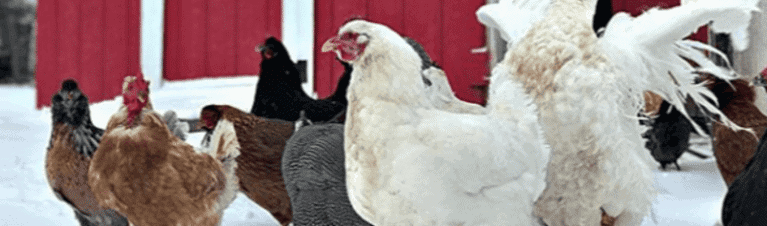
Birds with thin skin or small body parts freeze faster. Some species face higher frostbite risks.
Waterfowl and birds living in cold climates often suffer frostbite. Pet birds with bare feet or thin feathers are also at risk.
- Waterfowl like ducks and geese
- Small birds with thin legs and toes
- Pet birds with bare feet or thin feathers
- Birds living in cold, wet areas

Credit: mannapro.com
Creating A Warm Habitat
Birds need a warm place to stay safe from frostbite in cold weather. Creating a warm habitat helps them survive winter.
This guide explains how to insulate birdhouses and choose heating options that keep birds warm without danger.
Insulating Birdhouses
Insulation helps keep the inside of birdhouses warm by blocking cold air. Use materials that do not trap moisture or block ventilation.
- Use natural fibers like straw or wood shavings inside the birdhouse.
- Wrap the outside with foam board or bubble wrap covered in weatherproof tape.
- Seal cracks and gaps with non-toxic caulk to stop drafts.
- Place the birdhouse in a sheltered spot away from wind and rain.
- Make sure the entrance hole is just large enough for birds to enter and exit.
Choosing Safe Heating Options
Heating bird habitats can prevent frostbite but must be safe for birds. Avoid anything that could cause fire or overheating.
| Heating Option | Safety Level | Notes |
| Battery-operated heat pads | High | Use pads made for animals with automatic shut-off |
| Solar-powered heaters | Medium | Works in sunny areas; no fire risk |
| Electric heat lamps | Low | Risk of fire; not recommended without supervision |
| Hot water bottles | Medium | Use inside insulated covers; replace often |
Providing Proper Nutrition
Birds need good food to stay warm during cold weather. Proper nutrition helps them avoid frostbite. It keeps their bodies strong and feathers healthy.
Giving birds the right food and water can protect them from harsh winter conditions. Let’s look at the best foods and hydration tips for cold days.
High-energy Foods For Cold Weather
Birds burn more energy in winter to keep warm. They need foods rich in fat and protein. These foods give them the power to survive frost and cold winds.
- Sunflower seeds provide healthy fats and protein.
- Peanuts offer energy and are easy to eat.
- Suet cakes contain animal fat that birds love.
- Dried mealworms are a great protein source.
- Oats and cracked corn add extra calories.
Hydration Tips During Winter
Water is just as important as food in winter. Birds need fresh water to stay healthy and avoid frostbite. Frozen water can stop them from drinking.
| Tip | How to Help |
|---|---|
| Provide fresh water daily | Change water every day to keep it clean |
| Use heated birdbaths | Prevent water from freezing in cold weather |
| Place water near feeding areas | Make it easy for birds to find both food and water |
| Check water temperature | Keep water above freezing but not too warm |

Credit: happymoneysaver.com
Minimizing Exposure To Harsh Elements
Birds can suffer frostbite in cold weather. Keeping them safe means reducing their time in harsh conditions. This helps protect their skin, feet, and feathers from damage.
Providing shelter and safe outdoor spaces helps birds stay warm. It also lowers their risk of frostbite during winter.
Sheltering From Wind And Snow
Strong winds and snow make cold weather worse for birds. Shelters block wind and stop snow from piling up. This keeps birds warmer and dryer.
Use natural or man-made structures to shield birds. Trees, bushes, or birdhouses can reduce wind chill. Make sure shelters are safe and easy to enter.
- Place birdhouses in protected areas
- Use dense shrubs or evergreens as windbreaks
- Clear snow around shelters for easy access
- Keep shelters dry to prevent freezing
Safe Outdoor Spaces
Birds need areas where they can feed and rest safely in winter. Creating safe outdoor spaces helps them avoid frostbite and stay healthy.
Make sure these spaces have food, water, and protection from cold. Avoid placing feeders in open, windy spots. Use ground cover or branches to give birds a break from the cold.
- Put feeders near shrubs or trees
- Provide fresh water that is not frozen
- Keep outdoor spaces clean and free of ice
- Offer natural materials for birds to fluff their feathers
Monitoring And Early Intervention
Protecting birds from frostbite starts with careful watching. Early signs of frostbite need quick action to help birds stay healthy.
Regular checks can spot issues before they get worse. Knowing when to call a vet saves birds from serious harm.
Regular Health Checks
Look at your birds every day. Check their feet, legs, and comb for red or black spots. These can mean frostbite.
- Feel for cold or hard areas on their skin.
- Watch for swelling or blisters.
- Note if birds limp or avoid standing.
- Keep an eye on changes in behavior or eating.
When To Seek Veterinary Help
Contact a vet if you see signs of frostbite or if birds act weak. Early treatment helps stop pain and damage.
| Warning Signs | Action Needed |
| Black or darkened skin | Call vet immediately |
| Swelling or blisters | Keep bird warm and call vet |
| Bird limping or not standing | Limit movement and seek help |
| Lethargy or loss of appetite | Monitor closely and call vet if worsens |
Additional Winter Care Practices
Birds need extra care during cold months to avoid frostbite. Keeping them warm helps protect their feet and feathers.
Simple steps can make a big difference in their health and comfort through winter.
Using Heat Packs And Warm Water Baths
Heat packs offer gentle warmth to birds in cold weather. Place them near resting areas but never directly on the bird.
Warm water baths help increase circulation and ease frostbite symptoms. Use lukewarm water and keep baths short.
- Use heat packs wrapped in cloth to avoid burns.
- Keep water temperature between 90°F and 100°F (32°C-38°C).
- Limit baths to 5-10 minutes to avoid stress.
- Dry birds well after baths to keep them warm.
Avoiding Common Winter Hazards
Winter has risks that can harm birds. Avoid these hazards to keep them safe and healthy.
Check bird areas for dangers and fix problems quickly to prevent frostbite and injuries.
- Remove ice and snow from bird feeders and perches.
- Keep food and water fresh and unfrozen.
- Prevent drafts in birdhouses or shelters.
- Watch for sharp ice or frozen surfaces that can hurt feet.
- Keep pets and predators away from birds during winter.
Frequently Asked Questions
How Can I Prevent Frostbite In Outdoor Birds?
Provide birds with insulated shelters and fresh water. Use bird-safe heat sources and avoid wet bedding. Keep feeders stocked to ensure energy for warmth.
What Signs Show Birds Have Frostbite?
Look for swollen, discolored, or blackened toes, feet, or combs. Birds may limping or show unusual lethargy. Early detection is crucial for treatment.
Which Bird Species Are Most Vulnerable To Frostbite?
Birds with large combs and exposed skin, like chickens and pigeons, are more prone. Small birds with less fat are also at risk in freezing weather.
How Do I Treat Frostbite In Birds Safely?
Warm the affected area gradually using warm water or cloth. Avoid rubbing the frostbitten parts. Consult a vet for severe cases or infections.
Conclusion
Protecting birds from frostbite requires simple steps. Provide shelter to keep them warm. Ensure they have enough food and water. Choose bird-friendly plants for natural warmth. Regularly check birdhouses for safety. Keep feeders filled, especially in winter. Monitor weather changes and adjust care as needed.
Share these tips with friends to help more birds. Small actions can make a big difference. By following these steps, you help birds stay safe and healthy. Remember, every bird deserves a cozy winter. Keep caring, and nature will thank you.