If you want to attract more birds to your backyard, mealworms are a fantastic treat to offer. But did you know that the type of bird feeder you use for mealworms can make all the difference?
Choosing the right feeder not only keeps the mealworms fresh and accessible but also ensures your feathered visitors feel safe and comfortable. You’ll discover the best types of bird feeders for mealworms, how to use them effectively, and tips to keep your winged friends coming back for more.
Keep reading to find out how to turn your yard into a bird paradise!
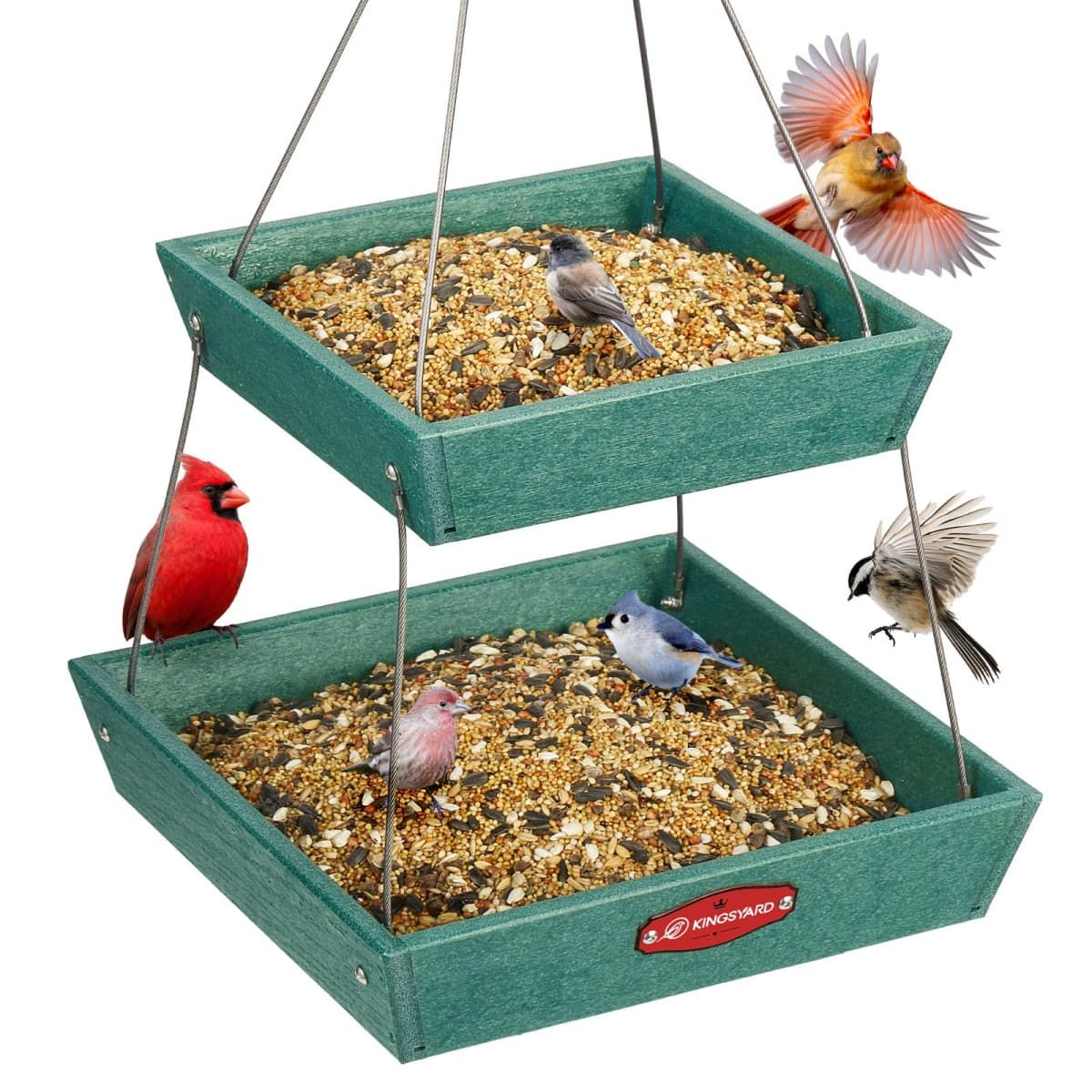
Credit: www.kingsyard.com
Benefits Of Mealworm Feeding
Mealworms are a popular choice for bird feeders. They offer many benefits to wild birds. Feeding mealworms helps birds get energy and nutrients.
Using mealworms in your bird feeder attracts different bird species. It also supports their health during tough seasons.
Nutritional Value For Birds
Mealworms have a high protein content. Protein is important for birds to grow and stay strong. They also contain fats that give birds energy.
Mealworms provide essential vitamins and minerals. These nutrients help birds stay healthy and active.
- Rich in protein and fat
- Contains vitamins like B and E
- Offers minerals such as calcium and iron
Attracting Diverse Bird Species
Mealworms attract many kinds of birds. Both small and large birds enjoy eating them. This variety helps you see more birds in your yard.
Birds like bluebirds, robins, wrens, and woodpeckers often visit feeders with mealworms. These birds may not come to seed feeders.
- Bluebirds
- Robins
- Wrens
- Woodpeckers
- Chickadees
Supporting Bird Health
Mealworms help birds keep their energy, especially in cold weather. The fats and protein in mealworms help birds survive harsh conditions.
Offering mealworms can support breeding birds. They need extra nutrition to raise their young successfully.
- Boost energy in cold seasons
- Help birds during molting
- Support breeding and raising chicks
Types Of Bird Feeders For Mealworms
Mealworms are a favorite food for many wild birds. Choosing the right feeder helps keep mealworms fresh and accessible.
Different feeders suit different bird types and feeding styles. Here are some common types of bird feeders for mealworms.
Tray Feeders
Tray feeders are flat, open platforms that hold mealworms. Birds can easily land and pick up the mealworms from the tray.
These feeders work well for ground-feeding birds and those that like to perch. They are simple to clean and refill.
Hopper Feeders
Hopper feeders store mealworms inside a covered container. The food is released onto a tray below as birds eat.
This type protects mealworms from rain and wind. It also reduces spillage and waste.
Mealworm-specific Feeders
These feeders are designed just for mealworms. They often have small compartments or tubes to hold mealworms securely.
They keep mealworms fresh and prevent them from escaping. Some have mesh sides for good air flow.
Diy Options
You can make simple feeders for mealworms at home. Use items like shallow dishes, small containers, or plastic trays.
DIY feeders allow you to customize size and shape. Just make sure they are easy to clean and protect mealworms from weather.
Choosing The Right Feeder Material
Selecting the right material for a bird feeder is key to feeding birds mealworms. The material affects durability, cleaning ease, and how well it protects food.
This guide compares plastic and metal feeders to help you pick the best one for your needs.
Plastic Vs. Metal
Plastic feeders are lightweight and often less expensive. Metal feeders tend to last longer and resist damage better.
- Plastic feeders can crack in cold weather.
- Metal feeders resist chewing by squirrels.
- Plastic is often see-through, making it easy to check food levels.
- Metal feeders may heat up in direct sun.
Durability And Weather Resistance
| Material | Durability | Weather Resistance |
| Plastic | Moderate | Can crack or fade |
| Metal | High | Resists rain and wind well |
Metal feeders usually hold up better in rain and wind. Plastic ones may need replacing sooner.
Ease Of Cleaning
Cleaning your feeder keeps mealworms fresh and birds healthy. Some materials are easier to clean than others.
- Plastic feeders can stain but are light to handle.
- Metal feeders often have smooth surfaces that clean easily.
- Look for feeders that open fully for good access.
- Regular cleaning prevents mold and bacteria build-up.
Placement Tips For Mealworm Feeders
Mealworm feeders attract many birds that enjoy protein-rich food. Proper placement helps birds find the feeder easily and safely.
Good placement also protects birds from danger and keeps the feeder clean. These tips guide you to place your mealworm feeder well.
Ideal Locations
Place mealworm feeders where birds often visit. Look for quiet spots near trees or shrubs. These spots offer shelter and comfort.
Avoid placing feeders too close to windows or busy areas. Birds may get scared by sudden movements or reflections.
- Near low branches or bushes for cover
- At least 5 feet off the ground
- Away from strong wind or direct sun
Safety From Predators
Keep feeders away from places where cats and other predators hide. Use poles with baffles or hang feeders from thin wires.
Clear the area under the feeder to reduce predator hiding spots. This helps birds feel safer while feeding.
- Use metal or smooth poles to stop climbing predators
- Place feeders 10 feet away from jumping points like fences
- Trim nearby bushes to reduce hiding places
Visibility For Birds
Birds need to see the feeder clearly to find mealworms. Place feeders in open areas with good light but some nearby cover.
Make sure the feeder is visible from different angles. This helps many types of birds discover the food.
- Choose spots with morning or afternoon sunlight
- Keep feeders near trees but not hidden
- Rotate feeder positions if birds do not visit often
Maintaining Mealworm Feeders
Keeping your mealworm feeders clean and safe helps birds stay healthy. Proper care stops mold and spoilage. You can also store mealworms to keep them fresh longer.
Learn simple tips to maintain your mealworm feeders well. This keeps your bird visitors happy and healthy.
Cleaning Frequency
Clean your mealworm feeders at least once a week. Remove old mealworms and debris. Rinse the feeder with warm water. Use a mild soap if needed. Let it dry completely before refilling.
Preventing Mold And Spoilage
Mold grows when mealworms stay wet or feeders are dirty. Keep feeders dry and clean. Replace mealworms if they look slimy or smell bad.
- Use dry mealworms only
- Keep feeders in shaded, dry places
- Remove uneaten mealworms daily
- Clean feeders regularly to stop mold
Storing Mealworms Properly
Store mealworms in a cool, dry place. Keep them in a container with air holes. Feed them small pieces of vegetables for moisture.
| Storage Tip | Reason |
| Keep container ventilated | Prevents suffocation |
| Store at 40-50°F (4-10°C) | Slows growth and spoilage |
| Feed fresh veggies weekly | Provides moisture and nutrition |
| Remove dead mealworms daily | Stops bacteria and mold |
Common Mistakes To Avoid
Mealworms are a popular food choice for many birds. Feeding them correctly helps birds stay healthy. Avoiding common mistakes makes your bird feeder more effective.
Below are some common errors to watch out for when using mealworm feeders. Fixing these can improve your bird feeding experience.
Overfeeding
Giving too many mealworms can cause problems for birds and your feeder. Birds may eat less of their natural diet. Extra food also spoils faster, attracting pests.
- Offer mealworms in small amounts, daily or every other day.
- Watch how much the birds eat and adjust portions.
- Remove leftover mealworms to prevent mold or bacteria.
Using Inappropriate Feeders
Not all feeders suit mealworms well. Some designs cause the mealworms to escape or get crushed. Others make it hard for birds to reach the food.
| Feeder Type | Suitability for Mealworms | Notes |
| Open Dish | Good | Easy for birds to access but watch for spills. |
| Tube Feeder | Poor | Mealworms can get stuck or escape. |
| Mesh Feeder | Fair | Holds mealworms but may dry them out quickly. |
Ignoring Seasonal Changes
Bird feeding needs change with the seasons. Mealworms are more useful in some months than others. Ignoring this can waste food or harm birds.
Tips to adjust feeding by season:
- Spring and Summer: Feed moderate amounts as birds find natural food.
- Fall: Increase mealworms to help birds prepare for winter.
- Winter: Provide mealworms regularly for extra energy.
- Avoid feeding mealworms if weather is too hot, to prevent spoilage.
Enhancing Your Feeding Experience
Using mealworms in bird feeders is a great way to attract many birds. Choosing the right feeder can make feeding easier and more fun.
Different feeders suit different birds and feeding styles. Learning how to combine mealworms with other foods, attract specific birds, and watch them with cameras can improve your experience.
Combining Mealworms With Other Foods
Mealworms are high in protein and loved by many birds. Adding other foods helps meet birds' nutritional needs. This mix can attract more types of birds.
Common foods to combine with mealworms include seeds, suet, and fruit. These foods offer energy, fats, and vitamins for birds.
- Black oil sunflower seeds for energy
- Suet for fat during cold months
- Fresh fruit pieces for vitamins
- Peanut pieces for protein and fat
Attracting Specific Bird Species
Mealworms attract many insect-eating birds. Using the right feeder helps target certain species. Some birds prefer open trays, others like hanging feeders.
Choose feeders based on the birds you want to see. Here are some examples:
- Robins and bluebirds prefer open platform feeders
- Wrens and chickadees like feeders with small perches
- Nuthatches and woodpeckers enjoy suet feeders with mealworms
- Warblers and flycatchers visit feeders near trees or shrubs
Using Cameras For Bird Watching
Adding a camera near your bird feeder lets you watch birds closely. Cameras help capture details you might miss with the naked eye. They also record bird behavior and visits.
Use motion-activated or live-stream cameras. Place cameras where they do not scare birds. Watching videos helps learn about your local birds.
- Set cameras at eye level with the feeder
- Keep cameras hidden with natural covers
- Use infrared cameras for night feeding
- Review footage to identify bird species
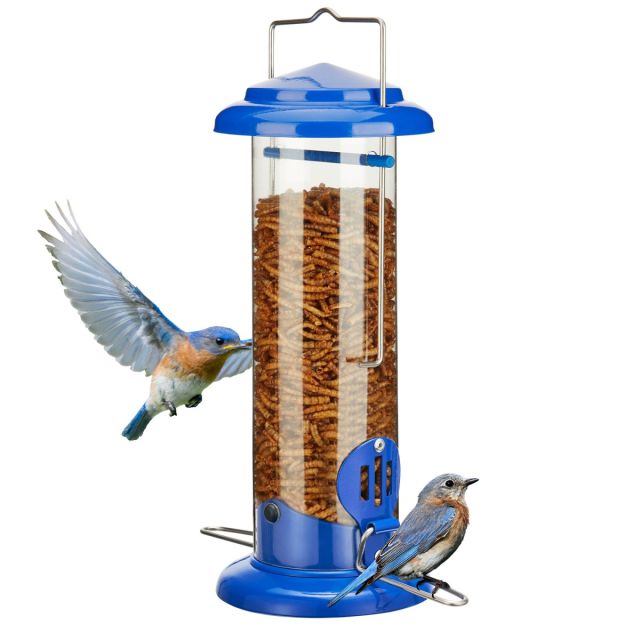
Credit: www.kingsyard.com

Credit: www.amazon.ca
Frequently Asked Questions
What Type Of Feeder Is Best For Mealworms?
A tray or platform feeder works best for mealworms. It provides easy access and prevents spillage. Birds can easily perch and feed without difficulty. This feeder type also keeps mealworms visible and fresh for birds.
Can Tube Feeders Hold Mealworms Effectively?
Tube feeders are not ideal for mealworms. Their small openings can block mealworms or cause them to fall out. Mealworms need open access, which tube feeders don’t provide. Use open or tray feeders instead for better results.
How To Prevent Mealworm Feeders From Spoiling?
To prevent spoilage, keep mealworm feeders clean and dry. Replace uneaten mealworms regularly to avoid mold and bacteria. Use feeders with drainage holes to reduce moisture. Proper maintenance ensures fresh food and attracts healthy birds.
Are Covered Feeders Good For Mealworms?
Covered feeders protect mealworms from rain and debris. They help keep mealworms dry and fresh longer. Covered tray feeders combine protection with easy access. This type is ideal for outdoor feeding in wet climates.
Conclusion
Choosing the right bird feeder for mealworms enhances your birdwatching experience. Different feeders attract various bird species, creating a lively backyard. Tray feeders are simple and effective. Tube feeders protect mealworms from rain. Platform feeders offer easy access for birds.
Hanging feeders suit small spaces. Each type serves a unique purpose. Consider your needs and bird preferences. Clean feeders regularly to ensure bird health. Enjoy watching birds gather and feed. A little effort brings beautiful rewards. Your garden becomes a sanctuary for feathered friends.
Happy birdwatching!