How to Make Suet Balls for Bird Feeders 2026 Guide
Making suet balls for bird feeders is one of the best things you can do if you love watching birds visit your garden. Suet balls are packed with energy and nutrients that wild birds need, especially in colder months. You don’t need to buy expensive mixes; you can easily make your own suet balls at home with simple ingredients. In this guide, you’ll discover how to create tasty, healthy treats that will bring more birds—and more life—to your outdoor space. Ready to attract a colorful flock right to your window? Let’s get started!
Benefits Of Suet Balls
Suet balls are a great food source for wild birds. They provide energy and nutrients that birds need daily.
Making suet balls at home is easy and helps support local bird populations. They work well in many bird feeders.
Attracting Different Bird Species
Suet balls attract many bird types. Birds like woodpeckers, nuthatches, and chickadees enjoy them.
Using suet balls can bring more birds to your garden or yard. Different birds prefer different seeds or nuts in the balls.
- Woodpeckers look for suet with insects.
- Nuthatches prefer suet with sunflower seeds.
- Chickadees eat suet with peanuts or raisins.

Credit: www.willyswilderness.org
Nutritional Value For Birds
Suet balls give birds high energy from fats. This helps birds stay active and healthy.
They also contain protein and vitamins. These nutrients help birds grow and keep their feathers strong.
- Fat provides energy for flying and staying warm.
- Protein helps build muscles and repair tissue.
- Vitamins support the immune system.
Feeding During Winter Months
Birds need extra energy in winter. Suet balls give them fat to survive cold days.
Suet balls stay solid in cold weather. This makes them easy for birds to eat outside.
- Fats help birds keep warm in freezing weather.
- Suet balls provide food when insects are scarce.
- Feeding birds in winter supports their survival.
Essential Ingredients
Suet balls are a great way to feed wild birds. Making them at home lets you choose safe and healthy ingredients. This guide covers the key ingredients you need for suet balls.
Good suet balls have the right fats, seeds, and optional extras. Each ingredient helps birds stay healthy and happy during colder months.
Types Of Fats To Use
Fats keep suet balls solid and provide energy for birds. Use fats that are safe and easy to handle. Avoid fats with salt or additives.
- Beef suet is traditional and holds seeds well.
- Vegetable shortening is easy to mold and store.
- Lard is natural but melts faster in warm weather.
- Coconut oil can be mixed for softer balls.
Bird-friendly Seeds And Grains
Choose seeds that many birds like and are easy to eat. Utilizing Balls for Bird Feeders as a base, you can mix in variety.
-
Millet is small and good for finches and sparrows.
-
Cracked corn attracts larger birds like jays.
-
Oats add texture and energy.
Optional Additives
You can add extras to make suet balls more tasty and healthy. Use ingredients safe for birds and avoid anything harmful.
- Dried mealworms add protein for insect-eating birds.
- Chopped nuts give healthy fats and crunch.
- Raisins or dried fruit offer natural sweetness.
- Crushed eggshells add calcium for bird bones.
Tools And Materials Needed
Making suet balls for bird feeders is simple and fun. You need a few basic tools and materials to get started. These help you mix, shape, and store the suet properly.
Gather everything before you begin. This makes the process smooth and easy to follow.
Mixing Bowls And Utensils
Use sturdy mixing bowls to combine your ingredients. You will also need utensils to stir and scoop the mixture.
- Large mixing bowl (glass or metal works well)
- Wooden spoon or sturdy spatula for stirring
- Measuring cups and spoons for ingredients
- Disposable gloves to keep hands clean
Molds And Containers
Choose molds to shape the suet balls. Containers can hold the mixture while it sets or stores the finished balls.
| Type | Purpose | Examples |
| Spherical molds | Shape suet into balls | Plastic ball molds, ice ball trays |
| Silicone molds | Easy release of suet shapes | Silicone cupcake molds, candy molds |
| Containers | Store suet balls or mixture | Plastic tubs, airtight jars |
Storage Options
Proper storage keeps suet balls fresh. Using homemade suet balls for birds requires airtight containers to prevent spoilage.
-
Airtight plastic containers keep moisture out.
-
Freezer bags work for longer storage times.
-
Label containers with the date made.
-
Store in a cool, dry place or freezer.
Step-by-step Preparation
Making suet balls is a simple way to feed birds in your garden. Suet balls give birds energy, especially in cold weather.
This guide shows how to prepare suet balls safely and correctly. Follow the steps to make sure your birds enjoy them.
Melting The Fat Safely
Use suet or lard as the base for suet balls. Melt the fat slowly to avoid burning it. A double boiler works best for this.
- Fill the bottom pot with water and bring it to a low simmer.
- Place the fat in the top pot or bowl over the simmering water.
- Stir the fat gently until it melts completely.
- Remove from heat once the fat is liquid and clear.
Mixing Ingredients Evenly
Add birdseed, oats, and dried fruits to the melted fat. Mix all ingredients well to spread them evenly. Learning How to Make Suet Balls for Bird Feeders involves balancing 1 cup of fat with roughly 2 cups of birdseed mix.
| Ingredient | Amount |
| Suet or lard (melted) | 1 cup |
| Birdseed mix | 2 cups |
| Rolled oats | 1 cup |
| Dried fruits (chopped) | ½ cup |
Shaping And Molding Suet Balls
Let the mixture cool slightly so it is easier to handle, then shape it into balls or press it into molds.
-
Wear gloves to keep your hands clean.
-
Use a spoon to scoop the mixture.
-
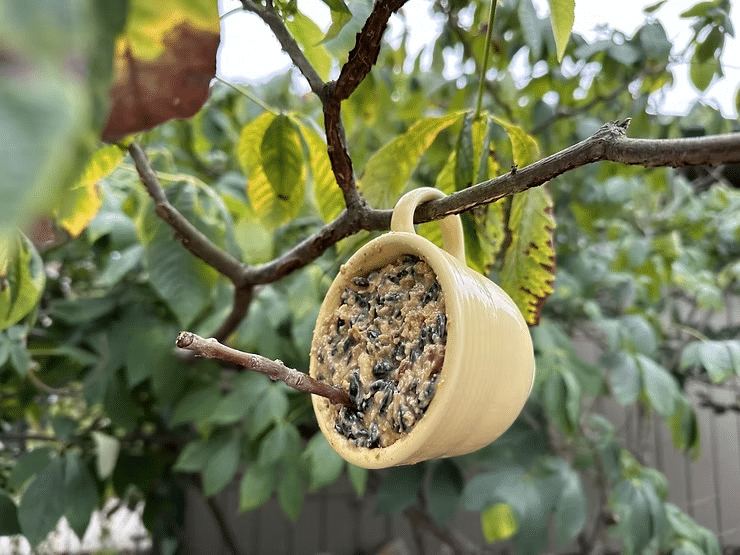
Press firmly to make compact Balls for Bird Feeders that hold together.
-
Place formed balls on wax paper to cool and harden.
Drying And Storage Tips
Making suet balls for bird feeders is easy and fun. Proper drying and storage keep them fresh longer. This guide covers how to cool, store, and prevent spoilage.
Following these tips helps your suet balls stay tasty and safe for birds. Use simple methods to keep them firm and mold-free.
Cooling Methods
After making suet balls, cool them quickly to keep shape and texture. Place them on a tray lined with wax paper. Put the tray in the fridge for about one hour.
Do not leave suet balls at room temperature too long. This can cause melting and deformation. Cooling in the fridge makes them firm and ready to store.
Storing For Longevity
Store suet balls in a cool, dry place. Wrapping them individually in wax paper before placing them in a freezer bag can help with long-term storage. This is a great tip for anyone making DIY suet balls for bird feeders in large batches.
- Wrap suet balls individually in wax paper or plastic wrap.
- Place wrapped balls in an airtight container or plastic bag.
- Store containers in the freezer for long-term storage.
- Label containers with the date of preparation.
Avoiding Mold And Spoilage
| Cause | Prevention |
| Moisture | Keep suet balls dry and sealed airtight. |
| Warm Temperature | Store in refrigerator or freezer. |
| Old Age | Use suet balls within 3 months. |
| Contamination | Handle with clean hands and tools. |

Credit: www.reddit.com
Best Practices For Hanging Suet Balls
Hanging suet balls is a great way to feed wild birds. Proper hanging helps keep the birds safe and healthy. It also makes sure the suet balls last longer.
Use the right feeder and place it carefully. Watch the suet balls and refill them as needed. This guide explains how to do it well.
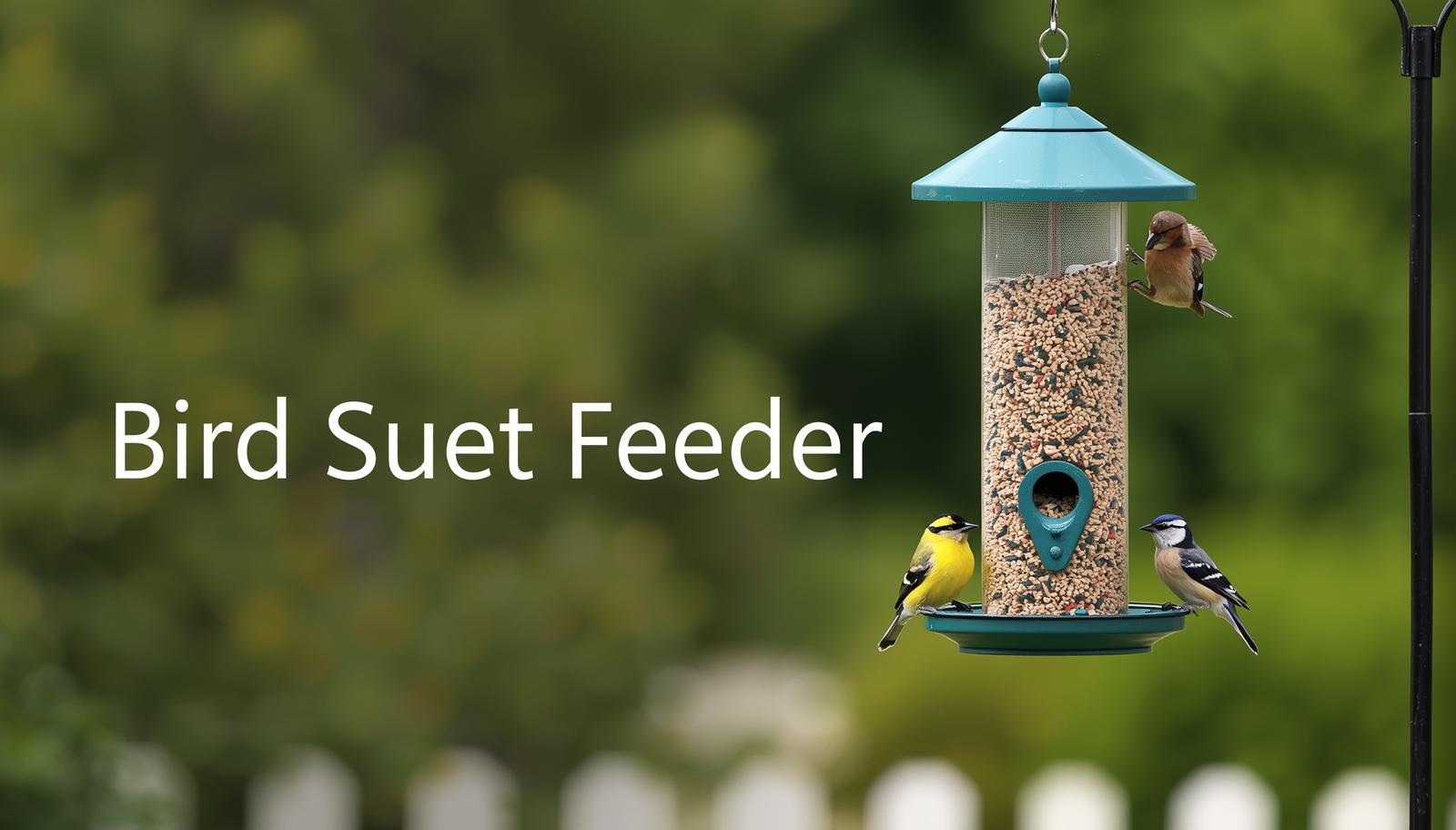
Choosing Suitable Feeder Types
Pick feeders that hold Balls for Bird Feeders firmly and allow easy bird access.
-
Use metal or wire cage feeders.
-
Choose feeders with hooks or loops for hanging.
-
Pick feeders that allow good air flow to keep suet fresh.
-
Avoid plastic feeders that may melt or break.
Placement For Bird Safety
Place suet feeders where birds feel safe from predators. Keep feeders away from windows to stop bird collisions. Hang feeders at least 5 feet high and near shrubs or trees for quick cover.
| Placement Tip | Reason |
| 5 to 6 feet above ground | Keeps birds safe from cats and other pets |
| Near bushes or trees | Provides quick hiding spots |
| Away from windows | Prevents bird strikes |
| Open space around feeder | Allows birds to spot predators early |
Monitoring And Refilling
Check suet balls often to see if birds are eating them. Replace old or moldy suet quickly. Keep feeders clean to stop disease. Use this checklist to monitor your feeders:
- Look for signs of bird activity daily
- Remove and replace suet if it melts or gets moldy
- Clean feeder once a week with warm soapy water
- Refill suet balls to keep a steady supply
- Watch for pests like squirrels or ants
Troubleshooting Common Issues
Making suet balls for bird feeders is simple, but some problems can happen. Knowing how to fix these issues helps keep birds happy.
This guide covers common problems like melted suet, pests, and weather changes. Follow these tips for better results.
Dealing With Melted Suet
Suet balls can melt in warm weather, making a mess and wasting food. Use suet that stays firm at higher temperatures.
Keep suet balls shaded and away from direct sunlight. You can also store extra suet in the fridge until needed.
- Use suet mixed with peanut butter or cornmeal to firm it up
- Place feeders in cool, shady spots
- Refill suet balls in cooler parts of the day
Preventing Pests
Squirrels and other pests often try to eat suet meant for birds. Protect your suet balls to keep pests away.
Use feeders designed to block squirrels. You can also add spicy pepper flakes to suet, as birds do not mind the taste.
- Hang suet feeders with a baffle above to stop squirrels
- Add cayenne pepper or chili powder to suet mix
- Place feeders away from trees and fences for easier control
Adjusting Recipes For Weather
Weather affects how suet holds together. Change the recipe to fit hot or cold seasons.
In warm weather, add more solid ingredients like cornmeal. In cold weather, add more fat to keep suet soft and tasty.
- Summer: Increase cornmeal or oats for firmness
- Winter: Add extra fat like lard or vegetable shortening
- Test small batches to find the best mix for your area

Credit: gratefulprayerthankfulheart.com
Frequently Asked Questions
What Ingredients Are Needed For Suet Balls?
Suet balls need suet or lard, birdseed mix, and optional nuts or dried fruits. These ingredients provide high energy for birds, especially in winter.
How Do You Safely Melt Suet For Bird Feed?
Melt suet slowly in a double boiler or microwave on low heat. Avoid overheating to prevent burning and preserve nutrients for birds.
What Bird Species Eat Suet Balls?
Suet balls attract woodpeckers, chickadees, nuthatches, and titmice. These birds rely on high-energy foods during colder months.
When Is The Best Time To Hang Suet Balls?
Hang suet balls in late fall through early spring. This period is when birds need extra calories to stay warm.
Conclusion
Creating suet balls for bird feeders is simple and rewarding. Birds will flock to your yard, bringing joy and vibrant life. Gather basic ingredients like fat and seeds. Mix them well. Shape into balls and let them cool. Hang these treats on trees or feeders.
Watch the birds enjoy their feast. Your homemade suet balls support local wildlife. It’s a fun activity for the whole family. Plus, you’ll learn more about your feathered friends. Try it today. Experience the thrill of birdwatching right at home.
Enjoy nature’s beauty in your own backyard.