Have you ever wondered if bird seed could be harmful to you or your family? If you keep bird feeders around, it’s natural to ask, “Is bird seed toxic to humans?” You might think it’s just simple seeds, but the truth isn’t always that clear.
Knowing the facts can protect your health and help you enjoy feeding birds without worry. Keep reading to discover what you need to know about bird seed and your safety.
Bird Seed Ingredients
Bird seed mixes contain different seeds to feed various bird species. Some ingredients are safe for humans, while others may not be suitable.
Understanding the common seeds and additives helps know if bird seed is toxic to people or not.
Common Seeds In Mixes
Bird seed mixes usually contain these common seeds. Each seed has its own safety profile for humans.
- Sunflower seeds: edible and nutritious for humans
- Millet: small, edible grain often used in cooking
- Safflower: safe to eat but bitter for some tastes
- Cracked corn: edible but may cause digestion issues if eaten raw in large amounts
- Nyjer (thistle): safe but hard to digest for humans
Additives And Preservatives
Bird seed may include additives to keep it fresh or protect it from pests. Some additives may be harmful to humans.
| Additive | Purpose | Safety for Humans |
| Fungicides | Prevent mold growth | Can be toxic if ingested |
| Insecticides | Keep insects away | Harmful if swallowed |
| Preservatives | Extend shelf life | Usually safe in small amounts |
| Anti-caking agents | Prevent clumping | Generally safe but depends on type |
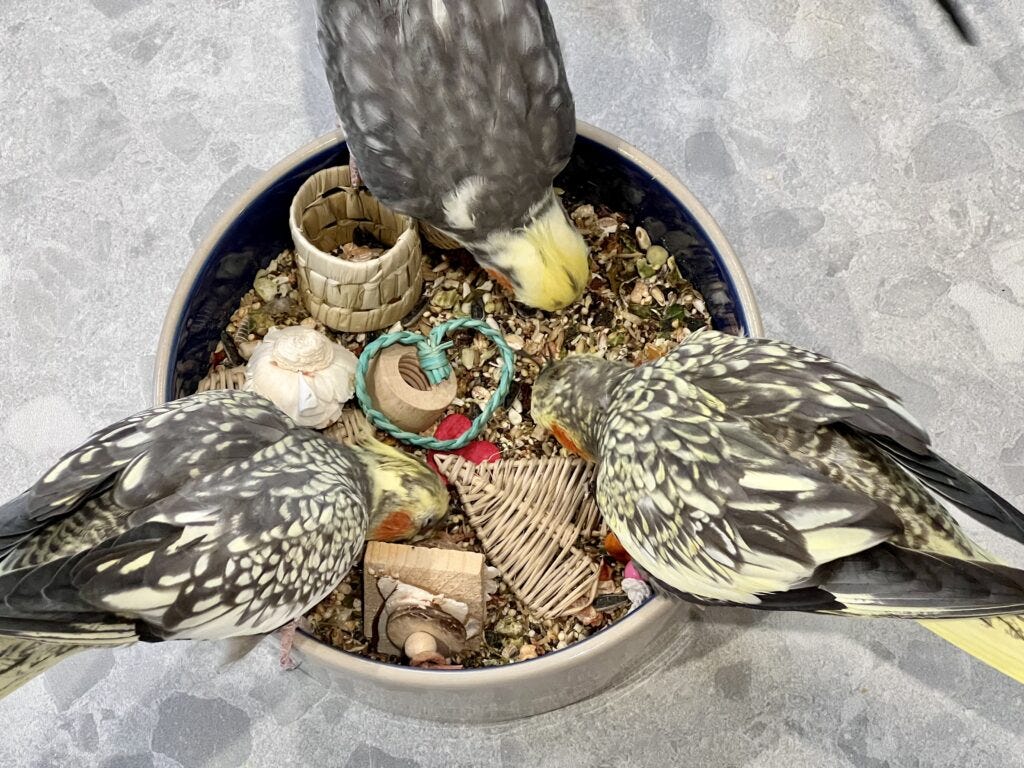
Credit: freerangeparrots.org
Human Toxicity Risks
Bird seed is made for birds, not humans. Eating it can cause some health problems.
It is important to know what parts of bird seed might be harmful to people.
Potential Harmful Components
Bird seed may contain harmful ingredients like mold, bacteria, or chemicals.
Some seeds have natural toxins or pesticides that can hurt humans if eaten.
- Mold can cause stomach pain or sickness.
- Bacteria like Salmonella may be present.
- Some seeds have natural toxins that affect digestion.
- Pesticide residues can cause poisoning.
Allergic Reactions
People may be allergic to some seeds or ingredients in bird seed mixes.
Allergic reactions range from mild skin rashes to serious breathing problems.
- Common allergens include sunflower seeds and peanuts.
- Symptoms: itching, swelling, or trouble breathing.
- Severe allergies require immediate medical help.
Bird Seed Vs Human Food
Bird seed is made to feed birds, not people. It often contains many seeds and grains that birds like. Human food is made for people and follows strict safety rules.
People sometimes wonder if bird seed is safe to eat. It is important to understand the difference between bird seed and human food before eating it.
Nutritional Differences
Bird seed is designed to give birds energy and nutrients they need. It has different types of seeds, but it may lack some nutrients humans need. Human food has balanced nutrients for our bodies.
Bird seed may contain high amounts of fats or fibers that are hard for humans to digest. It also does not have vitamins and minerals needed for human health.
- Bird seed has mostly seeds and grains
- Human food includes proteins, vitamins, and minerals
- Bird seed lacks some nutrients humans need
- Human food is easier for humans to digest
Contamination Concerns
Bird seed can carry dust, dirt, or small insects. It may also have mold or bacteria from storage. These can cause sickness if eaten by humans.
Human food is tested for safety and cleaned before sale. Bird seed does not have the same safety checks. Eating bird seed can expose people to harmful germs.
- Bird seed may contain dirt and dust
- Mold and bacteria can grow on bird seed
- Human food is cleaned and tested
- Eating bird seed may cause stomach problems
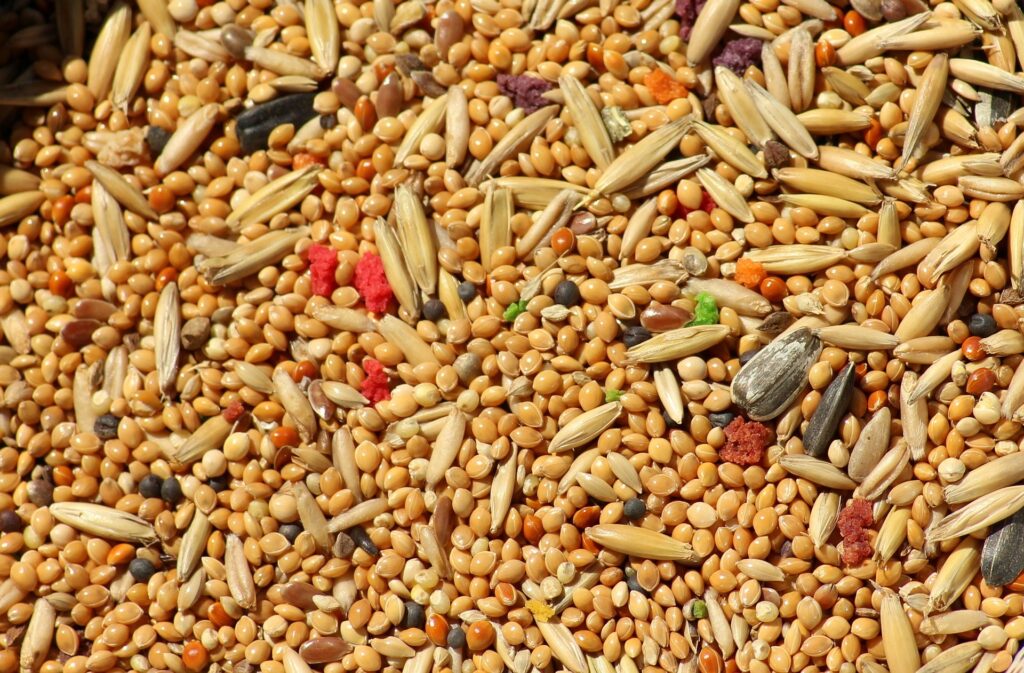
Credit: localgardener.net
Symptoms Of Ingestion
Bird seed is not meant for human consumption. Eating it can cause different symptoms. These symptoms depend on the amount eaten and the person's health.
Some bird seeds may contain mold, bacteria, or chemicals. These can increase the risk of illness after ingestion.
Mild To Severe Reactions
Mild reactions may include stomach pain or nausea. Some people might feel dizzy or have a headache. These symptoms usually pass quickly.
Severe reactions can happen if the seed is contaminated. Symptoms may include vomiting, diarrhea, or breathing problems. Allergic reactions are also possible.
- Stomach pain and cramps
- Nausea and vomiting
- Diarrhea
- Dizziness and headache
- Allergic reactions like rash or swelling
- Difficulty breathing or chest tightness
When To Seek Medical Help
Call a doctor if symptoms get worse or last more than a day. Seek help if you have trouble breathing or swelling. Immediate care is needed for severe allergic reactions.
Also get medical help if you vomit a lot or cannot keep fluids down. Young children, pregnant women, and older adults should be extra careful.
- Severe vomiting or diarrhea
- Difficulty breathing or wheezing
- Swelling of face, lips, or throat
- High fever or persistent pain
- Signs of dehydration
- Symptoms lasting more than 24 hours
Safe Handling Tips
Bird seed is made for birds, not humans. It can contain harmful bacteria or molds. Handling bird seed safely helps protect your health.
Always keep bird seed clean and dry. Use gloves or wash your hands after touching it. These steps reduce the chance of getting sick.
Storage Guidelines
Store bird seed in a cool, dry place. Moisture can cause mold, which is harmful to people and birds. Use airtight containers to keep seed fresh.
Keep the storage area clean. Remove old or wet seed to stop mold growth. Check the seed regularly for signs of damage or pests.
- Use sealed plastic or metal containers
- Keep away from sunlight and heat
- Store off the ground to avoid pests
- Check seed every few weeks
- Discard moldy or damp seed immediately
Preventing Accidental Consumption
Bird seed is not safe to eat. Keep it away from children and pets. Accidental eating can cause stomach upset or worse.
Label containers clearly. Teach children not to eat bird seed. Always wash your hands after handling seed to stop accidental ingestion.
- Store seed out of reach of children and pets
- Use clear labels on all seed containers
- Do not eat or taste bird seed
- Wash hands after handling seed
- Clean spills immediately to avoid tempting pets or kids

Credit: seabrookeleckie.com
Alternatives For Snacking
Bird seed is not meant for human eating. Some seeds can be harmful. It is better to choose safe snacks for yourself.
This guide shows seeds safe for humans and other healthy snack ideas you can try.
Safe Seeds For Humans
Many seeds are safe and healthy for people. These seeds offer good nutrition and taste. You can add them to meals or eat them alone.
- Sunflower seeds: Rich in vitamins and easy to snack on
- Pumpkin seeds: High in protein and good fats
- Chia seeds: Great source of fiber and omega-3
- Flaxseeds: Help digestion and heart health
Healthy Snack Ideas
| Snack | Main Ingredient | Benefit |
| Trail Mix | Mixed nuts and seeds | Energy boost and healthy fats |
| Yogurt with Seeds | Chia or flaxseeds | Good for digestion and protein |
| Seed Butter Toast | Pumpkin seed butter | Rich in minerals and tasty |
| Fruit and Seed Salad | Fresh fruits and sunflower seeds | Vitamins and crunch |
Frequently Asked Questions
Is Bird Seed Harmful If Ingested By Humans?
Bird seed is generally not toxic to humans. However, it can contain bacteria or mold harmful if consumed in large amounts. Eating small quantities accidentally is usually safe but not recommended as a food source.
Can Bird Seed Cause Poisoning In Children?
Bird seed rarely causes poisoning in children. The main risk is choking or allergic reactions. Keep bird seed out of children's reach to avoid accidental ingestion and potential health issues.
What Are The Risks Of Eating Bird Seed?
Eating bird seed can expose you to bacteria, mold, or pesticides. These contaminants may cause stomach upset or allergic reactions. Bird seed is not processed for human consumption and should be avoided.
How To Safely Handle Bird Seed Around Humans?
Store bird seed in a cool, dry place to prevent mold growth. Wash hands after handling to avoid transferring bacteria. Keep it away from children and pets to prevent accidental ingestion.
Conclusion
Bird seed isn't generally toxic to humans. Most types are safe. They can cause digestive issues if consumed in large amounts. Always check for any added chemicals or preservatives. Cooking can also eliminate potential risks. Remember, bird seed is designed for birds, not people.
So, moderation is key if you decide to taste. Stay informed and choose wisely. Always prioritize safety and consult experts when unsure. Eating bird seed isn't recommended for humans as a regular food source. Keep enjoying watching birds while ensuring your own well-being.