If you keep birds, whether as pets or on your farm, protecting them from salmonella is crucial. Salmonella can make your birds very sick and even spread to you and your family.
But don’t worry—there are simple steps you can take right now to keep your feathered friends safe and healthy. You’ll discover easy, effective ways to prevent salmonella in birds. By following these tips, you’ll protect your birds and enjoy peace of mind every day.
Keep reading to learn how you can make a big difference in your birds’ health starting today.
Sources Of Salmonella In Birds
Salmonella is a bacteria that can make birds sick. It spreads from many places where birds live and eat. Knowing these sources helps prevent infection.
Bird owners should watch out for common ways Salmonella spreads. Cleanliness and good care lower the risk of illness in birds.
Common Salmonella Carriers
Many animals and birds can carry Salmonella without showing signs. These carriers pass the bacteria to healthy birds.
Rodents, wild birds, and reptiles often carry Salmonella. They contaminate bird cages and food areas.
- Wild birds visiting feeders
- Rodents like rats and mice
- Reptiles near bird housing
- Other infected pet birds
Contaminated Food And Water
Salmonella lives in dirty food and water. Birds get sick when they eat or drink contaminated items.
Leftover food and standing water invite bacteria growth. Old or spoiled feed also spreads Salmonella easily.
- Unwashed fruits and vegetables
- Moist or spoiled bird feed
- Dirty water dishes
- Food left out for too long
Environmental Risks
Salmonella hides in dirty cages, bedding, and soil. Birds pick up bacteria by touching or eating in these places.
Poor cleaning and damp areas raise the chance of infection. Good hygiene keeps the environment safe for birds.
- Dirty cages and perches
- Wet or soiled bedding
- Contaminated soil or mulch
- Areas with bird droppings

Credit: www.dpi.nsw.gov.au
Symptoms Of Salmonella Infection
Salmonella infection can affect birds in many ways. It is important to notice symptoms early to keep birds healthy.
Understanding the signs helps prevent the spread of this infection to other birds and humans.
Signs In Birds
Birds with salmonella often look weak and sick. They may stop eating and drinking.
Other signs include diarrhea, ruffled feathers, and breathing problems. Some birds may also have swollen joints.
- Loss of appetite
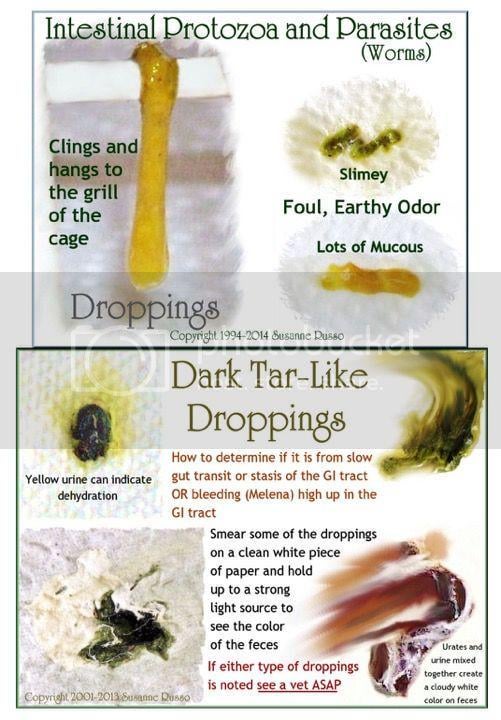
- Diarrhea or greenish droppings
- Ruffled or unkempt feathers
- Weakness and lethargy
- Swollen joints or lameness
- Difficulty breathing
Potential Risks To Humans
Humans can catch salmonella from birds through direct contact or touching bird droppings. This can cause serious illness.
Salmonella infection in people leads to stomach pain, fever, and diarrhea. Young children and older adults are at higher risk.
- Fever and chills
- Stomach cramps and pain
- Diarrhea, sometimes bloody
- Nausea and vomiting
- Risk of severe dehydration
Safe Feeding Practices
Feeding birds safely helps protect them from diseases like salmonella. Using clean methods and good quality food lowers the risk.
Paying attention to how you store and handle bird feed keeps birds healthy and happy. Follow these tips for safe feeding.
Choosing Quality Bird Feed
Pick bird feed that is fresh and free from mold or pests. Check the packaging for a clear expiration date.
- Buy feed from trusted stores
- Look for clean and dry packaging
- Avoid feed with strange smells or clumps
- Choose seed mixes that suit your bird species
Proper Food Storage
Store bird feed in a cool, dry place to keep it fresh and safe. Use sealed containers to stop pests and moisture.
| Storage Tip | Reason |
| Use airtight containers | Prevents mold and insect infestation |
| Keep feed off the floor | Reduces moisture and contamination risk |
| Store in a cool area | Slows down spoilage |
| Check feed regularly | Detects spoilage early |
Avoiding Cross-contamination
Use separate tools and clean feeders often. Keep feed away from bird droppings and other waste.
- Wash hands before and after handling feed
- Clean feeders weekly with hot water
- Use dedicated scoops for bird feed only
- Do not mix old and new feed

Credit: www.canr.msu.edu
Maintaining Clean Habitats
Keeping bird habitats clean helps stop the spread of salmonella. Birds live healthier in tidy spaces.
Dirty environments can hold germs that make birds sick. Regular cleaning lowers this risk.
Regular Cage Cleaning
Clean cages often to remove dirt and droppings. This keeps germs from growing and spreading.
Use warm water and safe soap to wash cage parts. Let everything dry completely before putting birds back.
Disinfecting Feeding Areas
Clean feeding bowls and water containers every day. Salmonella can grow where food is left out.
Use a mild disinfectant safe for birds to kill bacteria. Rinse items well to remove any chemicals.
- Wash bowls with soap and water
- Disinfect with bird-safe cleaner
- Rinse thoroughly and dry
Waste Management
Remove bird droppings and old food daily. This stops bacteria from growing in the habitat.
Use sealed bags or containers to dispose of waste. Keep waste away from bird areas to prevent contact.
- Clean waste trays often
- Use gloves when handling waste
- Store waste bags outside the bird area
Health Monitoring And Quarantine
Preventing salmonella in birds starts with careful health monitoring. Watching your birds closely helps catch signs of illness early.
Quarantine keeps new or sick birds separate. This limits the spread of salmonella and other infections.
Routine Health Checks
Check your birds every day for changes in behavior or appearance. Look for signs like droopy feathers, loss of appetite, or diarrhea.
Regular health checks help you find sick birds early. Early detection means you can act fast to protect your flock.
- Observe birds for unusual behavior
- Look for physical changes like swelling or redness
- Note any changes in droppings
- Keep a health log for each bird
Isolating New Or Sick Birds
Keep new birds separate from your flock for at least two weeks. This helps prevent spreading salmonella.
If a bird shows sickness signs, move it to a quarantine area. Avoid contact with healthy birds until it recovers.
- Set up a separate space for new or sick birds
- Use different tools and equipment in quarantine
- Clean and disinfect quarantine area regularly
- Monitor quarantined birds closely for symptoms
Personal Hygiene For Caretakers
Caretakers play a big role in stopping salmonella from spreading in birds. Good hygiene helps keep both birds and people safe.
Simple habits like washing hands and wearing the right gear reduce germs. These habits protect everyone around the birds.
Hand Washing Techniques
Washing hands often stops the spread of salmonella. Use soap and clean water every time before and after handling birds.
Rub your hands together for at least 20 seconds. Clean under your nails and between fingers well.
- Wet hands with clean water
- Apply soap and scrub all parts
- Scrub for 20 seconds or more
- Rinse hands under running water
- Dry with a clean towel or air dry
Protective Gear Use
Wear protective gear to avoid contact with bird droppings and feathers. This gear blocks germs from reaching your skin or clothes.
Use gloves, masks, and boots when cleaning bird areas. Change or clean gear after each use to stop germs from spreading.
- Wear disposable or washable gloves
- Use masks to avoid breathing germs
- Put on boots or shoe covers
- Change clothes after work
- Clean gear regularly with soap and water
Vaccination And Veterinary Care
Salmonella can make birds very sick. Keeping birds healthy needs strong care. Vaccination and regular vet visits help stop Salmonella.
Good care lowers the chance birds get sick. It also stops Salmonella from spreading to people or other animals.
Available Vaccines
Vaccines help birds build protection against Salmonella. These vaccines are made for different types of birds. They reduce illness and bacteria spread.
Common vaccines include killed and live types. Killed vaccines are safe but may need booster shots. Live vaccines give stronger protection but need careful use.
- Killed vaccines: Safe for many birds, need repeat doses
- Live vaccines: Stronger protection, used with caution
- Serotype-specific vaccines: Target certain Salmonella types
- Combined vaccines: Protect against multiple infections
When To Seek Veterinary Help
Look for a vet if birds show signs of illness. Signs include diarrhea, weakness, or loss of appetite. Early care stops serious problems.
Vets can test birds for Salmonella. They give advice on treatment and prevention. They also help with vaccination plans.
- Birds have diarrhea or unusual droppings
- Birds become weak or stop eating
- Sudden deaths in your flock
- Planning to vaccinate or improve care
- Want to prevent Salmonella spread
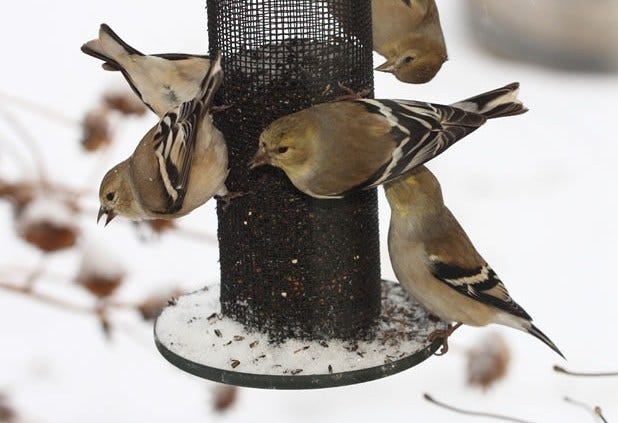
Credit: wdfw.medium.com
Frequently Asked Questions
How Can I Reduce Salmonella Risk In Pet Birds?
Keep bird cages clean and dry. Wash hands after handling birds. Provide fresh food and water daily. Avoid cross-contamination with other pets. Regularly clean feeding bowls and perches to prevent bacterial growth.
What Are Common Salmonella Symptoms In Birds?
Infected birds may show diarrhea, lethargy, and loss of appetite. Some may have ruffled feathers and weight loss. Early detection helps prevent spread to other birds and humans.
Can Salmonella Spread From Birds To Humans?
Yes, Salmonella can transfer through direct contact or contaminated surfaces. Always wash hands after touching birds or their environment. Proper hygiene reduces infection risk significantly.
What Foods Help Prevent Salmonella In Birds?
Provide a balanced diet rich in vitamins and minerals. Avoid spoiled or moldy food, which can harbor bacteria. Fresh fruits, vegetables, and quality bird feed support immune health.
Conclusion
Preventing salmonella in birds is vital for their health. Clean their environment regularly. Provide fresh water and balanced nutrition. Monitor their health closely. Seek veterinary help if needed. Use safe and quality bird feed. Isolate sick birds immediately. Educate yourself on bird care basics.
Prevention ensures a healthy, happy bird. Keep learning and stay informed. Your efforts make a difference. Protect your feathered friends with these simple steps. Enjoy watching them thrive.