What is Millet in Bird Seed 2026 Guide Benefits Explained
If you’ve ever looked at bird seed mixes, you might have noticed tiny round grains labeled as millet. But what exactly is millet in bird seed, and why is it such a popular choice for feeding birds?
Understanding this simple ingredient can make a big difference in attracting more birds to your backyard and keeping them healthy. You’ll discover what millet is, why birds love it, and how including it in your bird seed mix can transform your bird-watching experience.
Keep reading to find out how this humble grain can bring vibrant life to your outdoor space.
Millet Varieties In Bird Seed
Millet is a popular grain used in bird seed mixes. It provides birds with energy and nutrients. Different types of millet vary in color, size, and taste. These differences attract various bird species.
Understanding millet varieties helps you pick the best seed for your backyard birds. Each type has unique features that suit certain birds better than others.

Credit: www.amazon.ca
Common Types Of Millet
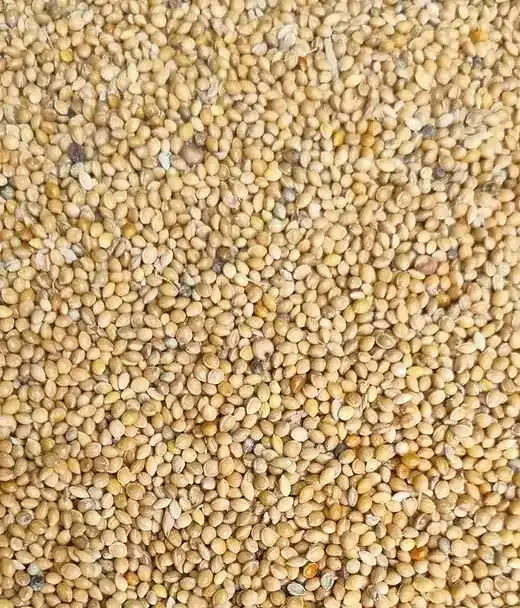
There are several common types of millet found in bird seed. The main varieties include white proso millet, red millet, and foxtail millet. Each type has a different shape and flavor.
- White Proso Millet:Small, round, and pale yellow. Loved by many small birds.
- Red Millet:Slightly larger with a reddish hue. Preferred by ground-feeding birds.
- Foxtail Millet:Long and slender. Attracts sparrows and finches.
Color And Size Differences
Millet seeds come in different colors and sizes. These traits help birds pick seeds that suit their beak shape and feeding habits. The color can range from white to red and even gold.
| Millet Type | Color | Size | Birds Attracted |
|---|---|---|---|
| White Proso Millet | White to pale yellow | Small and round | Finches, sparrows, and doves |
| Red Millet | Red to reddish-brown | Medium and round | Juncos, doves, and quail |
| Foxtail Millet | Light brown to golden | Long and slender | Sparrows and buntings |
Nutritional Value For Birds
Millet is a common ingredient in bird seed mixes. It provides important nutrients that birds need. Many wild and pet birds enjoy millet as a food source.
This grain is easy to digest and offers energy for daily activities. Birds get a good balance of nutrients from millet to stay healthy.
Proteins And Carbohydrates
Millet contains a moderate amount of protein. Protein helps birds build strong muscles and repair tissues. It is important for growth and feather health.
Carbohydrates in millet give birds energy. These carbs fuel flying, singing, and other activities. Millet’s carbs are easy to digest and provide a steady energy supply.
- Protein helps with muscle growth
- Carbohydrates provide energy
- Both support active lifestyles
Vitamins And Minerals
Millet is rich in vitamins like B-complex. These vitamins support birds’ metabolism and energy use. They also help with healthy skin and feathers.
Minerals in millet include magnesium, phosphorus, and iron. Magnesium helps with muscle function. Phosphorus supports bone strength. Iron is important for healthy blood.
- Vitamin B supports energy and skin health
- Magnesium aids muscle function
- Phosphorus strengthens bones
- Iron helps blood carry oxygen
Why Birds Love Millet
Millet is a favorite seed for many birds. It offers good nutrition and tastes great.
Birds find millet easy to eat and enjoy its texture. This makes it a common choice in bird seed mixes.
Taste And Texture Appeal
Millet has a mild, slightly sweet taste that birds enjoy. It is soft and easy to peck at.
The small, round shape fits well in birds’ beaks. This texture helps birds eat quickly and with less effort.
- Mild, pleasant flavor
- Soft and easy to eat
- Small size fits many bird species
- Encourages birds to visit feeders often
Energy Boosting Qualities
Millet provides birds with high energy. It is rich in carbohydrates and nutrients.
These qualities help birds stay active, especially during cold weather or migration times.
- High carbohydrate content for quick energy
- Contains important vitamins and minerals
- Supports strong flight and activity levels
- Helps birds maintain body heat
Benefits Of Millet In Bird Diets
Millet is a common seed found in many bird diets. It offers several health benefits for birds of all kinds.
Adding millet to bird food supports their overall well-being and helps keep them active and healthy.
Supports Feather Health
Millet contains important nutrients that help birds grow strong, colorful feathers. These nutrients include proteins and vitamins. Healthy feathers protect birds from weather and help them fly well.
Aids Digestion
Millet is easy for birds to digest because it has a simple structure. It helps keep their stomachs working smoothly and reduces digestive problems.
- High fiber content helps move food through the gut
- Contains natural enzymes that support digestion
- Reduces risk of constipation and bloating
Enhances Bird Activity
| Benefit | Effect on Birds |
|---|---|
| Energy-rich carbohydrates | Provide fuel for flying and playing |
| Vitamin B complex | Boost metabolism and alertness |
| Minerals like magnesium | Support muscle function and endurance |
Using Millet In Bird Feeding
Millet is a small, round seed that many birds enjoy eating. It is a common ingredient in bird seed mixes. Millet provides energy and nutrients for wild and pet birds.
Birds like finches, sparrows, and doves often prefer millet. It is easy for them to eat because of its size and shape. Millet is also affordable and easy to find.
Mixing With Other Seeds
Millet works well when mixed with other seeds. This variety helps attract different types of birds. Each seed offers unique nutrients and flavors.
Common seeds to mix with millet include sunflower seeds, cracked corn, and safflower seeds. Mixing seeds creates a balanced diet for birds and keeps them interested.
- Sunflower seeds add protein and fat
- Cracked corn is a good energy source
- Safflower seeds help attract cardinals and grosbeaks
- Adding millet makes the mix light and easy to eat
Best Feeding Practices
Place bird feeders in safe, quiet spots. This helps birds feel comfortable while feeding. Keep the feeders clean to prevent disease.
Offer fresh seed regularly. Remove old or wet seed to avoid mold. Provide water nearby so birds can drink after eating.
- Use feeders designed for small seeds like millet
- Fill feeders daily during peak feeding times
- Keep feeding areas free of debris and droppings
- Change seed mix seasonally to meet bird needs
Millet For Different Bird Species
Millet is a popular seed found in many bird seed mixes. It offers good nutrition and taste for many types of birds. Different bird species like millet in different ways.
Understanding which birds enjoy millet helps you choose the right seed mix. This keeps birds healthy and happy.
Small Songbirds
Small songbirds love millet. It is easy for them to eat and digest. Birds like finches, sparrows, and chickadees enjoy it the most.
White proso millet is the favorite type for these birds. It is small and light, perfect for tiny beaks.
- Finches love white millet
- Sparrows enjoy red millet
- Chickadees eat millet as a treat
Parrots And Larger Birds
Larger birds like parrots also eat millet. They prefer millet sprays, which are clusters of seeds on stems. This lets them chew and forage like in nature.
Millet is a good snack for cockatiels, budgies, and conures. It provides energy and helps keep their beaks strong.
- Parrots enjoy millet sprays as treats
- Budgies use millet to stay active
- Cockatiels need millet for beak health
Growing And Harvesting Millet
Millet is a small grain often used in bird seed mixes. It grows well in warm weather and dry soil. Farmers and gardeners plant millet to feed birds and sometimes for human food.
This guide explains how to grow millet and when to harvest it. Proper care helps produce healthy seeds for birds.
Cultivation Tips
Millet grows best in well-drained soil that is not too rich. Plant seeds after the last frost when the soil is warm. Space the seeds about 6 inches apart for good growth.
Water the plants regularly but do not overwater. Millet can handle dry conditions but needs some moisture to grow well. Keep the area free of weeds to avoid competition.
- Choose sunny locations
- Use sandy or loamy soil
- Plant seeds 1 inch deep
- Water once or twice a week
- Remove weeds early
Harvest Timing
Millet is ready to harvest when the seed heads turn golden brown. This usually happens about 70 to 90 days after planting. Check the seeds by rubbing them; they should be hard and dry.
Harvest millet early in the morning on a dry day. Cut the seed heads and let them dry further in a well-ventilated place. Once dry, thresh the seeds by shaking or rubbing them off the stalks.
- Look for golden brown seed heads
- Test seeds by rubbing for hardness
- Harvest on a dry morning
- Dry seed heads before threshing
- Store seeds in a dry place

Credit: www.foodforbirds.co.uk
Common Myths About Millet
Millet is a popular seed found in many bird seed mixes. Many people have ideas about millet that are not true. It is important to know the facts about millet to care for birds properly.
Some myths say millet is bad for birds or only for certain types of birds. These ideas can cause confusion. Learning about millet helps bird owners feed their pets well.
Millet And Bird Weight
One myth is that millet makes birds gain too much weight. Birds do eat a lot of millet, but it does not cause unhealthy weight gain by itself. Like any food, it should be part of a balanced diet.
Birds need different seeds and nutrients to stay healthy. Millet is light and easy to digest. It can help birds stay active when fed properly with other foods.
Millet As A Staple Food
Some people think millet is only a treat and not a main food. Actually, millet can be a staple food for many birds. It provides energy and is easy to eat.
Wild birds often eat millet as part of their daily diet. It is a good source of carbohydrates and some vitamins. Including millet in bird seed mixes gives birds an important food choice.
Buying And Storing Millet
Millet is a popular seed for many pet birds. It is small, easy to eat, and very nutritious. Knowing how to buy and store millet helps keep it fresh and safe for your birds.
Good millet lasts longer and tastes better for your birds. Proper storage stops it from going bad or attracting pests.
Choosing Quality Millet
Choose millet that looks clean and fresh. Avoid seeds that are broken, dusty, or have mold. Fresh millet has a light color and no strange smell.
- Look for bright, intact seeds
- Avoid clumps or damp spots
- Check the expiration date on the package
- Buy from stores with good turnover to ensure freshness
Storage Recommendations
Store millet in a cool, dry place to keep it fresh. Use airtight containers to prevent moisture and bugs from getting in. Keep it away from sunlight and heat.
- Use glass or plastic containers with tight lids
- Keep millet in a dark cupboard or pantry
- Do not store near strong-smelling foods
- Check seeds regularly for signs of spoilage
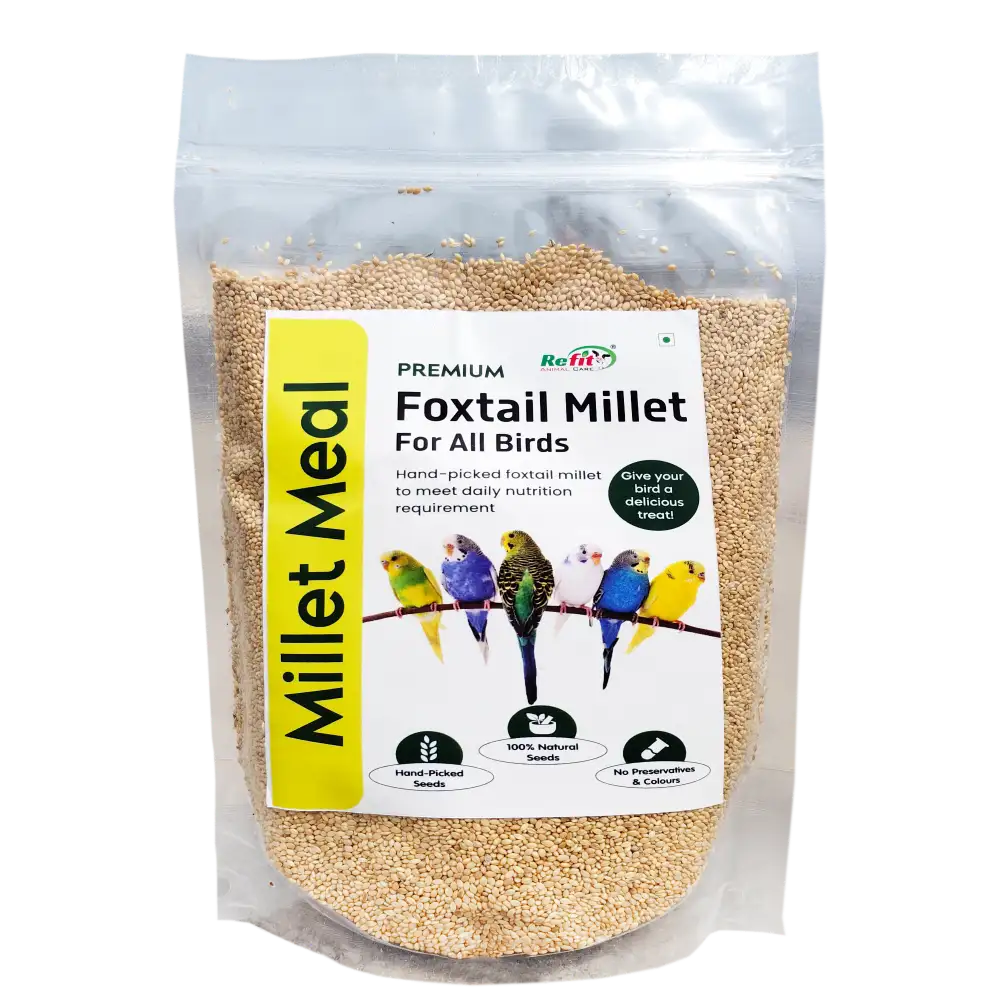
Credit: refitanimalcare.com
Frequently Asked Questions
What Is Millet In Bird Seed?
Millet is a small, nutritious grain commonly found in bird seed mixes. It provides essential energy and nutrients for many bird species.
Why Do Birds Prefer Millet In Their Diet?
Birds enjoy millet due to its easy digestibility and high carbohydrate content. It supports their energy needs and promotes healthy growth.
Is Millet Safe For All Types Of Birds?
Yes, millet is safe and suitable for most seed-eating birds, including finches, sparrows, and doves. It is a natural part of their diet.
How Does Millet Benefit Wild Birds?
Millet supplies vital nutrients like proteins and carbohydrates. It helps birds maintain energy during migration and cold weather conditions.
Conclusion
Millet plays a vital role in bird seed mixtures. It's small, round, and nutritious. Birds like sparrows and finches love it. This seed provides essential nutrients. It's easily digestible and energy-rich. Millet helps birds thrive in different seasons. Adding it to your feeder attracts a variety of birds.
Watching them enjoy millet is satisfying. Simple changes like this support local wildlife. Keep your bird seed mix balanced and varied. Your feathered friends will thank you. Enjoy observing their lively visits to your garden. A little millet goes a long way.